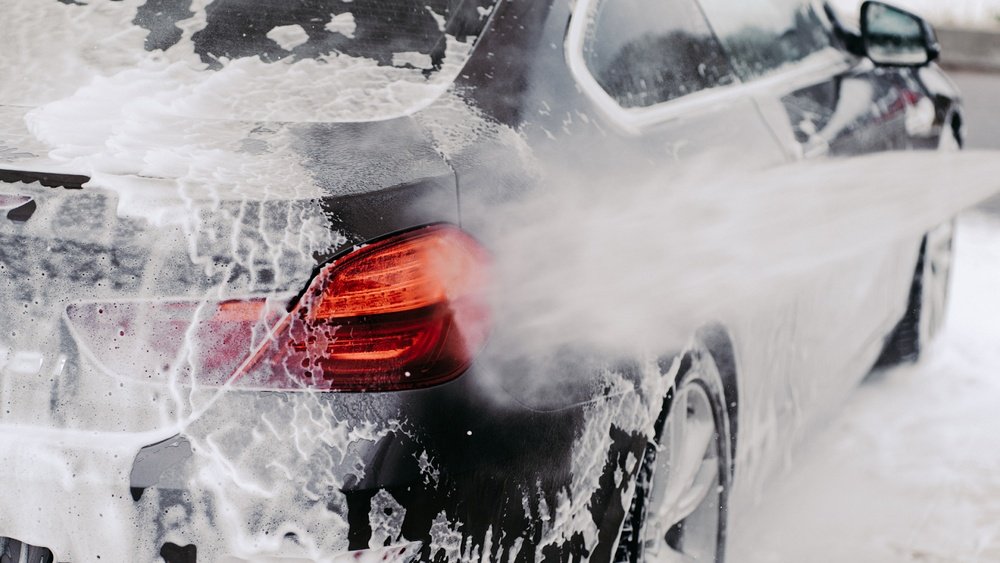
You want your car to look clean and fresh, but when the temperature drops, you might wonder: how cold is too cold for a car wash? Washing your car in freezing weather isn’t as simple as it seems.
If you’re not careful, you could end up with ice forming on your doors, locks, or even damaging your paint. So, what’s the safe temperature to wash your car without risking any problems? Keep reading to discover expert tips and practical advice that will help you keep your car spotless—even when the cold tries to stop you.
Don’t let chilly weather hold you back from a clean ride!
Safe Temperature Range
Washing your car in cold weather requires knowing the safe temperature range. Temperatures that are too low can harm your vehicle or cause safety issues. Understanding the minimum washing temperatures helps protect your car and keeps the wash effective.
Below freezing temperatures bring special risks. Knowing these risks helps you avoid damage and keep your car clean safely.
Minimum Washing Temperatures
The safest temperature to wash a car is above 40°F (4°C). At this level, water dries quickly and does not freeze on the car.
Between 40°F and 32°F (0°C), washing is possible but with caution. Use warm water and dry the car thoroughly.
Washing below 32°F increases the chance of water freezing on surfaces. This can make doors and locks freeze shut.
Risks Below Freezing
Washing a car below freezing can cause ice to form on the paint and windows. This ice can damage the finish and make driving unsafe.
Water trapped in door seals or mirrors can freeze and crack parts. Frozen locks can stop you from opening your doors.
Cold temperatures also make the wash less effective. Dirt and salt may not rinse off properly, leaving residue that causes corrosion.

Credit: www.silverstarcarwashes.com
Best Washing Times
Choosing the best time to wash your car matters, especially in cold weather. Proper timing helps avoid freezing water and damage to your vehicle. Washing during warmer parts of the day reduces risks and improves results. Consider sunlight and temperature for a safer wash.
Washing your car at the right time also helps the drying process. A quick dry prevents ice buildup on locks and mirrors. This keeps your car in good shape and ready for winter roads.
Afternoon Advantage
The afternoon usually offers the warmest temperatures. Washing your car then lowers the chance of water freezing on the surface. The sun’s heat helps dry the car faster. This reduces ice formation on doors and handles. Afternoon washing also makes cleaning easier as dirt loosens more quickly in warmth.
Sunlight Benefits
Sunlight helps speed up drying after washing. It warms the car’s surface and evaporates water faster. Sunlight also helps spot dirt or grime you may miss. Washing in direct sunlight can improve the cleaning quality. Avoid washing in shade or early morning when water may freeze quickly.
Choosing The Right Car Wash
Choosing the right car wash during cold weather is important for protecting your vehicle. Cold temperatures can affect the washing process and the condition of your car. Picking a suitable car wash helps avoid problems like frozen water spots or damage from ice.
Some car washes work better in cold weather than others. Knowing the differences can save time and keep your car safe. The next sections explain two main options and how heated bays make a difference.
Automated Vs Self-service
Automated car washes use machines to clean your vehicle quickly and evenly. They often have warm water and strong sprays that remove dirt well. This option limits your exposure to cold air and water. It also reduces the chance of leaving spots where water freezes.
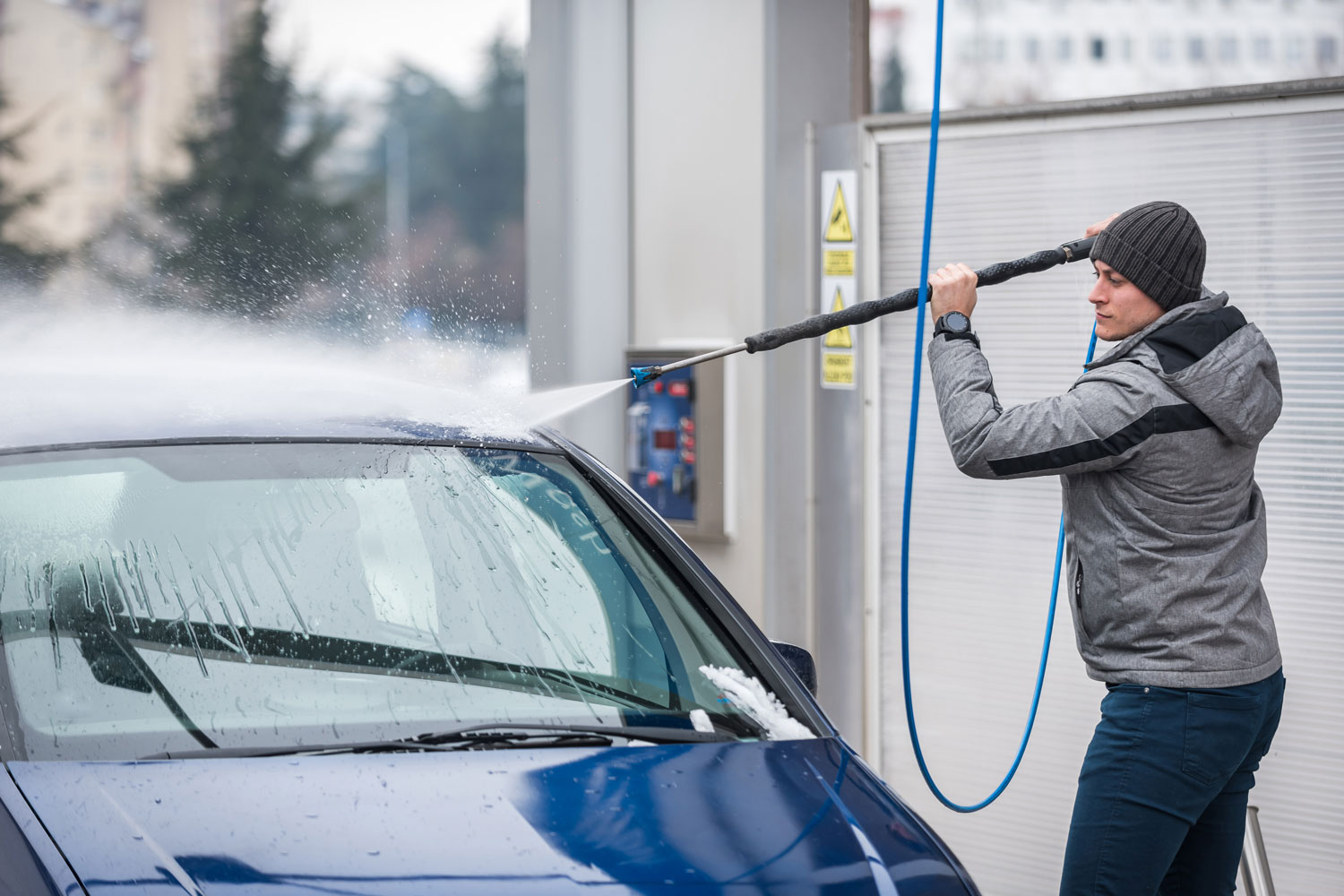
Self-service car washes let you wash your car by hand. This method gives you control over cleaning but takes longer. You may need to work faster to avoid cold water freezing on your car. Self-service options are good if you want to focus on certain areas.
Heated Bay Options
Heated bays offer a warmer space to wash your car in freezing weather. They prevent water from freezing during washing and drying. This feature helps keep door handles, mirrors, and locks free from ice.
Using a heated bay can make winter washing safer and more comfortable. It reduces the risk of damage caused by cold water turning to ice. Heated bays are ideal for those living in very cold climates or during extreme cold snaps.
Credit: www.capitalone.com
Protecting Your Car From Ice
Protecting your car from ice after a wash in cold weather is crucial. Water left on the car can freeze quickly. Ice buildup damages paint and locks. It also makes doors and mirrors hard to use. Taking steps to dry your car well and focus on key areas prevents freezing problems. This care keeps your car safe and looking good even in low temperatures.
Drying Techniques
Use a soft, absorbent towel to dry your car right after washing. Start from the roof and work downwards. Pay close attention to door edges and mirrors. Air drying is risky in cold weather. Water spots can freeze fast and cause damage. Using a leaf blower or compressed air helps remove water from tight spots. This prevents ice from forming in small crevices.
Focus Areas To Avoid Freezing
Door locks, handles, and window seals need special care. Water trapped here can freeze and cause jams. Dry these areas thoroughly with a cloth. Also, check under the windshield wipers and around the side mirrors. Avoid leaving water in these spots. Use silicone spray on rubber seals to repel water. It reduces the chance of ice buildup and keeps parts flexible.
Salt And Winter Road Debris
Winter brings salt and road debris that stick to your car’s surface and undercarriage. Salt melts ice but causes damage to metal parts. Dirt and grit from roads build up under the car. These substances create rust and corrosion over time. Washing your car during cold months helps remove these harmful materials. It protects your vehicle and keeps it looking clean.
Importance Of Undercarriage Cleaning
The undercarriage collects the most salt and debris in winter. Dirt hides in hard-to-see spots under the car. Salt accelerates rusting on metal parts like the frame and exhaust. Rinsing the undercarriage washes away salt and grime. This cleaning stops rust from spreading. Regular undercarriage washes extend your car’s life.
Preventing Corrosion
Salt causes corrosion by eating away paint and metal. Corrosion weakens the car’s body and parts. Washing removes salt before it damages the surface. Use warm water to dissolve salt faster. Dry your car fully to prevent ice from forming. Protecting the paint and metal keeps your car safe from rust.
Diy Winter Car Wash Tips
Cleaning your car in winter needs extra care. Cold weather can cause problems if you wash without the right steps. Follow these tips to keep your car safe and clean during cold days. Simple actions help protect your vehicle from winter damage and keep it looking good.
Washing your car at home in winter is possible. Use the right tools and methods to avoid issues like frozen water or damage to the paint. Taking time to prepare can save you from costly repairs later.
Using Proper Cleaning Products
Choose cleaning products made for cold weather. These products often have ingredients that prevent freezing. Avoid regular soaps that can leave residue or freeze on the surface. Use a pH-balanced car wash soap to protect your paint. Look for products labeled “winter” or “anti-freeze.” Warm water mixed with these soaps helps remove dirt and salt effectively.
Avoiding Water Spots And Ice Build-up
Dry your car quickly after washing. Water left on the surface can freeze and cause ice build-up. Use a microfiber towel to remove water from mirrors, door handles, and windows. Pay attention to door seals and locks to keep them from freezing shut. Avoid washing your car outside if temperatures are below 20°F (-6°C). If washing is necessary, do it in a heated garage or during the warmest part of the day.
When To Skip The Wash
Knowing when to skip a car wash during cold weather protects your vehicle and prevents damage. Washing a car in freezing temperatures can cause water to freeze on the surface. This ice can harm your paint and locks. It may also create slippery spots on the ground around your car. Understanding the right times to avoid washing helps keep your car safe and clean.
Extreme Cold Conditions
In temperatures below 20°F (-6°C), washing your car is risky. Water can freeze quickly on the paint and windows. This causes ice buildup that can crack or chip the surface. Cold weather also affects your car’s seals and locks. Frozen locks can leave you stranded. Avoid car washes outside or use heated, indoor facilities if possible.
After Snowfall Considerations
After heavy snowfall, wait before washing your car. Snow and ice on the car can mix with water and freeze fast. This creates a layer of ice that is hard to remove. Salt and chemicals on the road can damage your paint but washing immediately in freezing weather can cause more harm. Let the temperature rise above freezing before washing. Use a warm, heated car wash to remove road salt safely.

Credit: xpressolube.com
Frequently Asked Questions
What’s The Coldest You Can Wash Your Car At?
You can wash your car safely down to about 32°F (0°C). Use heated bays and dry thoroughly to prevent freezing. Avoid washing below freezing temperatures to protect your vehicle.
Is It Safe To Get A Car Wash In Very Cold Weather?
Washing your car in cold weather is safe if temperatures stay above freezing. Use heated or automated washes. Dry the car thoroughly to prevent ice in locks and mirrors. Avoid washing during extreme cold to protect your vehicle and maintain safety.
Can I Get A Car Wash At 25 Degrees?
Yes, you can get a car wash at 25 degrees. Choose a heated or automated wash to avoid freezing. Dry the car thoroughly afterward.
Can I Wash A Car In 50 Degree Weather?
Washing a car at 50°F is safe. Use a heated or automated wash, dry thoroughly, and avoid freezing spots.
Conclusion
Cold weather can make car washing tricky but not impossible. Avoid washing your car if temperatures drop below freezing. Choose a heated or automated car wash to protect your vehicle. Always dry your car completely to stop ice from forming.
Cleaning salt and grime in winter helps prevent damage. Wash in the warmest part of the day for best results. Taking these steps keeps your car safe and looking good. Stay mindful of weather conditions before washing your car outside.
Your car will thank you with better care and longer life.