
You just got a new car, and it looks amazing—shiny, flawless, and fresh off the showroom floor. But have you thought about how to keep it looking that way?
New car paint protection is your secret weapon against scratches, fading, and the everyday wear and tear that threatens your car’s beautiful finish. Imagine driving without worrying about chips from gravel, harsh UV rays, or stubborn stains ruining your investment.
If you want your car to stay stunning and hold its value longer, understanding paint protection is a must. Keep reading to discover how you can safeguard your new car’s look effortlessly and why it’s one of the smartest choices you’ll make today.
Benefits Of Paint Protection
Paint protection offers several key benefits for your new car. It keeps the paint looking fresh and new. The protective layer helps avoid damage from daily wear and tear. This saves you time and money on repairs. It also helps your vehicle maintain its value over time.
Saving On Repair Costs
Paint protection reduces the chance of scratches and chips. This prevents costly repairs to the car’s surface. Small damages can turn into big repair bills without protection. A strong protective coating lowers the risk of damage from road debris. It keeps your car looking clean and well-maintained without extra expense.
Maintaining Resale Value
A car with well-preserved paint holds its value better. Buyers prefer cars that look new and well cared for. Paint protection keeps the finish shiny and free of blemishes. This makes your car more attractive when you sell it. It helps you get a higher price and faster sale.
Shielding Against Environmental Damage
Environmental factors like sun, rain, and dirt harm car paint. UV rays cause fading and discoloration over time. Paint protection acts as a barrier against these elements. It stops stains from bird droppings and tree sap. The protective layer also prevents water spots and corrosion. This keeps your car’s paint strong and vibrant longer.

Credit: www.turtlewax.com
Types Of Paint Protection
Protecting your new car’s paint is essential to keep it looking fresh and shiny. Different types of paint protection offer various levels of defense against scratches, dirt, and fading. Understanding these options helps you choose the right one for your vehicle’s needs and your budget.
Paint Protection Film (ppf)
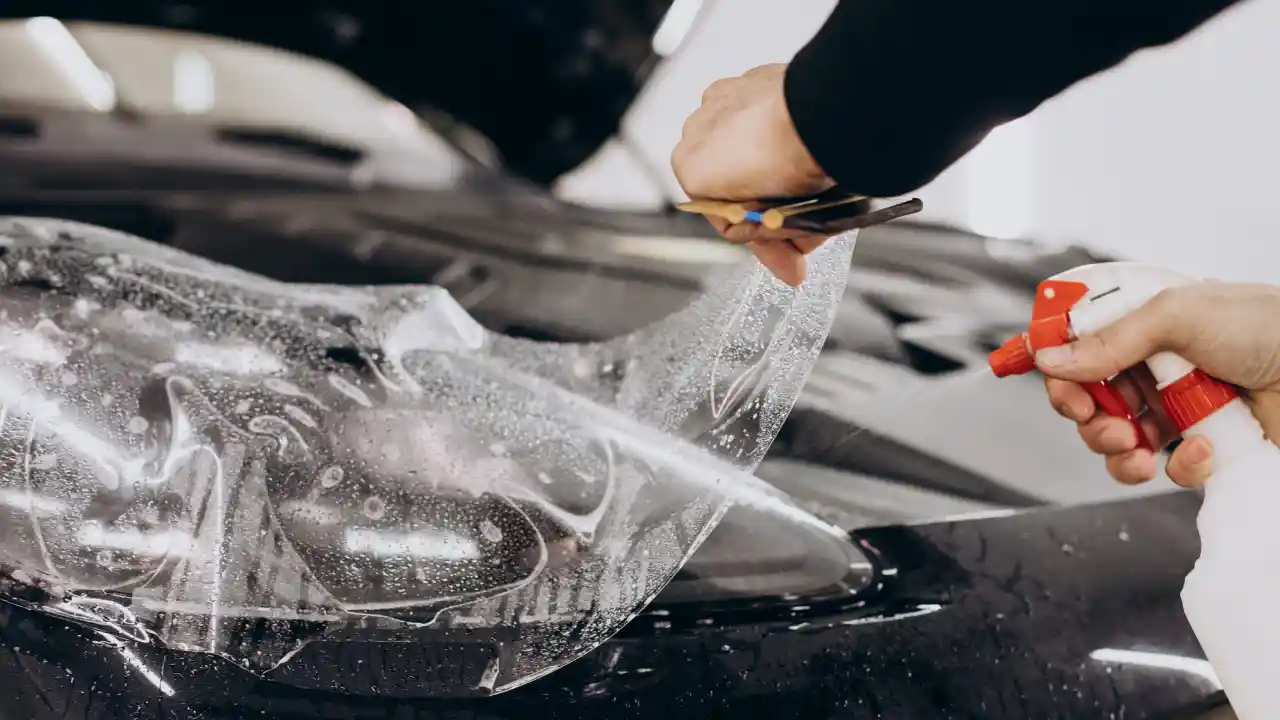
Paint Protection Film is a clear, thick layer applied to your car’s surface. It shields the paint from scratches, stone chips, and minor impacts. PPF is nearly invisible and self-healing, meaning small scratches disappear over time. This type of protection lasts for years and provides strong defense against daily wear.
Ceramic Coatings
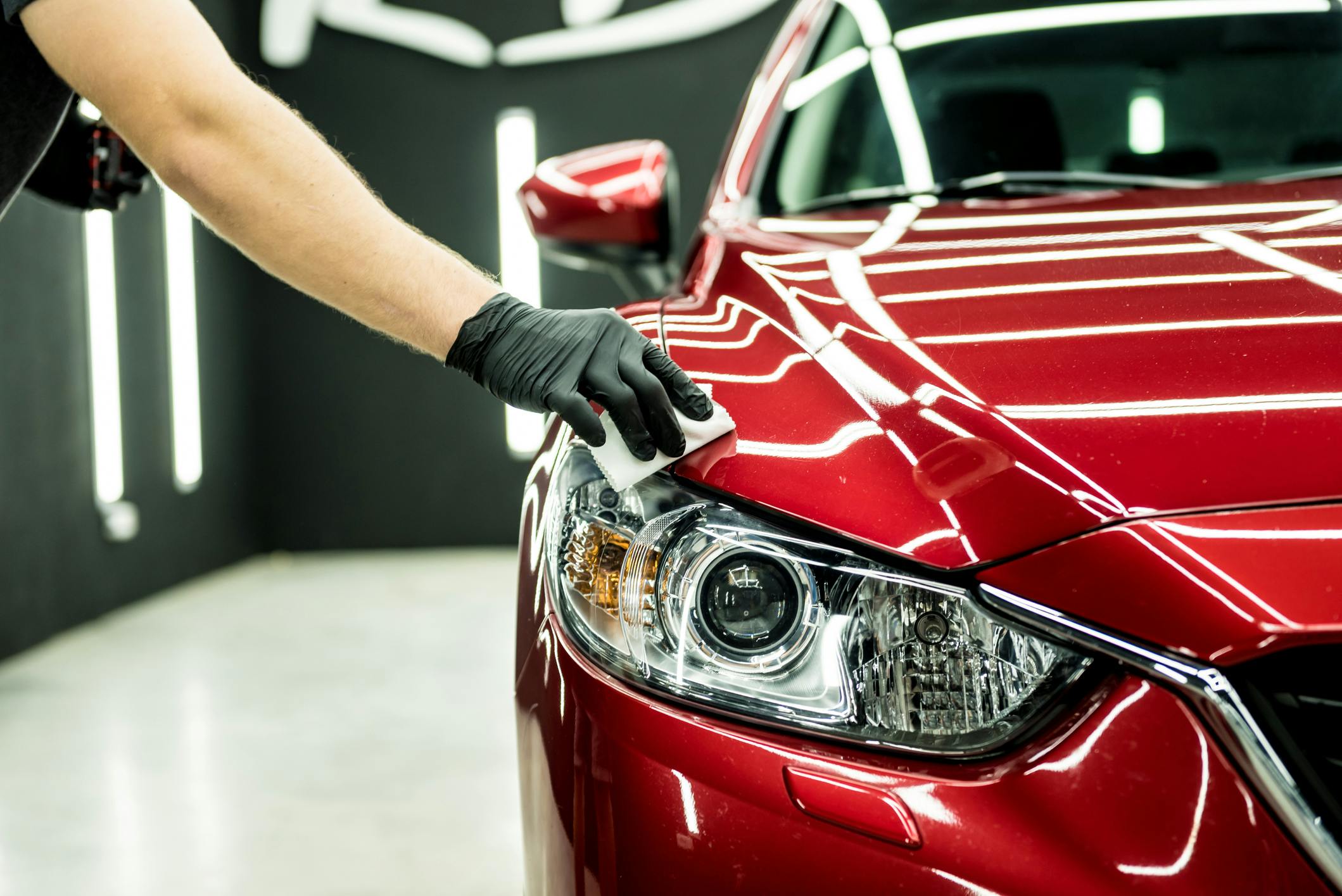
Ceramic coatings are liquid polymers that bond with your car’s paint. They create a hard, glossy layer that repels water, dirt, and chemicals. This coating enhances the shine and makes cleaning easier. Ceramic coatings protect against UV rays and oxidation, helping your paint stay vibrant longer.
Wax And Sealants
Wax and sealants form a protective layer on your car’s paint surface. Wax is natural and gives a deep shine but wears off faster. Sealants are synthetic and last longer, providing better protection against water and dirt. Both options are affordable and improve the paint’s appearance for a short time.
When To Apply Protection
Applying paint protection at the right time helps keep a new car’s finish fresh and strong. The paint surface is most vulnerable during the first few weeks after purchase. Protecting it early prevents damage from dirt, UV rays, and small scratches. Timing is key to ensure the protection bonds well and lasts long.
Ideal Timing For New Cars
Apply paint protection after the car’s paint has fully cured. This usually takes about 30 to 60 days. During this period, avoid washing or waxing the car too much. The paint needs time to harden and settle. Applying protection too soon can trap moisture or dirt, causing problems later.
Some experts recommend waiting at least 30 days before applying a ceramic coating or paint protection film. This lets the clear coat dry completely. After this, the protection will stick better and create a stronger shield against damage.
Post-painting Application Tips
If your car was recently repainted, wait longer before applying protection. New paint may take up to 90 days to cure fully. During this time, keep the surface clean and dry. Avoid harsh chemicals that can harm fresh paint.
Before applying protection, wash the car thoroughly. Remove any dust, grease, or residues. Use a clay bar to clear embedded dirt. This helps the protection bond tightly to the paint.
Apply protection in a shaded, dust-free area. This prevents dust from sticking and ensures an even finish. Follow the product instructions carefully for the best results.
Credit: unifi.com
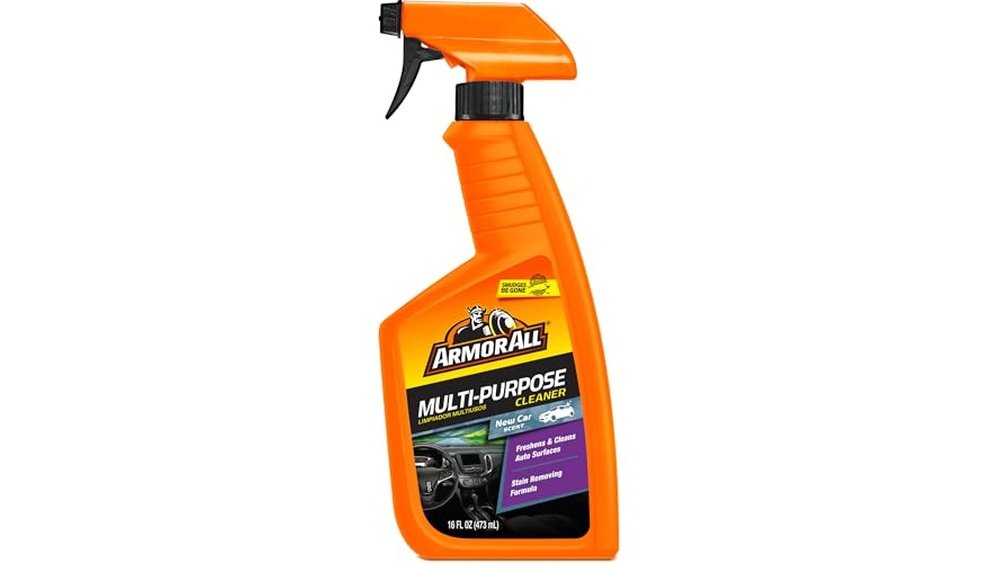
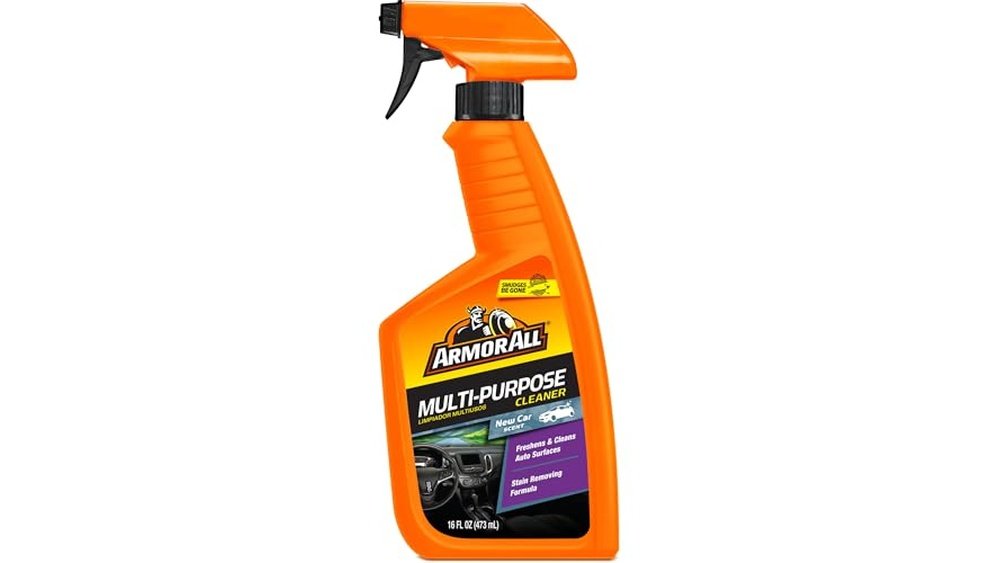
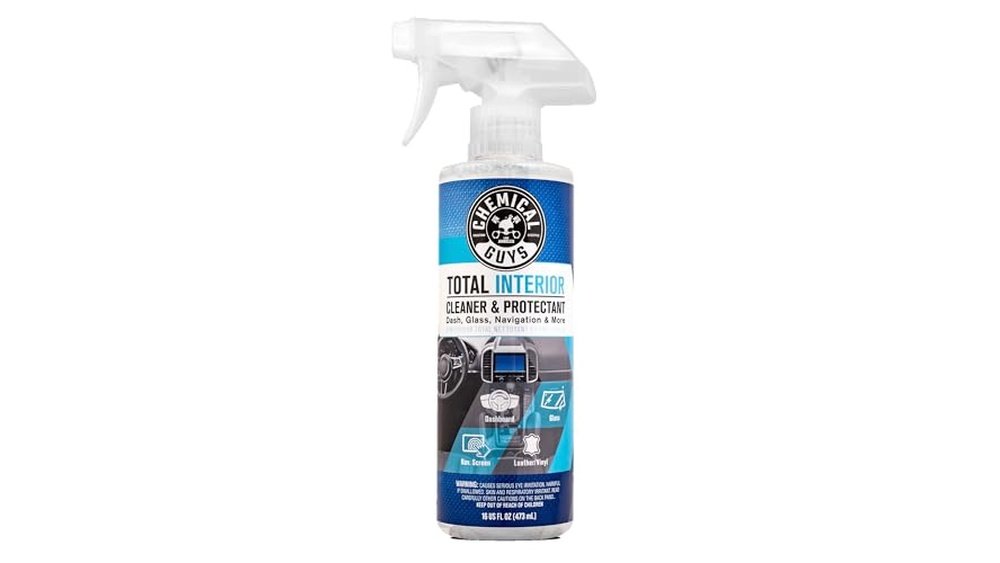
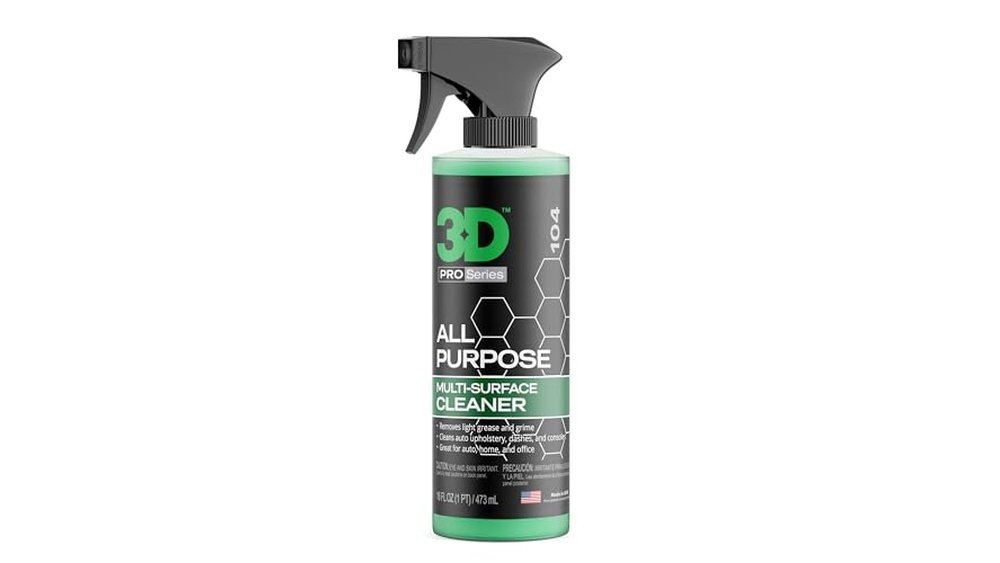
Choosing The Right Product
Many people have questions about new car paint protection. Myths and facts often get mixed up. Understanding the truth helps you protect your car better. Here are some common points cleared up.
Is Paint Protection Necessary?
Paint protection keeps your car’s surface safe. It blocks dirt, UV rays, and small scratches. This helps maintain your car’s shine and value. Skipping protection may lead to fading and damage. New cars especially benefit from early protection.
Longevity Expectations
Paint protection does not last forever. Most products protect your car for several years. Quality protection can last 3 to 5 years. Regular care helps extend its life. It is not a one-time fix but a long-term shield.
Misconceptions About Costs
Many think paint protection is too expensive. The initial cost can seem high but saves money later. It reduces the need for costly paint repairs. Protection also helps keep the car’s resale price high. Think of it as an investment in your vehicle.
Credit: www.carfax.com
Frequently Asked Questions
Is Paint Protection Worth It On A New Car?
Paint protection on a new car prevents scratches, UV damage, and preserves resale value. It saves costly future repairs.
Is Paint Protection Required For New Cars?
Paint protection is highly recommended for new cars to prevent damage from UV rays, scratches, chemicals, and road debris. Applying protection early preserves the car’s finish, maintains resale value, and reduces costly repairs. It keeps the paint looking new longer and enhances overall vehicle appearance.
How To Protect A Newly Painted Car?
Wash the car gently after two weeks, avoid dry wiping, park in a garage, and apply wax regularly. Use paint protection film for added defense.
How Much Does It Typically Cost To Ppf A Car?
PPF costs typically range from $500 to $2,500 depending on vehicle size, film quality, and installer expertise. Full coverage costs more than partial.
Conclusion
Protecting your new car’s paint keeps it looking fresh and clean. It helps avoid scratches, stains, and fading from sun damage. Applying paint protection early saves money on costly repairs later. Regular care, like washing and waxing, extends the protection’s life.
Choose a reliable product that suits your needs and environment. A well-protected car holds its value better over time. Remember, a little effort today means your car stays beautiful tomorrow.