You love your car, and you want it to look and feel its best every time you get behind the wheel. But how often should you detail your car to keep it shining like new?
Detailing isn’t just about making your vehicle look good—it protects your investment, preserves its value, and creates a healthier environment inside. If you’re wondering when to schedule your next deep clean or whether it’s worth the time and cost, this guide will give you clear answers.
Keep reading to discover the perfect detailing routine that fits your lifestyle and keeps your car turning heads on the road.
Detailing Vs Washing
Understanding the difference between detailing and washing helps you care for your car better. Both keep your vehicle clean but serve different purposes. Washing removes dirt and grime from the surface. Detailing goes deeper, cleaning and protecting every part of your car. Knowing when to detail or wash saves time and money.
Key Differences
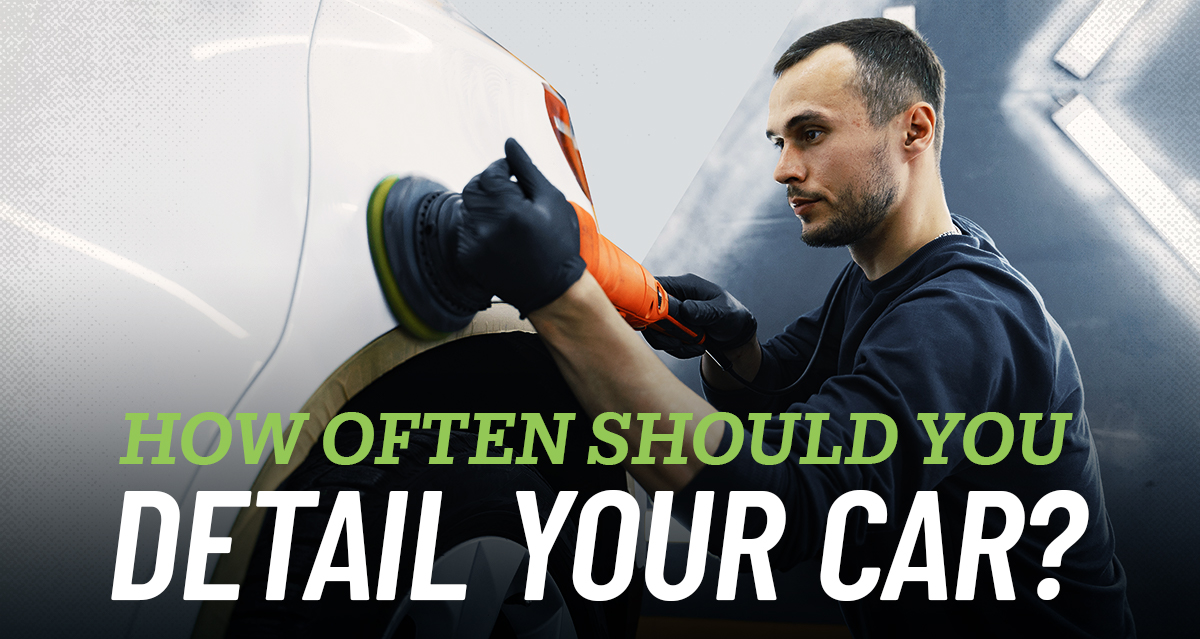
Washing cleans the outside of your car quickly. It removes dust, mud, and road salt. This process usually takes less time and uses basic soap and water. Detailing is a thorough process. It cleans the paint, wheels, windows, and interior. It also includes polishing and waxing to protect the paint. Detailing uses special tools and products. It helps keep your car looking new longer.
When To Wash Instead
Wash your car regularly to prevent dirt buildup. This can be once every one or two weeks. Washing is enough if your car looks clean and has no stains. It helps avoid scratches caused by dirt particles. If your car needs extra care or has stains, choose detailing. Wash before detailing to remove loose dirt. Regular washing supports your car’s overall health.
Credit: www.jtech.org
Benefits Of Detailing
Detailing your car offers many important benefits beyond a simple wash. It helps keep your vehicle in top shape inside and out. Regular detailing protects your investment and improves your driving experience. Here are some key advantages of detailing your car.
Preserves Car Value
Detailing prevents wear and damage to your car’s surfaces. It keeps paint, trim, and interior materials looking fresh. A well-maintained car sells for more money. Detailing slows down aging and wear. This protects the value of your car over time.
Restores Appearance
Detailing removes dirt, stains, and odors deeply embedded in your car. It fixes scratches and swirl marks on the paint. Your car looks cleaner and shinier after a detail. A fresh appearance makes your car look newer and well cared for.
Protects Paint
Detailing applies protective coatings to your car’s paint. These coatings guard against sun damage and oxidation. They also shield your paint from bird droppings and pollutants. This protection keeps your paint bright and prevents fading.
Improves Interior Health
Detailing cleans deep inside your car’s cabin. It removes dust, allergens, and bacteria from seats and carpets. This creates a healthier environment for you and your passengers. A clean interior reduces bad odors and improves air quality.
Professional Tools And Expertise
Detailing professionals use special tools and products. These tools clean areas and materials that regular washing misses. Experts know how to treat different surfaces safely. Their skills ensure a thorough and careful cleaning job.
Recommended Detailing Frequency
Knowing how often to detail your car helps keep it looking its best. Detailing goes beyond a simple wash. It cleans, protects, and maintains your vehicle’s appearance and value. The right frequency depends on several factors. Understanding these helps you decide when to schedule your next detail.
Factors Influencing Frequency
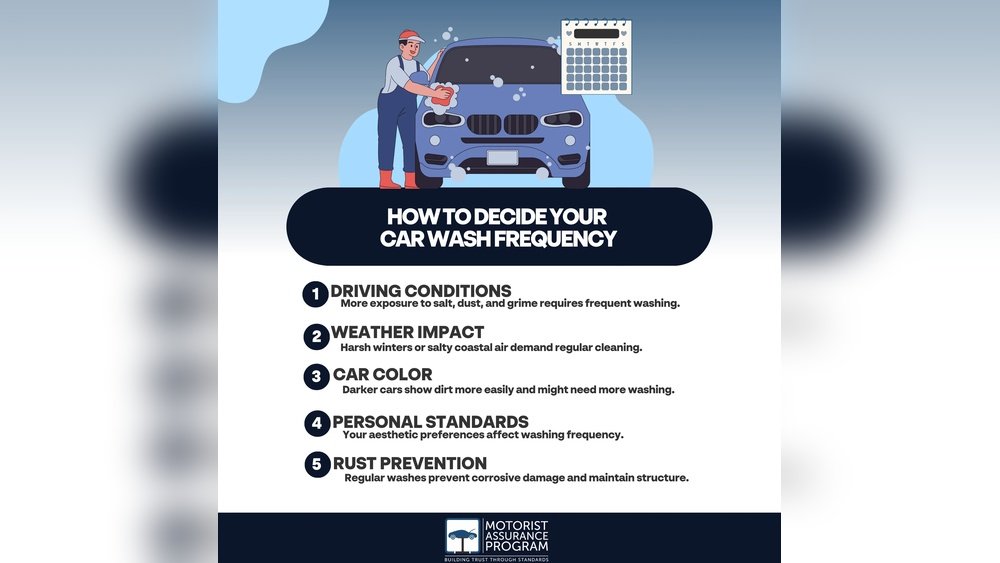
How often you detail your car depends on its condition. New cars need less frequent detailing. Older cars may need more care to prevent damage. The type of paint and finish also matters. Some finishes require special attention and more frequent detailing. Your budget and time availability play roles too. Regular upkeep avoids costly repairs later.
Seasonal Considerations
Seasons affect how often your car needs detailing. Winter brings salt and grime that can harm paint. A detail after winter protects your car’s surface. Summer’s sun and heat cause fading and oxidation. More frequent waxing helps shield the paint. Spring and fall often mean pollen and dirt buildup. Cleaning during these seasons keeps your car fresh and clean.
Usage And Environment Impact
The way you use your car changes detailing needs. Daily city driving means more dirt and pollutants. Off-road or rural driving adds mud and dust. Coastal areas expose cars to salty air, which can cause rust. Garaged cars stay cleaner longer than those parked outside. Adjust detailing frequency based on these conditions for best results.
Diy Vs Professional Detailing
Deciding between DIY and professional car detailing depends on several factors. Many car owners wonder which option suits their needs best. Both methods clean and protect your vehicle, but they differ in cost, effort, and results. Understanding these differences helps you choose the right approach to keep your car looking great.
Cost Comparison
DIY detailing usually costs less upfront. You only pay for supplies like soap, wax, and cloths. Professional detailing has a higher price due to labor and specialized products. Over time, DIY may save money but requires buying good tools. Professional services charge more but include all materials and expert care.
Time And Effort
DIY detailing takes more time and physical effort. You wash, polish, and clean every part yourself. This can take several hours or a full day. Professional detailers finish the job faster. They have experience and tools to clean efficiently. Using professionals frees your time and reduces hard work.
Quality And Results
Professional detailers deliver higher quality results. They remove tough stains, scratches, and odors better than most DIY attempts. Pros use advanced products to protect paint and interior surfaces. DIY results depend on skill and product quality. For a showroom shine and long-lasting protection, professionals often do a better job.
Signs Your Car Needs Detailing
Knowing when your car needs detailing helps keep it looking fresh and new. Detailing removes deep dirt, protects surfaces, and restores shine. Some signs are easy to spot. Others show damage over time. Recognizing these signs can save your car’s value and beauty.
Visible Dirt And Stains
Dirt and stains on your car’s surface show it needs detailing. Dust, mud, and grime build up quickly. Stubborn stains from spills or bird droppings do not wash off easily. These marks can damage the paint if left too long. A detailed cleaning removes these spots and protects your car.
Fading Paint
Paint that looks dull or faded signals a need for detailing. Sunlight and weather wear down the shine. Oxidation causes the color to lose its brightness. Detailing uses special products to restore gloss and shield paint from harm. Keeping paint healthy extends your car’s life and appearance.
Unpleasant Odors
Bad smells inside your car mean dirt and bacteria are trapped in carpets and seats. Food crumbs, pet hair, and moisture create odors that simple cleaning cannot remove. Detailing cleans deep inside and removes the source of smells. A fresh-smelling car makes driving more pleasant.
Interior Wear
Worn or cracked seats and faded dashboard areas show your interior needs care. Dirt and UV rays cause materials to break down over time. Detailing cleans, conditions, and protects these surfaces. This keeps your car’s inside looking newer and more comfortable.

Credit: www.bemac.ca
Tips For Maintaining Shine
Maintaining your car’s shine keeps it looking fresh and new. Simple habits help protect the paint and keep the surface smooth. Shine lasts longer with regular care and small efforts every week. Here are some tips to keep your car glossy and bright.
Regular Washing Habits
Wash your car frequently to remove dirt and grime. Use gentle soap made for cars to avoid stripping wax. Clean water spots quickly to stop stains from forming. Dry the car with a soft cloth to prevent scratches. Regular washing keeps the surface clean and shiny.
Protective Coatings
Apply wax or sealants to protect your paint from damage. These coatings add a layer that repels water and dirt. Wax your car every few months to keep the shine alive. Ceramic coatings last longer but require professional application. Protective layers guard against sun, rain, and pollutants.
Quick Touch-ups
Fix small scratches or chips as soon as possible. Use touch-up paint or polish to cover blemishes. Keep a microfiber cloth handy for quick cleaning after driving. Spot cleaning prevents dirt buildup and dull spots. Quick care stops damage from spreading and keeps shine intact.
Cost Factors For Detailing
Understanding the cost factors for detailing helps you decide how often to detail your car. Prices vary based on many elements. Knowing these factors lets you plan your budget better. This way, you get the best value for your money.
Service Packages
Detailing services often come in packages. Basic packages include exterior wash and wax. Mid-level packages add interior cleaning and vacuuming. Premium packages offer deep cleaning and polishing. Each package has a different price point. Choosing the right package depends on your car’s needs.
Additional Treatments
Extra treatments cost more. These include paint correction, engine cleaning, and ceramic coating. Some services need more time and special products. These add to the final bill. Deciding on extras depends on your budget and car condition.
Location And Provider
Where you get your car detailed affects cost. Urban areas usually charge more than rural ones. High-end providers may have higher prices. Local shops might offer discounts or deals. Research providers near you to find fair pricing.
Credit: premierdetailingandwash.com
Frequently Asked Questions
How Often Should I Full Detail My Car?
Full detail your car every 4 to 6 months to maintain its appearance and protect paint and interior surfaces.
Is It Worth Detailing A Car?
Yes, detailing protects your car’s value, enhances appearance, and removes dirt and allergens, making it a worthwhile investment.
What Are The Disadvantages Of Car Detailing?
Car detailing can be costly and time-consuming. Overuse of products may damage surfaces. Some details require professional skills and tools. Frequent detailing might not suit short-term owners or tight budgets.
How Often Should You Get Your Car Details?
Detail your car every 4 to 6 months to maintain its appearance and protect its value. Regular detailing removes dirt, prevents damage, and keeps the interior clean. Adjust frequency based on usage, weather, and storage conditions for optimal care and longevity.
Conclusion
Regular car detailing keeps your vehicle looking fresh and protected. Aim to detail your car every three to six months. This schedule helps remove dirt, protect paint, and maintain the interior. Adjust frequency based on weather, usage, and storage conditions.
Clean cars last longer and hold value better. Remember, simple washes don’t replace deep cleaning and care. Keep your car shining and healthy with consistent detailing. A little effort goes a long way for your vehicle’s appearance and lifespan.