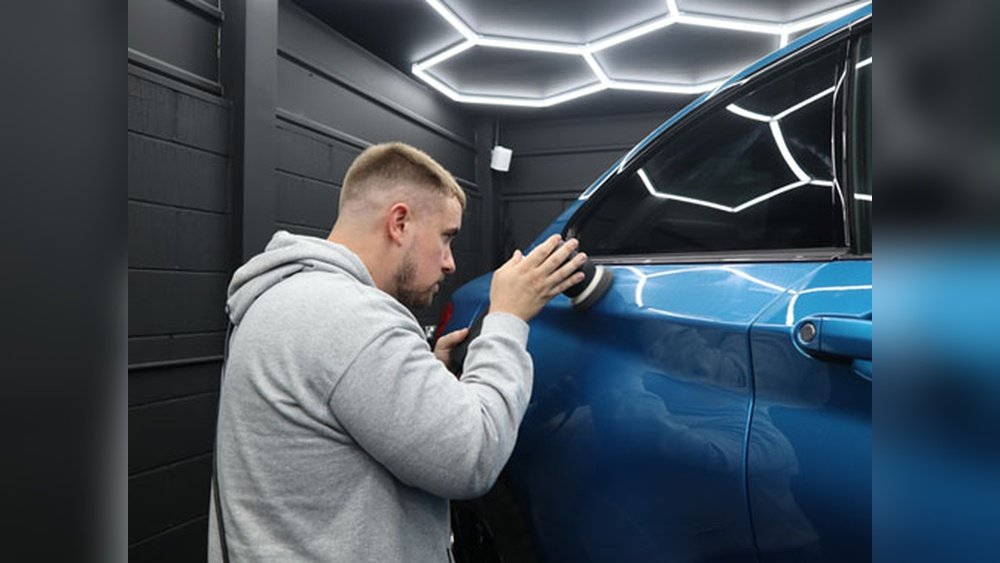
You might think car cleaning is just a quick wash, but car detailing takes it to a whole new level. What if your car could look and feel almost brand new again, inside and out?
That’s exactly what car detailing does—it carefully cleans, restores, and protects every part of your vehicle. From deep cleaning your carpets to polishing the paint until it shines, detailing goes beyond the surface. If you want to understand how this service can keep your car looking sharp and lasting longer, keep reading.
You’ll discover why car detailing is more than just a luxury—it’s a smart way to care for your ride.
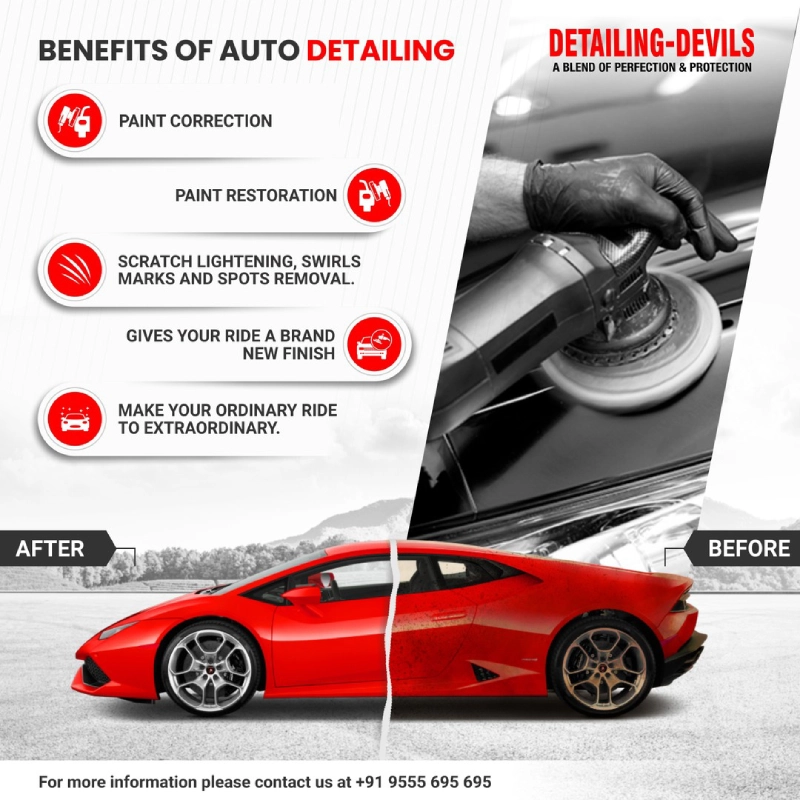
Credit: www.detailingdevils.com
Car Detailing Basics
Car detailing basics cover a thorough cleaning and restoration of a vehicle. It focuses on both the interior and exterior to keep the car looking its best. Detailing goes deeper than a quick wash. It aims to protect and enhance every surface of the vehicle. This process often brings the car close to its original showroom condition.
Interior And Exterior Care
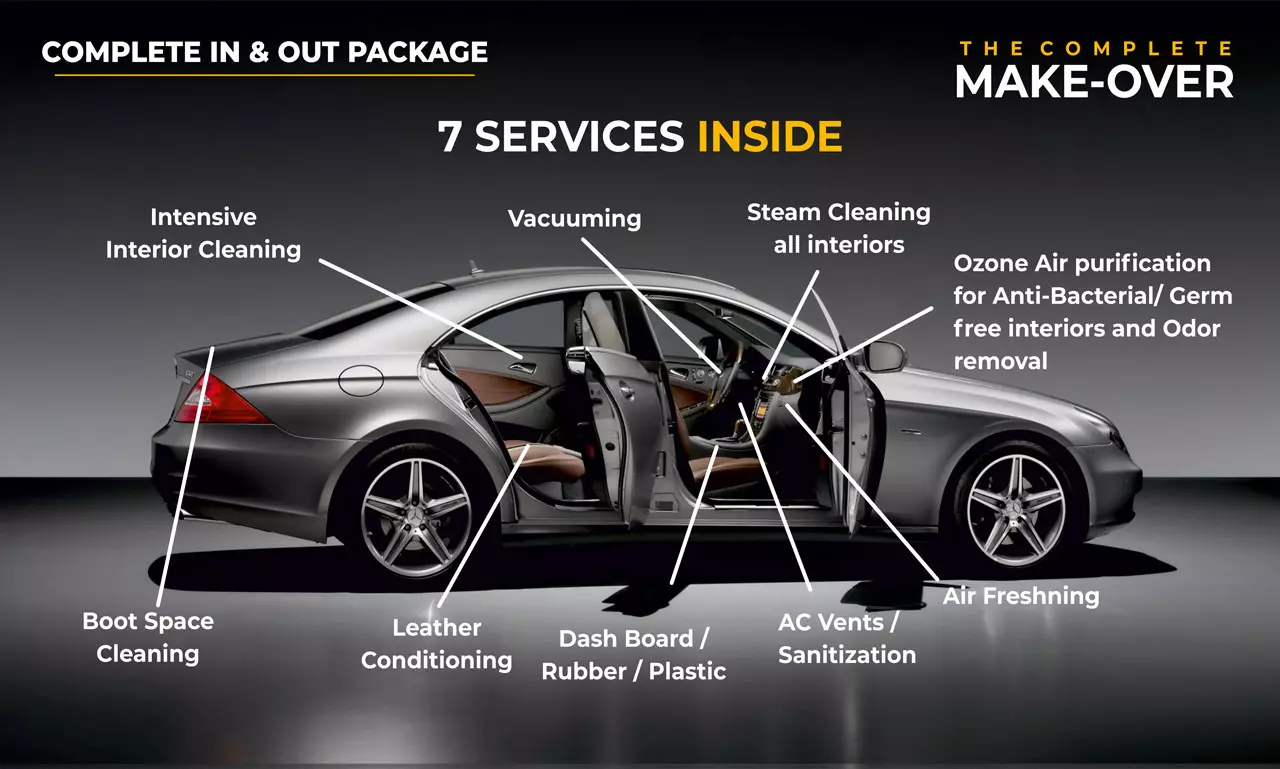
Interior care includes vacuuming carpets and seats to remove dirt and dust. It also involves shampooing carpets and cleaning upholstery to remove stains. Leather seats get special conditioning to keep the material soft and crack-free. The dashboard, vents, and other surfaces get wiped down to remove grime and fingerprints.
Exterior care starts with a hand wash to avoid scratches caused by automatic machines. A clay bar treatment removes embedded contaminants that a regular wash cannot. Polishing corrects minor paint scratches and swirl marks. Wax or sealant provides a protective layer and adds shine. Wheels and tires get deep cleaning to remove brake dust and grime, followed by applying tire dressing for a fresh look.
Beyond A Standard Wash
Standard washes only clean surface dirt and dust. Detailing includes paint correction to fix imperfections. It removes oxidation and light scratches that reduce the shine. Engine bay cleaning removes grease and dirt buildup. Glass polishing improves visibility by removing water spots and streaks. Every step aims to preserve the vehicle’s value and appearance over time.
Exterior Detailing Steps
Exterior detailing is a careful process that cleans and protects the outside of a car. It improves the car’s look and extends the life of the paint and other surfaces. Each step focuses on a different part of the car’s exterior to make it shine like new.
Washing And Decontamination
The first step is a thorough wash to remove dirt and grime. This often includes a hand wash and the use of a foam cannon for deep cleaning. After washing, a clay bar is used to remove small contaminants stuck on the paint. This step prepares the surface for polishing and protects the paint from damage.
Paint Correction And Protection
Paint correction removes minor scratches and swirl marks from the car’s surface. A professional polisher smooths out imperfections to restore shine. After polishing, a layer of wax or sealant is applied. This protects the paint from UV rays, dirt, and water damage, keeping the car looking fresh longer.
Wheels And Tires Care
Wheels and tires get a deep cleaning to remove brake dust and road grime. Special brushes clean inside the wheel wells and rims. Tire dressing is applied to give tires a dark, glossy finish. This step improves the car’s overall appearance and protects rubber from cracking.
Additional Exterior Areas
Other parts like windows, mirrors, and trim also get detailed attention. Glass is cleaned to remove streaks and spots for clear visibility. Plastic and rubber trims are treated to restore color and prevent fading. These small details complete the car’s polished look.
Interior Detailing Process
The interior detailing process cleans every part inside the car. It removes dirt, dust, and stains deeply. This process keeps the car fresh and protects surfaces from damage. Detailed work improves the car’s look and comfort.
Vacuuming And Deep Cleaning
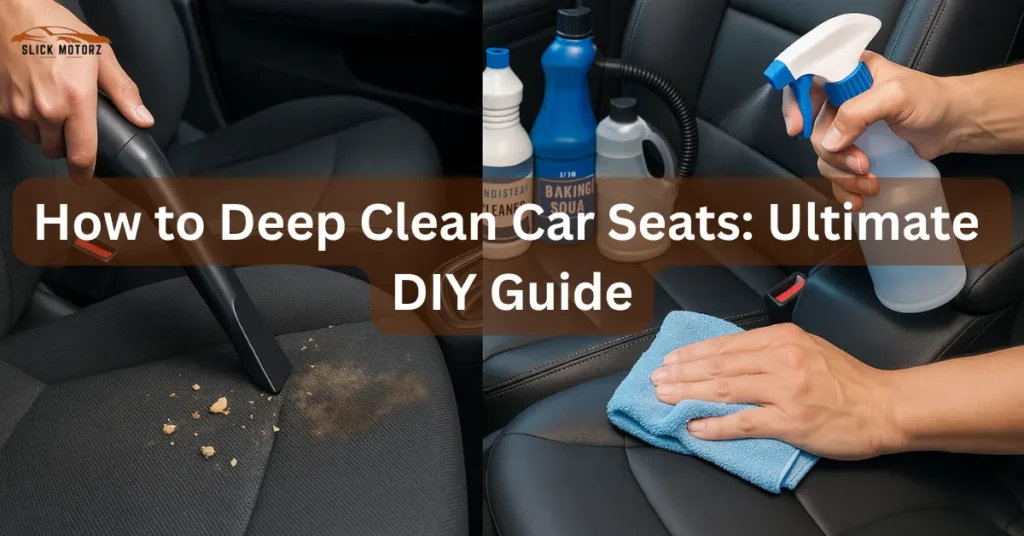
Experts start by vacuuming seats, carpets, and floor mats. They use strong vacuums to remove dirt and crumbs. Next, deep cleaning targets stains and grime on fabric and upholstery. Special shampoos help lift tough stains without harming materials.
Surface Treatment And Conditioning
After cleaning, surfaces like leather and vinyl get treated. Conditioners keep these materials soft and prevent cracks. They restore the original color and shine. This step extends the life of the car’s interior parts.
Detailing Hidden Areas
Hidden spots need attention too. Experts clean under seats, inside vents, and between buttons. These areas collect dust and germs. Small brushes and tools reach these tight spaces for a full clean.
Odor Removal Techniques
Odors come from dirt, food, or smoke inside the car. Professionals use special sprays and ozone machines to remove bad smells. This leaves the car smelling fresh and clean. Proper odor removal improves the overall driving experience.
Tools And Products Used
Car detailing requires a variety of tools and products. These help clean, protect, and restore every part of a vehicle. The right items make the process easier and more effective. Below are the main categories of tools and products used in car detailing.
Specialized Cleaning Agents
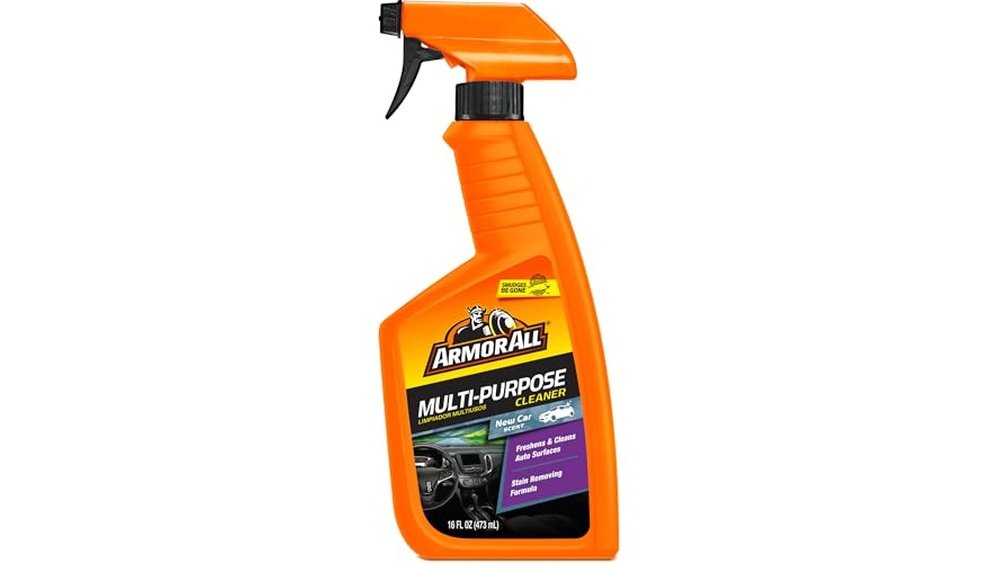
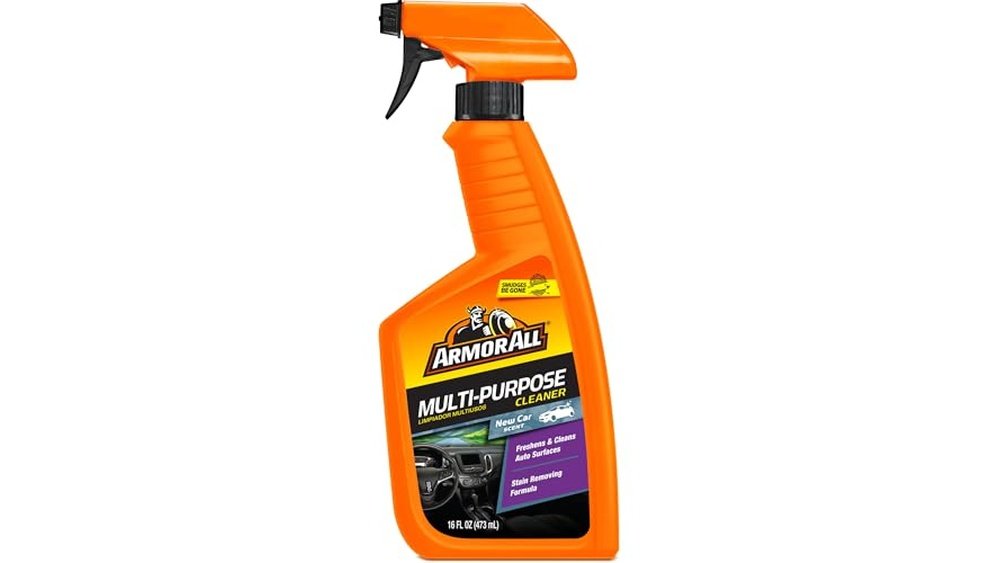
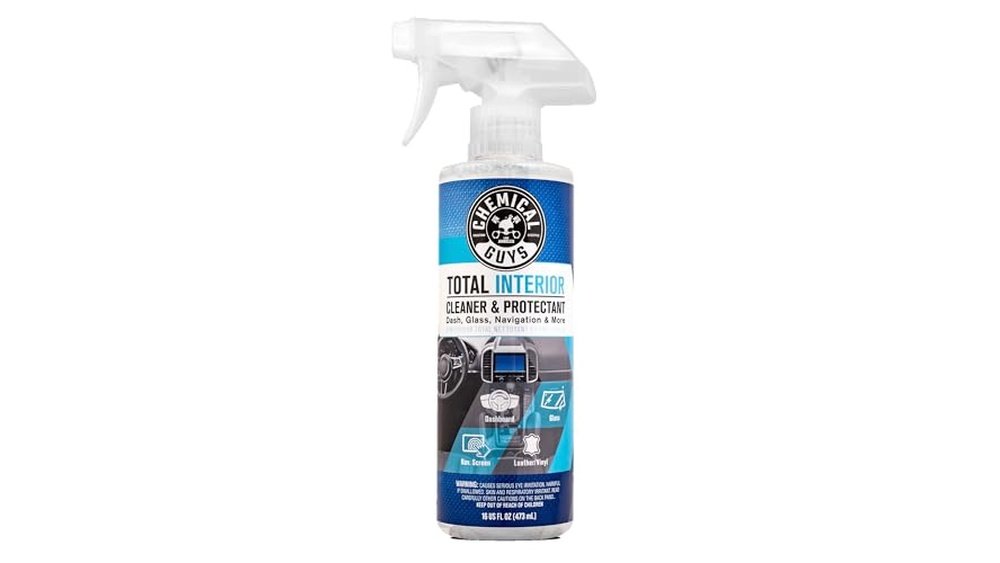
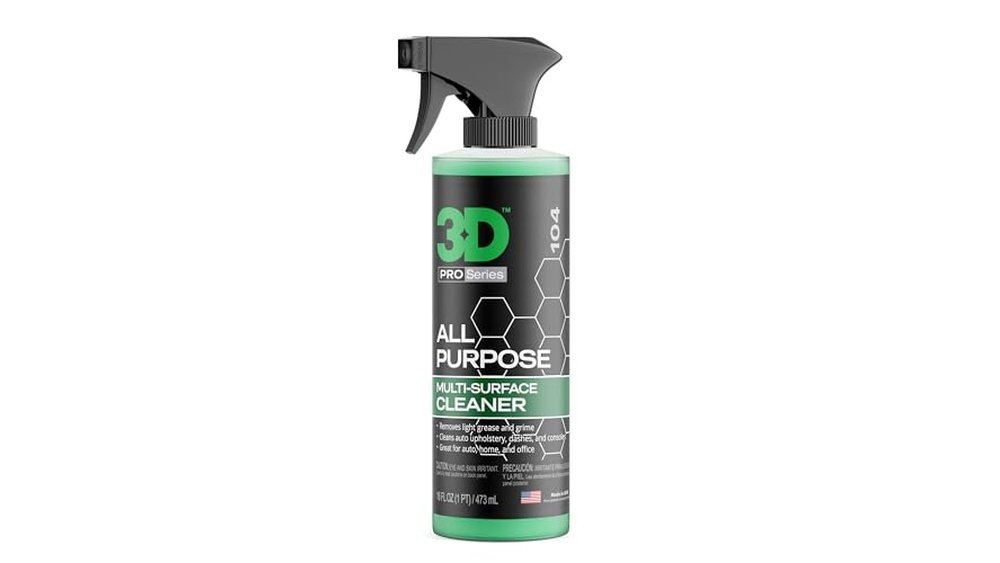
Specialized cleaning agents target dirt without harming surfaces. Interior cleaners remove dust, stains, and grime from fabrics and plastics. Exterior cleaners focus on removing road tar, bugs, and brake dust. Many agents are designed to be gentle yet effective. They prepare the car for polishing and protection steps.
Polishes And Conditioners
Polishes help restore paint by removing small scratches and swirl marks. They smooth the surface and bring back shine. Conditioners protect and nourish materials like leather and vinyl. They keep interiors soft and prevent cracking. Using the right polish or conditioner improves the car’s look and longevity.
Detailing Equipment
Detailing equipment includes tools that speed up and improve cleaning. Buffers and polishers make paint correction easier and more even. Microfiber towels and brushes reach tight spaces and avoid scratches. Vacuum cleaners and steamers clean carpets and upholstery deeply. Each tool plays a key role in thorough car detailing.
Types Of Detailing Services
Car detailing includes many types of services designed to clean, protect, and restore your vehicle. Each type targets different areas and levels of care. Choosing the right service depends on your car’s condition and your budget. Understanding these options helps you keep your car looking its best.
Basic Vs Full Detailing
Basic detailing focuses on the car’s exterior and interior surface cleaning. This service usually includes washing, vacuuming, and wiping down surfaces. It removes dirt, dust, and light stains quickly.
Full detailing goes deeper. It covers thorough cleaning, polishing, and protecting the paint and interior materials. This service often includes clay bar treatment, paint correction, and conditioning leather or fabric seats. Full detailing takes more time but offers a near-showroom finish.
Specialized Treatments
Specialized treatments target specific problems or provide extra protection. Examples include ceramic coating, paint protection film, and odor removal. These treatments enhance the car’s look and increase its durability. They often require expert application and can last for months or years.
Other options include headlight restoration and scratch removal. These services improve visibility and fix minor damage. Specialized treatments help maintain your car’s value and appearance over time.
Engine Bay And Glass Services
Engine bay cleaning removes grease and dust from under the hood. This service helps keep the engine running cooler and makes it easier to spot leaks or damage. Clean engine bays also improve the car’s resale value.
Glass services focus on cleaning and protecting all windows and mirrors. They remove water spots, grime, and streaks. Some services include applying water-repellent coatings to improve visibility in rain. Clear glass enhances driving safety and the car’s overall look.
Benefits Of Car Detailing
Car detailing offers many benefits that keep your vehicle looking great and lasting longer. It goes beyond regular cleaning to protect and improve your car’s condition. Detailing helps maintain the vehicle’s value and appearance over time.
Enhancing Vehicle Appearance
Detailing removes dirt, stains, and grime from every part of your car. It cleans and polishes the paint to bring out a deep shine. The interior also gets a thorough cleaning, making the cabin fresh and inviting. This process restores the car’s look close to when it was new.
Protecting Paint And Interior
Detailing adds layers of protection to your car’s paint. Wax and sealants shield the surface from UV rays and contaminants. Inside, conditioners protect leather and vinyl from cracking. Regular detailing prevents damage and keeps your car safe from everyday wear.
Increasing Resale Value
A well-detailed car stands out in the market. Buyers prefer vehicles that look clean and well cared for. Detailing preserves the car’s condition and can lead to a higher resale price. It shows you maintain your vehicle responsibly, attracting better offers.
Diy Vs Professional Detailing
Choosing between DIY and professional car detailing depends on several factors. Both options offer unique benefits and challenges. Understanding these helps you decide the best way to keep your car looking its best.
DIY detailing allows control over every step but requires time and effort. Professional services bring expertise and convenience but at a higher price. We explore the tools and skills needed, costs involved, and when to trust the experts.
Tools And Skills Needed
DIY detailing needs basic tools like microfiber cloths, car shampoo, and wax. You also require some skills in cleaning and polishing to avoid damage. Learning proper techniques is important to get good results.
Professional detailers use advanced tools and products not easily found in stores. They have experience handling different car surfaces safely. Their skills ensure a thorough and high-quality finish.
Cost Considerations
DIY detailing costs less upfront. You buy supplies once and reuse many items. However, mistakes can lead to costly repairs or poor results.
Professional detailing is more expensive, reflecting labor and quality materials. It often saves money long-term by protecting your car’s paint and interior. Professionals can spot issues early before they worsen.
When To Seek Experts
Choose experts for deep cleaning, paint correction, or damage repair. Professionals handle tough stains, scratches, and delicate surfaces well. They also save time and effort during busy schedules.
DIY suits routine cleaning and maintenance between professional visits. For a flawless finish or complex problems, expert care is the safer choice. Knowing your limits helps protect your vehicle’s value.
Credit: www.carzspa.com
Frequency And Maintenance Tips
Knowing how often to detail your car and how to maintain it keeps your vehicle looking fresh. Regular care protects the paint, interior, and overall value. This section covers the best schedule and simple tips for daily to long-term upkeep. Follow these guidelines to extend your car’s beauty and lifespan.
Recommended Detailing Schedule
Detail your car every 4 to 6 weeks for optimal results. This timing removes dirt, grime, and pollutants that damage paint and materials. For cars in harsh climates or heavy use, detail more often. Interior cleaning should happen at least monthly to prevent stains and wear. Adjust frequency based on your driving habits and environment.
Daily And Weekly Care
Wipe down surfaces inside daily using a microfiber cloth. This stops dust buildup and keeps the dashboard and controls clean. Vacuum the seats and floors weekly to remove dirt and crumbs. Clean spills immediately to prevent stains. Wash the car’s exterior every week to avoid dirt and salt buildup. Use gentle soap and avoid harsh chemicals.
Long-term Preservation
Apply wax or paint sealant every 3 to 4 months to protect the exterior. This layer shields against UV rays, rain, and dirt. Condition leather seats quarterly to keep them soft and prevent cracking. Check and replace cabin air filters regularly to maintain air quality inside. Store your car in a garage or use a car cover to reduce exposure to elements.

Credit: www.duelautocare.co.uk
Frequently Asked Questions
What Does Detailing A Car Include?
Car detailing includes deep cleaning and restoring a vehicle’s interior and exterior. It covers washing, polishing, waxing, vacuuming, leather conditioning, and engine bay cleaning. Detailing removes contaminants, protects surfaces, and enhances shine, going beyond a standard car wash to restore showroom quality.
What Is The Point Of Detailing A Car?
Detailing a car restores its appearance by thoroughly cleaning, polishing, and protecting both interior and exterior surfaces. It removes dirt, scratches, and contaminants, enhancing shine and preserving value. This meticulous process goes beyond a regular wash to maintain the vehicle’s condition and extend its lifespan.
What Is Included In A Full Car Detail?
A full car detail includes deep interior vacuuming, shampooing, leather conditioning, exterior washing, paint polishing, waxing, wheel cleaning, and engine bay cleaning. It restores and protects all surfaces, enhancing the vehicle’s appearance beyond a standard wash.
What Do Car Detailers Do?
Car detailers thoroughly clean and restore a vehicle’s interior and exterior. They remove dirt, polish paint, condition surfaces, and protect finishes. Their work includes deep cleaning carpets, wheels, and engine bays, enhancing the car’s appearance beyond a regular wash.
Conclusion
Car detailing keeps your vehicle clean inside and out. It removes dirt, stains, and minor scratches. Detailing helps protect your car’s paint and interior materials. Regular care improves your car’s look and value. It also creates a more comfortable driving experience.
Simple steps like washing, polishing, and vacuuming make a big difference. Detailing takes time but offers lasting benefits. Treat your car well, and it will stay in great shape longer.