You have a classic car that turns heads wherever it goes. But keeping that timeless beauty shining takes more than just a quick wash. Classic car detailing is the secret to preserving your vehicle’s charm and value.
It’s not just about looking good—it’s about protecting your investment and making sure every inch of your car tells a story of care and passion. You’ll discover how expert detailing can bring out the best in your classic car and why it’s a must for any true enthusiast.
Ready to learn how to keep your classic ride in showroom condition? Let’s dive in.

Credit: www.cati.ca
Why Detail Classic Cars
Detailing classic cars is more than just cleaning. It is a vital step to keep these vehicles in top shape. Classic cars often have unique features and delicate parts that need special care. Proper detailing protects the car’s beauty and function over time. It also helps owners enjoy their prized vehicles longer and maintain their historical value.
Protecting Value
Classic cars often grow in value as they age. Detailing stops dirt and grime from causing damage. It prevents rust and paint fading. Regular care keeps the car looking fresh and well-kept. This care makes the car more attractive to collectors and buyers. A well-detailed car holds its worth better in auctions or sales.
Preserving Appearance
Classic cars have unique paint and finishes. Detailing cleans and polishes these surfaces carefully. It removes dust, stains, and oxidation. This process restores the car’s shine and color depth. Detailing also cleans the interior, keeping fabrics and leather soft. This work helps the car look like new for years.
Maintaining Structural Integrity
Detailing reaches beyond the surface. It protects metal parts from rust and corrosion. Cleaning the undercarriage removes harmful dirt and salt. This care stops damage that could weaken the frame. Keeping parts clean helps spot early signs of wear. Regular detailing supports the car’s long-term health and safety.
Credit: trdetail.com
Essential Tools And Products
Detailing a classic car requires the right tools and products. These essentials help keep the car’s beauty and value intact. Using proper supplies ensures a thorough clean and protection without damage. The right materials make the process easier and more effective.
Cleaning Supplies
Start with gentle, pH-balanced car shampoos for washing. Use soft microfiber cloths and sponges to avoid scratches. A good set of brushes helps reach tight spots and grills. Wheel cleaners designed for classic rims protect delicate finishes. Always have buckets with grit guards to keep dirt off surfaces.
Polishing Compounds
Polishing compounds remove light scratches and oxidation from paint. Choose products made for vintage paint types. Use foam or microfiber applicators for even spreading. Work in small sections to avoid drying out the product. Polishing restores shine and smoothness to the car’s surface.
Wax And Sealants
Wax adds a protective layer and enhances gloss. Paste waxes offer deep shine, ideal for show cars. Liquid waxes and sealants provide longer-lasting protection. Apply with soft cloths or applicator pads in circular motions. Buff off residue to reveal a clear, glossy finish that repels water.
Interior Detailing Materials
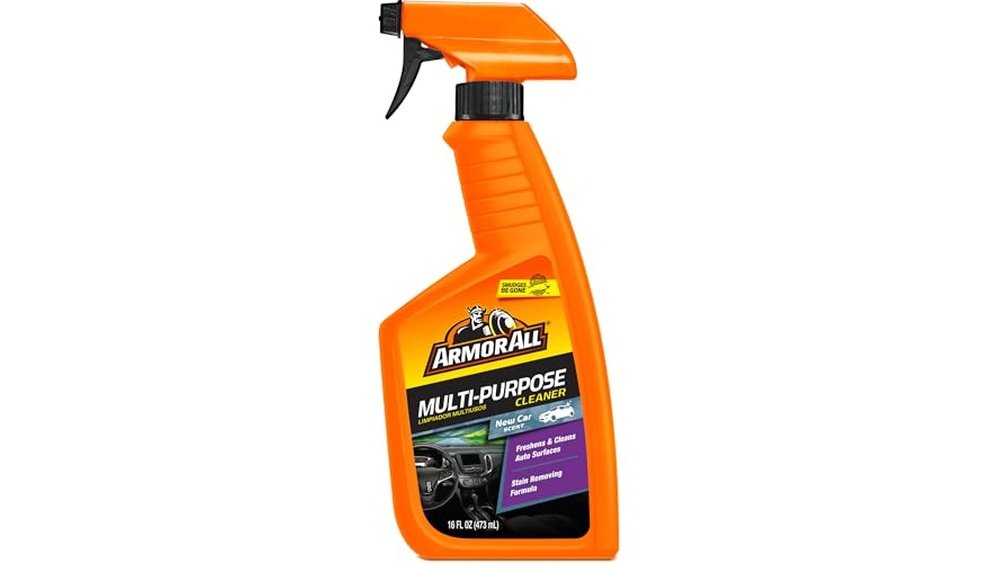
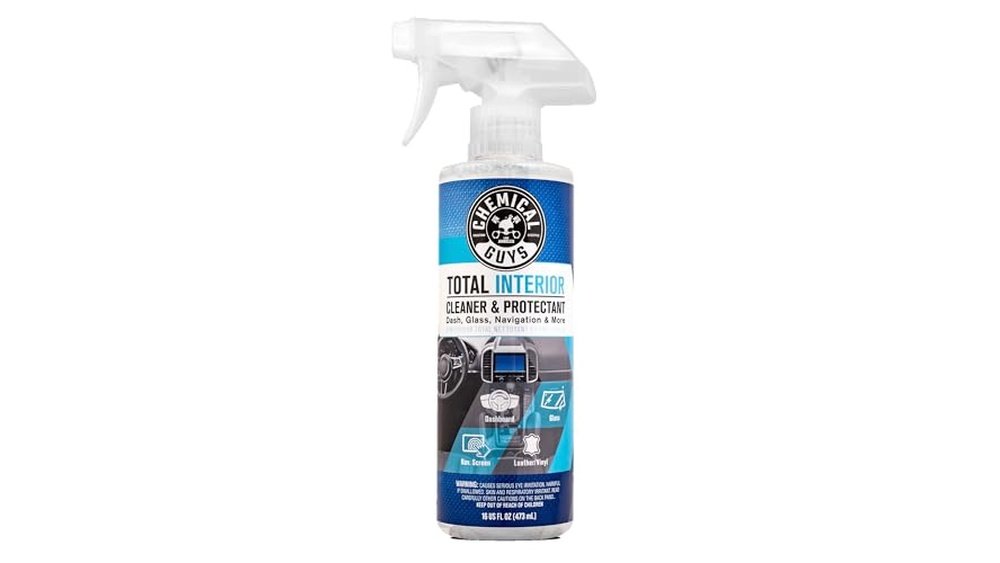
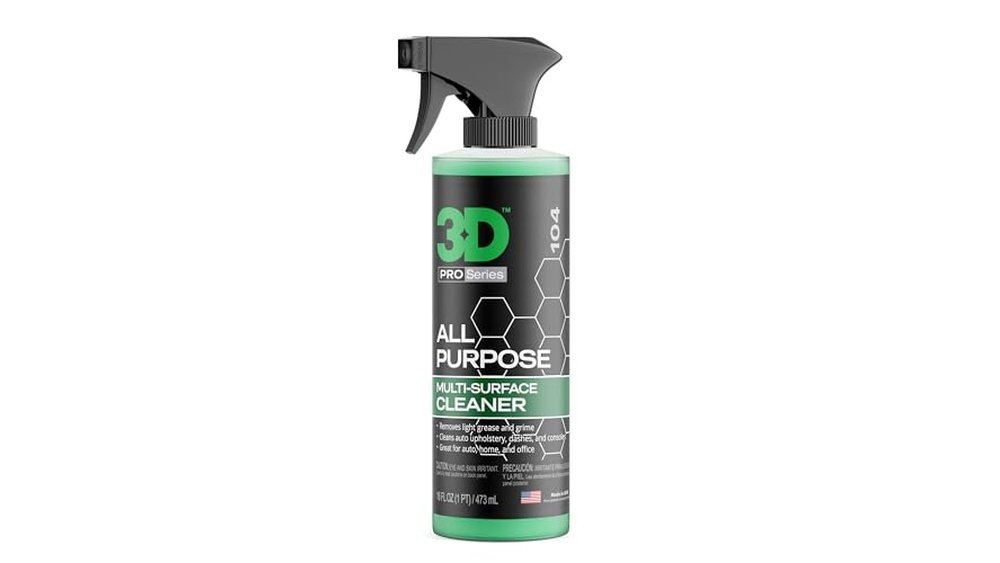
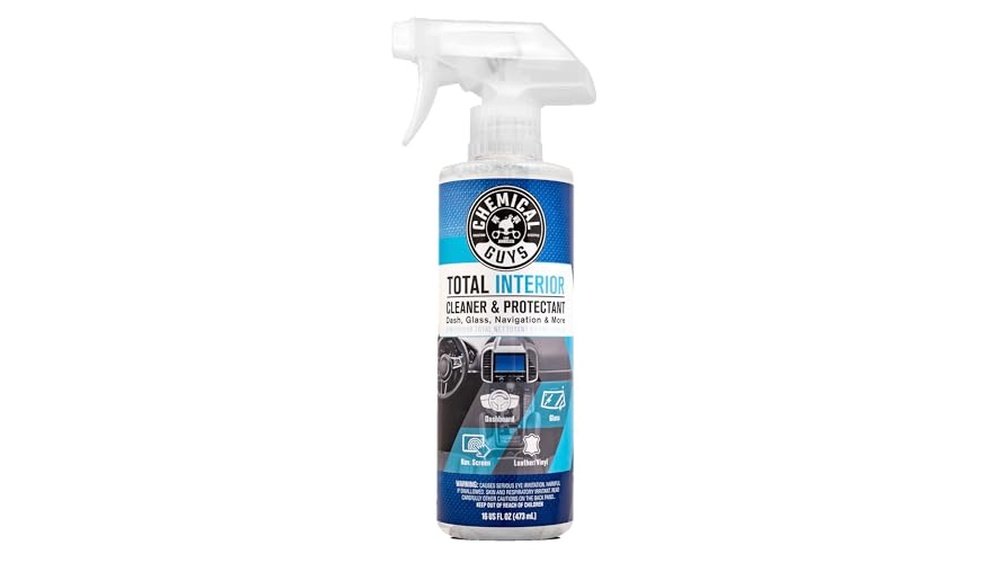
Use gentle cleaners for leather, vinyl, and fabric seats. Soft brushes and cloths help clean dashboards and vents carefully. Protect leather with conditioners to prevent cracks. Avoid harsh chemicals that can damage classic interior materials. Keep interiors fresh and well-preserved with proper products.
Exterior Detailing Steps
Exterior detailing is essential for preserving a classic car’s beauty and value. It involves careful cleaning and protection of the car’s outer surface. Each step enhances the car’s appearance and shields it from damage.
Following a clear process ensures the best results. The process starts with washing and decontaminating. Then, paint correction removes imperfections. After that, applying wax and sealants protects the paint. Finally, restoring chrome and trim brings back the shine.
Washing And Decontaminating
Begin by rinsing the car to remove loose dirt. Use a gentle car shampoo and a soft mitt to wash the surface. Avoid harsh brushes to prevent scratches. Next, remove contaminants like tar, sap, and industrial fallout using a clay bar. This step clears the paint’s surface and prepares it for polishing.
Paint Correction Techniques
Paint correction fixes scratches, swirl marks, and oxidation. Use a dual-action polisher with the right compound and polish. Start with a less abrasive product to preserve the original paint. Work in small sections to ensure even correction. This step restores the paint’s clarity and smoothness.
Applying Wax And Sealants
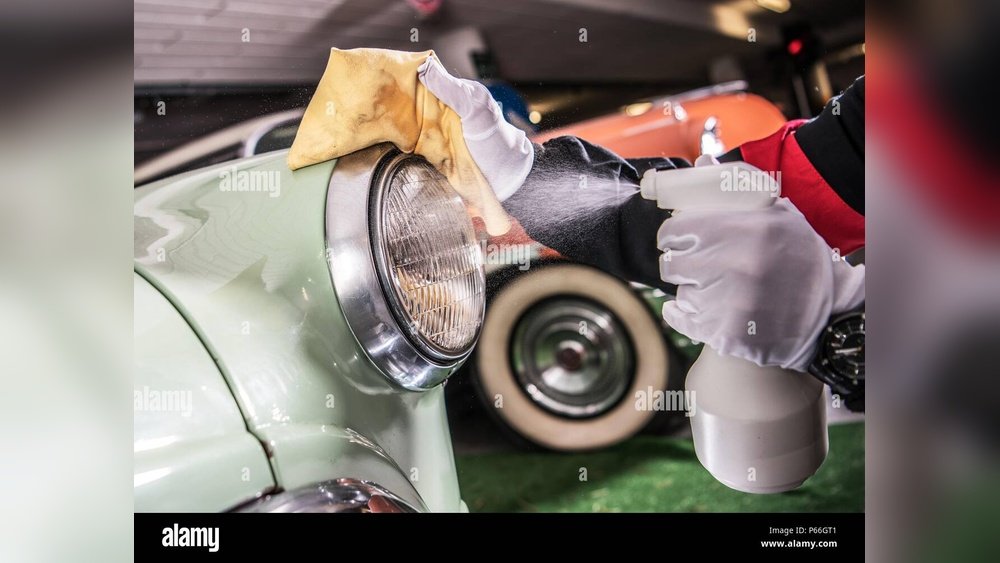
Wax adds a deep shine and protects the paint from UV rays. Sealants offer longer-lasting protection and create a slick surface. Apply wax or sealant with a foam applicator in thin, even layers. Allow it to cure, then buff with a microfiber cloth for a glossy finish. This layer helps repel water and dirt.
Restoring Chrome And Trim
Chrome and trim need special care to avoid rust and dullness. Clean these areas with a mild detergent and soft brush. Use metal polish to remove oxidation and minor scratches. For plastic or rubber trim, apply a trim restorer to bring back color and flexibility. This final touch completes the classic car’s pristine look.
Interior Restoration Tips
Restoring the interior of a classic car requires patience and care. The goal is to bring back its original charm while protecting delicate materials. This section offers simple tips to clean, condition, and refresh every part inside your car.
Cleaning Upholstery And Carpets
Start by vacuuming all seats and carpets to remove dust and dirt. Use a gentle cleaner made for the fabric type. For cloth, a mild soap with water works well. For tougher stains, spot clean with a soft brush. Avoid soaking the upholstery to prevent damage. Let everything dry fully before moving on.
Conditioning Leather And Vinyl
Leather and vinyl can crack and fade over time. Apply a quality conditioner to keep these materials soft and supple. Use a clean cloth to spread the conditioner evenly. Work in small sections and allow the product to absorb. Avoid harsh chemicals that can strip natural oils. Regular conditioning extends the life of your interior.
Detailing Dashboard And Panels
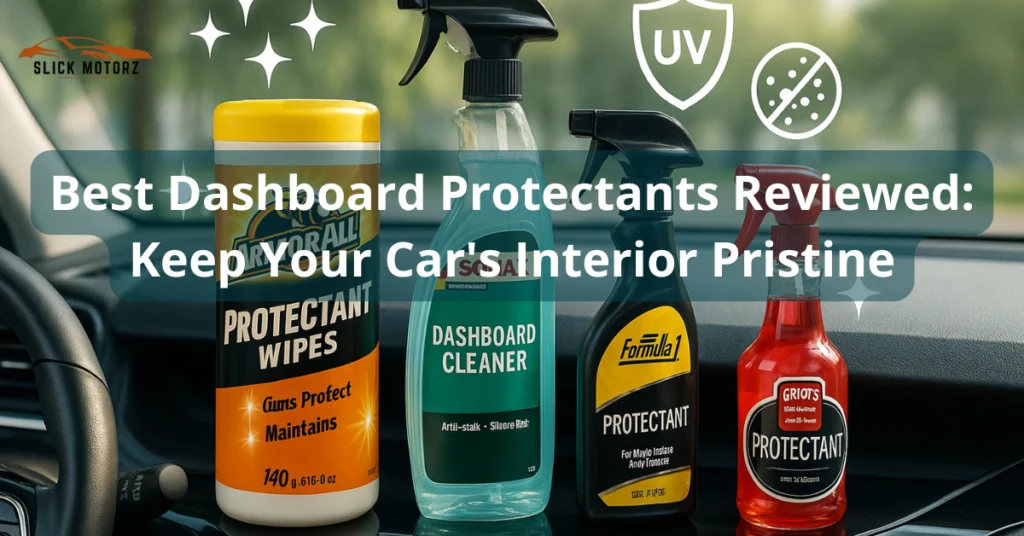
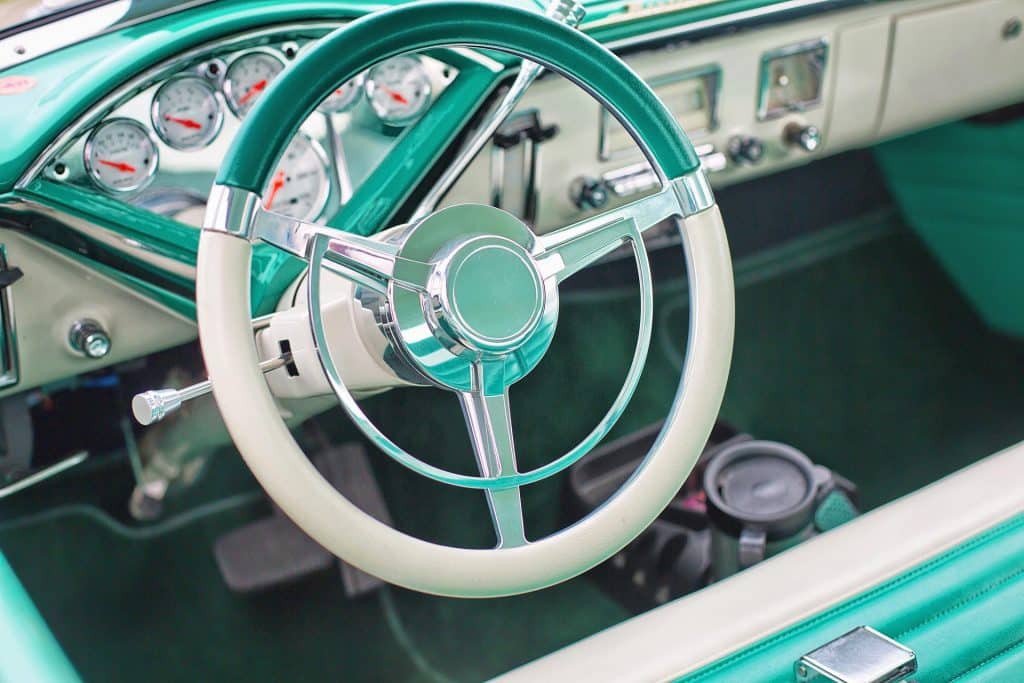
Dust and grime build up on dashboards and panels quickly. Use a microfiber cloth for dusting and a mild cleaner for deeper dirt. Avoid sprays that leave a shiny residue, which attracts more dust. Pay attention to buttons and vents, cleaning with soft brushes or cotton swabs. This keeps the interior looking fresh and original.
Removing Odors
Old cars often have strong, musty smells. Start by airing out the car with windows open. Sprinkle baking soda on carpets and seats, then vacuum after a few hours. Use odor neutralizers made for cars, not just air fresheners. Check for mold or moisture, which cause persistent odors. Keeping the interior dry helps prevent bad smells.
Engine Bay Detailing
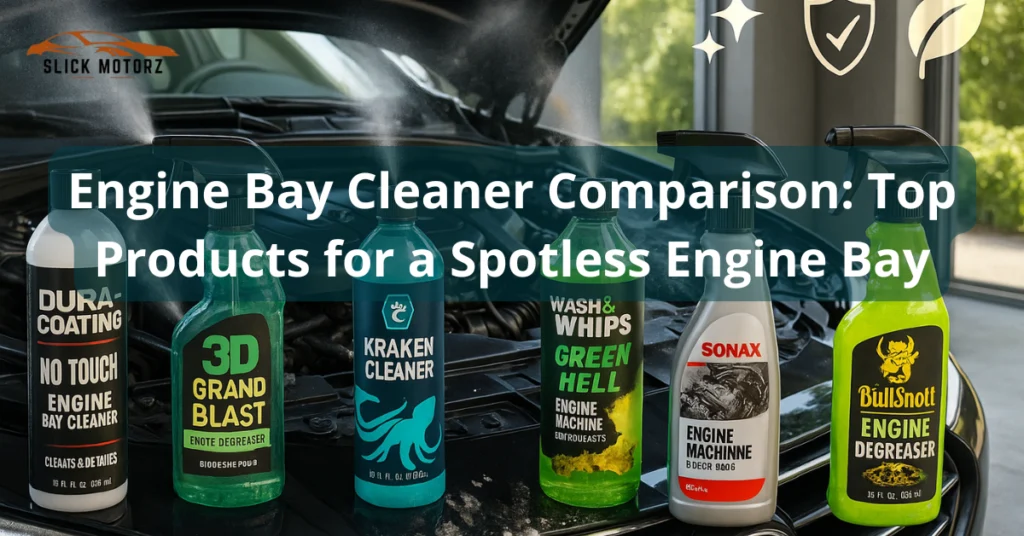
Engine bay detailing brings a fresh look to classic cars. It cleans hard-to-reach areas under the hood. This process removes dirt, grease, and grime, improving the engine’s appearance and function. A clean engine bay also helps spot leaks or worn parts early. Proper care keeps your classic car running smoothly and looking sharp.
Safety Precautions
Always disconnect the battery before starting. Cover sensitive parts like the air intake and distributor. Use gloves to protect your skin from chemicals. Work in a well-ventilated area to avoid inhaling fumes. Avoid spraying water directly on electrical components. Take your time and check for hazards before cleaning.
Cleaning Methods
Start by removing loose dirt with a brush or compressed air. Use a gentle degreaser designed for engines. Apply the cleaner carefully and let it sit for a few minutes. Rinse with low-pressure water or a damp cloth. For stubborn grime, use a soft brush to scrub gently. Dry the engine bay with a microfiber towel or compressed air.
Protecting Components
Apply a protectant to rubber hoses and plastic parts to prevent cracking. Use a silicone-based spray for metal surfaces to stop rust. Avoid oily products that attract dust and dirt. Check all caps and covers are secure before finishing. Regular protection keeps the engine bay looking new longer.
Maintaining Detailing Results
Maintaining the results of classic car detailing ensures your vehicle stays in top condition. Proper care protects the shine, paint, and interior from daily wear. Simple habits keep your classic car looking fresh and well-preserved. Follow easy steps to extend the life of your detailing work.
Regular Washing
Wash your car often using gentle, pH-balanced soap. Avoid harsh chemicals that can damage paint or trim. Use soft cloths or sponges to prevent scratches. Rinse thoroughly to remove dirt and grime. Regular washing stops buildup that dulls the finish.
Periodic Polishing
Polish your car every few months to restore its shine. Use a quality polish designed for classic car paint. Polishing removes light scratches and oxidation. Apply polish with a soft applicator, then buff with a microfiber cloth. This step refreshes the surface and enhances depth.
Storage Recommendations
Store your classic car in a cool, dry place away from sunlight. Use a breathable car cover to protect from dust and moisture. Avoid parking under trees where sap and bird droppings can fall. Proper storage prevents fading, rust, and interior damage. Check on your car regularly to keep it in great shape.
Choosing Professional Detailers
Choosing professional detailers for your classic car is crucial. These experts know how to treat vintage vehicles with care. Their skills help maintain your car’s beauty and value. Picking the right detailer means your classic car gets the best treatment possible.
Professional detailers use special tools and products suited for older cars. They understand the delicate surfaces and materials in classics. This knowledge avoids damage and enhances your car’s look.
Evaluating Experience
Experience matters a lot in classic car detailing. Check how long the detailer has worked with vintage cars. Ask for examples of past work or photos. Skilled detailers recognize unique needs of classic vehicles. They handle paint, chrome, and interiors with precision. Experience ensures your car receives expert care.
Service Options
Detailing services vary widely. Look for detailers offering tailored packages for classic cars. Services may include paint correction, engine bay cleaning, and leather conditioning. Some detailers provide mobile service for convenience. Choose those who use gentle, high-quality products. Custom options protect your car’s original features.
Cost Considerations
Price is important but should not be the only factor. Compare rates among local professional detailers. Higher costs often reflect better materials and expertise. Avoid very cheap services that might damage your car. Balance cost with quality to ensure good value. Investing in quality detailing preserves your car long-term.
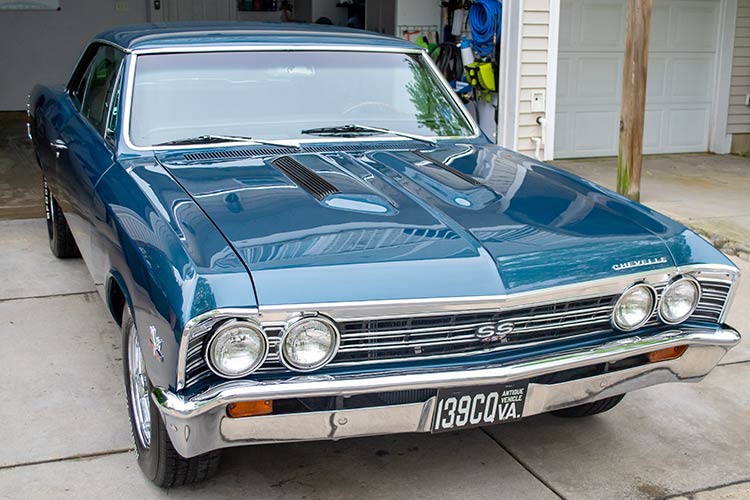
Credit: trdetail.com
Diy Vs Professional Detailing
Choosing between DIY and professional detailing for your classic car affects its look and value. Both options have unique benefits and challenges. Understanding these differences helps you decide the best care for your vehicle.
Pros And Cons
DIY detailing saves money and allows full control over the process. You can work at your own pace. It also offers a sense of pride in caring for your car yourself. Yet, it requires knowledge and the right tools. Mistakes can cause damage or reduce the car’s value.
Professional detailing guarantees expert care and high-quality products. Detailers know how to handle delicate surfaces and hard-to-reach spots. They also save you time and effort. However, this service costs more and requires scheduling. Quality can vary by provider.
Time And Effort
DIY detailing demands significant time and physical work. Washing, polishing, waxing, and cleaning interiors take hours. You must also learn proper techniques to avoid damage. This process repeats regularly to keep the car looking its best.
Professional detailers complete the job faster and more efficiently. They have specialized tools and experience. This reduces the effort you need to spend. You can relax while your car receives expert care. Scheduling appointments may require planning ahead.
Quality Of Results
DIY results depend on your skill and products used. With practice, you can achieve good results. However, it may be hard to reach the showroom shine. Some stains or scratches may remain untreated.
Professional detailers deliver consistent, high-quality finishes. They use advanced equipment and techniques. They can restore paint and clean interiors deeply. This level of detail often exceeds DIY efforts. Your classic car will look well cared for and preserved.
Common Mistakes To Avoid
Detailing a classic car requires care and attention. Many enthusiasts make mistakes that harm their vehicle’s beauty. Avoiding common errors saves time and keeps the car looking great. These mistakes often damage paint, trim, and interiors.
Using Harsh Chemicals
Strong chemicals can strip paint and damage finishes. Some cleaners are too abrasive for classic car surfaces. Always choose gentle, pH-balanced products made for vintage cars. Test any new product on a small area first. Avoid bleach, ammonia, or acids that cause fading and corrosion.
Skipping Prep Steps
Skipping washing or drying properly causes swirl marks and scratches. Dirt and debris can grind into the paint during polishing. Clean the car thoroughly before applying wax or polish. Use soft microfiber towels and avoid circular motions. Proper prep ensures better results and protects the finish.
Neglecting Regular Care
Classic cars need frequent care to stay in top shape. Leaving dust, grime, or moisture on the car leads to rust and damage. Schedule regular washes, waxes, and interior cleaning. Store the car in a dry, covered place. Consistent care preserves value and appearance over time.
Frequently Asked Questions
How Much Should I Tip For A $200 Car Detail?
Tip 15-20% of the $200 car detail, so $30 to $40. Increase tip for exceptional service.
What Is The 30-60-90 Rule For Cars?
The 30-60-90 rule for cars guides maintenance at 30,000, 60,000, and 90,000 miles. It prevents breakdowns and boosts performance.
Is It Worth Detailing An Old Car?
Detailing an old car restores its appearance, protects surfaces, and can increase resale value. It’s worth the investment for better looks and preservation.
How Much Is It To Professionally Detail Your Car?
Professional car detailing typically costs between $150 and $300, depending on vehicle size and service level. Prices vary by location and detailer expertise.
Conclusion
Classic car detailing keeps your vintage vehicle looking its best. Regular care protects paint, chrome, and interiors from wear. It also helps preserve the car’s value over time. Simple steps like cleaning, polishing, and waxing make a big difference. Detailed attention brings out the unique charm of classic cars.
Trusting a skilled detailer ensures careful handling and quality results. Enjoy driving a car that feels fresh and cared for. Classic car detailing is more than cleaning—it’s about preserving history.