You’ve just finished washing your car, and now the clock is ticking. You want your ride to look spotless, but waiting for it to air dry isn’t an option—especially when water spots and streaks can ruin all your hard work.
What if there was a way to dry your car faster and get that flawless finish every time? You’ll discover simple, effective techniques that cut down drying time and keep your car gleaming without any hassle. Ready to save time and protect your paint?
Keep reading to learn the fastest way to dry your car like a pro.

Credit: blocardryer.com
Tools For Fast Drying
Drying your car quickly saves time and prevents water spots. Using the right tools makes the process faster and easier. Here are some of the best tools to dry your car efficiently.
Microfiber Towels
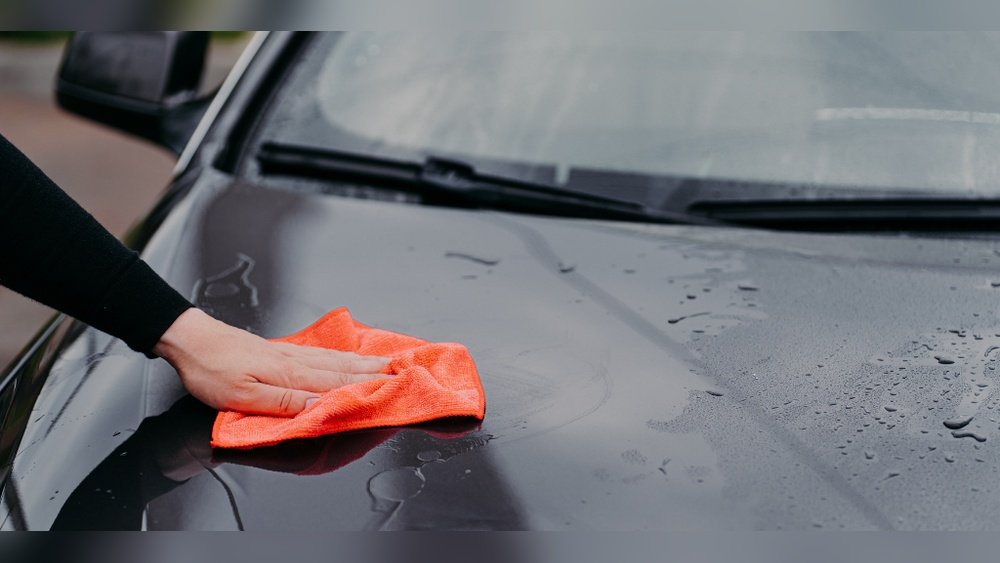
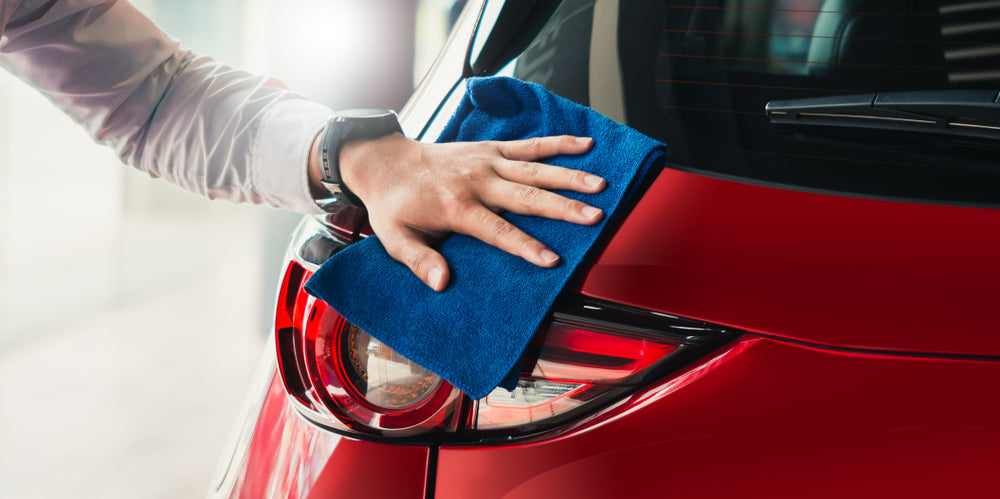
Microfiber towels absorb water fast without scratching the paint. They are soft and gentle on your car’s surface. Use a clean, dry towel to blot and wipe water away. Multiple towels help cover the whole car quickly.
Woolly Mammoth Drying Towels
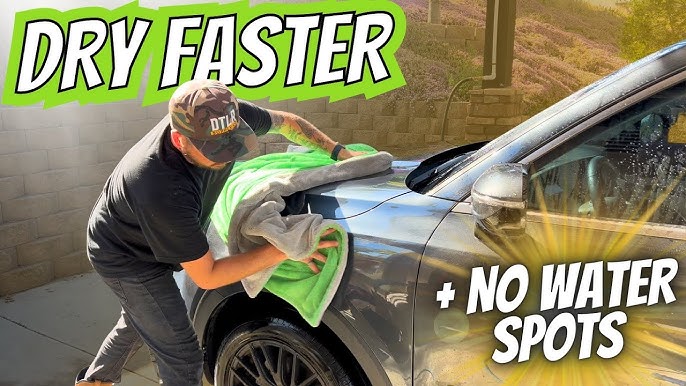
Woolly Mammoth towels are thick and highly absorbent. Their plush fibers hold more water than regular towels. They reduce drying time and leave a streak-free finish. Great for large vehicles and quick drying jobs.
Blowers And Air Blasters
Blowers push water out of tight spots like mirrors and grills. They use air pressure to remove water without touching the paint. This tool prevents scratches and reaches hard areas easily. Ideal for a thorough and fast dry.
Wet/dry Vacuums
Wet/dry vacuums suck up water inside the car quickly. Use them to remove water from carpets and seats. They help prevent moisture buildup and mold growth. These vacuums are handy after rain or spills inside your car.
Drying Techniques
Drying your car quickly protects its paint and prevents water spots. Choosing the right drying technique helps speed up the process. Some methods work better on different parts of your car. Using the right tools and approach saves time and effort.
Towel Drying Methods
Use a clean microfiber towel for best results. Gently pat the surface instead of rubbing. This reduces scratches and removes water effectively. Large towels cover more area quickly. Change towels if they become too wet to avoid streaks.
Using A Leaf Blower Or Compressed Air
Leaf blowers push water off without touching the paint. Compressed air works well for hard-to-reach spots. Both methods reduce towel contact and lower scratch risk. Direct the air along curves and crevices to remove water fast.
Spot Drying For Tight Areas
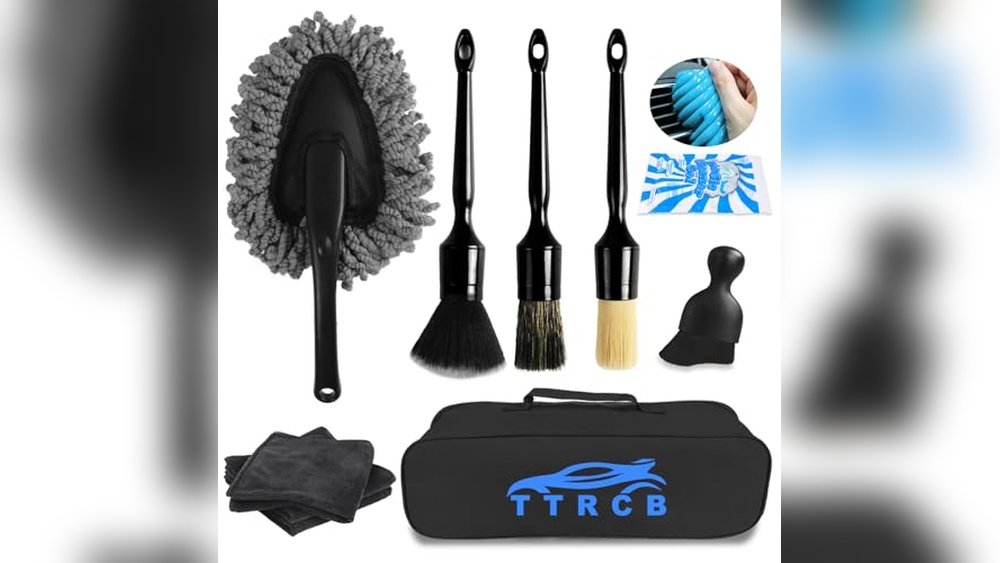
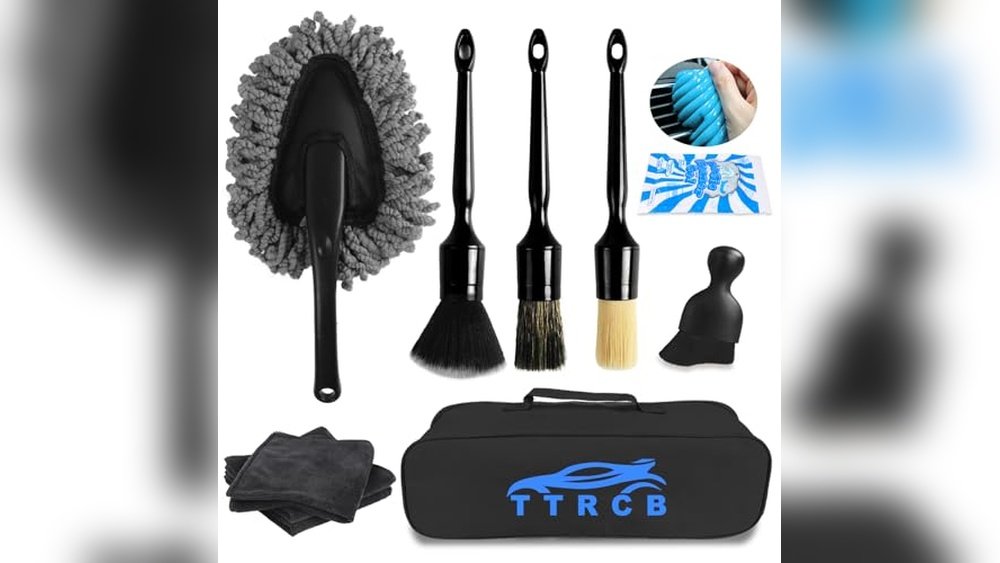
Use small microfiber towels or detailing brushes for corners and seams. These tools reach areas where large towels cannot. Focus on mirrors, door handles, and badges. Spot drying prevents water from pooling and leaving marks.
Driving To Speed Dry
Driving your car at low speeds helps shake off water. Airflow dries the surface quickly while avoiding new dirt. Choose a smooth, safe road for this method. Finish with a towel to catch any remaining moisture.
Preventing Water Spots
Water spots form when water droplets dry on your car’s surface, leaving mineral deposits. These spots can damage your paint and make your car look dirty. Preventing water spots is important for a quick and clean dry. Simple steps help keep your car spotless and shiny after washing.
Avoiding Direct Sunlight
Sunlight heats the car’s surface fast. This causes water to dry quickly, leaving spots behind. Wash and dry your car in the shade or early morning. This slows drying and stops water spots from forming. Avoid parking under the sun during drying.
Using Quick Detailers
Quick detailers help remove water and add shine. Spray them on wet or damp surfaces. Wipe with a clean microfiber towel. They break water’s surface tension and reduce spotting. Quick detailers also protect paint from minerals in water.
Proper Towel Maintenance
Use clean, soft microfiber towels for drying. Dirty towels can scratch the paint and trap dirt. Wash towels after each use without fabric softener. Store them in a dry place to avoid mildew. Replace old towels to ensure safe drying.
Drying Black And Dark-colored Cars
Drying black and dark-colored cars needs extra care. These colors show water spots and streaks easily. Quick drying helps keep the paint looking smooth and shiny. Using the right tools and methods protects the deep color and finish.
Choosing The Right Towels
Use soft microfiber towels for drying. They absorb water well and avoid scratches. Pick towels with a tight weave and high GSM (grams per square meter). Avoid rough or cheap cloths. Have several towels ready to switch when one gets too wet.
Avoiding Streaks
Dry in straight lines, not circles. This reduces streaks on the paint. Start from the top and work down. Dab gently rather than rubbing hard. Change towels often to keep them clean and dry. Streaks show easily on dark paint, so stay careful.
Best Practices For Sensitive Paint
Dark paint is more prone to swirl marks and scratches. Use a clean, soft towel every time. Avoid drying in direct sunlight to prevent spots. Use a quick detailer spray to help water slide off. Take your time and be gentle to keep the paint flawless.
Environmental Factors
Environmental factors play a key role in drying your car quickly. The right weather and surroundings speed up the drying process. Understanding these factors helps you choose the best place and time to dry your vehicle. It can prevent water spots and streaks. Let’s explore how weather, shade, humidity, and airflow affect drying.
Ideal Weather Conditions
Sunny days with mild temperatures are best for drying cars fast. Strong sunlight helps water evaporate quickly. Avoid very hot days because water can dry too fast and leave spots. Calm wind conditions reduce dust and dirt sticking to your car. Light breezes help remove moisture without blowing debris. Early mornings or late afternoons offer gentle sunlight and cooler air.
Using Shade And Garages
Shade slows down drying but protects your car from direct sunlight. This prevents water spots and streaks caused by fast drying. A covered garage provides a controlled environment. It blocks harsh sun and wind, giving you more time to dry carefully. Park your car under trees or awnings if no garage is available. Avoid drying in open areas with strong winds or dust.
Humidity And Airflow Considerations
Low humidity helps water evaporate faster from your car’s surface. High humidity slows drying and can cause water spots. Good airflow improves drying by moving moist air away from the car. Use fans or open windows in garages to increase air circulation. Avoid drying your car in still, humid conditions to save time and prevent marks.
Credit: www.youtube.com
Additional Tips
Drying your car quickly involves more than just wiping the surface. The interior often holds moisture that can cause odors and damage. Use extra methods to remove this moisture fast and keep your car fresh. These tips help speed up the drying process inside and out.
Using Ac To Dehumidify Interior
Turn on your car’s air conditioning to remove moisture inside. Set it to the coldest setting with the fan on high. This helps pull moisture from the air and surfaces inside the car. Run the AC for 10 to 15 minutes with windows closed for best results.
Fans For Interior Moisture Removal
Use portable fans to circulate air inside your car. Place them to blow air across seats and carpets. This speeds up evaporation of trapped water. Leave fans running for a few hours or overnight if possible. It helps keep the interior dry and prevents mildew.
Absorbing Moisture With Baking Soda
Sprinkle baking soda on damp carpets and seats to soak up moisture. Let it sit for several hours or overnight. Then vacuum it all up. Baking soda absorbs water and reduces odors. It’s an easy and cheap way to keep your car dry and smelling fresh.
Credit: cleantools.net
Frequently Asked Questions
How To Dry A Car Quickly?
Use a microfiber drying towel to absorb water quickly. Start from the top, working downward. For faster results, use a car dryer or leaf blower to remove excess water before towel drying. Avoid air drying to prevent water spots.
How To Get Moisture Out Of A Car Quickly?
Open car doors and use towels to soak water from seats and panels. Run fans inside overnight to dry. Use a wet/dry vacuum first for faster moisture removal. Sprinkle baking soda to absorb leftover dampness. This method quickly removes moisture from a car’s interior.
Is Heat Or Ac Better To Dry A Car?
Using AC is better to dry a car. It removes moisture by dehumidifying the air, unlike heat alone.
How Long Does It Take For A Wet Car To Dry?
A wet car typically dries in 1 to 3 hours under direct sunlight and warm conditions. Using towels or air dryers speeds drying.
Conclusion
Drying your car quickly saves time and prevents water spots. Use a soft microfiber towel for best results. Start from the top and work downward. A drying towel or blower helps reach tight spots. Avoid air drying to reduce streaks and spots.
Regular drying keeps your car’s paint healthy. Follow these simple steps for a spotless finish. Your car will look clean and shiny every time. Keep your drying tools clean for better performance. Drying your car fast is easy with the right method.