Getting your car ready for a road trip can make all the difference between a smooth adventure and unexpected headaches on the road. You want to enjoy the ride, not worry about breakdowns or car troubles miles away from home.
That’s why knowing exactly how to prepare your car for a road trip is crucial. In this guide, you’ll discover simple, effective steps to check your vehicle’s health, pack smart, and boost safety—all designed to keep you moving forward with confidence.
Ready to hit the road worry-free? Let’s dive into the must-do car prep tips that will save you time, money, and stress on your next journey.
Credit: www.cen.com.mx
Pre-trip Car Inspection
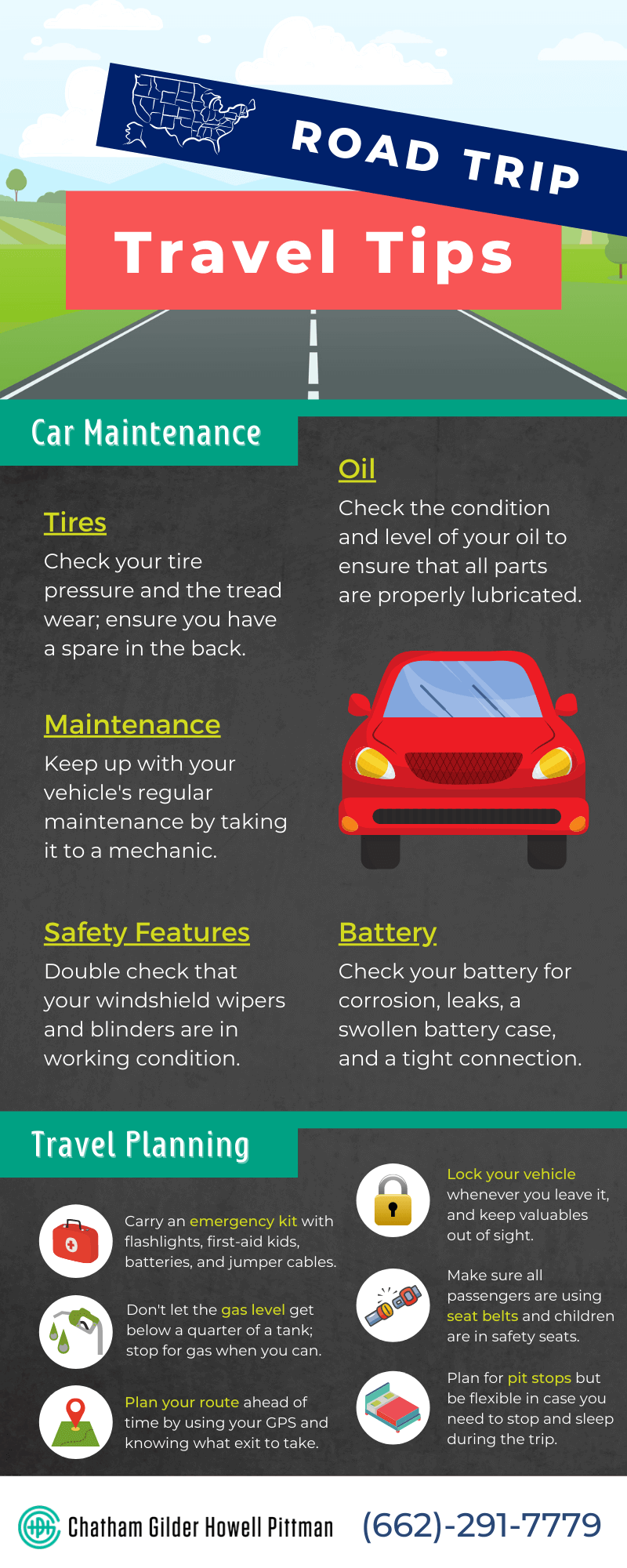
Checking and maintaining fluid levels is vital before any road trip. Fluids keep your car parts moving smoothly and prevent damage. Low or dirty fluids can cause breakdowns and costly repairs. Take time to inspect and replace fluids as needed.
This simple step improves your car’s safety and performance. It also helps avoid unexpected stops during your journey. Focus on key fluids like oil, coolant, brake fluid, transmission, and power steering fluid.
Oil Change And Filters
Fresh oil keeps your engine running cool and clean. Change the oil if it is dark or low. Replace the oil filter at the same time. A clean filter stops dirt from entering the engine. Also, check the air and cabin filters. Clean filters improve air flow and fuel efficiency.
Coolant And Brake Fluid
Coolant stops your engine from overheating on long drives. Check the coolant level and top it off if low. Replace old coolant to prevent corrosion inside the engine. Brake fluid ensures your brakes work well and respond fast. Low or dirty brake fluid can cause brake failure. Flush and replace brake fluid if it looks dark or dirty.
Transmission And Power Steering
Transmission fluid helps gears shift smoothly. Check the fluid level and condition regularly. Replace old transmission fluid to avoid gear slipping or damage. Power steering fluid makes steering easier and safer. Low fluid can cause stiff steering or damage the pump. Keep the fluid at the correct level and replace it if dirty.

Credit: kunesgmcbeloit.com
Fluid Levels And Replacements
Battery and electrical systems are crucial for a smooth road trip. A weak battery or faulty electrical parts can cause unexpected troubles. Checking these systems ensures your car starts easily and all electrical features work well. This helps avoid delays and unsafe situations during your journey.
Test Battery Health
Start by testing your car battery’s health. Use a multimeter or visit a mechanic for a battery test. Check the battery terminals for corrosion or loose connections. Clean any dirt or corrosion with a baking soda solution. Secure the terminals tightly to ensure a good connection. Replace the battery if it shows signs of weakness or is over three years old.
Check Lights And Signals
All lights must work perfectly before any trip. Test headlights, brake lights, turn signals, and hazard lights. Ask someone to help or use reflective surfaces to see if the lights turn on. Replace any burnt-out bulbs immediately. Proper lighting keeps you visible and safe on the road, especially at night or in bad weather.
Inspect Wipers And Washer Fluid
Clear visibility is vital for safe driving. Check your windshield wipers for cracks or stiffness. Replace worn wipers to avoid streaking or smearing. Fill the washer fluid reservoir with an appropriate cleaning solution. Test the washers to confirm they spray properly. Well-maintained wipers and washer fluid keep your windshield clean in rain or dust.
Battery And Electrical Systems
Preparing your car with emergency and safety gear is essential for a smooth road trip. This gear helps you handle unexpected problems quickly. It also keeps you safe on the road. Carrying the right tools and supplies reduces stress and prevents delays.
Check your emergency items before every trip. Make sure everything works and is easy to reach. Pack only what you need to avoid clutter. A well-prepared car boosts your confidence and safety during long drives.
Pack First Aid Kit
A first aid kit is a must-have for every road trip. It treats minor injuries fast. Include bandages, antiseptic wipes, pain relievers, and allergy medicine. Keep the kit in an easy-to-access spot in your car. Regularly check and replace expired items.
Include Jumper Cables
Dead batteries can stop your trip suddenly. Jumper cables help you start your car with another vehicle’s battery. Choose heavy-duty cables for reliable use. Learn how to use them safely before your trip. Store them in your trunk or glove box.
Carry Spare Tire And Tools
A flat tire can ruin your travel plans. Always carry a spare tire that fits your car. Include a jack and a lug wrench for changing the tire. Practice changing a tire at home to be ready. Check tire pressure and condition before leaving.
Emergency And Safety Gear
Preparing your car’s interior before a road trip makes the journey more enjoyable. Comfort inside the cabin helps reduce stress and fatigue. Small touches and organization can boost the overall travel experience. Focus on cleanliness, entertainment, and easy access to snacks and drinks.
Clean And Organize Cabin
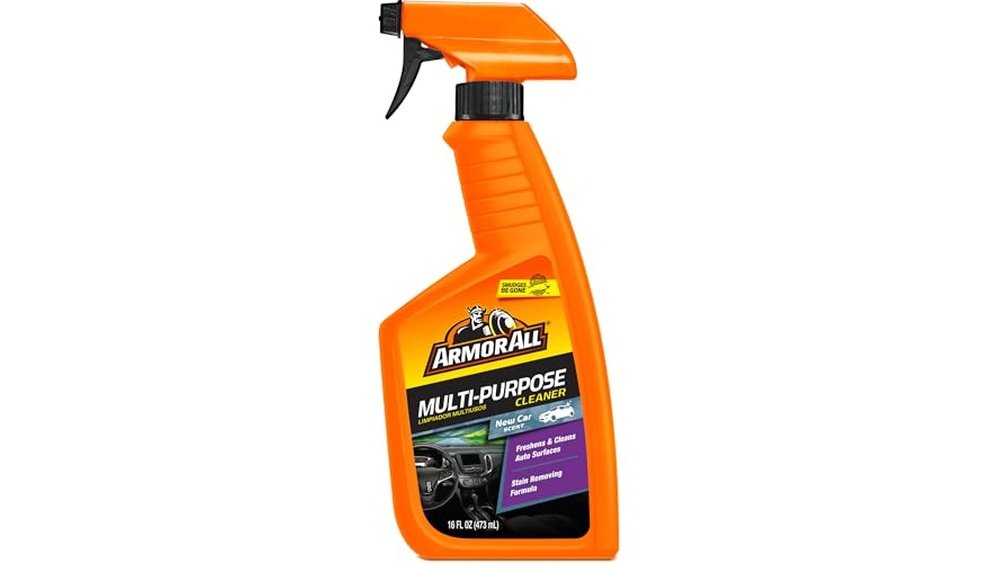
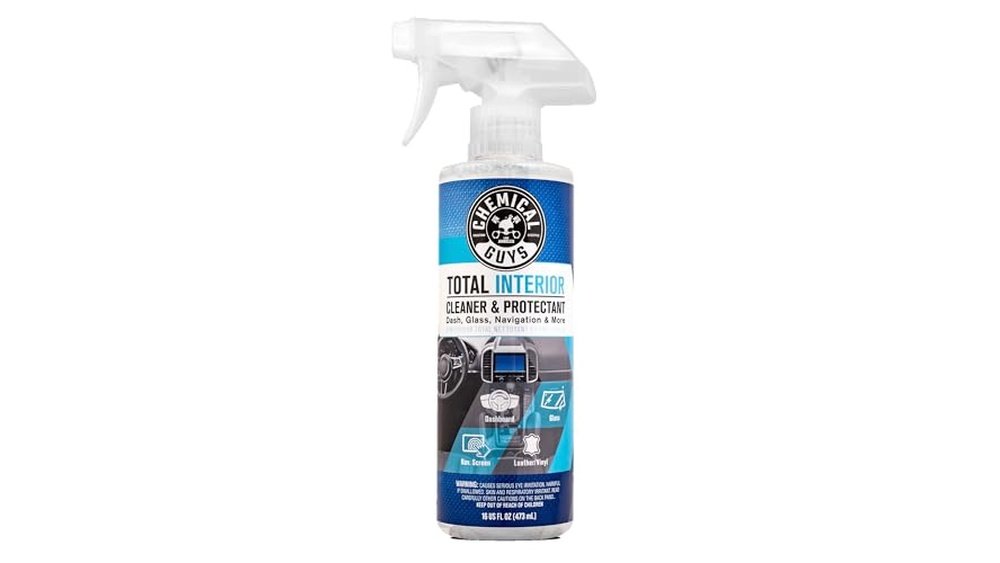
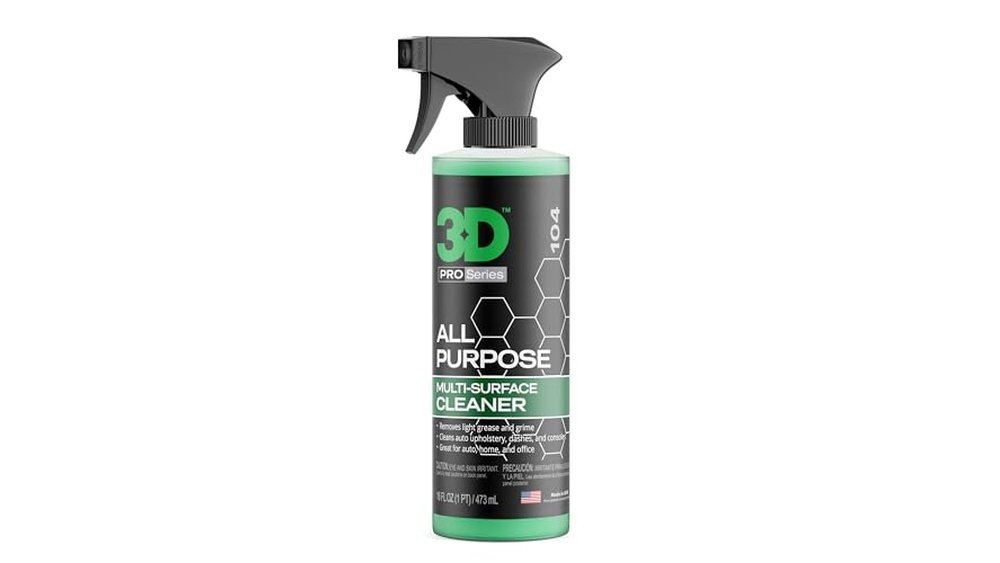
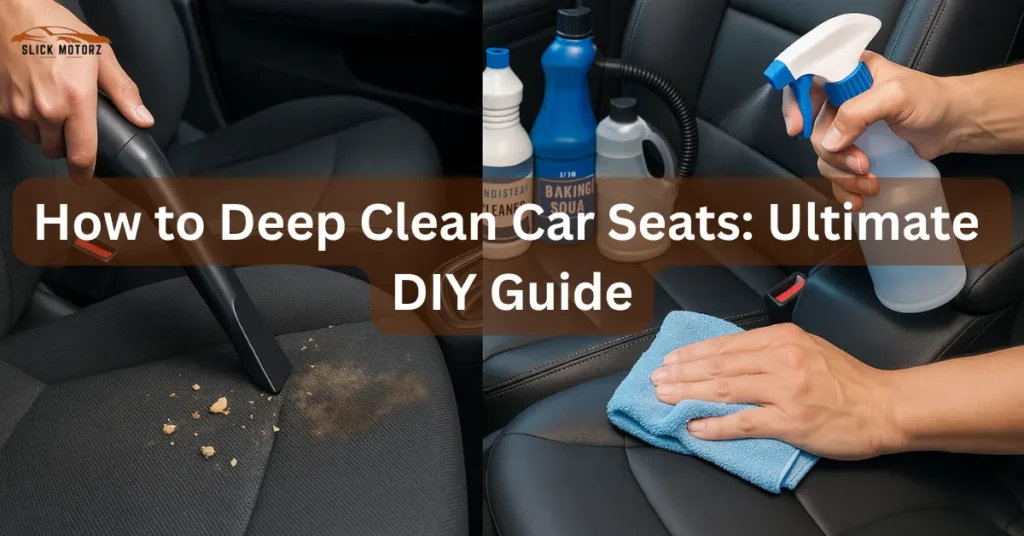
Start by removing trash and clutter from the cabin. Vacuum the seats and floors for a fresh feel. Wipe down the dashboard, steering wheel, and door panels. Organize essential items like maps, chargers, and sunglasses in easy-to-reach spots. A tidy cabin creates a relaxed and safe environment for all passengers.
Plan Entertainment Options
Prepare music playlists, podcasts, or audiobooks for the trip. Download entertainment before leaving to avoid connection issues. Bring headphones or portable speakers for personal listening. Consider games or activities for kids to keep them busy. Entertainment keeps everyone engaged and reduces boredom on long drives.
Prepare Snacks And Hydration
Pack a variety of healthy snacks like fruits, nuts, and granola bars. Include some treats for energy and comfort. Bring plenty of water to stay hydrated during the drive. Use insulated bags or coolers to keep food fresh. Easy-to-eat snacks and drinks help maintain energy and mood on the road.
Interior And Comfort Preparation
Preparing your car for a road trip involves more than just a quick check under the hood. Proper documentation and thoughtful planning are key steps that ensure a smooth journey. Keeping all important papers in order and planning your route carefully can save you time and stress on the road.
Verify Insurance And Registration
Check that your car insurance is current and covers road trips. Carry the insurance card and registration papers in the car. Make sure the registration has not expired. Keep digital copies on your phone as a backup. This helps avoid fines and legal issues during your trip.
Map Routes And Stops
Plan your driving route before you leave. Use apps or a physical map to mark important stops. Identify rest areas, gas stations, and food options along the way. Knowing your path reduces the chance of getting lost. It also helps you manage your time better.
Schedule Rest And Fuel Breaks
Plan regular breaks to stay alert and refreshed. Schedule stops every two to three hours for rest. Use these breaks to stretch, eat, and refuel your car. This practice improves safety and keeps your trip comfortable. Avoid driving too long without a break.
Documentation And Planning
Preparing your car for long-term storage protects it during months of inactivity. Proper care helps avoid damage and costly repairs. Follow these key tips to keep your vehicle ready for your next road trip.
Maintain Battery Charge
Car batteries lose power when unused. Disconnect the battery or use a trickle charger. A trickle charger keeps the battery full without overcharging. Check the battery voltage every few weeks to ensure it holds charge. This prevents a dead battery when you return.
Use Fuel Stabilizers
Gasoline can break down and cause engine problems. Add fuel stabilizer to a full tank before storage. Run the engine for a few minutes to circulate the stabilizer. This keeps fuel fresh and protects engine parts from corrosion. Avoid starting your trip with stale fuel.
Protect Tires And Seals
Tires can develop flat spots from sitting in one place. Inflate tires to the recommended pressure. If possible, lift the car or move it occasionally. Protect rubber seals and weather stripping by applying silicone spray. This prevents cracks and drying out during storage.

Credit: adventuresinfamilyhood.com
Frequently Asked Questions
What Is The 3 3 3 Rule For Road Trips?
The 3 3 3 rule for road trips means stopping every 3 hours, drinking 3 ounces of water, and taking 3 deep breaths to stay alert and refreshed.
What Is The 30-60-90 Rule For Cars?
The 30-60-90 rule for cars guides maintenance at 30,000, 60, and 90,000 miles. It prevents breakdowns and extends vehicle life. Regular checks include oil changes, brake inspections, fluid replacements, and belt assessments to keep cars safe and efficient.
How To Prepare For A 12 Hour Car Ride?
Check tire pressure and fluid levels, pack snacks and water, plan rest breaks, bring entertainment, and ensure your car is serviced.
How Long Can A Vehicle Sit Without Being Driven?
A vehicle can sit without driving for about two weeks to a month safely. Beyond this, batteries may drain, tires can lose pressure, and fluids might degrade. Regularly starting and moving the car prevents damage and maintains performance.
Conclusion
Preparing your car well makes your road trip safer and more enjoyable. Check tires, fluids, brakes, and lights before you start. Pack only what you truly need to avoid extra weight. Keep emergency tools and a first-aid kit within reach.
A well-maintained car saves time and money on the road. Taking simple steps now helps prevent breakdowns later. Enjoy the journey with peace of mind and confidence. Safe travels!