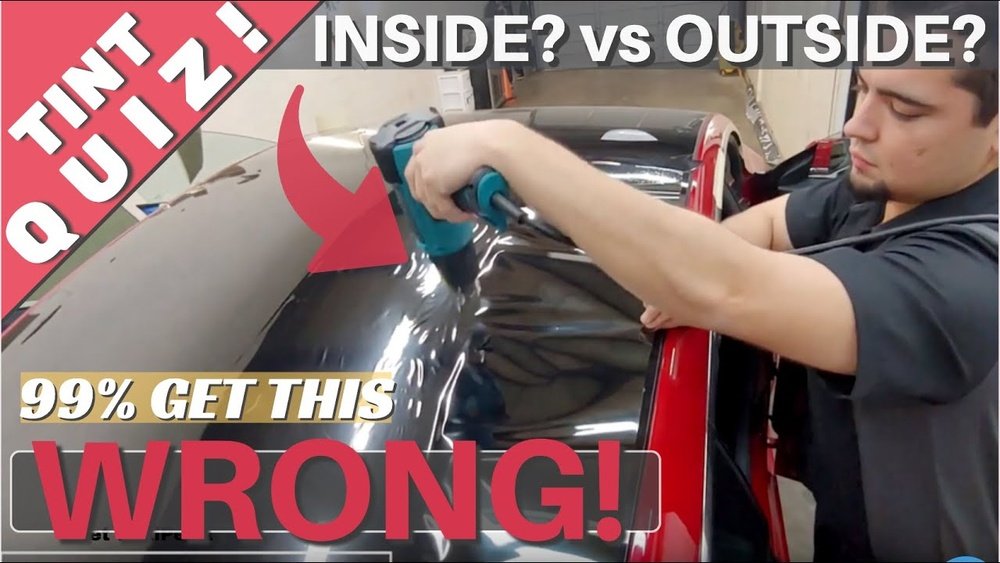
When it comes to window tinting, one question pops up more often than you might think: Do window tints go on the inside or outside of your car’s windows? You want your tint to look great, last long, and protect your vehicle effectively.
But where exactly should the tint film be applied to achieve all this? The answer might surprise you and could save you from costly mistakes or a tint job that fades too soon. You’ll discover why most professionals install window tints on the inside, how this method protects your investment, and what happens during the installation process.
Keep reading to find out the best way to tint your windows and ensure your ride stays cool and stylish for years to come.

Credit: www.youtube.com
Window Tint Placement
Window tint placement plays a key role in its performance and lifespan. Choosing the correct side ensures better protection and durability. Most window tints are applied inside the glass, but some situations call for outside application. Understanding these options helps you make the right choice for your vehicle or building.
Inside Application Benefits
Applying window tint on the inside of glass offers many advantages. It protects the tint from weather, dust, and scratches. This placement keeps the film safe from rain, wind, and road debris. Inside application also prevents fading caused by sunlight exposure. The tint lasts longer and stays clearer. Cleaning the glass is easier without damaging the tint. Overall, inside placement provides better durability and protection.
Outside Application Scenarios
Sometimes, tint must be applied outside the glass. This happens when the glass cannot be reached from inside. Older car windows or certain buildings may require outside tinting. Exterior tint films are made with tougher materials to withstand weather. They resist rain, heat, and dirt better than standard films. Outside tint may reduce glare and heat effectively in some cases. However, it usually wears out faster than inside tints.
Factory Tinted Glass Differences
Factory tinted glass is different from aftermarket window tint films. The tint is built into the glass during manufacturing. It cannot be removed or replaced like a film. Factory tint offers uniform color and durability. It usually blocks heat and UV rays well. This type of glass does not peel or bubble. It requires no special care or installation. Factory tint is common in many new vehicles and buildings.
Installation Process
The installation process of window tint plays a key role in its effectiveness and durability. Knowing where and how to apply the tint ensures a smooth finish and long-lasting protection. Most window tints go on the inside of the glass. This method protects the film from weather and damage.
Below are the main steps in the installation process. Each step is important to get the best result and keep the tint looking great over time.
Preparing The Glass Surface
Start by cleaning the glass thoroughly. Use a good glass cleaner and a lint-free cloth. Remove all dirt, dust, and oils. Any small particles left can cause bubbles or imperfections. Clean edges well to help the tint stick properly. This step is crucial for a smooth, clear finish.
Cutting And Shaping The Film
Next, measure the window size carefully. Cut the tint film slightly larger than the glass. This allows room for trimming later. Use a sharp blade or scissors to make clean cuts. Shape the film to fit curves and corners precisely. Proper cutting ensures the film fits perfectly on the glass.
Applying The Tint On The Inside
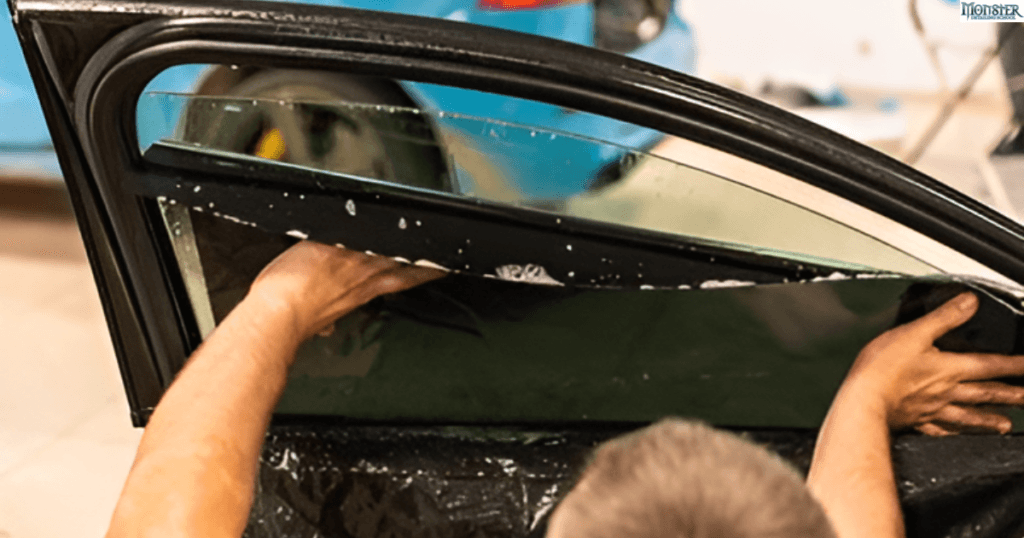
Spray the inside of the window with a soapy water solution. This helps position the film easily. Peel off the backing from the tint film carefully. Place the film on the wet glass surface. Use a squeegee to press out air bubbles and excess water. Work from the center toward the edges. Trim the excess film for a neat finish. Let the tint dry fully before rolling the window up or down.
Durability Factors
Durability plays a key role in deciding where window tints should be applied. The lifespan of the tint depends on how well it withstands daily wear and environmental factors. Proper placement can help the tint resist damage and maintain its appearance longer.
Protection From Elements
Applying window tint on the inside shields it from direct contact with dirt and debris. This reduces the risk of damage caused by external elements. Inside placement also prevents exposure to harsh sunlight and rain, which can degrade the tint over time.
Avoiding Peeling And Scratches
Inside tint installation minimizes peeling and scratching risks. The film stays safe from physical contact like car washes, road debris, and accidental scrapes. This ensures the tint remains smooth and clear without bubbling or lifting edges.
Impact Of Weather Conditions
Weather greatly affects tint durability. Outside tint faces temperature swings, rain, and UV rays directly, which can shorten its life. Inside tint is less exposed to these harsh conditions, providing longer-lasting protection and color stability.
Credit: monsterdetailing.com
Performance Considerations
Performance matters most when choosing where to apply window tint. The placement affects how well the tint works and how long it lasts. Understanding these factors helps decide whether the tint should go inside or outside the window glass.
Heat Reduction And Glare Control
Tints block sunlight to reduce heat inside vehicles or buildings. Installing tint on the inside keeps it shielded from weather damage. This protection helps maintain consistent heat reduction over time. Glare from the sun also drops significantly with interior tinting. Outside tint can wear out quickly, making heat and glare control less effective.
Longevity Of Tint Films
Window tints last longer when applied inside the glass. The interior position protects the film from rain, dust, and scratches. Outside tints face constant exposure to the elements. This exposure can cause fading, bubbling, or peeling sooner. Interior tints maintain their look and performance for years. That means fewer replacements and less hassle.
Cost Implications
Applying tint inside usually costs less over time. Interior films need fewer repairs or replacements. Outside tint may seem cheaper at first but can lead to higher costs later. Damage from weather and debris increases maintenance expenses. Choosing interior tint helps avoid extra spending. It offers better value by lasting longer and working better.
Specialized Films
Specialized window tint films are made for specific installation spots. Each type serves a unique purpose and suits different needs. Choosing the right film depends on where it will go and what benefits you want from it.
Interior-specific Films
Interior window films are designed to stick on the inside of the glass. This protects the film from weather, dirt, and damage. It also helps the tint last longer. These films often have adhesive that bonds well with the smooth interior surface. They improve heat control and reduce glare inside the vehicle or building.
Exterior-specific Films
Exterior films go on the outside of the glass. They are built to resist rain, wind, and sun exposure. These films use tougher materials and coatings to handle harsh weather. They are common on buildings where heat reduction is a priority. Exterior films can also protect glass from scratches and breakage.
Choosing The Right Film
Choose interior films for durability and protection from outside elements. Pick exterior films for strong weather resistance and added glass protection. Consider your climate, window type, and goals for tinting. Match the film type to the installation side for best results. Proper choice ensures your tint works well and lasts long.

Credit: monsterdetailing.com
Common Questions
Many people wonder if window tints go on the inside or outside of windows. This question comes up often during tint installation. Understanding the right side for tint helps keep it durable and effective. Below are common questions about window tint placement.
How To Identify Film Sides
Window tint film has two sides: adhesive and protective. The adhesive side sticks to the glass. The protective side faces outward during installation. You can tell the sides apart by peeling a small corner. The sticky side feels tacky, while the other side is smooth. Correct placement ensures the film stays strong and clear.
Dealing With Film Slippage
Film slippage happens when the tint shifts after installation. It usually occurs if the adhesive side is not properly applied. Installing the tint on the inside of the glass reduces this risk. The inside placement protects the film from weather and damage. Proper cleaning of glass before tinting also prevents slippage.
Why Some Installers Tint Outside
Some installers tint the outside for specific reasons. They may want faster heat rejection or easier access. However, outside tinting exposes the film to dirt and weather damage. This reduces the lifespan of the tint. Inside tinting remains the industry standard for durability and protection.
Frequently Asked Questions
Do You Install Window Tint On The Inside Or Outside?
Window tint installs on the inside of vehicle windows for better protection and durability. Technicians cut the film outside, then apply it inside to shield it from damage. This method extends the tint’s lifespan and maintains its effectiveness against heat and glare.
Where To Put Tint Inside Or Outside?
Apply window tint on the inside of the glass to protect it from damage and ensure durability. Technicians cut the film outside but install it inside.
Is It Better To Tint Windows Interior Or Exterior?
Window tint is best applied on the interior side of windows. Interior tint protects film from weather, dirt, and scratches, ensuring longer durability. Exterior tint may reduce heat better but fades faster. Most professionals cut film on the outside, then install it inside for optimal protection and lifespan.
What Side Of The Window Does Tint Go On?
Window tint is applied on the inside of the window glass. This protects the film from damage and extends its lifespan. Technicians cut and fit the tint from the outside but install it inside for durability and better protection against elements.
Conclusion
Window tints usually go on the inside of the glass. This placement protects the film from weather and damage. It keeps the tint lasting longer and looking better. Some special tints can go outside, but inside is most common. Proper installation ensures your windows stay cool and glare-free.
Choosing the right side matters for durability and performance. Always follow professional advice for best results. This way, your tint will work well and last.