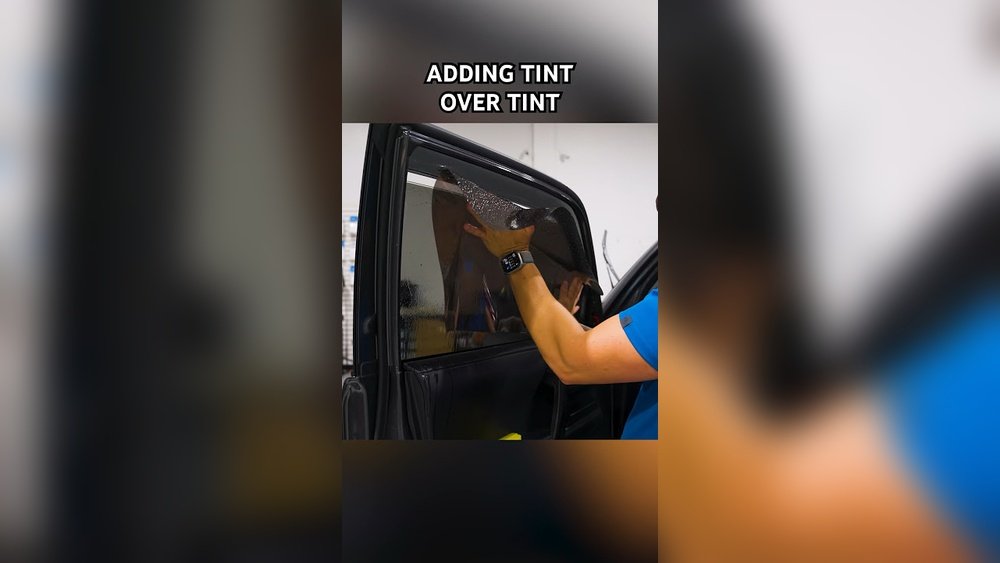
Are you thinking about putting tint over your existing window tint? It sounds simple, but there’s more to it than just layering one film on top of another.
You might wonder if it will make your windows darker or if it could damage the tint underneath. Maybe you want to save time or money by skipping the removal step. Before you take that step, you need to know how tint over tint affects your car’s look, durability, and even the law.
Keep reading, and you’ll discover the key facts, risks, and smart tips to help you decide if tinting over tint is right for you. Don’t risk your windows or your wallet—let’s dive into what really happens when you put tint over tint.
Credit: www.superiorwindowsolutions.com
Tint Layering Basics
Understanding the basics of tint layering helps answer the question: Can you put tint over tint? Tint layering means applying a new tint film over an existing one. This process changes how light passes through your windows. It can affect the look and performance of your vehicle’s glass.
Knowing how tint layers work and the types of window tint available makes tint layering clearer. Each tint type reacts differently when layered. This knowledge helps avoid mistakes and ensures better results.
How Tint Layers Work
Tint layers stack on top of each other, creating multiple films on the glass. Each layer adds thickness and darkness. More layers usually mean less light passes through the window. The glue in the tint can lose strength with extra layers. This may cause bubbling or peeling over time.
Stacking tint films also changes heat and UV protection. Some layers block more heat and UV rays than others. But too many layers can cause a cloudy or uneven look. Proper installation is key to avoid damage and maintain clear vision.
Types Of Window Tint
There are several types of window tint. Dyed tint uses a layer of dye to reduce light. It is affordable but less durable. Metalized tint contains tiny metal particles. It offers good heat rejection and strength. Ceramic tint uses ceramic particles for strong heat and UV protection. It is also non-metallic and clear.
Each type reacts differently when layered. Dyed tint over dyed tint can cause bubbling. Metalized layers may interfere with signals. Ceramic tint layers are less likely to have problems. Choosing the right tint type is important for layering success.
Benefits Of Tint Over Tint
Applying tint over an existing tint layer offers several benefits. It can improve the look and performance of your windows without removing the old film. This method provides a simple way to increase privacy and comfort. Many vehicle owners and homeowners choose tint over tint to boost window protection. The advantages include darker windows and better heat control.
Increased Darkness
Adding tint over tint makes windows darker than a single layer alone. This extra darkness can improve privacy and reduce glare. Darker windows also protect interiors from sun damage. The layered tint blocks more light, creating a cooler, more comfortable space inside.
Enhanced Heat Rejection
Layering tint improves heat rejection by blocking more infrared rays. This reduces the heat entering through the glass. Better heat rejection helps keep vehicles and rooms cooler. It lowers the need for air conditioning, saving energy and money. The combined films work together to reflect and absorb heat effectively.
Risks Of Layering Tint
Layering window tint by applying one film over another may seem like a quick fix. It can save time and cost at first glance. Yet, this practice carries several risks that can damage the tint’s look and function. Understanding these risks helps you make a better choice about tinting your windows.
Peeling And Bubbling Issues
Applying tint over existing tint often traps air and moisture. This causes bubbles to form under the film. The layers may start peeling at the edges. Peeling and bubbling ruin the smooth, dark finish you expect from tint.
These problems reduce visibility and create an unprofessional look. Over time, trapped moisture can cause the adhesive to fail. The tint can detach in spots, requiring a costly replacement.
Reduced Film Lifespan
Layering tint shortens the life of the window film. The adhesive on the first layer weakens faster. This happens because the new layer blocks proper bonding to the glass. The film ages unevenly and wears out sooner.
With double layers, the tint may fade or discolor quickly. This reduces heat rejection and UV protection. You end up replacing the tint more often than expected.
Warranty Concerns
Most tint manufacturers void warranties if you layer films. Installing a second tint layer is seen as improper use. The warranty no longer covers bubbling, peeling, or fading issues.
Without warranty protection, repair or replacement costs fall entirely on you. Professional installers may refuse to service layered tints. This adds to future expenses and hassle.
Legal Restrictions
Legal restrictions play a key role in deciding whether you can put tint over tint on vehicle windows. Laws vary widely by location and regulate the darkness and reflectiveness of window tints. These rules protect drivers, passengers, and law enforcement officers by ensuring clear visibility inside vehicles. Understanding the legal limits helps avoid fines and other penalties.
Local Tinting Laws
Each state or city has its own rules about window tinting. These laws often specify how dark the tint can be. Some places allow darker tints only on rear windows. Others require a minimum percentage of light to pass through the tint. Before adding a second layer of tint, check local laws carefully. Overlapping tints may reduce visibility below the legal limit.
Safety Regulations
Safety rules require drivers to see clearly through their windows. Tints that are too dark can block visibility in low light or bad weather. Police officers need to see inside vehicles during stops. Layering tint can increase glare and reduce vision. This can create hazards for drivers and others on the road. Following safety standards keeps everyone safer.
Penalties For Non-compliance
Breaking tint laws can bring fines and other consequences. Officers may issue citations if tint is too dark or reflective. Repeat offenses often lead to higher penalties. In some areas, vehicles with illegal tint may fail safety inspections. Some states require removing illegal tint to pass inspection. Avoid penalties by following the rules for window tinting.
Tips For Perfect Tint Layers
Applying tint over existing tint can be tricky. Proper layering ensures good looks and long-lasting results. Follow these tips to get perfect tint layers without problems. Careful preparation and the right choices make a big difference.
Inspecting Existing Tint
Check the current tint for damage or bubbling. Old tint must be smooth and firmly attached. Remove any dirt or residue from the glass. If the old tint peels or cracks, replace it first. A clean, even surface helps the new tint stick well.
Choosing Compatible Films
Select tint films designed for layering. Films with strong adhesives work best. Avoid mixing different brands or types of tint. Some films do not bond well together. Pick films with similar thickness and color for a neat look.
Professional Installation
Expert installers know how to layer tint properly. They avoid air bubbles and wrinkles. Professionals use tools that improve adhesion and finish. Installation in a dust-free space is important. Skilled work extends the tint’s life and appearance.
Factory Tint And Aftermarket Film
Factory tint and aftermarket film are two common types of window tinting. Factory tint comes pre-applied on car windows from the manufacturer. Aftermarket film is a thin sheet applied later to darken or protect windows. Both types serve similar purposes but have key differences. Understanding these differences helps decide if you can safely add tint over existing tint.
Difference Between Factory And Film Tint
Factory tint is built into the glass during production. It usually has a light shading and cannot be removed. Aftermarket film is a separate layer attached with adhesive. It offers more options for darkness and style. Factory tint blocks some heat and UV rays but less than aftermarket film. Aftermarket film provides stronger protection and can be customized.
Factory tint is permanent and uniform across the window. Aftermarket film can vary in quality and thickness. Film also allows easier upgrades or removal. These features affect whether you can layer one over the other.
Adding Film Over Factory Tint
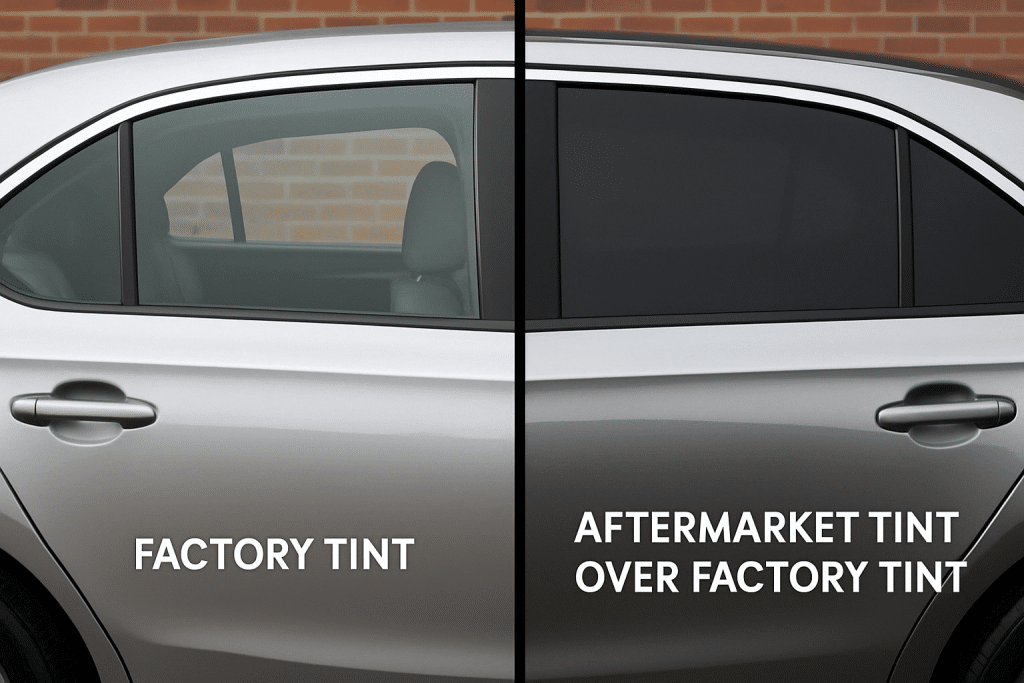
Applying aftermarket film over factory tint is possible. It can improve heat reduction and privacy. The new film sticks to the glass, not the factory tint. This helps maintain a strong bond.
Some issues may arise from layering tint. The total darkness might exceed legal limits. It can also cause bubbles or peeling if not installed well. Choose high-quality film and a skilled installer to avoid problems. Proper cleaning and preparation of windows are essential before adding new film.
Layering tint may reduce the lifespan of the films. The adhesive between layers can weaken over time. Regular checks for damage help maintain appearance and function. Follow local laws regarding tint darkness to stay compliant.
Maintaining Layered Tint
Maintaining layered tint requires careful attention to keep it looking good and lasting longer. Multiple layers can make the film thicker and more sensitive to wear. Proper care helps avoid peeling, bubbling, or damage. Follow simple steps to clean, protect, and know when to replace your tint.
Cleaning Techniques
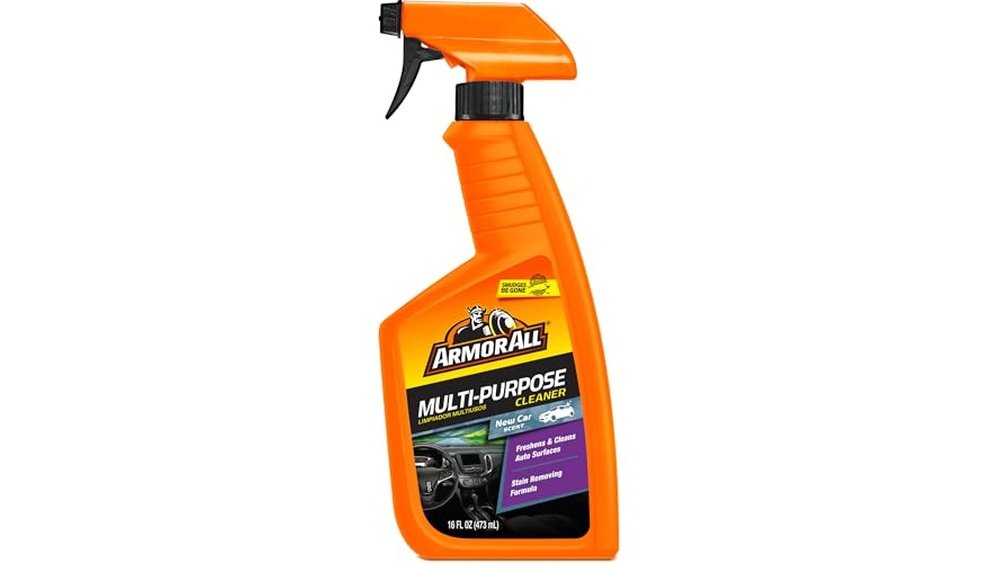
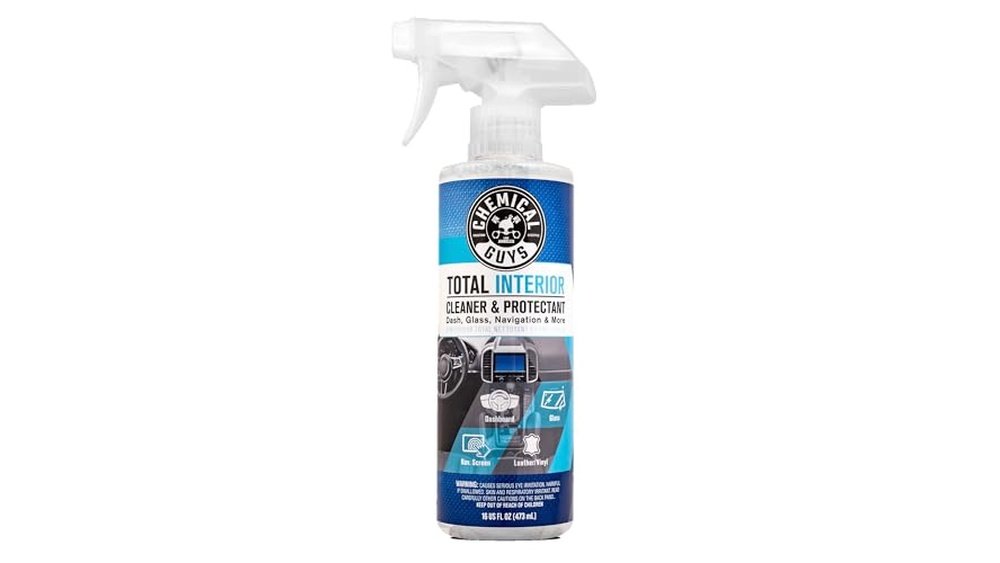
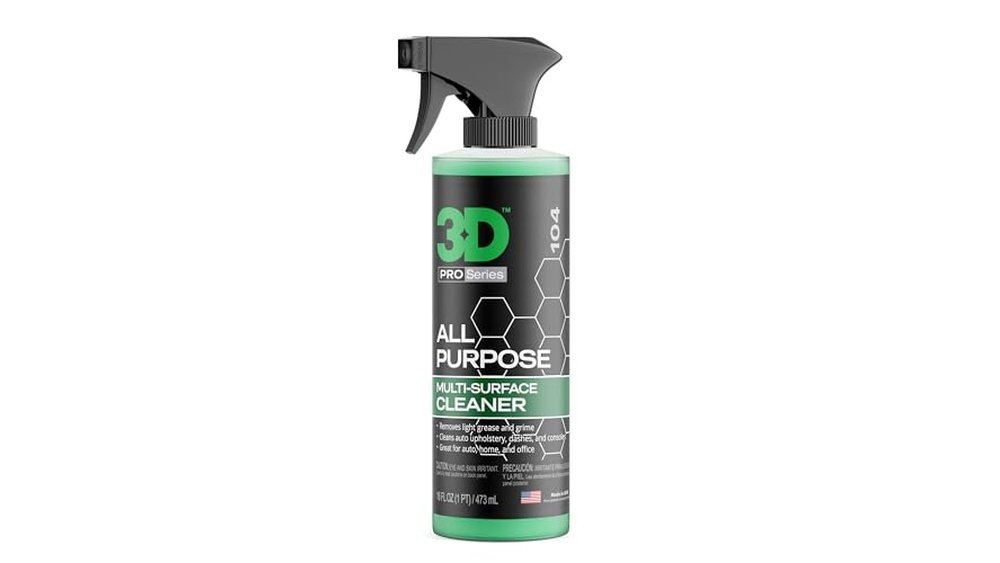
Use a soft cloth or sponge for cleaning tinted windows. Avoid abrasive materials that can scratch or peel the tint. Use a mild soap mixed with water to clean the surface gently. Spray the cleaner on the cloth, not directly on the tint. Wipe in a circular motion to remove dirt without damaging the film. Dry the window with a clean microfiber towel to prevent streaks.
Avoiding Damage
Do not use ammonia-based cleaners, as they weaken the adhesive on layered tint. Avoid sharp tools or objects near tinted windows. Be cautious when rolling windows up and down to prevent lifting the edges. Park in shaded areas to reduce heat damage from the sun. Keep pets and children away from windows to avoid scratches or tears.
When To Replace Tint
Replace layered tint if it starts peeling or bubbling. If the tint becomes cloudy or discolored, it is time for new film. Scratches that affect visibility also mean replacement is needed. If the adhesive weakens and the tint lifts, remove the old layers before adding new ones. Proper replacement keeps your windows clear and protects your vehicle.

Credit: xclusivewrapsandtint.com

Credit: xclusivewrapsandtint.com
Frequently Asked Questions
Can You Stack Tint On Top Of Tint?
Yes, you can stack tint on top of tint, but it may cause peeling, reduce lifespan, and violate local laws.
Is It Bad To Double Layer Tint?
Double layering tint can cause adhesive failure, leading to peeling and reduced lifespan. It often looks uneven and may violate tint laws.
Is 5% Tint Legal In Hawaii?
No, 5% tint is illegal in Hawaii. The law requires front side windows to allow at least 70% light through. Rear and back windows have different limits. Always check current state regulations before tinting.
Does Putting Tint Over Factory Tint Make It Darker?
Yes, adding tint over factory tint can make windows appear darker. It may reduce heat protection and affect film lifespan.
Conclusion
Putting tint over existing tint may seem easy but comes with risks. It can cause bubbles, peeling, and reduce the film’s lifespan. Laws about tint darkness vary by location and must be followed carefully. Always check your local rules before layering tint films.
For best results, removing old tint before applying new is safer. This keeps your windows clear and your car looking good. Think about long-term effects and legal limits before deciding. Proper installation ensures durability and maintains vehicle appearance. Choose wisely to avoid future problems with window tinting.