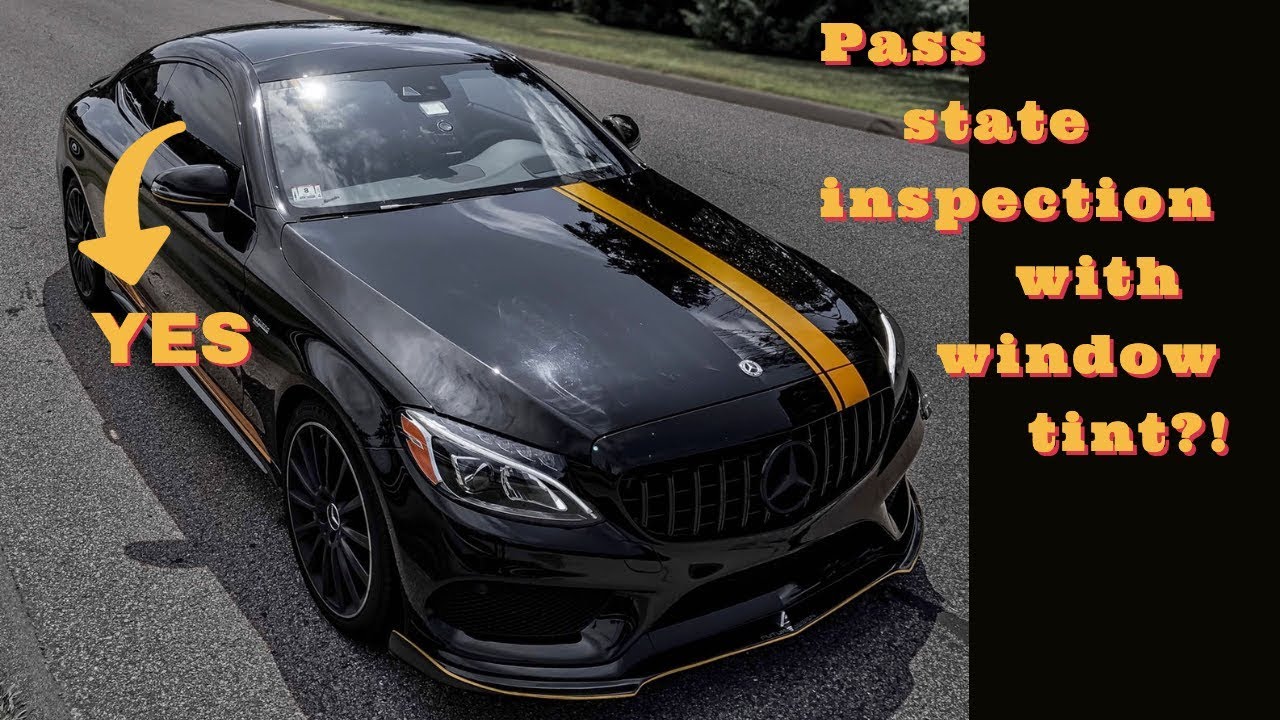
You’ve invested in tinted windows to enhance your car’s look and keep the heat out, but now you’re facing the challenge of passing your vehicle inspection. You might be wondering: How dark can your tint be?
Will it cause you to fail inspection? The good news is, passing with tinted windows is possible if you know the rules and prepare properly. You’ll discover easy-to-follow tips that help you stay compliant with Texas window tint laws, avoid inspection headaches, and keep your car looking sharp.
Keep reading to make sure your tint doesn’t stand between you and a smooth inspection!

Credit: www.reddit.com
Window Tint Laws
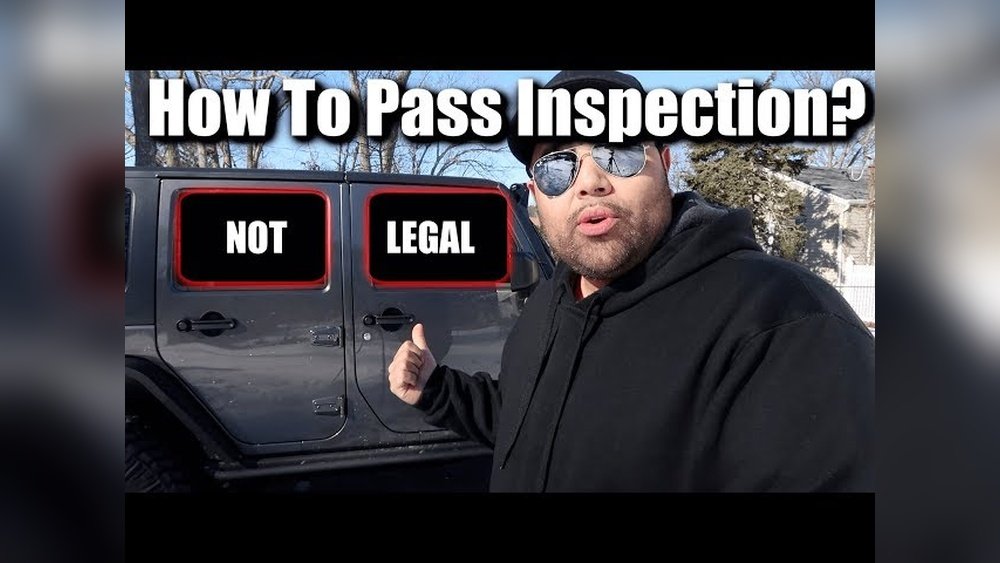
Window tint laws control how dark and reflective your car windows can be. They ensure drivers have good visibility and keep roads safe. These laws vary by state and sometimes by city. Knowing the rules helps you avoid fines and inspection failures. Below, we cover key rules for Texas and explain legal tint percentages and visible light transmission standards.
Texas Tint Regulations
Texas has strict rules about window tinting. The law sets limits on how dark tint can be on different windows. Front side windows must allow more light than rear windows. Windshield tint is only allowed on the top few inches. These rules help police officers see inside your car. They also keep you safer while driving.
Legal Tint Percentages
Each window has a minimum light transmission percentage. Front side windows must let in at least 25% of light. Rear side and back windows can be darker, depending on vehicle type. Sedans have different rules than SUVs or vans. Stickers and decals on windows do not change the tint limit. Follow these percentages to pass inspection easily.
Visible Light Transmission Rules
Visible Light Transmission (VLT) means how much light passes through the tint. Lower VLT means darker tint. Texas requires at least 25% VLT on front side windows. Rear windows can have lower VLT in some cases. Police use VLT meters during inspections. Tint that blocks too much light will fail the test. Always check VLT before installing tint.

Credit: www.reddit.com
Inspection Criteria
Passing an inspection with tinted windows depends largely on meeting specific criteria set by authorities. These rules focus on how much light your windows allow through. Inspectors check tint levels, visibility, and safety features carefully. Understanding these criteria helps you prepare your vehicle for a smooth inspection process. Clear knowledge of standards prevents surprises and fines.
Tint Measurement Methods
Inspectors use special tools to measure window tint. A common device is the light transmission meter. It shows the percentage of light passing through the glass. Some places use digital meters, others use handheld ones. Measurements usually occur on front side windows and windshield edges. Each state or region has its own light transmission limit. Knowing your local limit is crucial before the inspection.
Common Reasons For Tint Failure
Too dark tint is the top reason for failure. If the tint blocks more light than allowed, the vehicle fails. Another cause is tint on illegal windows, like the windshield or front side windows if not allowed. Peeling, bubbling, or damaged tint may also cause failure. Non-compliant tint films, such as those with reflective or mirrored finishes, can be rejected. Inspectors want to ensure clear visibility and legal compliance.
Safety And Visibility Standards
Safety rules protect drivers and others on the road. Windows must allow enough light to see clearly, day and night. Tint should not block the driver’s view or mirrors. Emergency responders need to see inside during accidents. Excessive tint reduces visibility, raising safety risks. Laws balance style with safety. Following these standards helps you pass inspections without trouble.
Preparing Your Vehicle
Preparing your vehicle before the inspection is essential. It ensures your tinted windows meet legal standards. Proper preparation can help avoid inspection failure and fines. Start by understanding your tint’s current condition and cleaning your windows thoroughly. This step-by-step guide will help you get ready.
Checking Tint Levels
Use a tint meter to measure your window’s darkness. Each state has rules about how dark tint can be. Make sure your tint level matches these limits. If you don’t have a meter, many auto shops can check it for you. Knowing your tint level avoids surprises during inspection.
Removing Illegal Tint
Remove any tint that is too dark or illegal. Peel the film carefully to avoid window damage. Use heat, like a hairdryer, to loosen the adhesive for easier removal. If unsure, ask a professional to remove the tint safely. Illegal tint can cause automatic inspection failure.
Cleaning Windows For Inspection
Clean all windows inside and out for clear visibility. Use a glass cleaner and a soft cloth to avoid scratches. Dirt or smudges can hide tint problems and raise suspicion. Clean windows also help inspectors check the tint level accurately. A spotless surface creates a good impression during inspection.
Choosing The Right Tint
Choosing the right tint is crucial for passing vehicle inspection. The tint must meet local rules about darkness and reflectivity. Picking the correct film avoids costly fines or having to remove the tint. Knowing what is allowed helps you make a smart choice. A good tint can improve comfort and style without breaking the law.
Selecting Approved Films
Use tint films that meet state or local laws. These films have clear labels showing their approval. Look for films tested for light transmission levels. Films that block too much light fail inspection. Choose films with proper certification to avoid problems. Approved films keep your windows safe and legal.
Professional Vs Diy Tinting
Professionals know the rules and use quality materials. They apply tint smoothly without bubbles or wrinkles. DIY kits are cheaper but risk poor results. A bad application can cause inspection failure. Professionals also provide warranties and correct installation. Trust experts for a neat and legal tint job.
Avoiding Illegal Modifications
Do not darken windows beyond legal limits. Avoid reflective or mirrored films if they are banned. Do not tint front windshield or driver’s side windows more than allowed. Illegal tints reduce visibility and safety. Follow the exact rules to avoid fines and failed inspections. Stick to legal modifications only.
During The Inspection
During the inspection, your car will undergo a close check for window tint compliance. Inspectors focus on safety and legal tint levels. Knowing what to expect makes the process easier and less stressful. This section explains the key points to keep in mind during the inspection.
What Inspectors Look For
Inspectors check the tint darkness or visible light transmission (VLT). They use a device called a tint meter to measure how much light passes through the windows. The front side windows usually have strict limits, often around 35% VLT or higher. Rear windows may allow darker tints, depending on state rules.
Inspectors also look for any damage or bubbles in the tint film. Clear visibility through windows is critical for safety. Excessively dark or peeling tint raises red flags during inspection.
How To Handle Tint Questions
Answer questions about your tint honestly and calmly. Keep your vehicle registration and tint certification ready if applicable. Some states require a certificate from a professional installer. If you installed the tint yourself, explain the product and installation date briefly.
Stay polite and cooperative with the inspector. Avoid arguing or hiding information. Clear communication can help avoid misunderstandings.
Dealing With Failed Tint Inspection
If your tint fails inspection, do not panic. Inspectors will explain the reason for failure and how to fix it. You may need to remove or replace the tint to meet state rules. Many shops offer affordable tint removal services.
Schedule a re-inspection after correcting the tint issues. Driving with illegal tint can cause fines or safety problems. Fixing the tint quickly helps you pass and stay safe on the road.
Credit: www.youtube.com
After Inspection Tips
After passing your vehicle inspection with tinted windows, some important steps help keep your car compliant and avoid future problems. These tips focus on fixing any tint issues found during inspection, keeping all necessary paperwork, and maintaining legal tint levels over time. Following these actions ensures a smooth experience with tint regulations.
Fixing Tint Issues
If the inspector finds your tint too dark or uneven, fix the problem quickly. Remove or replace the tint film to meet legal standards. Use professional installers to ensure the tint fits the rules. Avoid DIY fixes that might cause more damage or delay passing inspection next time.
Keeping Documentation
Always keep your tint installation receipt and any inspection reports in your vehicle. These documents prove your tint meets state laws. Show them to officers if asked during traffic stops. Organizing your paperwork prevents confusion and supports your case if questions arise about your window tint.
Maintaining Compliance
Regularly check your window tint to ensure it stays within legal limits. Sunlight and weather may degrade tint over time, changing its darkness. Avoid adding extra layers or darker films after passing inspection. Staying compliant helps prevent fines and the need for re-inspection.
Common Mistakes
Many vehicle owners fail their inspection due to common mistakes with tinted windows. Understanding these errors helps you avoid them and pass inspection smoothly. These mistakes often cause frustration and extra costs.
Proper knowledge about tint darkness, local laws, and installation is essential. Ignoring these details can lead to failed inspections and fines. Below are the most frequent mistakes that cause problems.
Overly Dark Tint
Applying tint that is too dark is the top reason for failure. Each state sets limits on how dark window tint can be. Dark tints reduce visibility for drivers and inspectors.
Windows that block too much light often violate safety rules. Inspectors look for minimum visible light transmission percentages. Exceeding these limits means automatic failure.
Ignoring Local Laws
Every area has its own rules about window tint. Many people do not check these laws before tinting. This leads to non-compliance and inspection failure.
Local laws cover which windows can be tinted and allowed darkness levels. Some regions require specific tint types or certifications. Not knowing these rules causes trouble during inspection.
Poor Installation Practices
Bad tint installation can ruin the inspection result. Bubbles, peeling edges, or uneven tint shows poor workmanship. Inspectors notice these flaws and may reject the tint.
Quality installation ensures the tint is smooth and correctly placed. Avoid installers who rush or use low-quality materials. Proper tools and skills are necessary for passing inspection.
Expert Advice
Passing inspection with tinted windows requires clear knowledge and smart choices. Expert advice can make the process simple and stress-free. Professionals understand the rules and can guide you through the legal limits and quality standards. You can enjoy the look of tinted windows while staying within the law. Follow these expert tips to balance style with compliance.
Consulting Professionals
Talk to window tinting experts before installation. They know local inspection rules and legal tint percentages. Professionals use quality materials that meet safety standards. They can recommend the best tint shades for your vehicle. Expert installation reduces the risk of failing inspection. Always ask for advice from certified tint shops.
Staying Updated On Regulations
Window tint laws change often. Check your state’s official website for the latest rules. Know the allowed tint darkness for front, side, and rear windows. Keep an eye on local inspection requirements. Regular updates help avoid surprises during inspection. Ignorance of the law can lead to fines or failed inspections.
Balancing Style And Compliance
Choose tint shades that look good and follow the law. Darker tints may not pass inspection but lighter ones can still improve style. Think about visibility and safety while selecting tint. Use high-quality films that block UV rays without being too dark. A legal tint keeps your car cool and stylish without causing problems.
Frequently Asked Questions
Do Most Cops Care About Window Tint?
Most cops notice window tint and may care if it violates local laws or impairs visibility during stops.
How To Get Inspection Sticker Off Tint?
Use a tint-safe adhesive remover like Goo Gone Automotive. Apply it on a microfiber towel, then gently rub the sticker until it peels off. Avoid spraying remover directly on the tint to prevent damage.
What Would Cause A Car To Not Pass Inspection?
A car fails inspection due to safety issues, emissions problems, or broken components. Common causes include a lit check engine light, bad brakes, worn tires, faulty lights, exhaust leaks, malfunctioning seatbelts, a bad gas cap, or significant fluid leaks.
Is Utah Strict On Window Tint?
Utah enforces strict window tint laws. Front side windows must allow over 43% light. Windshield tint is limited to the top strip only. Rear windows have fewer restrictions. Police actively enforce these rules to ensure driver safety and visibility.
Conclusion
Passing inspection with tinted windows requires following local laws carefully. Use legal tint levels and proper film types. Ensure your windows allow enough light to pass through. Keep your windshield and mirrors clear of tint. Fix any other vehicle issues before inspection day.
Prepare your car early to avoid last-minute problems. Staying informed helps you pass without trouble or delays. Remember, clear visibility keeps you safe on the road. Regular checks and maintenance make inspections easier. Compliance saves time, money, and stress at the inspection station.