
Have you ever wondered how professionals know exactly how dark your car’s window tint is? Whether you’re considering a new tint or just curious about your current one, understanding how window tint is measured can give you the confidence to stay within legal limits and choose the right shade for your needs.
Measuring window tint isn’t just about guessing—it’s a precise process that involves special tools and clear numbers. You’ll discover the simple methods experts use to measure tint, what those percentages really mean, and how you can check your own windows easily.
Keep reading to learn how window tint measurement works and why it matters for your safety and style.
Visible Light Transmission
Visible Light Transmission, or VLT, is a key factor in measuring window tint. It shows how much light passes through a tinted window. Understanding VLT helps you know how dark the tint is and its effect on visibility and comfort.
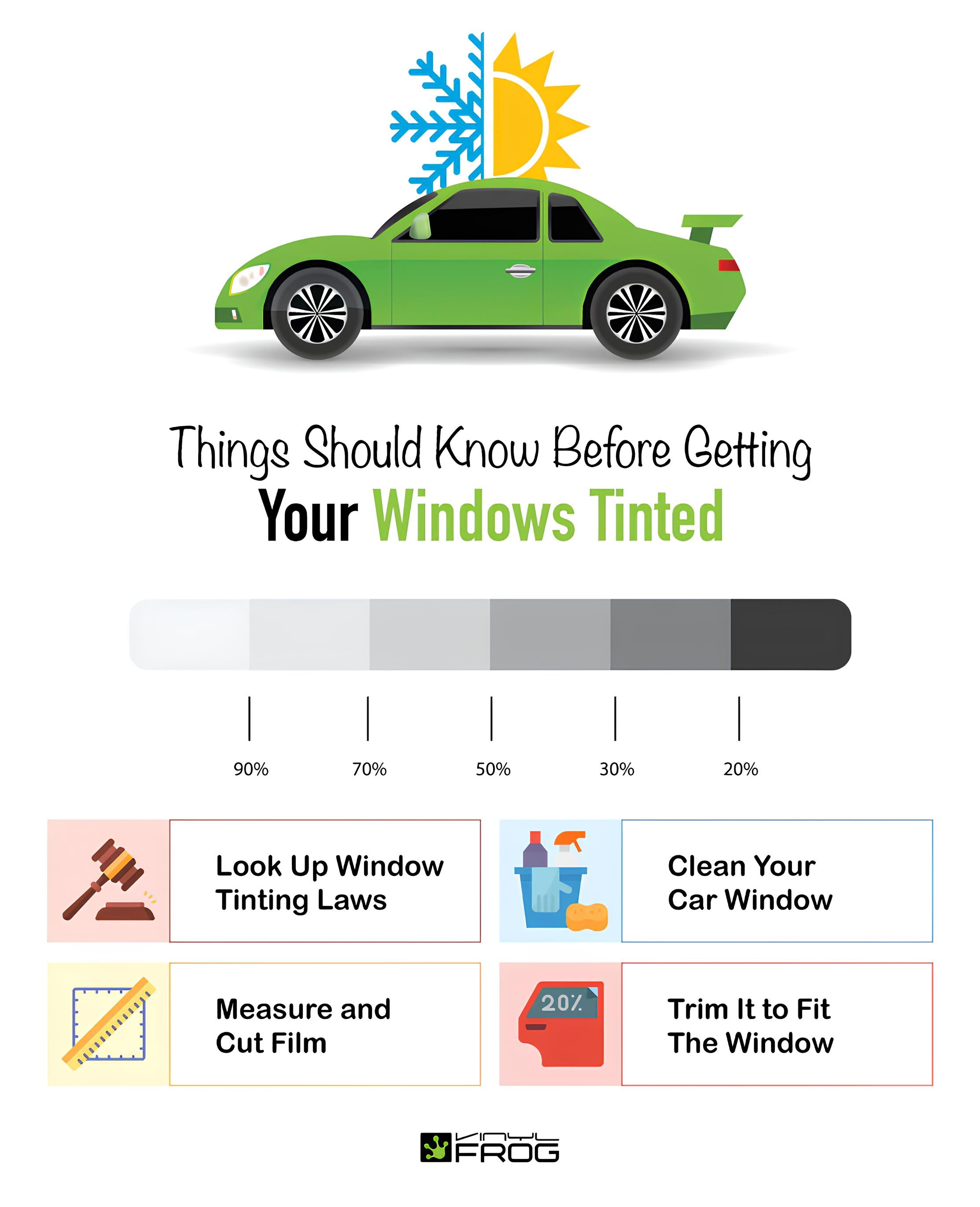
VLT is expressed as a percentage. The higher the percentage, the more light gets through the window. This percentage is crucial for legal limits and personal preferences.
What Vlt Means
VLT stands for Visible Light Transmission. It measures the amount of light that passes through a window tint. For example, a 50% VLT means half of the light passes through the glass.
A lower VLT means less light passes through. Darker tints have lower VLT percentages. This affects how much you can see inside or outside through the window.
Impact Of Vlt Percentages
Different VLT percentages affect driving and comfort. Higher VLT lets in more light, improving visibility. It also reduces eye strain on bright days.
Lower VLT offers more privacy and blocks more sunlight. It can keep the car cooler but may reduce visibility at night. States have laws limiting how low VLT can be on vehicle windows.
Choosing the right VLT balances light, privacy, and safety. It affects your driving experience and how your vehicle looks.

Credit: www.globaltintusa.com
Using A Tint Meter
Using a tint meter is a common method to measure window tint accurately. This device helps check the amount of light passing through the tinted glass. It gives a clear reading known as Visible Light Transmission (VLT) percentage. This percentage shows how dark or light the tint is.
A tint meter is easy to use and provides fast results. It is the preferred tool for professionals and law enforcement officers. Understanding how it works and how to use it is helpful for anyone dealing with window tint.
How Tint Meters Work
Tint meters work by shining a light through the window glass. The device measures the light that passes through the tint film. It calculates the percentage of light allowed inside, known as VLT. The lower the VLT, the darker the tint.
The meter has sensors on each side of the glass. One sensor sends light, and the other measures how much comes through. This process gives a precise reading instantly.
Steps To Measure Tint With A Meter
First, turn on the tint meter and ensure it is calibrated. Next, place the meter on the edge of the window glass. The device should clamp tightly to avoid light leaks. Then, wait a few seconds for the meter to calculate the VLT.
Finally, read the number displayed on the meter screen. This number shows the percentage of visible light passing through the tint. Record this number for reference or legal use.
Accuracy Of Tint Meters
Tint meters are very accurate when used correctly. They provide consistent readings under normal conditions. Calibration and proper placement are key for accuracy.
External light sources or dirty windows can affect results. Regular maintenance and careful use keep the meter reliable. Authorities often rely on these devices for legal tint enforcement.
Alternative Measurement Methods
Alternative measurement methods offer different ways to check window tint levels without professional tools. These options are often handy for quick checks or DIY enthusiasts. They rely on simple devices and apps available to most people. Understanding these methods helps you estimate tint darkness with minimal equipment.
Flashlight And Smartphone App
One popular method uses a flashlight and a smartphone app. You shine the flashlight through the tinted window. The app measures the light passing through and estimates the tint level. Many apps use the phone’s camera to analyze light intensity. This method is simple and does not require special tools.
It works best in low light conditions and with steady hands. The app gives a quick reading of visible light transmission (VLT). This helps you understand how dark your window tint is. The combination of a flashlight and app is budget-friendly and accessible.
Limitations Of Non-professional Tools
Non-professional tools are not always precise. Phone cameras vary in quality, affecting accuracy. Flashlight brightness can change results too. These tools may give only rough estimates, not exact measurements. They also depend on user skill and environment.
Legal limits for tint darkness require accurate readings. Police or professionals use certified tint meters for this reason. Non-professional tools might not meet legal standards. Use them as a guide, not proof of compliance. For exact measurements, professional devices remain the best choice.
Credit: xclusivewrapsandtint.com
Measuring Multiple Tint Layers
Measuring multiple tint layers is key to understanding the overall darkness of a window. Each layer changes how much light passes through. Combining layers affects the total visible light transmission. The process helps owners and professionals check if the tint meets legal and personal preferences.
Different layers do not simply add up in a straight line. Their combined effect requires careful calculation. This ensures the final tint level is accurate and consistent with regulations.
Calculating Total Vlt
Total VLT means the percentage of visible light passing through all tint layers and glass. To find this, multiply the VLT values of each layer as decimals. For example, two layers with 70% VLT each give 0.7 × 0.7 = 0.49 or 49% total VLT.
This method shows how light reduces more with each added layer. It helps predict final tint darkness before applying multiple films. Knowing total VLT prevents exceeding legal limits.
Effects Of Layer Stacking
Stacking tint layers makes the window darker than a single layer. Light weakens exponentially, not linearly, through layers. Each film reduces light passing through the previous one.
More layers also increase heat rejection and glare reduction. But too many layers may cause bubbles or peeling. Proper measurement and installation keep the tint effective and durable.
Measuring Windows For Tinting
Measuring windows for tinting is a crucial step before applying the film. Proper measurement ensures the tint fits perfectly, avoiding bubbles or gaps. It also helps to estimate the right amount of tinting material needed. Each window shape and size requires careful attention to detail. Accurate measuring saves time and money during installation.
Measuring Width And Height
Start by measuring the width of the window at its widest point. Use a metal tape measure for accuracy. Next, measure the height from top to bottom. Take measurements inside the window frame, not outside. Write down both numbers clearly. Double-check your measurements to avoid mistakes.
Handling Curved And Odd-shaped Windows
Curved or odd-shaped windows need special measuring techniques. Use a flexible tape to follow the curve closely. For irregular shapes, break the window into smaller sections. Measure each section separately, then add them together. Mark the curves on paper for better cutting guidance. This method helps create a perfect tint fit.
Tips For Accurate Measurements
Measure windows in good lighting to see edges clearly. Always measure twice to confirm accuracy. Use a sturdy, reliable tape measure. Avoid measuring through glass to prevent errors. Note down measurements immediately to avoid forgetting. If unsure, ask a professional to assist with measuring.

Credit: www.linshangtech.com
Legal Tint Limits
Legal tint limits control how dark or reflective car window tints can be. These rules protect drivers, passengers, and pedestrians by ensuring enough light passes through windows. Laws vary by state and country, making it important to know local requirements. Authorities enforce these limits to keep roads safe and prevent overly dark tints that block visibility.
Common Regulations
Most states set a minimum Visible Light Transmission (VLT) percentage. VLT measures how much light passes through the tinted glass. For example, a 35% VLT means 35% of light passes through, while 65% is blocked. Front side windows often have higher VLT requirements than rear windows. Some places restrict tint color and reflectiveness too. Medical exemptions sometimes allow darker tints for health reasons.
How Law Enforcement Measures Tint
Police use special devices called tint meters. These meters shine light through the window and measure the VLT percentage. The meter clamps onto the edge of the glass for accurate reading. If the tint is darker than legal limits, officers may issue a ticket. Some officers use visual checks but meters provide precise data. Regular checks help keep drivers aware and compliant with tint laws.
Frequently Asked Questions
How Are Window Tints Measured?
Window tints are measured by visible light transmission (VLT) percentage. A tint meter shines light through the glass and displays the VLT value. Lower VLT means less light passes through. This method offers precise, quick, and easy measurement of window tint darkness.
Which Tint Is Darker, 20% Or 35%?
A 20% tint is darker than a 35% tint. Lower percentages allow less light through, making the tint darker.
How Can I Tell What Percent My Window Tint Is?
Use a handheld window tint meter to measure visible light transmission (VLT). Place it on the glass edge; it shows the tint percentage directly.
How Do Cops Measure Window Tint?
Cops measure window tint using a handheld tint meter. It shines light through the glass and shows the visible light transmission (VLT) percentage, indicating how much light passes through the tint.
Conclusion
Measuring window tint helps ensure legal and safe levels. The process uses tools like tint meters that show visible light transmission (VLT). Lower VLT means less light passes through the glass. Simple methods include using a flashlight and light meter apps.
Knowing how tint is measured helps you choose the right shade. Always check local laws before tinting your windows. This way, you avoid fines and keep your ride comfortable. Understanding tint measurement keeps you informed and confident about your choices.














