
Looking to save money on auto tint without sacrificing quality? You’re in the right place.
Whether you want to keep your car cooler, protect your interior from UV damage, or simply add a sleek look, tinting your windows is a smart choice. But the costs can add up fast if you’re not careful. What if you could cut those expenses while still getting great results?
You’ll discover practical tips and insider tricks to save money on auto tint—without compromising on style or protection. Keep reading to learn how to get the best value for your money and enjoy all the benefits tinting has to offer.

Credit: www.tintfit.com
Benefits Of Auto Tint
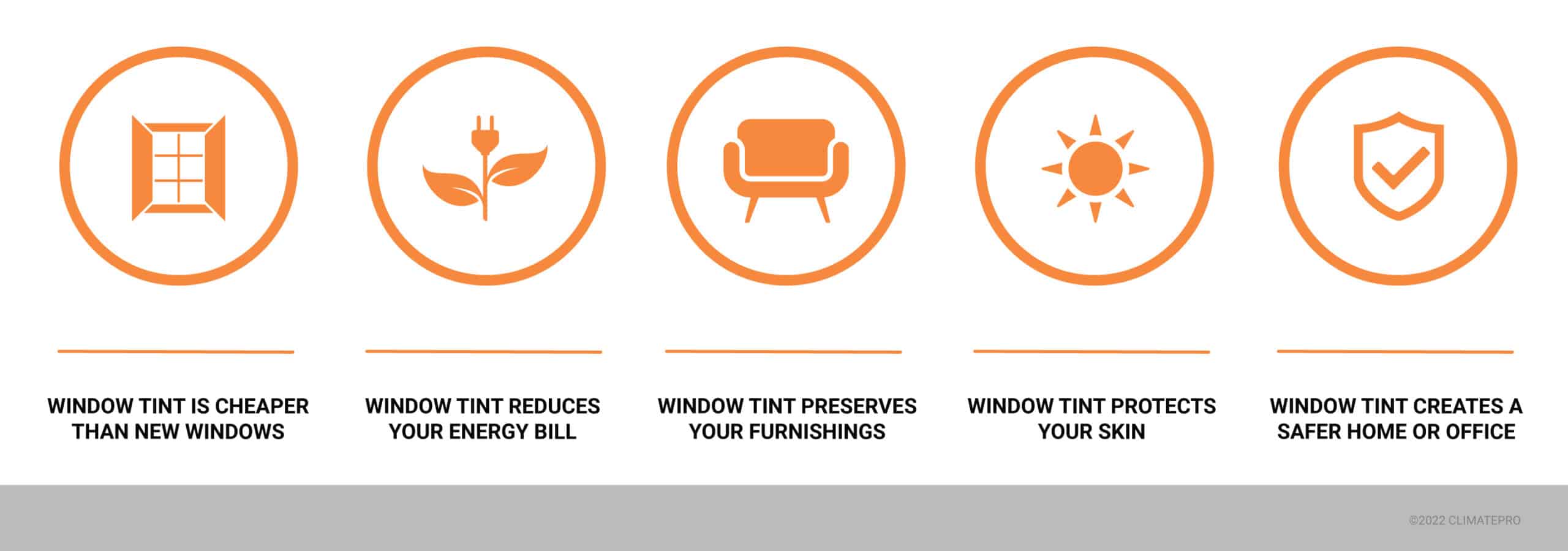
Auto tint offers many benefits that improve your driving experience. It protects you and your vehicle from harsh sunlight. Tinting also adds comfort by reducing heat inside the car. Below are key advantages of auto tint to consider for your vehicle.
Heat And Uv Protection
Auto tint blocks a large amount of heat from entering your car. It also reduces harmful UV rays that can damage your skin and car interior. This protection helps keep the inside cooler and prevents fading of upholstery.
Glare Reduction
Tinted windows reduce glare from the sun and headlights. This makes driving safer and more comfortable. Less glare means fewer distractions and better vision on bright days or at night.
Privacy And Security
Auto tint makes it harder for others to see inside your vehicle. This added privacy protects your belongings from prying eyes. It also reduces the chance of theft by hiding valuables from view.
Safety Improvements
Tinted film can hold shattered glass together during accidents. This reduces the risk of injury from flying glass shards. It adds an extra layer of protection for you and your passengers.
Enhanced Aesthetics
Window tint gives your car a sleek and stylish look. It enhances the overall appearance and can increase your vehicle’s value. Tinting adds a modern and clean finish to any car model.
Energy Savings
Because tint reduces heat, your air conditioner works less. This lowers fuel consumption and saves money on energy costs. Over time, energy savings help offset the cost of tint installation.
Potential Drawbacks
Auto tinting offers many benefits, but it also has some drawbacks. Understanding these potential issues helps you make a smart choice. Some problems may affect your safety, legal standing, or future car value. Keep these points in mind before deciding on tinting.
Legal Restrictions
Each state sets rules on how dark your window tint can be. Too dark tint can lead to fines or forced removal. Laws vary widely, so check local regulations carefully. Ignoring legal limits can cause trouble with police and vehicle inspections.
Reduced Night Visibility
Dark tints block more light, making it harder to see at night. This can increase the risk of accidents in low-light conditions. Drivers may struggle to spot pedestrians or obstacles. Choosing a lighter tint helps keep night driving safer.
Signal Interference
Some tint films contain metal particles that block signals. This can reduce cell phone reception inside the car. GPS devices may also lose connection or accuracy. Non-metallic tints avoid these problems but might cost more.
Impact On Resale Value
Not all buyers like tinted windows, especially if the tint is very dark. This can limit your pool of potential buyers. Some may see tinting as a sign of poor maintenance. Removing tint before selling may be necessary and costly.
When Tinting Makes Sense
Knowing when tinting makes sense helps you save money on auto tint. Not every car needs window tint. Understanding your needs and environment guides your decision. It ensures you invest wisely and get the best value.
Consider your daily driving habits and local weather. Privacy, comfort, and style also play a role. Before choosing tint, think about these important factors.
Living In Hot Climates
Heat makes driving uncomfortable and can damage your car’s interior. Tinting blocks sunlight and lowers inside temperatures. It reduces the need for air conditioning. This saves fuel and cuts costs over time. In hot places, tinting is a smart choice.
Prioritizing Privacy
Tinted windows make it hard for others to see inside. This protects your belongings from thieves. It also gives you peace during your drive. If privacy matters to you, tinting is worth considering. It helps keep your car secure and private.
Long Distance Driving
Long trips expose you to sun glare and eye strain. Tinting cuts glare and protects your eyes. It makes driving safer and more comfortable. Reducing glare helps you focus on the road. For frequent travelers, tinting adds value to every trip.
Aesthetic Preferences
Tinting can improve your car’s look and style. Darker windows give a sleek and modern appearance. It can make your vehicle stand out on the road. If you want a polished look, tinting fits your style. It’s a simple way to boost curb appeal.
Checking Local Tint Laws
Every state has rules about how dark tint can be. Check your area’s laws before tinting. Illegal tints can lead to fines or removal costs. Knowing the limits helps you avoid trouble. Follow local laws to save money and stay legal.
Diy Tinting Pros And Cons
Choosing to tint your car windows yourself can save money upfront. DIY tinting offers control and convenience but also brings challenges. Understanding the pros and cons helps you decide if this option fits your needs.
Upfront Cost Savings
DIY tinting costs less than professional services. You only pay for the film and tools. No labor fees mean big savings. Kits are available online and in stores. This option suits those on a tight budget.
Skill And Quality Challenges
Applying tint requires steady hands and patience. Mistakes can cause bubbles or wrinkles. Poor installation reduces the tint’s look and function. Achieving a smooth finish is tough for beginners. Quality may not match professional results.
Longevity And Durability Issues
DIY tint may peel or fade faster. Professionals use better adhesive and materials. Exposure to sun and weather wears tint quickly. Poor application can cause early damage. This means more frequent replacements and costs.
Choosing The Right Tint
Choosing the right tint for your vehicle is essential for saving money and enjoying its benefits. The tint you select affects comfort, safety, and style. It also impacts how much you spend on installation and potential fines. Understanding key factors helps you pick the best tint for your needs and budget.
Selecting Tint Darkness
The darkness of your tint, called Visible Light Transmission (VLT), controls how much light passes through. Lighter tints let more light in and cost less. Darker tints block more heat and provide better privacy but may cost more and face legal limits. Choose a darkness level that meets local laws and suits your comfort. Avoid tints that are too dark for safe night driving.
Materials And Technology
Tints come in different materials like dyed, metalized, ceramic, and hybrid films. Dyed films are usually cheaper but fade faster. Metalized tints block heat well but can interfere with signals. Ceramic tints cost more but offer excellent heat rejection and clarity. Look for films with high UV protection to keep your car cooler and protect interiors. Advanced technology tints last longer and save money in the long run.
Balancing Appearance And Function
Your tint should improve your car’s look without sacrificing function. A good tint adds style and privacy but also reduces glare and heat. Think about your daily driving conditions and parking spots. A balanced tint keeps you safe, comfortable, and saves on cooling costs. Avoid extreme choices that might cause legal troubles or poor visibility. Simple, effective tints give the best value for your money.
Finding Affordable Professionals
Finding affordable professionals for auto tinting can save you a lot of money. Choosing the right shop ensures quality work without overspending. Many local businesses offer competitive prices and good service. Knowing where and how to search helps you find the best deals.
Comparing Local Shops
Start by checking several auto tinting shops near you. Look at their prices and services offered. Some shops may include warranties or free consultations. Compare what each shop provides for the price. This helps you spot affordable options without losing quality.
Reading Reviews And Ratings
Customer feedback reveals how well a shop performs. Read online reviews on Google or Yelp. Pay attention to comments about price and quality. High ratings usually mean good service and fair costs. Avoid shops with many negative reviews or poor ratings.
Looking For Discounts And Deals
Many shops offer seasonal discounts or special promotions. Check websites and social media pages for coupons or deals. Some places give lower prices for first-time customers. Ask if they have package deals for multiple windows. Small savings add up when you use discounts.
Maintaining Your Tint
Maintaining your auto tint keeps it looking fresh and lasting longer. Proper care saves money on repairs and replacements. Clean, protect, and watch for damage to enjoy the benefits fully.
Cleaning Tips
Use a soft cloth or sponge to clean the tint. Avoid abrasive materials that scratch the film. Choose mild soap and water instead of harsh chemicals. Spray the cleaner on the cloth, not directly on the glass. Dry the surface gently to prevent streaks and damage.
Avoiding Damage
Do not use sharp objects near the tint. Avoid rolling down windows too quickly after tinting. Park in shaded areas to reduce sun damage. Keep pets away from windows to prevent scratches. Use caution when cleaning to protect the film’s surface.
When To Replace Or Repair
Look for bubbles or peeling edges on the tint. Cloudy or faded tint reduces its effectiveness. Fix small tears or damage early to save costs. Replace the tint if damage covers a large area. Timely action keeps your car looking great and saves money.
Credit: www.climatepro.com

Credit: www.cartintlaw.com
Frequently Asked Questions
How Much Does It Cost To Get Your Entire Car Tinted?
Getting your entire car tinted typically costs between $150 and $400. Prices vary by tint quality, car size, and location.
Is It Worth It To Get Your Car Tinted?
Car tinting reduces heat, blocks UV rays, enhances privacy, and improves appearance. It boosts comfort and protects interiors, making it worth the cost for many drivers.
Is It Cheaper To Do Tint Yourself?
Doing tint yourself usually costs less upfront by saving labor fees. However, it may risk errors and lower quality results. Professional tinting ensures durability and proper installation but costs more. Choose based on your budget, skills, and desired finish for the best value.
Do Tints Increase The Value Of A Car?
Tints can enhance a car’s appearance and comfort but rarely increase its resale value significantly. Buyers’ preferences vary.
Conclusion
Saving money on auto tint does not mean sacrificing quality. Choose affordable options that protect your car and comfort. Always check local laws to avoid fines or problems. Simple steps like comparing prices and timing your purchase help cut costs.
Good tinting reduces heat, glare, and protects your car’s interior. It also adds privacy and style without breaking the bank. Plan carefully and invest wisely for the best results. Your car will look better and feel cooler while you save money.














