Are you thinking about upgrading your car’s look while boosting your comfort and privacy? Choosing the right window tint can make a big difference, and 25 percent window tint is one of the most popular options for drivers like you.
It strikes the perfect balance—dark enough to reduce glare and heat, yet light enough to keep your view clear and your ride safe. You’ll discover why 25 percent tint might be the ideal choice for your vehicle, how it compares to other tint levels, and important tips to keep your tint legal and effective.
Keep reading to learn how this simple upgrade can transform your driving experience.

Credit: www.amazon.com
Benefits Of 25 Percent Tint
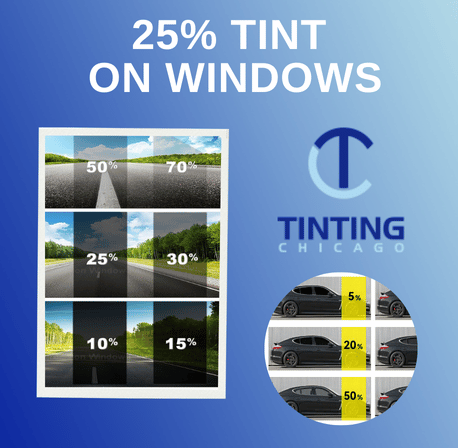
Choosing 25 percent window tint offers several practical benefits. It balances visibility with comfort and protection. This tint level is popular for daily drivers and those wanting a subtle look without going too dark.
Privacy Enhancement
25 percent tint darkens the glass enough to block outside views. It helps keep your car’s interior private from passersby. This tint level hides valuables and passengers without making the windows too dark for safe driving.
Heat Reduction
This tint reduces heat from sunlight effectively. It keeps the car cooler on sunny days. You feel more comfortable inside, especially during long drives or in hot climates. It also helps reduce air conditioning use, saving fuel.
Glare Control
Sun glare can distract drivers and cause eye strain. 25 percent tint cuts down glare from the sun and headlights. This improves visibility and driving safety. It allows a clear view of the road without harsh light.
Uv Protection
The tint blocks a large portion of harmful UV rays. UV rays can fade car interiors and damage skin. 25 percent tint protects your car’s upholstery and your skin from sun damage. It adds an extra layer of defense on sunny days.
Legal Limits By State
Window tint laws vary widely across the United States. Each state sets its own rules on how dark or reflective car windows can be. Knowing these limits helps drivers avoid fines and stay safe on the road. The 25 percent window tint is popular, but legal restrictions may differ by state. Below is a look at some key state regulations.
Texas Regulations
Texas allows 25 percent tint on side and rear windows. The front side windows must allow more light, with at least 25 percent visible light transmission (VLT). The windshield can only have a non-reflective tint on the top few inches. Texas requires drivers to carry a tint certificate. Police may ask drivers to lower windows during stops for safety checks.
Washington State Rules
Washington has strict tint laws. The front side windows must have at least 70 percent VLT. Rear side and back windows can be darker or tinted fully. Dual side mirrors are required if rear windows are tinted. Reflective or colored films like red, gold, or mirror finishes are banned. Windshield tint is allowed only on the top strip.
Hawaii Tint Laws
Hawaii’s tint laws focus on window types. The front side windows must allow 70 percent or more light. Rear side and back windows can be tinted darker. Windshields can have tint only on the top strip. Police remind drivers to follow these rules to avoid fines. The state updated laws recently to clarify tint limits.
Other State Variations
Many states have unique tint limits. Some allow darker tints on rear windows but not front. Others set different limits for sedans, SUVs, or trucks. Some states ban certain colors or reflective films. Always check local regulations before tinting windows. Laws change often, so staying informed is key.
Choosing The Right Tint Film
Choosing the right tint film is key for your 25 percent window tint. The film you select affects heat rejection, privacy, and style. Understanding the types of tint films helps you make the best choice. Focus on the film’s material, appearance, and strength for great results.
Ceramic Vs. Dyed Films
Ceramic films block heat and UV rays well. They do not fade or change color over time. Dyed films use layers of dye to darken windows. They cost less but can fade and bubble. Ceramic films offer better clarity and heat protection. Dyed films are good for budget-friendly tinting.
Reflectivity And Color Options
Reflective films give a shiny, mirror-like look. They reflect sunlight and improve privacy during the day. Non-reflective films are less shiny and more natural. Color options include black, charcoal, and bronze tones. Choose a color that fits your car’s style and local laws. Darker colors block more light but check legal limits.
Durability And Warranty
Durable films resist scratches, bubbles, and peeling. Ceramic films usually last longer than dyed ones. Look for films with a strong adhesive for easy installation. A good warranty protects against defects and fading. Longer warranties show confidence in product quality. Always ask about warranty terms before buying.
Credit: www.motoshieldpro.com
Installation Process
The installation process of 25 percent window tint requires care and precision. Proper application ensures durability and a smooth finish. This section breaks down key steps and challenges faced during installation. Understanding these details helps achieve the best results.
Professional Vs. Diy
Choosing between professional and DIY installation affects the final look. Professionals have tools and experience to apply tint without bubbles. DIY kits are cheaper but need patience and skill. Mistakes in DIY can cause wrinkles or peeling later. Professionals also offer warranties for their work.
Surface Preparation
Clean windows thoroughly before tinting to remove dirt and oils. Use a glass cleaner and a lint-free cloth for best results. Any dust or residue can cause bubbles under the tint. Dry the surface completely to ensure the film sticks well. Proper preparation saves time and improves durability.
Common Installation Challenges
Applying tint evenly can be tricky, especially on curved windows. Air bubbles often form if the film is not smoothed out properly. Dust particles trapped under the tint cause imperfections. Cutting the film to fit window size requires accuracy. Patience and steady hands reduce these common issues.
Maintenance Tips
Proper care keeps your 25 percent window tint looking fresh and lasting longer. Simple maintenance prevents bubbles, scratches, and fading. Follow easy steps to maintain tint quality and appearance.
Cleaning Techniques
Use a soft cloth or microfiber towel for cleaning. Spray a mild soap solution on the cloth, never directly on the tint. Wipe gently to avoid scratches. Avoid ammonia-based cleaners; they damage tint film.
Clean your windows regularly to remove dust and dirt. Dry the surface with a clean, dry cloth to prevent streaks. Use circular motions for better results.
Avoiding Damage
Do not use sharp tools or abrasive materials on tinted windows. Avoid rolling down windows immediately after tint installation. Give the film time to cure and bond properly.
Park in shaded areas to reduce heat damage. Avoid prolonged exposure to direct sunlight, which can cause fading. Be careful with automatic car washes; they may scratch the tint.
Longevity Enhancements
Apply a window tint protectant spray designed for tinted windows. It helps repel dirt and reduces UV damage. Reapply protectant every few months for best results.
Check the tint regularly for bubbles or peeling. Fix small issues promptly to prevent bigger problems. Keep your windows clean and dry to extend tint life.
Credit: www.tintingchicago.com
Potential Drawbacks
Choosing 25 percent window tint offers many benefits, but it also has some drawbacks. Understanding these potential issues helps you make the best decision for your vehicle. Consider how darker tints affect driving safety, legal matters, and possible fines.
Visibility Issues At Night
Darker tints reduce the amount of light entering your car. This can make it harder to see clearly during nighttime driving. Shadows and low-light conditions become more challenging. Reduced visibility increases the risk of accidents. Drivers must be extra cautious while using 25 percent tint at night.
Law Enforcement Concerns
Police officers often find it difficult to see inside vehicles with dark tints. This raises safety concerns for both officers and drivers. During traffic stops, officers may ask you to roll down windows. Dark tint may cause more scrutiny or delays. Cooperation and understanding can help ease these encounters.
Possible Penalties For Non-compliance
Many states have strict laws on window tint darkness. Using 25 percent tint might exceed legal limits in some areas. Violating tint laws can lead to fines and penalties. You may also be required to remove or replace the tint. Always check local regulations before installation to avoid trouble.
Cost Considerations
Considering the cost of 25 percent window tint is important before making a decision. The total expense includes the price of the film and the installation service. Understanding these costs helps you plan your budget effectively. Also, think about potential savings over time from using quality tint.
Price Range For Quality Films
Quality window tint films vary in price. Basic films start around $30 to $60 per window. Higher-end films can cost $100 or more per window. The price depends on the brand, material, and durability. Cheaper films may fade or peel faster. Investing in good quality film ensures longer life and better performance.
Installation Fees
Professional installation usually costs between $100 and $300. The price depends on vehicle size and number of windows. Some shops charge a flat rate, others charge per window. DIY installation kits are cheaper but require skill and time. Professional help reduces the risk of bubbles and damage.
Long-term Savings
Window tint can reduce heat inside your vehicle. This lowers the need for air conditioning. Less AC use saves fuel and energy. Tint also protects your car’s interior from sun damage. It reduces fading and cracking of seats and dashboard. Over time, these benefits save money on repairs and energy bills.
Popular Brands And Products
Choosing the right 25 percent window tint involves selecting trusted brands and quality products. Popular brands offer reliable films that balance privacy, heat reduction, and style. This section highlights top-rated films, recommended sellers, and real customer feedback. Understanding these options helps find the best tint for your vehicle.
Top-rated Films On Amazon
Amazon features several highly rated 25 percent window tint films. Brands like Gila, VViViD, and HDE lead in popularity. Gila offers easy-to-install, scratch-resistant films suitable for most vehicles. VViViD provides durable, high-performance tints with strong UV protection. HDE films stand out for their clarity and long-lasting adhesive. Customers appreciate films with clear instructions and good value for money.
Recommended Retailers
Trusted retailers ensure genuine products and good customer service. Walmart stocks affordable options such as CASEDAZZLE and Tasharina Corp films. AmericanMuscle.com specializes in automotive tints tailored for muscle cars and trucks. eBay sellers like vynil_windowtint_supply offer a wide range of tint sizes and styles. Buying from known retailers reduces the risk of receiving counterfeit or low-quality films.
Customer Reviews
Customer reviews reveal real experiences with 25 percent window tint products. Many users praise films that are easy to apply without bubbles or peeling. Some mention improved comfort by blocking sunlight and reducing glare. Negative reviews often focus on poor fit or fading after months. Reading diverse opinions helps set realistic expectations before buying.
Frequently Asked Questions
Is 25 Percent Tint Dark Enough?
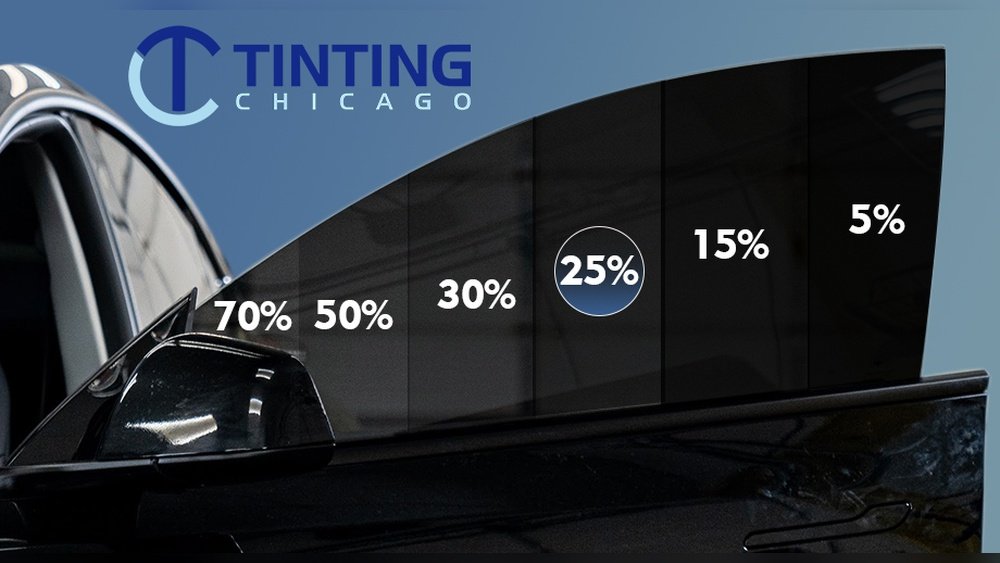
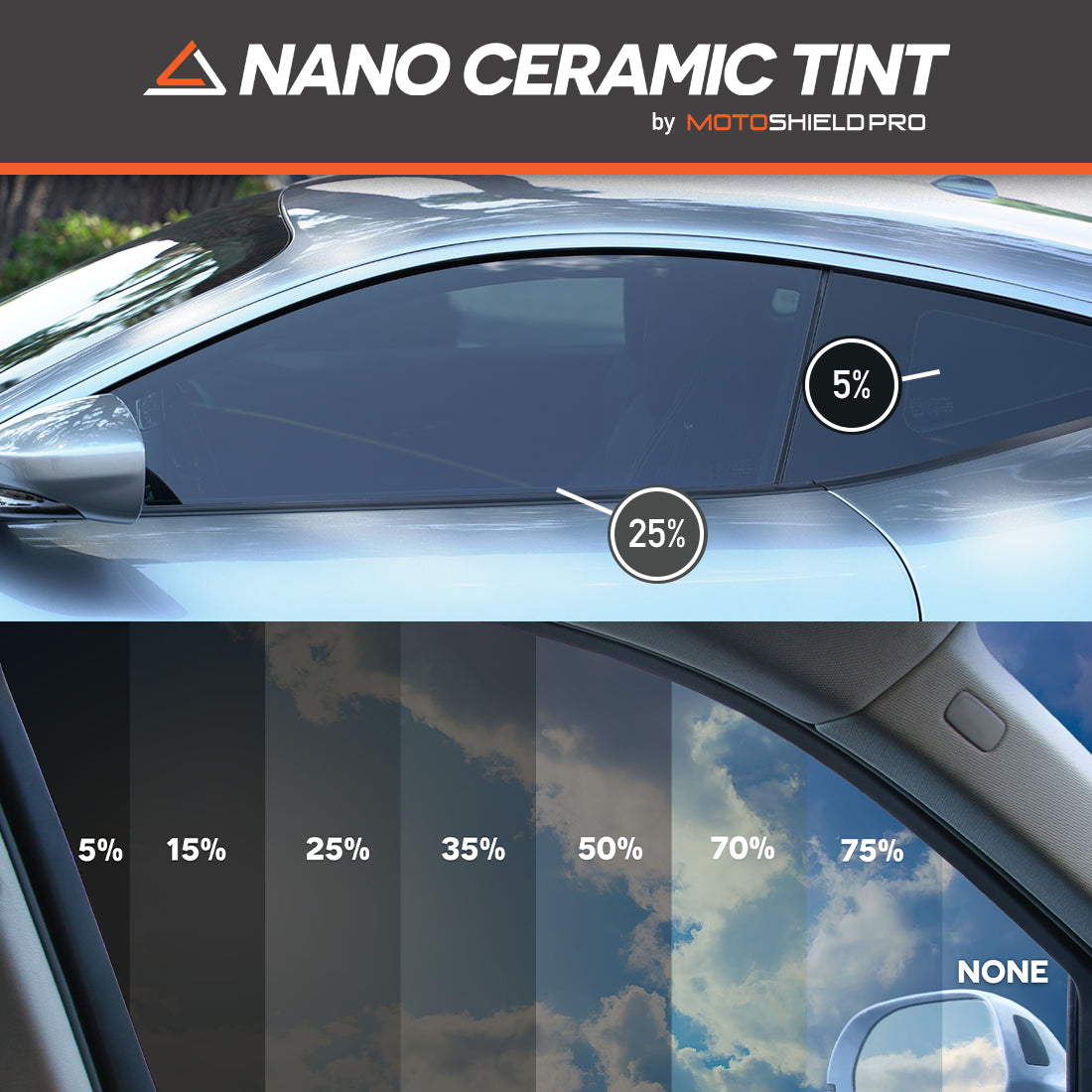
A 25 percent tint blocks 75% of light, offering moderate darkness. It provides good privacy and reduces glare effectively.
Is 5% Tint Legal In Hawaii?
No, 5% tint is illegal in Hawaii. The law requires front side windows to have at least 70% visible light transmission. Rear windows have fewer restrictions but still cannot be excessively dark without mirrors. Always follow Hawaii’s specific tint regulations to avoid fines.
Is 5% Tint Legal In Wa?
No, 5% tint is illegal in Washington. Front side windows must allow over 24% light transmission. Rear windows have no limit but require dual side mirrors if tinted.
Do They Make A 25 Percent Tint?
Yes, 25 percent tint is available and commonly used for car windows. It blocks 75% of light, offering good privacy and heat reduction. Many tint brands offer this shade to meet legal and personal preferences. Always check local laws before installation.
Conclusion
Choosing 25 percent window tint offers a good balance of privacy and visibility. It helps reduce glare and keeps your car cooler. This tint level also meets many state regulations, making it a safe choice. Remember to check local laws before installation.
Proper tint can improve driving comfort and protect your car’s interior. Overall, 25 percent tint is a practical option for everyday drivers.