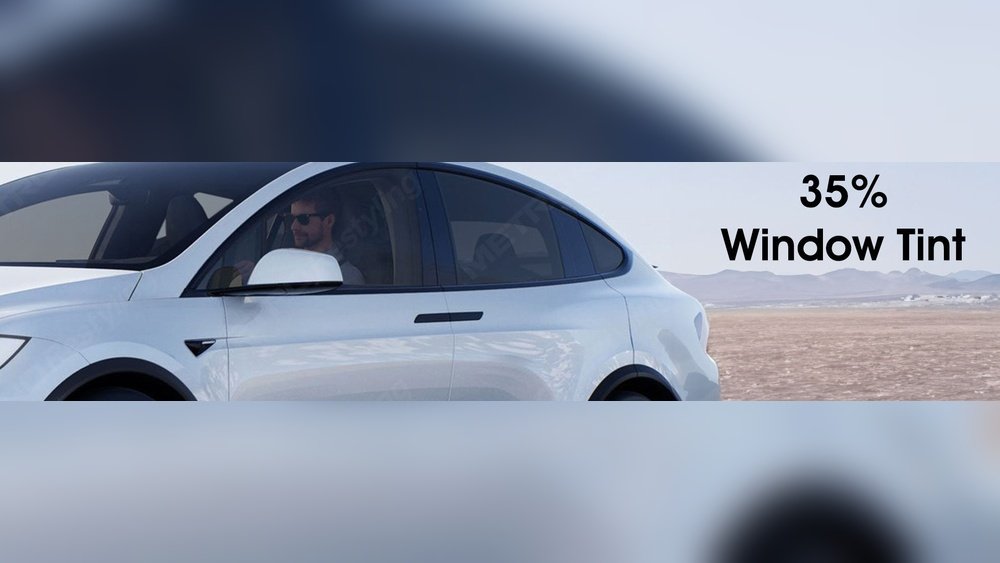
Are you thinking about upgrading your car’s look and comfort? A 35 percent window tint might be just what you need.
It offers a perfect balance—dark enough to reduce glare and heat, yet light enough to stay within most legal limits. Imagine driving with less sun in your eyes, cooler seats, and added privacy without feeling like you’re in a cave.
You’ll discover why 35 percent tint is a popular choice, how it can improve your daily drive, and what you should know before getting it installed. Keep reading to see if this tint level fits your style and needs perfectly.
Benefits Of 35 Percent Tint
Choosing 35 percent window tint offers a balanced blend of style and function. It lets enough light inside while giving your vehicle a sleek look. This tint level provides several benefits that improve your driving experience and vehicle comfort.
Enhanced Privacy
35 percent tint makes it harder for outsiders to see inside your car. This protects your belongings from prying eyes. It also adds a sense of security and personal space while driving.
Uv Protection
This tint blocks a large portion of harmful UV rays. It helps protect your skin from damage during long drives. It also prevents your car’s interior from fading and cracking over time.
Heat Reduction
Window tint helps lower the temperature inside your car. It reduces heat buildup caused by sunlight. This keeps your vehicle cooler and makes air conditioning more efficient.
Glare Minimization
The 35 percent tint reduces glare from the sun and headlights. It improves visibility and reduces eye strain. This makes driving safer and more comfortable, especially on bright days or at night.
Legal Considerations
Understanding the legal considerations of 35 percent window tint is essential for every vehicle owner. Laws vary widely by state, affecting what tint levels are allowed. Knowing these rules helps avoid fines and legal trouble. Always check your local regulations before applying any tint to your car windows.
State Tint Laws
Each state has its own laws about window tint darkness. Some states allow 35 percent tint on front side windows, while others require lighter tints. Rear windows often have more lenient rules. These laws aim to keep drivers and officers safe by ensuring clear visibility inside vehicles.
Visible Light Transmission Limits
Visible Light Transmission (VLT) is the amount of light passing through tinted windows. A 35 percent tint lets in 35 percent of outside light. Many states set a minimum VLT percentage for front windows. This limit ensures drivers can see well and police can see inside during stops.
Required Certifications
Some states require installers to provide certification for window tints. This certificate proves the tint meets state standards. Drivers must keep this document in the vehicle. Certified tint films may have labels to show compliance with the law.
Penalties For Non-compliance
Failing to follow tint laws can lead to fines and citations. Penalties vary by state and severity of violation. Some states also fine installers who use illegal tint films. In some cases, drivers must remove illegal tint to avoid further penalties.
Choosing The Right Tint
Choosing the right 35 percent window tint involves more than just picking a shade. It requires understanding your vehicle type, the tint material, and the color or reflectivity options. These factors affect the look, performance, and legality of your tint. A good choice protects your car, enhances comfort, and improves style.
Vehicle Types And Tint Compatibility
Different vehicles need different tint styles. Sedans, SUVs, and trucks vary in window size and shape. This affects how the tint fits and performs. Some vehicles may require specific tint films for the rear or front windows. Check your vehicle’s tint laws before installing. Proper compatibility ensures safety and legal compliance.
Tint Film Materials
Tint films come in several materials. Dyed films block light by absorbing it. Metalized films use tiny metal particles to reflect heat and UV rays. Ceramic films offer better heat rejection without blocking signals. Each material has pros and cons. Choose a film based on your climate and needs. Quality materials last longer and perform better.
Color And Reflectivity Options
Tint colors range from black to charcoal and even bronze hues. Darker tints block more light but may reduce visibility. Reflective tints add a mirror-like finish to reduce glare. Choose colors that suit your style and comfort. Reflectivity helps keep your vehicle cool in sunny weather. Balance appearance with function for the best results.
Credit: www.clearpro.com
Installation Process
Installing 35 percent window tint requires careful preparation and skill. The process involves cleaning the glass, cutting the tint film to size, and applying it smoothly. Proper installation ensures the tint lasts long and looks great. Understanding the steps helps you decide between professional and DIY installation.
Professional Vs Diy Installation
Professional installation offers expert skill and special tools. Experts remove dirt and bubbles for a clean finish. They handle curved windows with ease. DIY installation saves money but needs patience and practice. Mistakes like wrinkles or dust can ruin the tint. Professionals provide warranties, which DIY lacks.
Tools And Techniques
Key tools include a squeegee, utility knife, spray bottle, and heat gun. The glass must be spotless before applying tint. The film is sprayed with water for easy positioning. A squeegee removes air bubbles and excess water. Heat guns help the film conform to curved surfaces. Sharp cutting tools trim edges for a perfect fit.
Common Installation Challenges
Dust and dirt are the biggest enemies of tint application. Trapped air bubbles cause an uneven look. Curved windows require careful heating and stretching. Applying tint in cold or hot weather affects adhesion. Cutting the film too small leaves gaps, too large causes overlaps. Patience and attention to detail help avoid these problems.
Maintenance And Care
Proper maintenance and care keep 35 percent window tint looking good and lasting long. Taking simple steps helps avoid damage and preserves the film’s quality. Clean and protect the tint regularly for the best results.
Cleaning Tips
Use a soft cloth or sponge with mild soap and water. Avoid harsh chemicals or ammonia-based cleaners. Spray cleaner on the cloth, not directly on the glass. Gently wipe the tinted window to remove dirt. Dry with a clean, soft towel to prevent streaks.
Avoiding Damage
Do not use sharp tools or abrasive pads on the tint. Avoid rolling down windows for at least a week after installation. Keep the car out of direct sunlight during early days to help the tint cure. Watch for scratches or peeling and repair them quickly.
Longevity Of Tint Films
High-quality tint films can last up to 5 to 10 years. Proper care extends the life of the tint. Avoid prolonged exposure to harsh weather and chemicals. Regular cleaning and protection maintain the film’s color and strength.
Comparing Tint Percentages
Choosing the right window tint percentage affects your car’s comfort, privacy, and legal compliance. Comparing tint percentages helps you find the best balance. Each tint level blocks light differently and offers unique benefits. Understanding these differences guides a smart decision for your vehicle.
Differences Between 35% And Other Tints
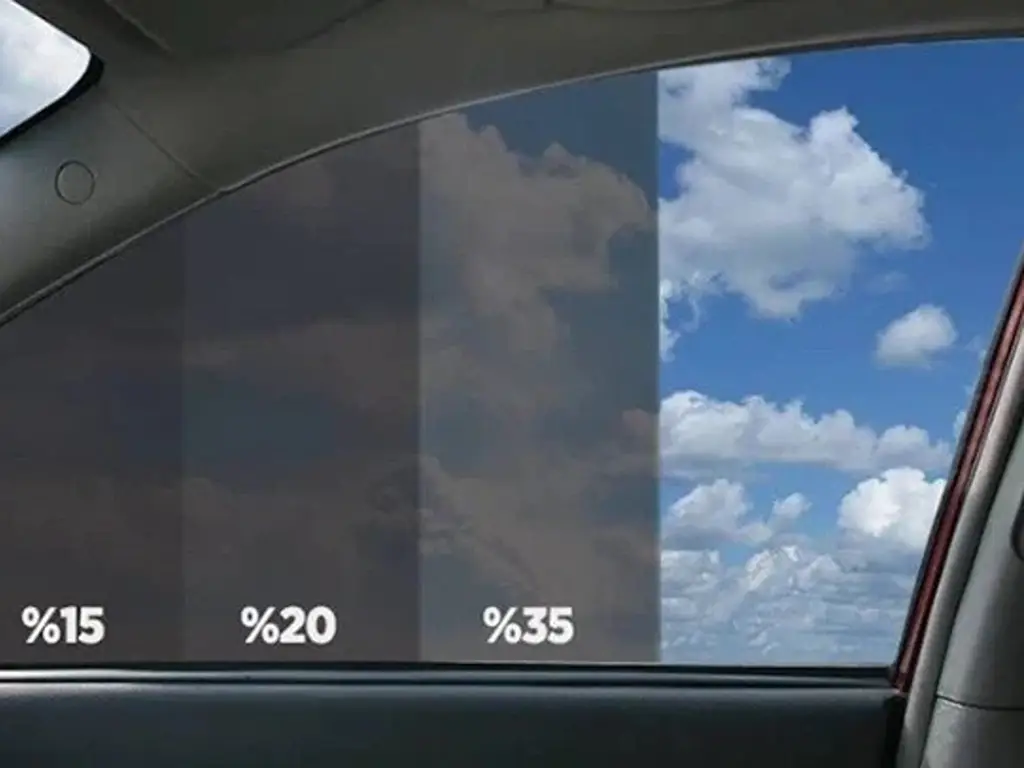
35% tint lets in 35% of visible light. It is darker than 50% but lighter than 20%. This level provides a good balance of shading and visibility. Tints like 50% are lighter and allow more light in. Darker tints, such as 20% or 5%, block more light but reduce visibility. Each tint changes how much heat and UV rays enter your car. The choice depends on your needs and local laws.
Pros And Cons
35% tint offers privacy without making windows too dark. It reduces glare and blocks some UV rays. This helps protect your car’s interior from fading. It keeps your cabin cooler in sunlight. The downside is it may not block as much heat as darker tints. Also, some states have strict rules about tint darkness. Always check local laws before choosing a tint percentage.
Choosing Based On Needs
Consider what matters most: privacy, heat reduction, or visibility. If you want clear views while reducing glare, 35% works well. For more privacy and heat protection, darker tints suit better. For bright conditions or legal limits, lighter tints are safer. Think about your climate, driving habits, and law requirements. Matching tint to your lifestyle ensures satisfaction and compliance.
Popular Brands And Products
Choosing the right 35 percent window tint means knowing the best brands and products. Quality and durability vary across options. Popular brands offer films that balance heat reduction, UV protection, and style. This section highlights trusted names and product types. It helps you pick a film that fits your needs and budget.
Top Window Tint Films
Some brands stand out for their quality and performance. Gila is known for easy-to-install films with good heat protection. Llumar offers durable films that resist fading and bubbles. 3M provides premium options with excellent clarity and strong UV defense. These brands have earned trust from many car owners and professionals alike.
Budget Vs Premium Options
Budget tints usually cost less and provide basic protection. Brands like Basic Gila or Black Magic offer affordable films. They work well for simple tinting needs but may fade faster. Premium films from 3M or Llumar last longer and block more heat and UV rays. The price difference reflects better materials and warranties.
Where To Buy
Window tint films are available at many stores and online shops. Auto parts stores like AutoZone and O’Reilly carry popular brands. Online marketplaces such as Amazon and eBay offer wide selections and competitive prices. Specialty websites like WindowTint.com provide custom sizes and expert advice. Always check for seller reviews and product authenticity before buying.
Credit: www.reddit.com
Common Myths
Many people hold wrong ideas about 35 percent window tint. These myths affect decisions and cause confusion. Let’s clear up the most common myths. Understanding facts helps you make the best choice for your vehicle.
Tint And Safety
Some think darker tints block driver vision. A 35 percent tint allows enough light for safe driving. It reduces glare from the sun and headlights. This tint also helps protect your skin from harmful UV rays. It does not make driving dangerous in daylight. At night, extra caution is always needed, regardless of tint darkness.
Impact On Resale Value
Many believe window tint lowers a car’s resale value. Actually, a neat, well-applied 35 percent tint can increase appeal. It shows the car was cared for and protected from sun damage. Buyers often appreciate the added comfort and style. Quality tinting does not harm the vehicle’s worth.
Misconceptions About Heat Protection
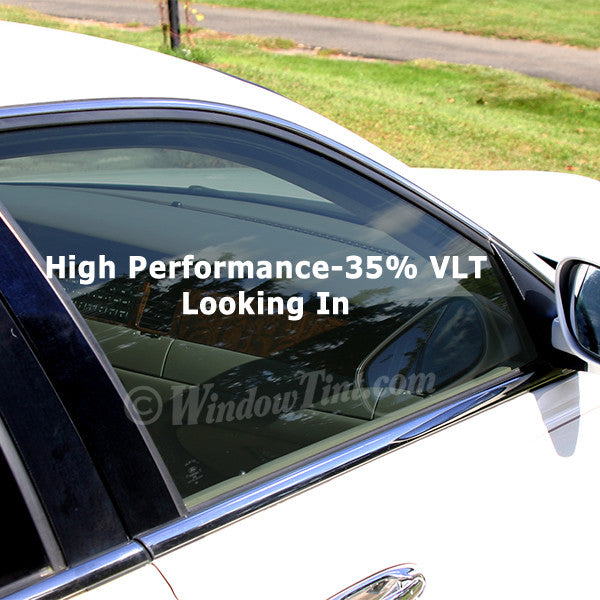
People often think all window tints block heat equally. A 35 percent tint reduces heat but is not a total shield. It cuts solar heat by reflecting some sunlight. Tints with special coatings offer better heat rejection. This tint still helps keep the car cooler and protects the interior from fading.
Credit: www.windowtint.com
Frequently Asked Questions
Is 35% Tint Dark Enough?
A 35% tint blocks 65% of light, offering moderate darkness. It provides good privacy and reduces glare without being too dark for most states. Always check local laws to ensure 35% tint complies with your area’s regulations.
Is 5% Tint Legal In Hawaii?
No, 5% tint is illegal in Hawaii for front side windows. Rear windows allow darker tints but require dual side mirrors. Always check specific window rules and carry a compliance certificate to avoid fines.
Is 35% Tint All Around Legal?
A 35% tint all around is legal in many states but varies by location. Check local laws before installation.
Is 5% Tint Legal In Wa?
No, 5% tint is illegal on front side windows in Washington. Rear windows have no VLT limit but require dual side mirrors.
Conclusion
Choosing 35 percent window tint offers a good balance of privacy and visibility. It reduces glare and heat while keeping your view clear. This tint level fits many state laws, but always check local rules first. Proper installation ensures the tint lasts long and looks good.
Whether for comfort or style, 35 percent tint serves well. Remember, safe driving is the top priority with any window tint. Consider your needs and legal limits before making a decision.