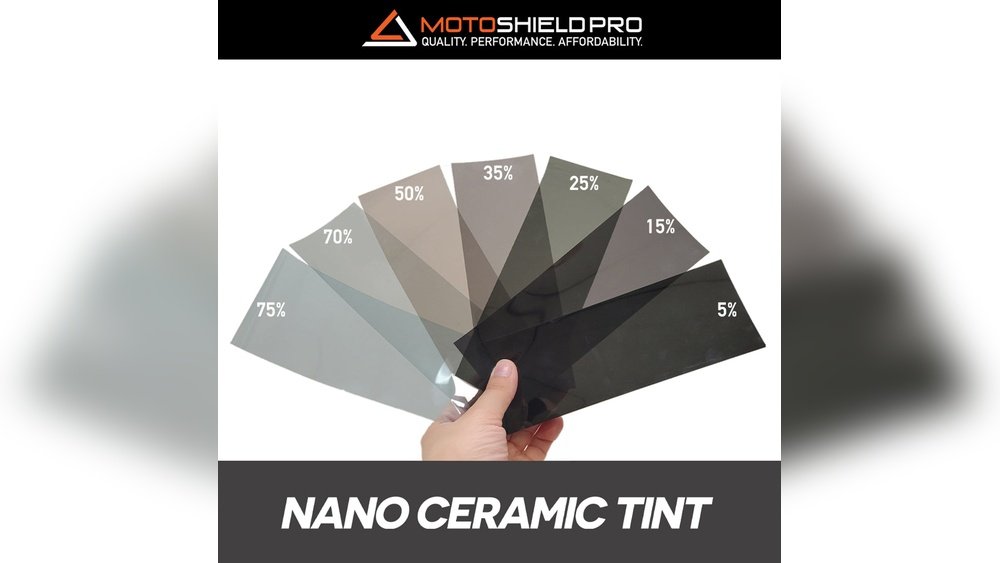
Are you considering upgrading your vehicle’s look and comfort with window tinting? If so, you’ve probably come across the term “12 percent window tint” and wondered what it really means.
This level of tint isn’t just about style—it affects your privacy, protection from the sun, and how your car handles heat. But before you decide, you need to understand how dark 12 percent tint really is, whether it’s legal in your area, and what benefits and challenges come with it.
Keep reading to discover everything you need to know about 12 percent window tint so you can make the best choice for your car and your lifestyle.
Benefits Of 12 Percent Tint
Choosing 12 percent window tint offers multiple benefits for drivers and passengers. This tint level balances style, comfort, and protection. It darkens windows enough to make a difference without overly blocking visibility.
Here are the key advantages of using 12 percent tint on your vehicle’s windows.
Enhanced Privacy
12 percent tint creates a dark barrier on your windows. It limits the view inside your vehicle. This keeps your belongings and passengers private. People outside cannot easily see who or what is inside. This feature is useful in crowded places or busy streets.
Heat Reduction
This tint blocks a significant amount of sunlight. It reduces heat buildup inside the car. Your vehicle stays cooler, especially on hot days. This lowers the need to use air conditioning often. It helps save fuel and keeps passengers comfortable.
Uv Protection
Ultraviolet rays from the sun damage skin and car interiors. 12 percent tint blocks most UV rays. This protects your skin from harmful effects. It also prevents fading and cracking of seats and dashboard. UV protection extends the life of your car’s interior.
Aesthetic Appeal
Dark tint adds a sleek, stylish look to your vehicle. It gives a modern and clean appearance. Many car owners choose 12 percent tint for its attractive finish. This tint enhances the overall look without being too dark or flashy.

Credit: cinephone.es
Legal Limits By State
Window tint laws vary widely across the United States. Each state sets its own limits on how dark you can make your car windows. These rules aim to balance privacy, heat reduction, and safety for drivers and law enforcement. Understanding these legal limits helps avoid fines and ensures your tint stays within the law.
Texas Tint Regulations
Texas has specific rules about window tint darkness and placement. The front side windows must allow more than 25% of light inside. The back side and rear windows can be darker, often 25% or less visible light transmission. The windshield may only have a tint strip at the top. The law is strict to ensure driver visibility and safety.
Variations Across States
Each state has unique tint limits and rules. Some allow darker tints on rear windows but lighter on front windows. Others require dual side mirrors if rear windows have very dark tint. Windshield tint rules vary widely. States like New Mexico and Mississippi have more relaxed laws. Always check local laws before tinting your vehicle.
Medical Exemptions
Many states provide medical exemptions for window tinting. Drivers with certain health conditions may get permission for darker tints. These exemptions require official documentation and approval. The goal is to protect those sensitive to sunlight while following safety rules. Always carry your medical exemption certificate when driving.
Enforcement And Penalties
Law enforcement officers check window tints during traffic stops. Illegal tint can result in fines or orders to remove the tint. Some states also penalize installers for applying illegal tint. Penalties vary but can include hefty fines. Keeping your tint within legal limits avoids trouble and keeps you safe on the road.
Choosing The Right Tint
Choosing the right window tint is important for both style and safety. It affects how much light enters your vehicle and how visible you are to others. Picking the right tint balances privacy, heat reduction, and legal limits. Understanding different tint types and rules helps you make a smart choice.
Factory Tint Vs Aftermarket
Factory tint comes pre-applied by the car maker. It is usually lighter and designed to meet legal rules. Aftermarket tint is added later by professionals. It offers more options like darker shades or special films. Aftermarket tint can block more heat and UV rays than factory tint.
Vehicle Type Considerations
Different vehicles have different tint rules. Sedans, SUVs, and trucks may have separate legal limits. Larger vehicles often allow darker tints on rear windows. Knowing your vehicle type helps you follow laws and avoid fines. Also, some cars have curved windows that need special tint films.
Rear Vs Front Window Tinting
Rear windows usually allow darker tint than front side windows. Front windows must let more light in for driver safety. Some states require dual side mirrors if rear windows are very dark. Always check local laws before tinting front or rear windows. This avoids legal trouble and keeps visibility clear.
Reflectivity And Visibility
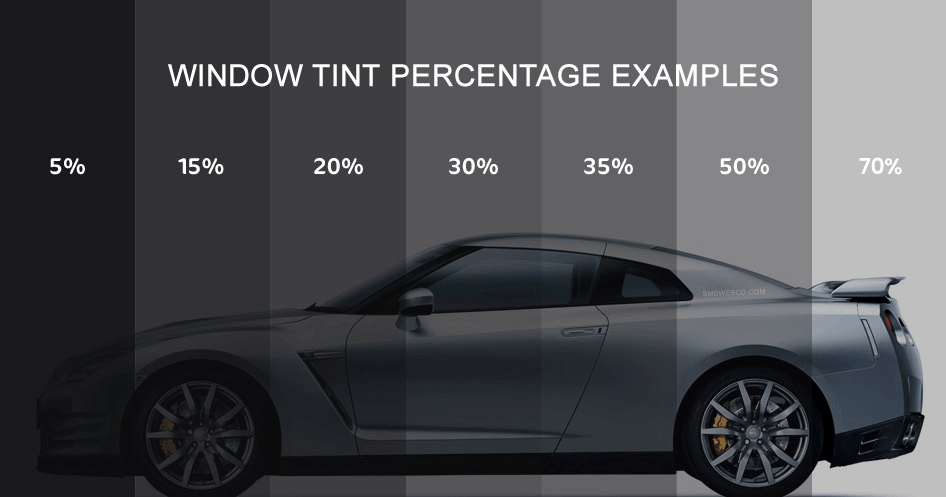
Reflective tints reduce glare but can look like mirrors to others. Non-reflective tints lower heat and block UV rays without shine. High reflectivity may cause issues with other drivers at night. Visibility inside and outside the car is key for safety. Choose a tint that balances privacy with clear sight.
Credit: huckandcompany.com
Installation Tips
Installing 12 percent window tint requires care and attention. Proper installation ensures the tint looks great and lasts long. Follow these tips to get the best results for your vehicle.
Selecting A Professional Installer
Choose an installer with experience in 12 percent window tint. Check reviews and ask for examples of past work. A skilled installer avoids bubbles and wrinkles. They use the right tools and techniques for a smooth finish. Professional service saves time and reduces errors.
Quality Of Tint Films
High-quality tint films provide better heat rejection and durability. Look for films with UV protection and scratch resistance. Cheap films may fade or peel quickly. Investing in good tint improves comfort and protects your car’s interior. Quality films also maintain clear visibility.
Maintenance And Care
Clean tinted windows gently to avoid damage. Use a soft cloth and mild soap solution. Avoid ammonia-based cleaners; they can harm the tint. Do not roll down windows for a few days after installation. Regular care extends the life of your tint and keeps it looking new.
Warranty And Certification
Ask about the warranty offered by the installer or manufacturer. A solid warranty covers defects and fading for several years. Certification from professional bodies assures the tint meets safety standards. Keep warranty documents safe for future reference or claims. This protects your investment in quality tint.
Common Myths And Facts
Many people have questions about 12 percent window tint. Some believe myths that cause confusion. It is important to know facts to make smart decisions. This section clears up common myths and shares true information.
Tint And Officer Safety
Some think dark tint hides people from police. Actually, officers can still see inside cars during stops. Drivers usually roll down windows to talk with officers. Laws require this for safety and clear visibility. Dark tint does not block all visibility. It balances privacy with safety.
Impact On Driving Visibility
People worry 12 percent tint blocks vision. This tint lets in some light but reduces glare and heat. It helps drivers see better in bright sunlight. At night, it may lower visibility slightly but is still safe if installed properly. Good quality tint improves comfort without harming safety.
Tint And Vehicle Resale Value
Some believe dark tint lowers car value. The truth depends on buyer preferences and local laws. Many buyers like tinted windows for privacy and style. Illegal or poorly done tint may hurt resale value. Properly installed, legal tint can make a car more attractive. It often adds appeal without reducing worth.
Heat Protection Technologies
Heat protection technologies in 12 percent window tint play a vital role. These technologies help block the sun’s heat, keeping the car cooler. They improve comfort and protect the interior from damage. Understanding these options helps you choose the best tint for your needs.
Ceramic Vs Metallic Films
Ceramic films use tiny ceramic particles to block heat. They do not interfere with signals or radio waves. Metallic films contain metal layers that reflect heat. They can cause signal interference sometimes. Ceramic tints offer better clarity and durability. Metallic tints are usually less expensive. Both types reduce heat but work differently.
Infrared Rejection
Infrared rejection is key for heat control. Infrared rays carry the most heat from sunlight. Good window tints block these rays effectively. This keeps the cabin temperature much lower. It reduces the need for air conditioning. Infrared rejection improves driving comfort on hot days. Look for tints with high infrared blocking ratings.
Energy Savings Benefits
Heat-blocking tints lower energy use in vehicles. Less heat entering means less air conditioning needed. This saves fuel and reduces emissions. It also extends the life of your car’s cooling system. Energy savings add up over time with proper tinting. Choosing the right tint helps protect the environment and your wallet.
State-specific Case Studies
Window tint laws differ widely across the United States. Each state sets its own rules on how dark a tint can be. This section highlights some state-specific case studies on 12 percent window tint. These examples show how local laws shape tinting options and restrictions.
Texas Window Tinting Examples
Texas allows front side windows to have at least 25 percent visible light transmission (VLT). Rear side and back windows can be darker. Many Texans prefer 12 percent tint on these rear windows. It provides privacy and blocks heat well.
Drivers must carry a tint certificate after installation. Law enforcement often checks tint compliance during traffic stops. Fines apply if tint is too dark on front windows. Texas law balances driver comfort and safety visibility.
Hawaii Tint Law Updates
Hawaii recently updated its tint laws. The front side windows must allow 70 percent light in. Rear windows can be darker, but 12 percent tint is not always legal. The state focuses on driver visibility and officer safety.
Authorities remind drivers to avoid illegal tints. Police may require drivers to lower windows for inspection. The changes aim to reduce accidents and improve traffic stops. Hawaii’s tropical climate also influences tint choices.
New Mexico And Mississippi Rules
New Mexico permits 20 percent VLT on front side windows. Rear windows can have darker tints, including 12 percent in some cases. The law treats sedans and SUVs similarly. Drivers must ensure tint is within legal limits to avoid fines.
Mississippi offers more lenient tinting rules. Front side windows require at least 28 percent light transmission. Rear windows allow much darker tints, often including 12 percent. The state requires a compliance certificate for installed tints.
Both states focus on balancing heat reduction and safety. Drivers should always check local regulations before tinting their vehicles.

Credit: www.ebay.com
Frequently Asked Questions
Is 12% Tint Dark?
A 12% tint is very dark, allowing only 12% of light to pass through. It offers strong privacy and glare reduction.
In What State Is 20% Tint Legal?
20% tint is legal in states like New Mexico, Arkansas, Colorado, Mississippi, Montana, Oklahoma, South Carolina, Texas, and Washington. Always check local laws, as regulations vary by window type and vehicle.
Is 5% Tint Legal In Hawaii?
No, 5% tint is illegal on front side windows in Hawaii. Front windows must allow at least 70% light transmission. Rear windows have fewer restrictions. Always check local laws before tinting.
Is 20% Tint Legal In Texas?
In Texas, 20% tint is illegal on front side windows. Rear side windows allow any darkness. Medical exemptions apply.
Conclusion
Choosing 12 percent window tint offers strong heat and glare reduction. It helps protect your car’s interior from sun damage. This tint level also improves privacy while driving. Remember to check your local tint laws before installation. Proper tinting keeps you safe and legal on the road.
Consider your needs and vehicle type for the best results. A good tint balances comfort, style, and safety effectively.