Are you considering 3 percent window tint for your car but wonder if it’s the right choice for you? This ultra-dark tint can instantly transform your vehicle’s look, giving it a sleek, mysterious vibe.
But there’s more to 3 percent tint than just style—it affects your privacy, comfort, and even legal standing. You’ll discover what makes 3 percent tint unique, the benefits it offers, and important things you need to know before making your decision.
Keep reading to find out if this bold tint is the perfect fit for your ride.
What Is 3 Percent Window Tint
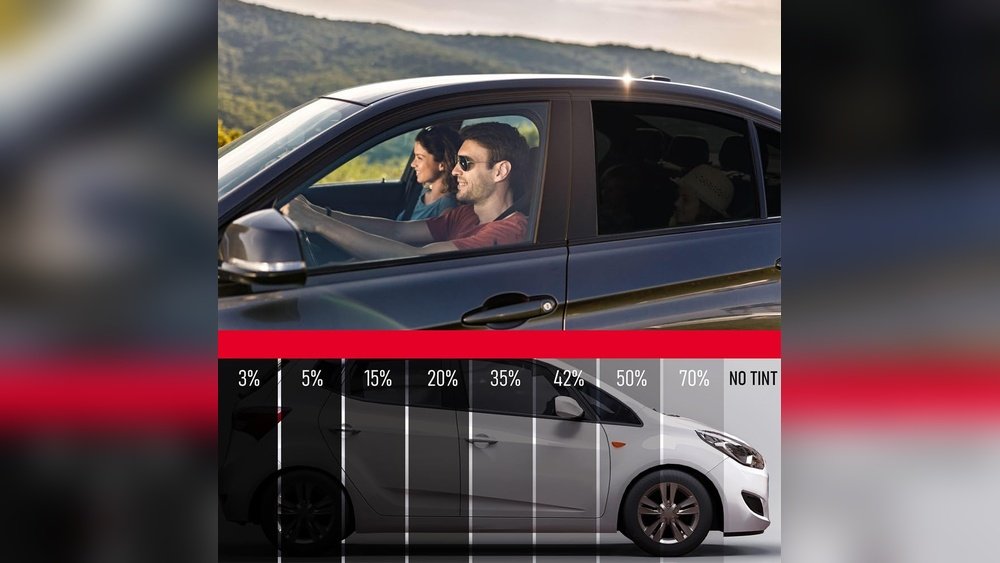
3 Percent Window Tint is a type of film applied to vehicle windows. It allows only 3% of visible light to pass through. This means it is very dark and blocks most light. People use it for privacy and heat reduction. It also gives a sleek, stylish look to cars.
This tint is often called “limo tint” because limousines use a similar darkness level. It reduces glare from the sun and headlights. It also helps keep the car interior cooler on hot days.
What Does 3 Percent Window Tint Look Like?
3 Percent tint looks almost black from outside. You cannot see inside the car easily. From inside, you can see out but with less brightness. It creates a strong barrier against bright light and prying eyes.
How Does 3 Percent Tint Affect Visibility?
The tint lowers the amount of light entering the vehicle. This can make driving at night harder for some people. It reduces glare but also reduces clarity in low light. Some drivers may find it too dark for safe night driving.
Is 3 Percent Window Tint Legal?
Many states have laws about how dark tint can be. 3 Percent tint is often too dark for front windows. Some states allow it only on rear windows or back glass. Always check local laws before installing 3 Percent tint.
Benefits Of 3 Percent Tint
Applying 3 percent window tint offers several key benefits for vehicle owners. This ultra-dark shade provides excellent control over light and heat entering your car. It improves comfort and protects your privacy. Drivers often choose 3 percent tint for these strong advantages.
Privacy Enhancement
3 percent tint blocks most outside views into your vehicle. It creates a dark barrier that keeps prying eyes away. This level of privacy helps protect your belongings inside. It also offers a sense of security and personal space while driving or parked.
Heat Reduction
This tint significantly cuts down on heat from sunlight. It lowers interior temperatures by blocking solar energy. Cooler cabin means less need for air conditioning. This helps save fuel and improves driving comfort during hot days.
Uv Protection
3 percent window tint blocks up to 99% of harmful UV rays. This protection shields your skin from damage while driving. It also prevents interior materials from fading and cracking. UV blocking extends the life of your vehicle’s upholstery and dashboard.
Legal Limits By State
Window tinting laws vary widely across the United States. Each state sets its own rules about how dark 3 percent window tint can be. Knowing these legal limits is important before tinting your vehicle. This helps avoid fines and keeps your car safe and street-legal.
Texas Tint Laws
Texas has strict rules for window tinting. The front side windows must allow more than 25% of light in. The back side and rear windows can have darker tint, but it cannot be too dark to see clearly inside. Windshield tinting is allowed only on the top few inches.
Texas law also requires a certificate for tint films that block more than 25% of light. Police use special tools to check tint darkness. Drivers must follow these rules or face penalties.
Other State Regulations
Many states have different limits for window tint darkness. Some states allow darker tints on rear windows but restrict front windows. Others require a minimum percentage of light to pass through all windows.
For example, California limits front side window tint to 70% visible light transmission. Florida allows 28% on front windows and darker tints on rear windows. New York requires front windows to be almost clear.
Each state also has rules on reflective or mirrored tints. Always check your local laws before applying 3 percent tint to avoid trouble.
Consequences Of Illegal Tint
Illegal window tint can lead to fines and citations. Police officers use tint meters to test your windows. If tint is too dark, you may get a ticket or be asked to remove it.
In some states, illegal tint can cause your vehicle to fail inspection. This means you cannot legally drive until the tint is fixed. Insurance claims may also be affected if tint does not meet legal standards.
Following state tint laws keeps you safe and avoids costly penalties. Always check rules before applying any window tint.
How Police Test Tint Darkness
Police officers use specific methods to check how dark your window tint is. They need to know if your tint meets legal limits. These tests help officers see if your tint blocks too much light. Understanding their process can help you stay compliant with the law.
Using A Tint Meter
A tint meter is a small handheld device. It measures the amount of light passing through your windows. This is called Visible Light Transmission (VLT). Officers place the meter on the glass to get a quick reading. The device shows a number that tells how dark the tint is. Each state has a legal VLT limit. If your tint is darker than allowed, you may get a ticket.
Flashlight And Visual Checks
Police also use flashlights for a quick check. They shine the light through the window to see how much passes. If the light is very dim or blocked, the tint might be too dark. Officers watch if they can see inside the car clearly. Visual checks help decide if a detailed test with a meter is needed. This method is fast and common during traffic stops.
Probable Cause For Stops
Officers must have a reason to test your tint. This is called probable cause. If your windows look very dark or you cannot be seen clearly, it may raise suspicion. Police can then pull you over to check the tint. They use their tools to confirm if the tint breaks the law. Knowing this can help you avoid legal trouble by following tint rules.
Cost Factors For 3 Percent Tint
The cost of 3 percent window tint varies based on several factors. These factors affect the final price you pay. Understanding them helps you plan your budget better. Each element plays a role in the overall cost of tinting your vehicle.
Film Quality And Type
The quality of the tint film impacts the cost significantly. Premium films block more heat and last longer. Types include dyed, metallic, and ceramic films. Ceramic films tend to be the most expensive but offer the best performance. Lower quality films are cheaper but may fade or bubble over time.
Vehicle Size And Coverage
The size of your vehicle affects how much film you need. Larger vehicles like SUVs require more tint film than sedans. The more glass surface you cover, the higher the cost. Full car tinting costs more than tinting just the front or rear windows. Decide how many windows you want tinted to estimate the cost accurately.
Professional Installation Fees
Professional installation adds to the total cost of 3 percent tint. Expert installers ensure the film is applied smoothly and without bubbles. Installation fees vary by location and shop reputation. Choosing a skilled installer reduces the risk of mistakes and improves the tint’s lifespan. DIY installation may save money but risks poor results.

Credit: porchlightrental.com
Installation Process
The installation process of 3 percent window tint requires care and precision. This very dark tint blocks most light, so it must be applied smoothly to avoid bubbles or wrinkles. Proper installation helps the film last longer and look better on your windows.
Choosing the right installation method affects the final result. Some people try to install the tint themselves, while others prefer to hire a professional. Each option has its own pros and cons.
Diy Vs Professional
Doing the installation yourself can save money. You need a clean space, patience, and the right tools. Mistakes like dust or bubbles can ruin the look. Removing errors can be hard and may waste the film.
Professional installers have experience and special tools. They work faster and give a neater finish. Their work usually comes with a warranty. This adds peace of mind and protects your investment.
Common Challenges
Applying 3 percent tint can be tricky. The dark shade makes imperfections easy to see. Dust, dirt, or moisture under the film create bumps. Cutting the film to fit curved windows requires skill. Heat can cause the film to shrink or peel if not installed properly.
Removing old tint before applying new film is important. Leftover adhesive can prevent the new tint from sticking well. Extra care is needed on edges to avoid peeling over time.
Maintenance Tips
After installation, wait a few days before rolling down windows. This allows the tint to fully bond with the glass. Clean tinted windows gently with a soft cloth and mild cleaner. Avoid ammonia-based products as they can damage the film.
Regular cleaning keeps the tint clear and free from scratches. Check edges for lifting or bubbles and fix them early. Proper care extends the life and appearance of your 3 percent window tint.
Choosing The Right Film
Choosing the right film for your 3 percent window tint is key. It affects heat rejection, privacy, and style. Each type of film offers distinct benefits. Understanding these can help you pick the best option for your needs and budget.
Ceramic Vs Carbon Vs Dyed Films
Ceramic films block heat well and do not fade. They keep your car cool without affecting signals. Carbon films also reduce heat and resist fading. They have a matte finish that many find appealing. Dyed films are the most affordable but fade faster. They mainly block light and provide privacy but less heat rejection.
Performance And Durability
Ceramic films last the longest and perform best under the sun. Carbon films are durable and maintain color over time. Dyed films may peel or bubble after years. Choosing a film with good warranty ensures long-term performance. Durable films save money on replacements and keep your car protected.
Appearance And Style
Ceramic films have a sleek, clear look with no metal shine. Carbon films give a smooth, dark tone with a matte finish. Dyed films appear darkest but can look dull after fading. Consider your car’s style and how the tint complements it. A good appearance boosts your car’s overall look and value.

Credit: www.autoloverstinting.com
Alternatives To 3 Percent Tint
Choosing 3 percent window tint is popular for privacy and heat reduction. Some drivers want similar benefits but need different options. Alternatives to 3 percent tint offer varying levels of darkness and protection. These choices can suit legal limits, comfort needs, or personal taste. Exploring these options helps find the best fit for your vehicle.
Lighter Tint Options
Lighter tints let more light enter the car. They still reduce glare and block some heat. These films come in 20, 35, or 50 percent shades. They improve visibility while offering UV protection. Lighter tints often comply with stricter tint laws. They are easy on the eyes and keep the cabin cooler.
Window Shades And Covers
Window shades attach inside the car to block sunlight. They are removable and come in many styles. Covers can be rolled up or folded when not in use. Shades offer quick heat relief without permanent changes. These tools also protect interiors from sun damage. They work well for short stops or parked cars.
Other Heat-blocking Technologies
Advanced films use ceramic or metallic layers. These block heat without heavy tinting. Some films reflect infrared light while allowing visible light in. Solar control glass is another solution. It reduces heat and UV rays efficiently. These technologies keep cars cooler and maintain clear views.

Credit: www.reddit.com
Frequently Asked Questions
Is There A Such Thing As 3% Tint?
Yes, 3% tint exists and allows only 3% of visible light through. It’s extremely dark and often illegal for vehicle windows.
What States Allow 5%?
States allowing 5% window tint include Arkansas, California, Delaware, Iowa, Maine, Michigan, Missouri, Nevada, New Jersey, North Dakota, Ohio, Utah, Vermont, Georgia, and Kansas. Always verify current laws with your state’s DMV, as regulations may change.
How Much Does 3m Tint Cost?
3M tint costs range from $150 to $400, depending on film type, vehicle size, and coverage. Premium films cost more. Professional installation fees vary by shop.
How Do Cops Know If Your Tint Is Too Dark?
Cops use a tint meter to measure visible light transmission (VLT) through windows. They also check if they can see the driver’s face or shine a flashlight through the glass. If the tint blocks too much light below legal limits, they may issue a violation.
Conclusion
Choosing 3 percent window tint offers strong privacy and heat reduction. It blocks most sunlight, keeping your car cooler. This tint style fits those valuing darkness and style. Remember to check local laws before installing any tint. Proper installation ensures long-lasting performance and clear vision.
Overall, 3 percent tint combines function with a sleek look. It suits drivers wanting a bold, private ride. Consider your needs and legal limits carefully. This way, you enjoy comfort and comply with rules.