Are you thinking about upgrading your car’s look and comfort with window tint? Choosing the right tint can make a huge difference, and 30 percent window tint is one of the most popular options out there.
But what exactly does “30 percent” mean for your driving experience? How will it affect your privacy, visibility, and protection from heat? You’ll discover everything you need to know about 30 percent window tint — from what the numbers mean to how it fits with legal rules in your state.
By the end, you’ll be ready to decide if this tint level is the perfect match for your vehicle and lifestyle. Keep reading to find out why 30 percent tint might be just what your car needs.
What 30 Percent Tint Means
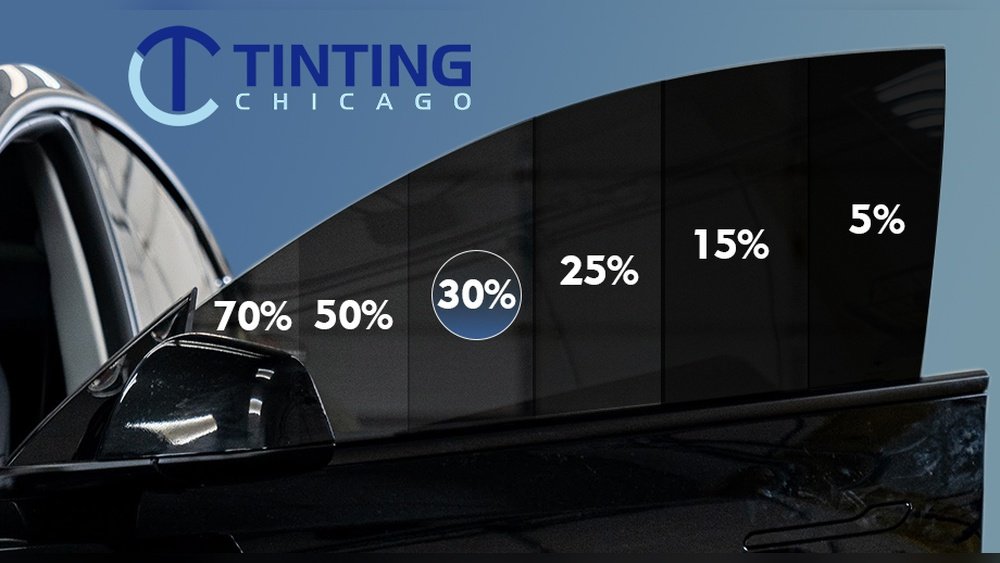
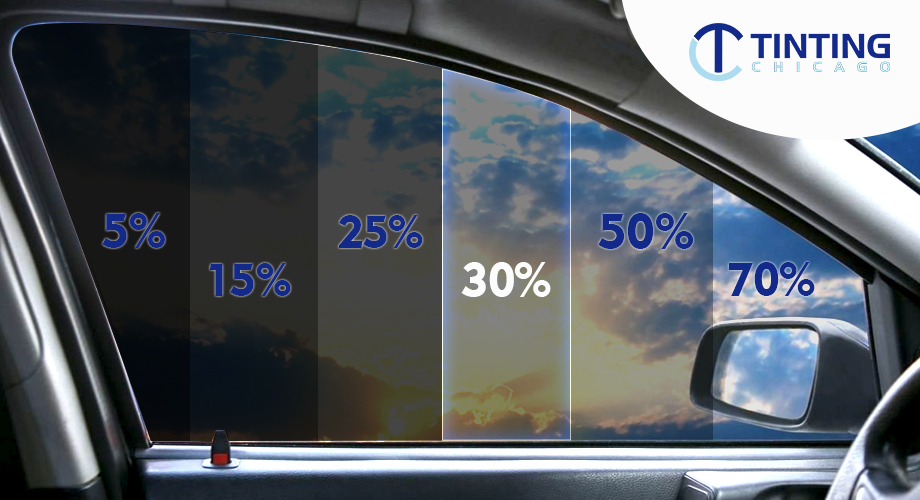
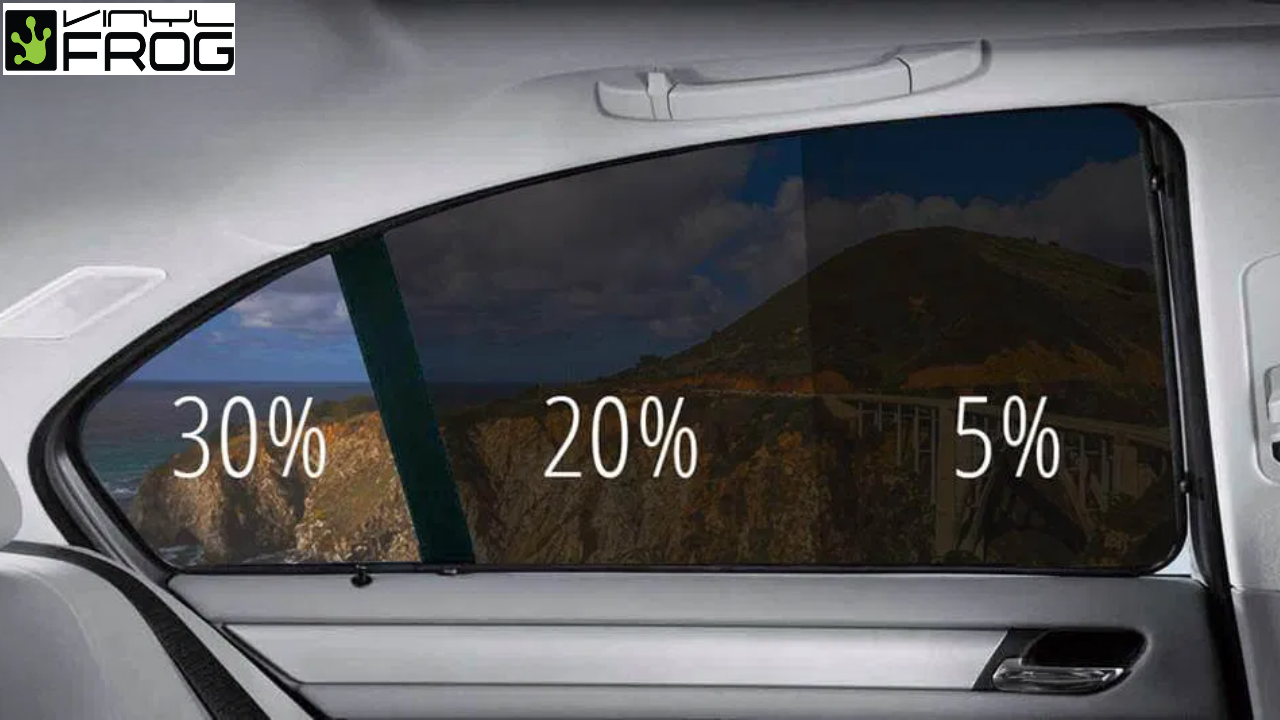
Understanding what 30 percent window tint means helps you choose the right film for your vehicle. This number refers to the amount of visible light that passes through the tinted window. A 30 percent tint allows 30 percent of outside light to enter your car. It balances privacy, visibility, and protection from sun glare and heat. This tint level is popular because it offers comfort without making windows too dark.
Visible Light Transmission Explained
Visible Light Transmission, or VLT, measures how much light passes through the tint. At 30 percent VLT, only 30 percent of the outside light can get inside. This means the tint blocks 70 percent of light. The lower the VLT, the darker the tint looks from outside. A 30 percent tint offers moderate darkness while still letting in enough light for good visibility.
Privacy Level
A 30 percent tint gives decent privacy during the day. People outside find it harder to see inside your car. The tint reduces the view into your vehicle without blocking it completely. This level of privacy helps protect your belongings and adds a layer of security. At night, privacy is lower since lights inside the car make the interior more visible.
Night And Day Visibility
Daytime visibility with 30 percent tint remains clear and comfortable. The tint reduces glare without making it hard to see. At night, this tint still allows good visibility out of the vehicle. It is darker than lighter tints but does not block too much light. This balance helps drivers stay safe in low-light conditions while enjoying some privacy.
Heat And Glare Reduction
One benefit of 30 percent tint is cutting down heat inside the car. The tint reflects and absorbs sunlight, lowering the temperature inside. It also reduces glare from the sun and bright headlights. This makes driving more comfortable and protects your car’s interior from fading. The tint helps keep your vehicle cooler, especially in sunny climates.
Benefits Of 30 Percent Tint
Choosing 30 percent window tint offers a balance between style and function. It lets in a fair amount of light while providing several practical benefits. This level of tint enhances your driving experience and adds value to your vehicle. Below are some key benefits of 30 percent tint that make it a popular choice among car owners.
Enhanced Privacy
30 percent tint makes it harder for others to see inside your car. It shields your belongings from prying eyes. This tint level provides privacy without making the windows too dark. It is ideal for those who want security and discretion during the day.
Uv Protection
This tint blocks a large amount of harmful UV rays. It helps protect your skin from sun damage. It also reduces fading and cracking of your car’s interior. UV protection extends the life of your vehicle’s upholstery and dashboard.
Temperature Control
30 percent tint helps keep your car cooler in hot weather. It reduces heat build-up by blocking sunlight. This means less need for air conditioning. A cooler car improves comfort and saves fuel.
Improved Aesthetics
This tint adds a sleek, polished look to your vehicle. It gives your car a more modern and stylish appearance. The dark shade complements most car colors. It enhances your car’s overall curb appeal without being too bold.
Glare Reduction
30 percent tint reduces glare from the sun and headlights. It improves visibility and reduces eye strain while driving. This makes driving safer, especially during bright days and at night. Glare reduction helps maintain focus on the road.
Legal Rules By State
Window tint laws change from state to state. Each state sets its own rules about how dark the tint can be. Knowing these laws helps avoid fines and ensures safety on the road.
Many states focus on the difference between front and rear window tinting. The rules depend on which window you want to tint and the type of vehicle you drive.
Front Vs Rear Window Regulations
Front windows usually have stricter tint limits. States want drivers to see clearly through these windows. Rear windows often allow darker tint. This provides more privacy for passengers.
For example, many states require at least 70% visible light transmission (VLT) on front windows. Rear windows may allow 30% or less VLT. Always check your state’s exact numbers.
Variations For Vehicle Types
Rules differ for passenger cars, trucks, and SUVs. Some states allow darker tint on trucks’ rear windows. Others treat all vehicles the same. Commercial vehicles sometimes have separate regulations.
It is important to know which category your vehicle fits. This helps you choose the right tint and stay legal.
Examples From Texas, Florida, California
Texas lets front side windows have at least 25% VLT. Rear windows can be much darker, even non-reflective. Florida requires 28% VLT on front side windows. Rear windows can be darker or even tinted any amount on SUVs.
California is stricter. Front side windows must allow at least 70% VLT. Rear windows can have any tint darkness. These differences show how states vary widely.
Consequences Of Illegal Tinting
Illegal window tint can lead to fines and warnings. Police may ask you to remove tint if too dark. In some cases, vehicles can fail safety inspections. Excessive tinting may also reduce visibility and cause accidents.
Following state laws keeps you safe and avoids penalties. Always check local rules before tinting your windows.

Credit: cityofharrah.com
Choosing The Right Tint Film
Choosing the right tint film is essential for your vehicle’s comfort and style. A 30 percent window tint balances privacy with visibility. Understanding the types, durability, heat rejection, and cost helps you pick the best option.
Types Of Window Tint Films
There are several types of tint films available. Dyed films are affordable and reduce glare. Metalized films block heat and strengthen windows. Ceramic films offer superior heat rejection without blocking signals. Hybrid films combine dyed and metalized layers for better performance.
Durability And Warranty
Durability varies by film type and brand. Ceramic tints usually last longer and resist fading. Some films come with warranties covering bubbling or peeling. Check the warranty to ensure long-term protection. Proper installation also affects durability.
Heat Rejection Ratings
Heat rejection shows how much solar heat the tint blocks. Higher ratings mean cooler interiors. Ceramic films often have the best heat rejection. Metalized films also block heat well. Choose a film with good heat rejection for hot climates.
Cost Differences
Prices vary depending on film type and quality. Dyed films are the cheapest option. Metalized and hybrid films cost more. Ceramic films are the most expensive but offer better benefits. Consider your budget and needs before deciding.
Installation Process
Installing 30 percent window tint requires care and attention to detail. The process affects the final look and durability of the tint. Proper installation ensures better heat reduction and privacy. Understanding the steps helps avoid bubbles and peeling. Here is a clear guide to the installation process.
Professional Vs Diy Tinting
Professional tinting offers expert skills and tools. They handle tricky curves and edges with ease. DIY tinting saves money but needs patience and practice. Mistakes in DIY can cause bubbles and wrinkles. Professionals often provide warranties for their work. Choose based on your budget and skill level.
Preparation Steps
Clean the window surface thoroughly before applying tint. Remove all dirt, dust, and grease using a glass cleaner. Dry the glass completely with a lint-free cloth. Measure and cut the tint film to fit the window size. Work in a dust-free environment to avoid trapped particles.
Application Techniques
Spray a soapy water solution on the window to help position the film. Peel the protective layer from the tint carefully. Place the film on the wet window surface and adjust it. Use a squeegee to push out water and air bubbles. Trim extra film with a sharp blade for a clean edge.
Common Installation Mistakes
Skipping the cleaning step leads to trapped dust under the film. Cutting the tint too small or too large causes poor fit. Using too much pressure can tear the film or cause wrinkles. Not removing all air bubbles will create permanent spots. Rushing the process reduces the tint’s lifespan.
Credit: www.tintingchicago.com
Maintenance Tips
Proper care keeps 30 percent window tint looking great and lasting longer. Follow simple steps to maintain its appearance and function. Clean regularly and protect the tint from damage. Watch for signs that indicate it needs replacement. These tips help you enjoy the benefits of window tint every day.
Cleaning Best Practices
Use a soft cloth or microfiber towel for cleaning. Avoid abrasive materials that scratch the tint surface. Spray a mild soap and water solution, not ammonia-based cleaners. Wipe gently to remove dirt and smudges. Clean both inside and outside windows carefully. Let the tint dry naturally to prevent streaks.
Avoiding Damage
Do not use sharp objects near the tinted windows. Avoid rolling down windows for at least a week after installation. Keep pets away from scratching the tint film. Park in shaded areas to reduce sun damage. Avoid extreme temperature changes that can cause peeling. Handle windows with care to prevent bubbling or cracking.
When To Replace Tint
Replace tint if it peels or bubbles badly. Look for discoloration or fading that reduces effectiveness. Check for scratches that affect visibility. If the tint cracks or separates from the glass, it needs replacement. Noticeable damage lowers heat and glare protection. Schedule a replacement to restore comfort and privacy.
Cost Factors
Understanding the cost factors of 30 percent window tint helps in making a smart choice. Prices vary due to many reasons. Knowing these details saves money and time. It also ensures you get good value for your investment.
Price Range For 30 Percent Tint
Costs for 30 percent window tint usually range from $100 to $400. The price depends on the car size and number of windows. Small cars cost less to tint than larger vehicles. Prices may also differ by region and provider.
Factors Affecting Cost
Quality of the tint film affects the price. Higher quality films last longer and block more heat. Installation method matters too. Professional installation costs more but gives better results. Some cars have complex window shapes that increase labor time. Local laws may require specific tint types, impacting price.
Comparing Quotes
Get multiple quotes before deciding. Check what each quote includes. Some prices cover only materials, not labor. Ask about warranties on both film and installation. Compare customer reviews for reliability. Choose a provider offering fair price and good service.
Popular Products And Brands
Many drivers choose 30 percent window tint for its balance of privacy and visibility. This tint blocks a good amount of sunlight while keeping the view clear. Several brands and products stand out in this category. They offer quality films that suit different needs and budgets. Below, explore popular options, trusted sellers, and honest customer feedback.
Top Rated Tint Films
Some window tint films have earned top ratings for quality and durability. Brands like 3M, Llumar, and Huper Optik offer films with strong heat rejection and scratch resistance. These films maintain clarity and color over time. They also meet many state regulations for legal tint levels.
Other popular choices include Gila and SunTek. These brands provide affordable options without sacrificing performance. Many films come with warranties to protect against bubbling and fading. Choosing a well-rated film helps ensure lasting satisfaction with your tint.
Where To Buy
Window tint films are available in many places. Online stores such as Amazon, eBay, and Walmart stock a wide range of products. Specialty sites like AutoTech Park and GordonGlassUSA also offer expert selections. Local automotive shops often carry popular brands and can provide installation services.
Prices vary by brand and film quality. Expect to spend between $25 and $100 for a single roll of 30 percent tint film. Look for free shipping deals and discounts. Buying from trusted sellers reduces the risk of receiving poor-quality tint.
Customer Reviews
Reviews help buyers understand real-world performance. Customers praise top films for their easy installation and strong sun protection. Many say 30 percent tint improves driving comfort by reducing glare and heat.
Some users note that cheaper films can peel or fade quickly. Others mention that professional installation improves appearance and lifespan. Checking reviews before purchase gives insight into product reliability and user satisfaction.
Credit: nithio.com
Frequently Asked Questions
Is 30% Tint Too Dark?
A 30% tint allows 30% light through, offering good privacy and heat reduction. It’s not too dark for most states but check local laws.
Is 30% Tint All Around Legal?
30% tint all around legality varies by state. Many states allow 30% on rear windows but restrict front windows. Check local laws for exact rules.
Is 5% Tint Legal In Hawaii?
No, 5% tint is not legal on front side windows in Hawaii. The law requires at least 70% visible light transmission. Rear windows have different rules but generally allow darker tints. Always check specific window locations for compliance.
Can You See Through 30 Percent Tint?
A 30 percent tint lets 30% of light pass through, allowing decent visibility inside and out. It provides good daytime privacy and reduces glare effectively. At night, visibility remains clear but slightly darker than lighter tints. Legal limits for 30% tint vary by state.
Conclusion
Choosing 30 percent window tint balances privacy and visibility well. It blocks heat and glare, making driving more comfortable. This tint level still lets enough light in for safe night driving. Always check your state’s laws before installing any tint.
A good tint improves your car’s look and function. Think about your needs and local rules to pick the right option. A 30 percent tint offers a practical, stylish solution for many drivers.