Have you noticed bubbles, scratches, or peeling on your car’s window tint? Damaged auto tint not only spoils the look of your vehicle but can also reduce your comfort and privacy.
You might wonder if it’s worth fixing or replacing, and what options you have. You’ll discover simple ways to identify damaged tint, understand why it happens, and learn how to restore your windows to their best condition. Keep reading to protect your car’s style and enjoy a clearer, cooler drive every time.
Credit: www.carmeltint.com
Common Auto Tint Damage
Auto tint protects your vehicle from sun glare and heat. Over time, tint can get damaged. Understanding common types of damage helps you maintain your tint better. Knowing what causes damage can prevent costly repairs.
Types Of Tint Damage
Fading is a common issue caused by sun exposure. It makes the tint look dull and less effective. Scratches often happen during cleaning or from sharp objects. These marks reduce the tint’s clarity. Bubbling appears when moisture gets trapped under the film. It creates unsightly bubbles on the surface. Peeling occurs when the adhesive weakens. This causes the tint to lift at the edges or corners. Cracking is another problem that happens when the film ages or is exposed to extreme heat. It makes the tint fragile and prone to break.
Causes Of Damage
Direct sunlight breaks down tint over time. Harsh cleaning products can damage the film’s surface. Using abrasive cloths or brushes often causes scratches. Improper installation leads to bubbling and peeling. Extreme temperatures stress the tint material. Physical impacts or accidents can crack or tear the film. Lack of regular care speeds up wear and tear. Parking in shaded areas helps reduce sun damage. Gentle cleaning and timely maintenance keep tint looking good longer.
Spotting Tint Problems
Damaged auto tint can reduce your vehicle’s appearance and protection. Spotting tint problems early helps prevent bigger issues. Recognize common signs to keep your tint in good shape.
Bubbles And Peeling
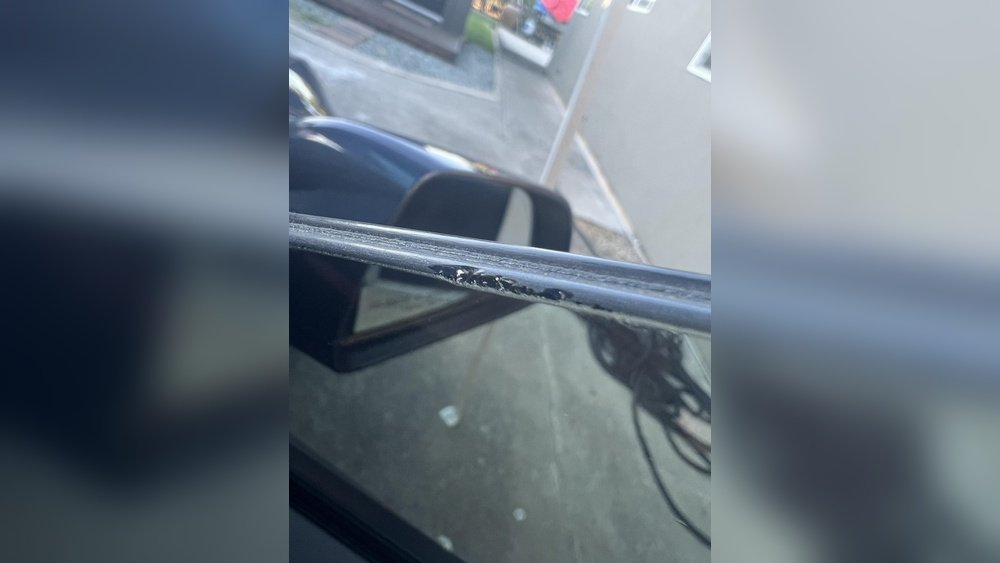
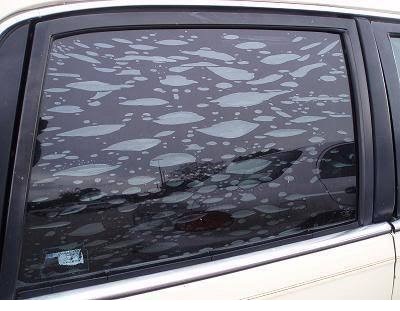
Bubbles appear as small raised spots under the tint film. They form when moisture or air gets trapped during installation. Peeling happens when the tint starts lifting away from the glass. Both issues can let sunlight in and reduce privacy.
Scratches And Tears
Scratches look like thin lines on the tint surface. They happen from cleaning with rough cloths or sharp objects. Tears are larger breaks in the tint film. These damages weaken the tint and can spread if not fixed quickly.
Discoloration And Fading
Discoloration changes the tint’s original color. Fading makes the tint look lighter or patchy. Sun exposure and heat cause these problems over time. Discolored tint loses its ability to block UV rays and heat effectively.
Diy Tint Repair Tips
DIY tint repair can save money and extend your tint’s life. Small issues often do not need professional help. Simple fixes help keep your tint looking good and functional. Follow easy steps to repair minor damage and improve appearance.
Fixing Small Tears And Rips
Use a sharp blade to trim loose edges around the tear. Cut a small patch from matching tint film. Spray water lightly on the patch area before applying it. Place the patch carefully over the tear and smooth it with a squeegee. Press out air bubbles and excess water. Let the tint dry fully before touching the area.
Removing Bubbles
Bubbles often appear from moisture or poor installation. Use a pin to gently prick the bubble’s edge. Press the bubble flat with a squeegee or credit card. Heat the area slightly with a hairdryer to help the film stick. Work from the center outward to push air out. Repeat if bubbles remain until smooth.
Cleaning And Maintenance
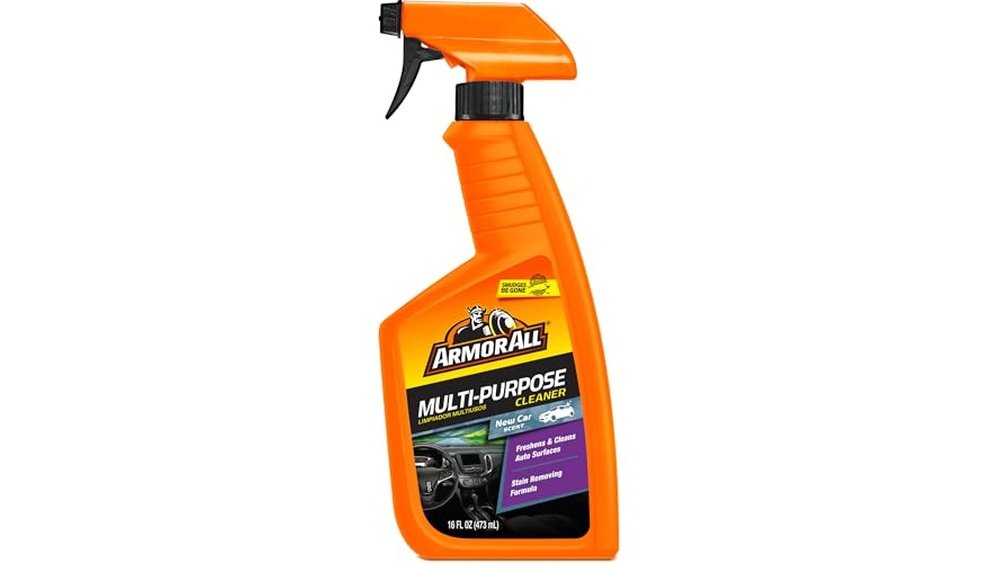
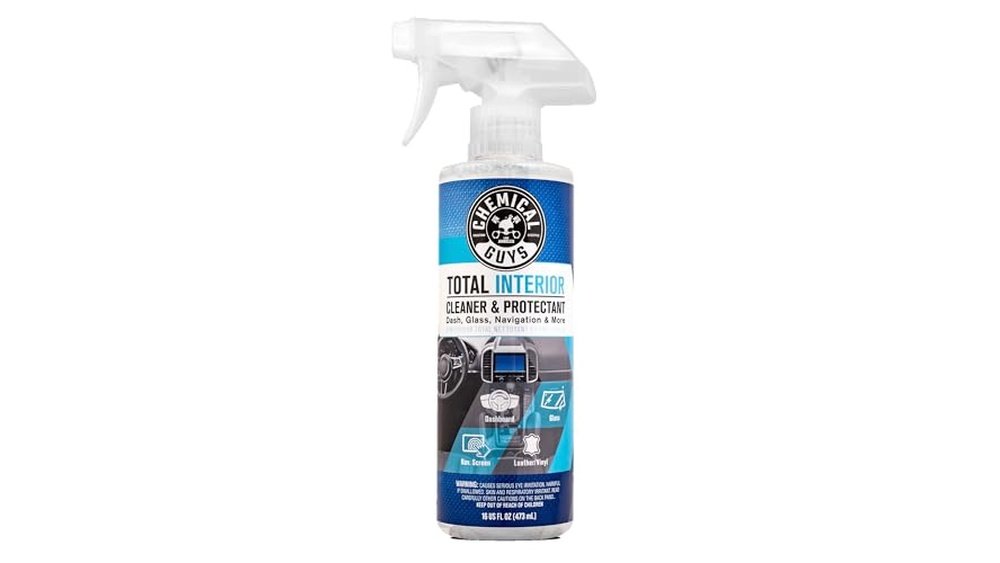
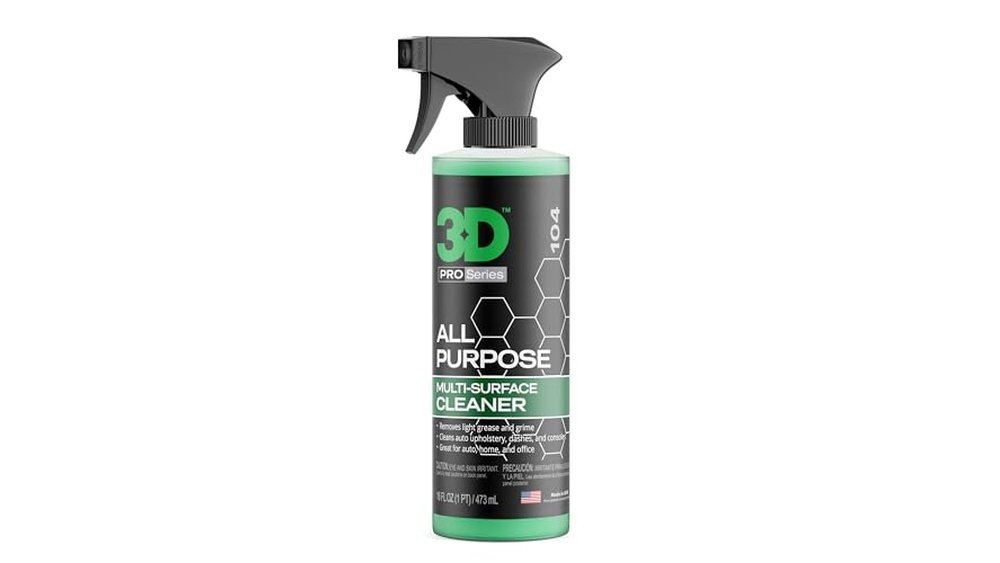
Clean tint with mild soap and water only. Avoid ammonia or harsh chemicals that damage film. Use a soft cloth or sponge to wipe gently. Dry with a clean microfiber towel to prevent streaks. Regular cleaning reduces dirt buildup and helps tint last longer. Check for damage often and repair early.
When To Replace Tint
Knowing the right time to replace damaged auto tint saves money and hassle. Tint protects your car from heat, glare, and UV rays. Over time, tint may peel, bubble, or fade. These issues reduce the tint’s effectiveness and look.
Replacing tint keeps your vehicle comfortable and safe. It also improves the car’s appearance. Below are key points to help decide when to replace your window tint.
Assessing Damage Severity
Check your tint for bubbles, peeling, or cracks. Small bubbles might go away, but large ones do not. Peeling tint allows sunlight to enter, reducing protection. Scratches or fading can make tint look old and worn.
Severe damage means tint no longer blocks heat or UV rays well. If you see clear spots or the tint is lifting, it is time to replace it. A damaged tint can also affect driving visibility and safety.
Choosing Replacement Tint
Pick a tint type that fits your needs and budget. Common options include dyed, carbon, and ceramic films. Dyed tint is affordable but fades faster. Carbon tint offers better heat rejection and lasts longer.
Ceramic tint blocks the most heat and UV rays but costs more. Consider local laws on tint darkness before choosing. Professional installation ensures the tint fits well and lasts longer.
Professional Repair Options
Professional repair options offer reliable solutions for damaged auto tint. Skilled technicians restore your vehicle’s tint to its original look. These experts use quality materials and tools to ensure a smooth finish. Choosing professional repair helps avoid further damage and extends the life of your tint.
Cost Estimates
Repair costs vary based on damage type and tint quality. Small scratches or bubbles may cost less to fix. Large tears or full replacements can be more expensive. On average, expect to pay between $100 and $500. Ceramic or multi-layer tints usually cost more to repair. Always get a clear estimate before starting any work.
Finding Local Tint Specialists
Look for local tint specialists with good reviews and experience. Many shops in Austin, Texas, offer auto tint repair services. Check ratings and customer feedback online for trusted providers. Ask about their repair process and warranty options. Visiting the shop can help you assess their professionalism and equipment. Choose specialists who use high-quality films and guarantee their work.

Credit: www.reddit.com
Preventing Future Tint Damage
Protecting your auto tint from damage extends its life and keeps your car looking great. Taking simple steps can prevent peeling, bubbling, and fading. Proper care ensures you enjoy the benefits of tinted windows longer.
Proper Cleaning Techniques
Use a soft cloth or microfiber towel for cleaning. Avoid abrasive materials that scratch the tint surface. Spray a mild soap solution or tint-approved cleaner on the cloth, not directly on the glass.
Wipe gently in circular motions to remove dirt and grime. Dry the surface with a clean, dry cloth to prevent streaks. Never use ammonia-based cleaners, as they can damage the tint film.
Avoiding Harsh Conditions
Park in shaded areas to reduce sun exposure that fades tint color. Avoid extreme heat, which can cause bubbling and peeling of the film. Keep the windows rolled up during heavy rain or snow to prevent moisture buildup inside.
Do not use sharp objects near the tint. Be cautious while loading items near windows to avoid scratches. These habits help keep your tint smooth and intact for years.
Legal Tint Considerations
Understanding legal tint considerations is important for every vehicle owner. Damaged auto tint can lead to legal problems if it does not meet state regulations. Laws vary widely across states, affecting how much tint is allowed on different windows. Drivers should know these rules to avoid fines and ensure safe driving.
Legal tint standards protect both drivers and law enforcement officers. Tint that is too dark or damaged may hide important details during a traffic stop. This can create safety risks and misunderstandings. Staying informed helps keep roads safer for everyone.
State Tint Laws
Each state sets its own rules for auto window tinting. These laws specify how dark the tint can be on front, rear, and side windows. Some states allow darker tint on rear windows but limit front window tint. Measurements are usually based on visible light transmission (VLT) percentage.
Damaged tint may reduce visibility and cause your vehicle to fail inspection. Always check your state’s tint laws before repairing or replacing damaged tint. Failing to follow these laws can result in tickets or forced removal of the tint.
Safety Concerns For Drivers And Officers
Dark or damaged tint can block the view inside a vehicle. This reduces a police officer’s ability to see occupants during a stop. It also makes it harder for officers to spot weapons or unsafe behavior. This increases risk for both parties.
For drivers, damaged tint can reduce visibility, especially at night or in bad weather. This can lead to accidents or missed hazards. Safe tint levels improve road safety and help avoid legal trouble.

Credit: www.reddit.com
Frequently Asked Questions
Can You Fix Damaged Tint?
Yes, damaged tint can be repaired by patching or replacing affected areas. Professional services ensure smooth, lasting results.
How Much Does It Cost To Get Tints Redone?
Getting tints redone typically costs between $100 and $1,500. Prices vary by film type and vehicle size. Dyed films are cheapest; ceramic and multi-layer ceramic cost more. Quality and location also affect pricing. Always choose reputable tinting services for best results.
Why Do Cops Care So Much About Tint?
Cops care about tint because dark windows hide occupants and weapons, block view of driver actions, and reduce visibility, increasing danger during stops.
Does Insurance Cover Tint Damage?
Insurance rarely covers tint damage unless caused by a covered event like vandalism or an accident. Check your policy details.
Conclusion
Damaged auto tint can affect your car’s look and comfort. Fixing small tears or bubbles keeps your windows clear. Replacing old tint improves heat protection and privacy. Choose a trusted professional for the best results. Regular care helps your tint last longer and stay smooth.
Don’t ignore damage; it can worsen over time. A well-maintained tint protects you and your vehicle daily. Simple repairs save money compared to full replacement. Take action soon to enjoy a clear, cool ride again.