When it comes to choosing the right window tint for your car, you might find yourself torn between ceramic and carbon tint options. You want something that not only looks great but also keeps your car cool, protects your interior, and lasts for years.
But which one truly fits your needs and budget? Ceramic and carbon tints each have their own strengths, and understanding these can help you make the best choice for your vehicle. You’ll discover the key differences, benefits, and drawbacks of ceramic vs carbon tint—so you can decide which one is the perfect match for your ride and lifestyle.
Keep reading to find out which tint gives you more value and comfort on the road.
Ceramic Tint Features
Ceramic tint offers many benefits that improve your driving experience. It uses advanced materials for better protection and clarity. This tint type is popular for its strong features and reliable performance. Below are key ceramic tint features that make it stand out.
Heat And Uv Protection
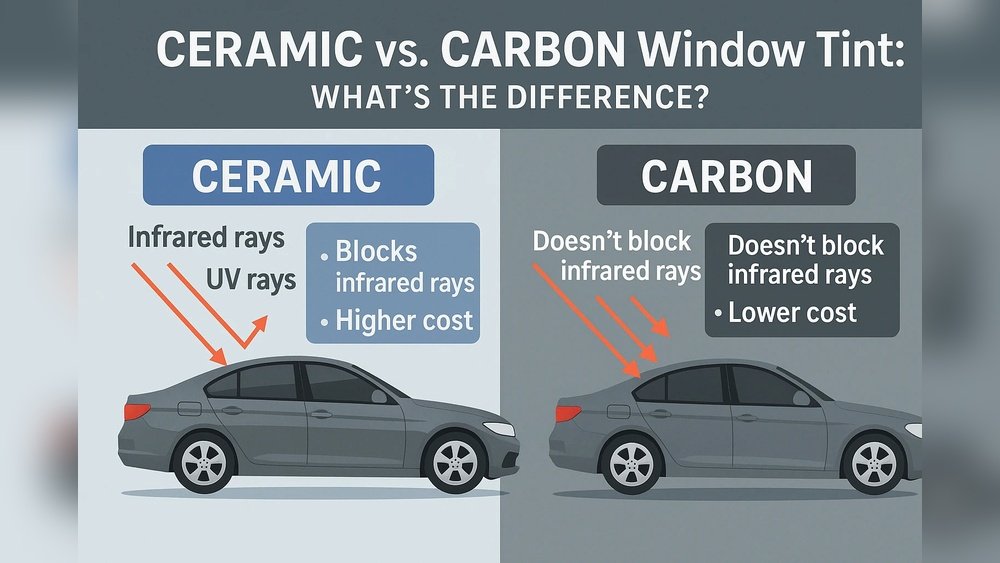
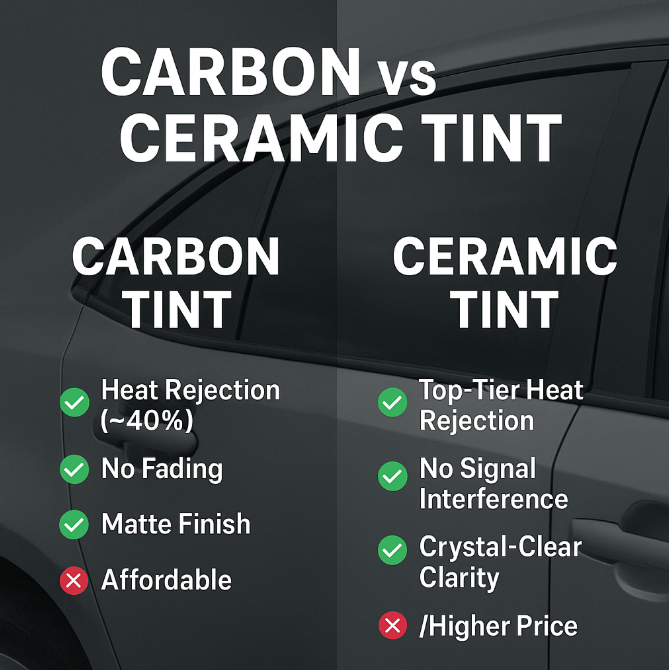
Ceramic tint blocks up to 50% of solar heat. It reduces inside temperature effectively. It also blocks 99% of harmful UV rays. This helps protect skin and car interiors from damage. The tint keeps your car cooler without darkening too much.
Durability And Longevity
Ceramic tint lasts longer than most other tints. It resists fading, bubbling, and scratching. The tint can maintain its look for many years. This durability saves money on replacements. It stays effective even in harsh weather conditions.
Signal Compatibility
Ceramic tint does not contain metal particles. This prevents interference with electronic signals. Your phone, GPS, and radio work without problems. This feature is important for safe and convenient driving. It ensures clear communication on the road.
Visibility And Clarity
Ceramic tint provides excellent visibility both day and night. It reduces glare while keeping colors natural. The tint does not create a greenish or dark shade. This helps drivers see clearly and drives safely. It also improves comfort by reducing eye strain.
Carbon Tint Features
Carbon tint offers several features that appeal to many vehicle owners. It balances performance and cost, making it a popular choice. Understanding its qualities helps you decide if it fits your needs.
Heat Rejection
Carbon tint blocks a good amount of heat from the sun. It reduces the temperature inside your car. This helps keep the cabin cooler on hot days. Though not as strong as ceramic tint, it still provides effective heat control.
Durability And Appearance
Carbon tint is resistant to fading over time. It maintains its color and look for years. The finish has a matte or smooth texture. This gives your windows a sleek, modern appearance. It also resists bubbling and peeling with proper installation.
Signal Interference
Unlike metallic tints, carbon tint does not block signals. It allows your phone, GPS, and radio to work well. You stay connected without interruptions. This feature is ideal for drivers who use electronic devices often.
Color And Tint Shades
Carbon tint comes in several shades of black and gray. It may have a slight greenish hue in some cases. The tint provides a uniform look across windows. This offers privacy while enhancing the vehicle’s style.
Performance Comparison
The performance of ceramic and carbon tints varies in several key areas. Choosing the right tint depends on what matters most to you. This section compares their heat management, durability, clarity, and signal impact.
Heat Management Efficiency
Ceramic tint blocks heat better than carbon tint. It uses advanced nanoparticles to reflect infrared rays. This keeps your car cooler under the sun. Carbon tint reduces heat but not as effectively. It absorbs some heat, making the cabin warmer over time. Ceramic tint improves comfort more on hot days.
Scratch And Fade Resistance
Ceramic tint resists scratches and fading longer than carbon tint. Its durable materials maintain color and strength for years. Carbon tint can fade and show wear faster. This happens especially under strong sunlight. Ceramic tint’s longevity saves money on replacements.
Clarity And Glare Reduction
Ceramic tint offers clearer views through windows. It reduces glare without distorting colors. Carbon tint may have a slight greenish hue that affects clarity. Drivers who want sharp, natural vision prefer ceramic. Both tints cut down glare well, but ceramic leads in clarity.
Signal Reception Impact
Ceramic tint does not interfere with phone, GPS, or radio signals. It contains no metal parts, allowing signals to pass freely. Carbon tint includes carbon particles that generally avoid signal issues too. However, some carbon films can weaken signals slightly. Ceramic tint is safest for tech use.
Cost And Value
Choosing between ceramic and carbon tint involves weighing cost against value. Both types offer unique benefits, but their prices and long-term worth differ. Understanding these factors helps you make the best choice for your budget and needs.
Initial Price Differences
Ceramic tint usually costs more upfront than carbon tint. This higher price reflects advanced technology and better heat rejection. Carbon tint is more affordable and still offers decent heat control. The initial expense depends on the brand and quality of the film.
Long-term Investment
Ceramic tint lasts longer and resists fading and bubbling better. This durability means fewer replacements over time. Carbon tint may fade or discolor faster, requiring earlier replacement. Choosing ceramic tint saves money in the long run despite the higher start cost.
Maintenance And Replacement
Both ceramic and carbon tints need gentle cleaning to avoid damage. Ceramic tint resists scratches and keeps its look longer. Carbon tint can show wear sooner and may need more frequent care. Replacement costs add up faster with carbon tint due to its shorter lifespan.
Best Use Scenarios
Choosing between ceramic and carbon tint depends on where and how you use your vehicle. Each type has strengths that fit specific conditions and user needs. Understanding these scenarios helps pick the right tint for your car’s windows.
Ideal Conditions For Ceramic Tint
Ceramic tint works best in very sunny and hot climates. It blocks more heat and harmful UV rays than carbon tint. Drivers who spend long hours in the car benefit from its superior cooling effect. Ceramic tint also suits drivers who want clear visibility without glare. It resists fading and scratches, lasting longer under harsh conditions. This makes it a smart choice for city drivers and those in desert or tropical regions.
When Carbon Tint Suffices
Carbon tint fits well in moderate weather with less intense sun. It reduces heat and glare but not as strongly as ceramic tint. Carbon tint is a good option for budget-conscious buyers who still want decent protection. It offers a nice matte finish and blocks some UV rays. Drivers who use their cars mainly for short trips or in shaded areas often find carbon tint enough. It also suits those who prefer a darker look without extra cost.
Owner Priorities And Preferences
Some owners choose tint based on personal preferences. Those who value high-tech, long-lasting protection lean toward ceramic tint. People sensitive to heat and glare find ceramic better for comfort. Owners who want to avoid signal interference, such as with GPS or phones, prefer ceramic. Others prioritize cost savings and a stylish appearance. These drivers pick carbon tint for its affordability and look. Ultimately, the best tint matches the owner’s lifestyle and budget.
Credit: www.excelsiordetailing.ca
Common Misconceptions
Many people confuse the benefits and features of ceramic and carbon tints. These common misconceptions can lead to poor choices. Understanding the facts helps in picking the right tint for your needs. Below, we clear up some myths about both ceramic and carbon tints.
Ceramic Tint Myths
Some believe ceramic tint blocks all signals. This is false. Ceramic tint does not interfere with cell phone, GPS, or radio signals.
Others think ceramic tints are always very dark. Ceramic tints come in various shades and can be light while still offering strong heat protection.
Many assume ceramic tint is too expensive for most people. While it costs more, its durability and performance often save money over time.
Some say ceramic tint looks shiny or reflective. Quality ceramic films have a natural, non-metallic finish without a mirror effect.
Carbon Tint Misunderstandings
People often think carbon tint blocks less heat than ceramic. Carbon tint blocks a good amount of heat but is not as efficient as ceramic.
Many believe carbon tint fades quickly. Carbon tints resist fading better than basic dyed films but less than ceramic films.
Some say carbon tint affects electronic signals. Carbon tint is non-metallic and does not cause signal problems.
Others think carbon tint looks greenish or unnatural on all cars. High-quality carbon tints are designed to maintain natural color and clarity.
User Experiences
User experiences reveal how ceramic and carbon tints perform in real life. These insights help understand their strengths and weaknesses. People share their thoughts based on daily use, comfort, and durability. This section explores what customers, experts, and regions say about these two popular tint options.
Customer Reviews
Many customers report ceramic tint offers clearer views with less glare. Drivers appreciate its better heat rejection, especially in sunny places. Some users note carbon tint feels slightly darker and less clear. They like its affordability but mention it may fade faster. Both tints get praise for privacy and style. Overall, ceramic tint scores higher for comfort and lasting quality.
Expert Opinions
Experts highlight ceramic tint’s advanced technology and durability. They say it blocks more UV rays and heat effectively. Carbon tint is recommended for budget-conscious buyers wanting a decent level of protection. Professionals agree ceramic tints cause no signal interference with phones or GPS. They also mention carbon tints may have a slight color tint. Experts suggest ceramic tint for long-term value.
Regional Preferences
In hot regions like Texas, ceramic tint is popular due to strong heat blocking. People prefer it for better cooling and sun protection. Cooler areas may favor carbon tint because of its lower cost. Urban drivers often choose ceramic tint for better visibility and durability. Rural users sometimes pick carbon tint for style and privacy. Local climate and budget influence these choices heavily.

Credit: www.youtube.com
Installation Considerations
Choosing between ceramic and carbon tint involves more than just the product quality. Installation plays a key role in the tint’s performance and lifespan. Proper application ensures the tint looks great and lasts long. This section covers important points to think about before installing ceramic or carbon tint.
Professional Vs Diy
Professional installation offers expert skills and proper tools. It reduces the risk of bubbles, wrinkles, or peeling. Professionals also ensure the tint fits perfectly on your windows.
DIY installation might save money but needs patience and practice. Mistakes can lead to poor results and may waste the tint film. Some tints, like ceramic, can be harder to install due to their thickness and special coatings.
Warranty And Guarantees
Many ceramic and carbon tints come with a warranty. Professional installers often provide guarantees on both the tint and installation. This protects you from defects and installation errors.
DIY installations usually void the manufacturer’s warranty. Without professional help, you may lose coverage if damage occurs. Always check warranty terms before starting the project.
Legal Regulations
Window tint laws vary by state and city. Austin, Texas has specific limits on tint darkness and reflectivity. Both ceramic and carbon tints must comply with these rules.
Professional installers know local laws and ensure your tint stays legal. DIY installers should research regulations carefully to avoid fines or tint removal.
Credit: www.theworksautocenter.com
Frequently Asked Questions
Which Is Better Carbon Or Ceramic Tint?
Ceramic tint offers superior heat rejection, UV protection, and clarity without signal interference. Carbon tint is durable but may have a slight tint and less heat blocking. Choose ceramic for long-term performance and comfort; carbon suits budget-conscious buyers seeking good durability.
Is Ceramic Tint Worth The Extra Money?
Ceramic tint offers superior heat rejection, UV protection, durability, and signal clarity. Its long-lasting comfort and privacy justify the extra cost.
What Are The Disadvantages Of Ceramic Tint?
Ceramic tint costs more than other tints and can be harder to find. It may have limited color options and requires professional installation.
Is Carbon Tint Harder To See Out Of?
Carbon tint can slightly reduce visibility due to its mild greenish hue. It’s generally harder to see out of than ceramic tint. Ceramic tint offers clearer views and better glare reduction, making it easier to see through while driving.
Conclusion
Choosing between ceramic and carbon tint depends on your needs. Ceramic tint blocks more heat and UV rays effectively. It lasts longer without fading or bubbling. Carbon tint offers good protection at a lower price. It slightly reduces glare but may show a greenish shade.
Both improve comfort and privacy inside your car. Think about your budget and climate before deciding. Either option upgrades your vehicle’s look and comfort. Pick the one that fits your lifestyle best.