Have you ever wondered if the slightly darkened windows on your car are factory tint or something added later? Understanding factory window tint can help you make smarter decisions about your vehicle’s comfort, privacy, and appearance.
Whether you want to know how factory tint differs from aftermarket options or how it affects heat and UV protection, this article will clear up the mystery. By the end, you’ll know exactly what factory window tint is, how to spot it, and why it matters for your driving experience.
Keep reading to discover everything you need to know about factory window tint and how it impacts your ride.
Factory Tint Basics
Factory window tint is the slight shading you see on many new car windows. It is not a film but glass that has color added during manufacturing. This tint helps reduce glare and adds some privacy without darkening the windows too much. Understanding how factory tint works can help you decide if you need extra window tinting later.
Factory tint is common on many vehicles today. It offers basic protection from sunlight and gives windows a smooth look. Knowing its properties helps you choose the right tint for your needs.
What Is Factory Tint
Factory tint is a thin layer of color added inside the glass. It is not a sticker or film placed after the car is made. This color is mixed into the glass during production. The tint reduces some sunlight and heat but does not block as much as aftermarket films. It mainly reduces glare and makes windows look darker than clear glass.
How Factory Tint Is Made
Factory tint is created by mixing metal oxides or dyes into the glass. This happens when the glass is molten and shaped into windows. The coloring spreads evenly through the glass, making it part of the window itself. Because it is inside the glass, factory tint is very durable and cannot peel or bubble.
Common Uses In Vehicles
Most cars have factory tint on rear side windows and back windows. It is common on sedans, SUVs, and trucks. Factory tint provides basic privacy and reduces sunlight without making windows too dark. Some vehicles also have slight tint on front side windows to cut glare. This tint is suitable for everyday driving and helps protect the car’s interior from sun damage.
Benefits Of Factory Tint
Factory window tint offers several benefits that enhance your driving experience. It comes pre-applied on many new vehicles, providing a smooth, consistent look. The tint improves comfort, safety, and privacy without extra installation work. Below are key benefits that make factory tint a smart choice for many drivers.
Privacy And Security
Factory tint adds a layer of privacy by darkening car windows. It makes it harder for outsiders to see inside your vehicle. This feature helps protect your belongings from theft. Privacy also creates a comfortable space for passengers. It reduces distractions by limiting outside visibility.
Durability And Maintenance
Factory tint is applied during the vehicle manufacturing process. This method ensures the tint bonds well with the glass. The result is a more durable and long-lasting film. Factory tint resists peeling, bubbling, or fading over time. Cleaning is easy because the tint is smooth and flush with the window.
Uv Protection And Heat Rejection
Factory tint blocks a portion of harmful UV rays. This protection helps prevent skin damage and fading of car interiors. It also reduces heat buildup inside the vehicle. Lower heat means less strain on air conditioning systems. Factory tint keeps the cabin cooler and more comfortable on sunny days.
Factory Tint Vs Aftermarket Tint
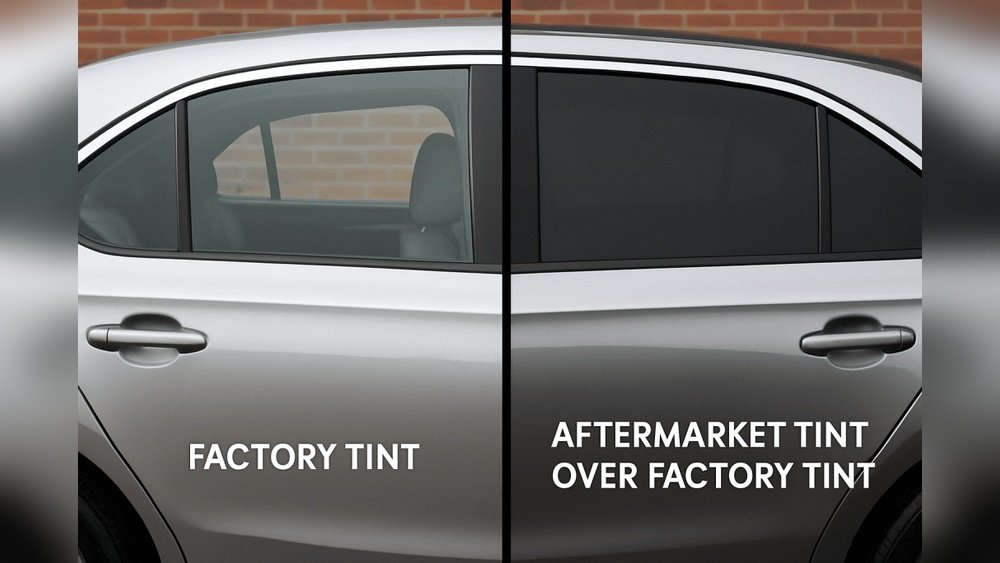
Choosing between factory window tint and aftermarket tint affects your car’s look and comfort. Factory tint comes pre-applied on some vehicle windows from the manufacturer. Aftermarket tint is added later by the owner or a professional. Both types have pros and cons depending on your needs and budget.
Material And Application Differences
Factory tint is usually a dark green or gray shade built into the glass itself. It is made during the glass manufacturing process. Aftermarket tint is a thin film applied to the inside of your windows. This film comes in various colors, shades, and materials like dyed, metalized, or ceramic. The application of aftermarket tint requires skill to avoid bubbles and wrinkles.
Performance Comparison
Factory tint reduces some glare and gives privacy but blocks only a small amount of heat and UV rays. Aftermarket tint can offer stronger heat rejection and UV protection depending on the type of film used. Some aftermarket films also help keep the glass safer by holding shards together if broken. Factory tint usually cannot be upgraded without replacing the window glass.
Cost And Longevity
Factory tint adds to the initial cost of the vehicle but lasts as long as the glass. Aftermarket tint costs less upfront but may need replacement every few years. Exposure to sun and weather can cause aftermarket tint to fade or peel over time. Quality installation and good materials increase the lifespan of aftermarket tint.

Credit: tintacademy.store
Legal Aspects And Regulations
Understanding the legal aspects and regulations of factory window tint is crucial for every vehicle owner. Laws protect drivers and officers by setting rules on how dark and reflective tints can be. These rules vary widely depending on the region. Staying informed helps avoid fines and keeps everyone safe on the road.
Tinting Laws By Region
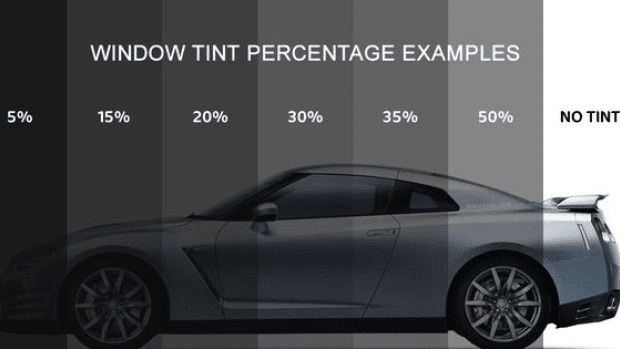
Tinting laws differ from state to state and country to country. Some places allow darker tints on rear windows but limit front side windows. Others set strict limits on the amount of light that must pass through each window. These laws often focus on visible light transmission (VLT) percentages. Checking local rules before tinting is important to ensure compliance.
Compliance And Penalties
Failing to follow tint laws can lead to fines and penalties. Officers may issue citations for illegal tint levels. Installers can face fines if they apply tint beyond legal limits. Drivers may need to remove illegal tint to pass inspections. Keeping a compliance certificate from the installer is often required by law. This document proves the tint meets regulations.
Officer Safety Considerations
Officer safety is a top concern in tint regulations. Dark tints can block clear views inside vehicles during stops. Many laws require drivers to roll down windows when stopped by police. This helps officers see occupants and assess situations quickly. Transparent windows reduce risks and improve communication between drivers and officers.
Installation Tips
Installing factory window tint correctly ensures the best look and performance. Careful installation prevents bubbles, peeling, and damage. Follow these tips to get a smooth, lasting finish. Proper steps make a big difference for your vehicle’s tint.
Professional Installation Benefits
Experts have the right tools and experience. They prepare windows carefully before applying tint. Professionals avoid dust and air bubbles during installation. Their work looks clean and lasts longer. They also follow local tinting laws. This saves you from fines or problems later.
Diy Installation Challenges
Installing tint yourself can be tricky. Tiny dust particles cause bubbles under the film. Cutting the tint to fit windows needs precision. Mistakes can ruin the tint or your windows. DIY kits help but need patience and steady hands. Rushing leads to poor results and extra costs.
Maintenance After Installation
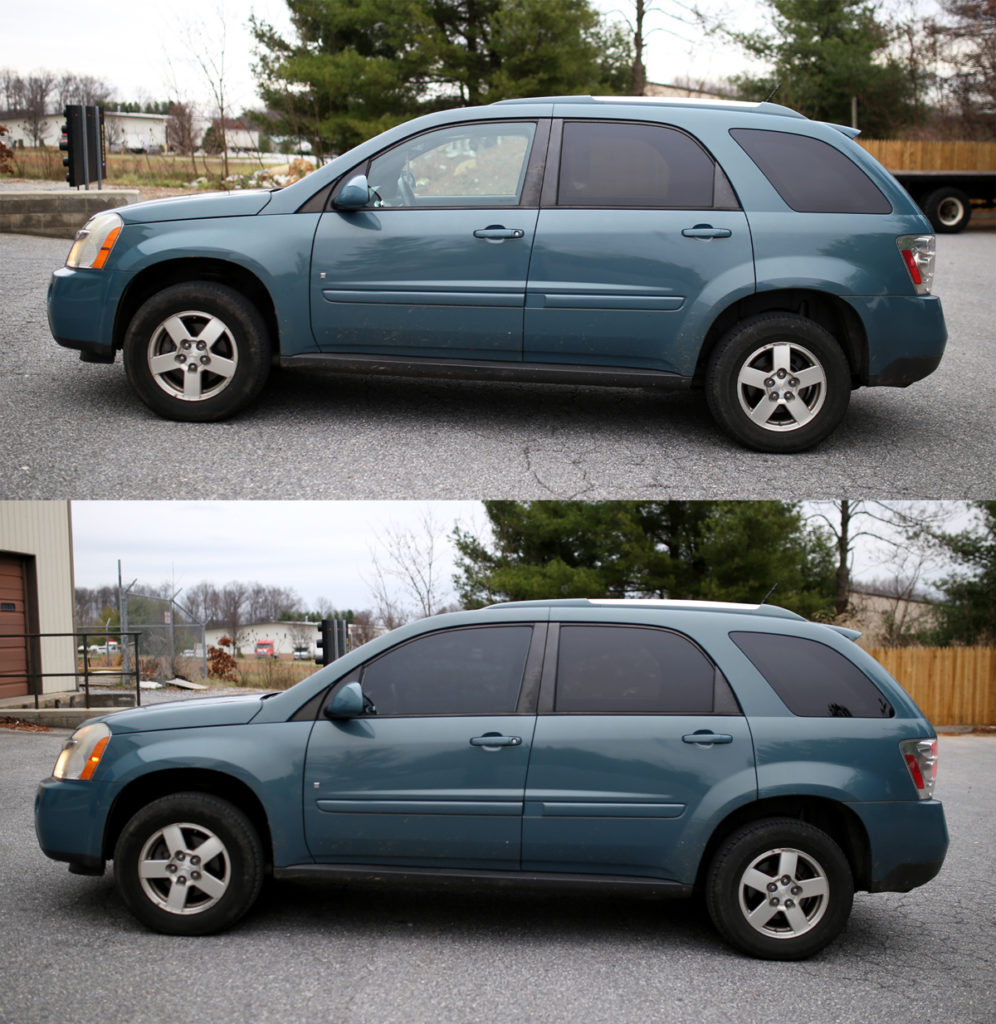
After tinting, avoid rolling windows down for a few days. This helps the film dry and stick well. Use a soft cloth to clean tinted windows. Avoid ammonia-based cleaners that can damage tint. Regular care keeps the tint clear and smooth. Check the tint edges for peeling over time.
Credit: shannonbaum.com
Upgrading Factory Tint
Factory window tint offers basic shade and privacy on your vehicle. It comes pre-applied from the manufacturer and usually meets legal standards. Still, many drivers find it lacks in heat reduction and UV protection. Upgrading factory tint can significantly improve comfort and safety inside the car. This section covers when to consider aftermarket tint, the best films for heat and UV control, and a cost versus benefit analysis.
When To Consider Aftermarket Tint
Choose aftermarket tint if factory tint feels too light or offers little heat protection. Darker films block more sunlight, reducing glare and inside temperature. If you live in a hot climate, aftermarket tint helps keep the car cooler. Also, consider an upgrade if factory tint shows signs of wear or bubbling. Aftermarket tint can extend the life of your windows and improve driving comfort.
Best Films For Heat And Uv Control
Ceramic films provide excellent heat rejection without darkening windows too much. They block up to 99% of harmful UV rays, protecting skin and car interiors. Carbon films also offer good heat control and resist fading over time. Dyed films are affordable but less effective for UV and heat. Pick a film that balances heat control with visibility and legal limits in your area.
Cost Vs Benefit Analysis
Aftermarket tint costs vary by film type and vehicle size. Ceramic films cost more but offer better heat and UV protection. Cheaper films save money upfront but may degrade faster. Consider energy savings from reduced air conditioning use. Better tint can protect your skin and car upholstery from sun damage. Weigh these benefits against the installation price to decide if upgrading is worth it.
Common Issues And Solutions
Factory window tint comes pre-applied on many new vehicles. It offers basic sun protection and privacy. However, factory tint can have some common problems. Understanding these issues helps you keep your windows clear and safe. Here are common problems and easy solutions.
Identifying Factory Tint
Factory tint is usually darker on the rear and back side windows. It feels smooth and is part of the glass. It does not peel or bubble like aftermarket films. You can check your car manual or ask the dealer. A simple test is to look through the glass in bright light. Factory tint lets in more light than most aftermarket films.
Dealing With Damage Or Fading
Factory tint can fade or get scratched over time. Heat and sunlight cause the tint to lose color. Tiny scratches can make the windows look cloudy. Cleaning with harsh chemicals can damage the tint. Use a soft cloth and mild soap for cleaning. If the tint is badly faded or damaged, you may replace it with aftermarket tint. Make sure to remove the old tint carefully or hire a professional.
Avoiding Illegal Tinting
Each state has rules about how dark window tint can be. Factory tint usually meets these laws. Aftermarket tint must also follow these rules to avoid fines. Dark tint can block police or emergency view inside the car. Always check local laws before adding or changing tint. Choose a tint with proper certification to stay legal. Following the law helps you avoid fines and keeps everyone safe.
Credit: www.tintingchicago.com
Frequently Asked Questions
What Tint Do Factory Cars Come With?
Factory cars usually come with a light privacy tint on rear windows, called factory tint or privacy glass. It reduces glare and offers minimal heat rejection. Front windows often have no tint or very light tint to comply with legal limits.
Is 5% Tint Legal In Hawaii?
No, 5% tint is illegal in Hawaii. Front side windows must allow at least 70% light transmission. Rear windows have different restrictions. Always check Hawaii’s specific tint laws before installation.
Is Factory Tint Better?
Factory tint offers basic privacy and durability but limited heat and UV protection. Aftermarket tint provides better cooling and customization options. Choose based on your needs and climate conditions.
Is 35% Or 20% Tint Darker?
A 20% tint is darker than a 35% tint. Lower percentage means less light passes through, creating a darker shade.
Conclusion
Factory window tint offers basic privacy and some glare reduction. It does not block much heat or UV rays. Many drivers choose aftermarket tint for better protection. Knowing the laws where you live helps avoid fines. Always check tint darkness limits before installation.
Proper tint keeps you cooler and protects your car’s interior. Choose what fits your needs and budget best. Whether factory or aftermarket, tinted windows improve comfort on the road.