
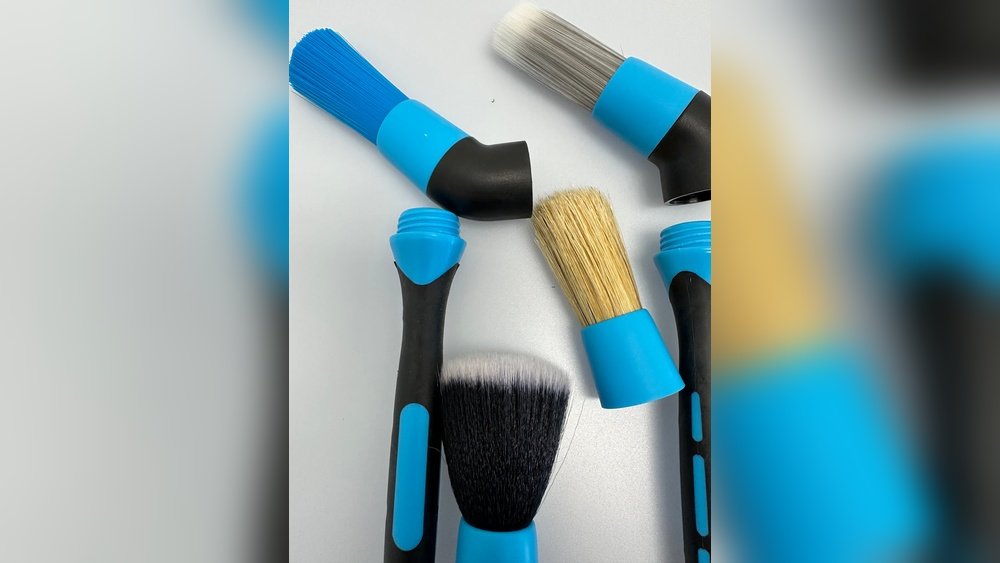
When it comes to getting every nook and cranny of your car spotless, the right detailing brush can make all the difference. But have you ever stopped to wonder what makes a detailing brush so effective?
Understanding the anatomy of a detailing brush gives you the power to choose the perfect tool for your cleaning needs. From the bristles to the handle, each part plays a crucial role in how well the brush performs—and knowing this can save you time, effort, and frustration.
Ready to uncover what’s inside your detailing brush and why it matters to your car care routine? Keep reading, because this guide will change the way you detail forever.

Credit: www.artstation.com
Brush Hair
The brush hair is the core part of a detailing brush. It touches the surface and does the cleaning work. Choosing the right brush hair affects how well the brush performs. Brush hair varies in material, shape, and stiffness. These factors influence its cleaning ability and care for delicate surfaces.
Natural Vs Synthetic Fibers
Natural fibers come from animal hair like boar or horse. They are soft and hold liquids well. Many detailers prefer natural hair for gentle cleaning.
Synthetic fibers are made from nylon or polyester. They resist chemicals and dry fast. Synthetic hairs work well on tough grime and harsh surfaces.
Both types have pros and cons depending on the task. Natural hair suits delicate parts. Synthetic hair lasts longer and cleans rough areas.
Hair Types And Their Uses
Soft hair cleans fragile surfaces without scratching. Use it on glass and painted parts. Medium stiffness hair tackles dirt in tight spots. It works well on grills and seams.
Stiff hair removes stubborn dirt and grime. Ideal for wheels and engine bays. Some brushes mix hair types for versatile cleaning. This helps cover many detailing needs with one brush.
Durability And Flexibility
Durability means how long the brush hair lasts. Synthetic fibers usually outlast natural hair. They resist wear from chemicals and scrubbing.
Flexibility is how the hair bends during cleaning. Flexible hair reaches curves and crevices easily. Stiff hair offers strong scrubbing power but less bend.
The best brush hair balances durability and flexibility. It cleans well without damaging surfaces or wearing out fast.
Ferrule
The ferrule is a key part of a detailing brush. It is the metal band that joins the bristles to the handle. This small piece plays a big role in the brush’s durability and performance. It keeps the bristles tightly packed and prevents them from falling out. The ferrule also adds strength and balance to the brush. Without a good ferrule, the brush would not last long or work well.
Material Choices
Ferrules are usually made from metal. Common metals include aluminum, brass, and stainless steel. Aluminum is light and resists rust. Brass is stronger and has a classic look. Stainless steel is very durable and does not corrode easily. Each material affects the brush’s weight and lifespan. The choice depends on the brush’s purpose and price range.
Role In Brush Stability
The ferrule holds the bristles firmly in place. It prevents them from loosening during use. This stability helps the brush maintain its shape. A stable brush allows for precise detailing work. The ferrule also connects the handle and bristles securely. This connection stops wobbling and improves control. Strong ferrules make brushes last longer and perform better.
Attachment Methods
Ferrules attach to the handle and bristles in different ways. They can be crimped, glued, or soldered. Crimping bends the ferrule tightly around the bristles and handle. Glue adds extra hold inside the ferrule. Soldering melts metal to join parts firmly. The method used affects the brush’s strength and quality. Good attachment keeps the brush intact through tough cleaning jobs.
Handle
The handle is a crucial part of any detailing brush. It offers control and comfort during use. A well-designed handle helps you reach tight spots with ease. It also reduces hand fatigue over long cleaning sessions. Different handles suit different tasks and preferences.
Common Materials
Most detailing brush handles are made from plastic, wood, or metal. Plastic handles are lightweight and cost-effective. Wood handles provide a natural feel and good grip. Metal handles are durable but can be heavier. Some brushes use rubber coatings for better grip.
Ergonomic Designs
Ergonomic handles fit comfortably in your hand. They often have curved shapes to reduce strain. Soft grips or textured surfaces prevent slipping. These designs help maintain precision during detailed work. Ergonomic handles improve overall cleaning efficiency.
Length And Thickness
Handle length varies to match different cleaning needs. Longer handles reach deep or narrow areas easily. Shorter handles offer more control for detailed spots. Thickness affects grip comfort and stability. A balanced handle size makes brushing less tiring.

Credit: www.reddit.com
Brush Size And Shape
The size and shape of a detailing brush play a vital role in its performance. These factors determine how well the brush fits into tight spaces and how effectively it cleans surfaces. Understanding the variations in width and tip shapes helps in selecting the perfect brush for specific detailing tasks.
Width Variations
Detailing brushes come in many widths. Narrow brushes access small gaps and crevices. Wide brushes cover larger areas quickly. Choosing the right width depends on the cleaning area size. Small widths provide precision. Large widths save time on broad surfaces.
Tip Shapes And Their Functions
Brush tips come in different shapes for various uses. Round tips reach curved and uneven surfaces. Flat tips work well on straight edges and flat areas. Angled tips clean corners and tight spots easily. Each shape targets dirt in specific areas. Matching tip shape to task improves cleaning results.
Choosing The Right Size
Select a brush size that fits the detail area. Use small brushes for tight spaces and intricate parts. Use bigger brushes for wide, flat surfaces. The right size reduces effort and increases cleaning quality. Testing different sizes helps find the best fit. Proper size choice protects delicate parts from damage.
Special Features
Detailing brushes come with special features that improve their use and durability. These features help users clean more effectively and protect delicate surfaces. Understanding these traits can help you choose the right brush for every task.
Anti-static Properties
Some detailing brushes have anti-static properties to reduce dust cling. This feature prevents dust from sticking to the brush and cleaned surfaces. It keeps the brush cleaner longer and makes the job easier. Anti-static brushes are perfect for electronics and sensitive equipment.
Water Resistance
Water resistance is common in quality detailing brushes. It stops the brush from absorbing water and swelling. This helps maintain the brush’s shape and strength over time. Water-resistant brushes dry quickly and resist mold growth. They work well for wet cleaning jobs and outdoor use.
Color Coding For Tasks
Color coding helps users identify brushes for different tasks quickly. Each color can represent a specific use or area. This reduces cross-contamination and improves hygiene. For example, red brushes might be for brakes, while blue ones clean interiors. Color coding makes organizing tools simple and efficient.

Credit: shop.zenartsupplies.co
Frequently Asked Questions
What Are The 4 Parts Of A Brush?
A brush has four parts: bristles, ferrule, handle, and tip. Bristles apply paint, ferrule holds bristles, handle offers grip, and tip shapes strokes.
What Are The Components Of A Brush?
A brush has three main components: bristles, ferrule, and handle. Bristles apply paint. Ferrule connects bristles to handle. Handle provides grip and control.
Are Kolinsky Sables Killed For Brushes?
Yes, Kolinsky sable brushes come from the hair of Kolinsky weasels, which are killed for their fur. Many artists prefer cruelty-free synthetic alternatives.
How To Use A Car Detailing Brush?
Use a car detailing brush by gently scrubbing dirt from tight areas. Rinse the brush often and avoid harsh pressure to prevent damage.
Conclusion
A detailing brush has three key parts: bristles, ferrule, and handle. Each part plays a specific role in cleaning and precision. Choosing the right brush depends on the task and surface. Understanding the anatomy helps you pick brushes that work best.
Using the proper brush improves your detailing results. Keep your brushes clean to maintain their effectiveness. Good brushes make cleaning easier and more thorough. Knowing how a detailing brush works helps you care for your tools well.














