When it comes to caring for delicate surfaces—whether it’s your fine hair, a cherished painting, or a fragile piece of furniture—you want to be sure you’re using the right tools. You might wonder, are natural hair brushes really better for these sensitive materials?
Choosing the wrong brush can cause damage, but picking the right one can protect and even enhance what you’re caring for. You’ll discover how natural hair brushes work, why they might be gentler and more effective, and what to watch out for.
Keep reading to find out if natural bristles are the secret to preserving your delicate surfaces with ease and care.
Natural Vs Synthetic Brushes
Choosing between natural and synthetic hair brushes matters for delicate surfaces. Each type offers unique traits that affect how gentle or harsh they are. Knowing their differences helps pick the best brush for sensitive hair or fragile materials.
Material Differences
Natural brushes use animal hair like boar bristles. These bristles have a smooth texture and spread oils evenly. Synthetic brushes are made from plastic or nylon fibers. They tend to be stiffer and less porous. Natural bristles hold oils better, which helps protect delicate surfaces.
Durability And Flexibility
Synthetic brushes often last longer because they resist water and damage. They keep shape even after heavy use. Natural brushes can wear down faster and may lose bristles. However, natural bristles are more flexible, bending gently to avoid scratching. This flexibility suits fragile hair and soft surfaces well.
Cost Considerations
Natural brushes usually cost more due to sourcing and processing. They are seen as premium tools for special care. Synthetic brushes are cheaper and widely available. They offer good performance at a lower price. Budget and how often you use the brush affect the best choice.
Benefits Of Natural Bristle Brushes
Natural bristle brushes offer unique benefits for delicate hair and surfaces. Their soft, flexible bristles reduce damage and protect fragile strands. These brushes help maintain hair health by enhancing natural oils and improving texture. Using a natural bristle brush supports gentle care and adds a polished finish to your hair.
Gentle Detangling
Natural bristle brushes glide smoothly through hair. They reduce pulling and breakage by easing out knots carefully. The soft bristles prevent harsh tugging on fragile strands. This makes them ideal for sensitive scalps and fine hair types. Detangling becomes less painful and more effective with natural bristles.
Oil Distribution
Natural bristles absorb and spread scalp oils evenly. These oils travel from roots to tips during brushing. This natural oil distribution moisturizes hair without extra products. It helps protect hair from dryness and damage. Balanced oil levels keep hair soft and healthy-looking all day.
Hair Nourishment And Shine
Brushing with natural bristles stimulates the scalp gently. This encourages healthy blood flow and promotes hair growth. The even oil spread adds a natural shine to hair strands. Hair looks smoother, silkier, and well-nourished after use. Natural bristle brushes help hair regain its natural glow.
Best Brushes For Hair Types
Choosing the right brush depends on your hair type. Different brushes work best for fine, thick, or sensitive hair. Using the correct brush helps maintain hair health and prevents damage. Natural hair brushes often suit delicate hair better. They gently detangle and distribute natural oils evenly.
Fine Hair Solutions
Fine hair requires gentle brushing to avoid breakage. Brushes with soft boar bristles work well. They smooth hair and spread natural oils without pulling. Mixed bristle brushes, combining boar and nylon, add gentle detangling power. These brushes reduce static and add shine to fine strands.
Thick And Coarse Hair Options
Thick or coarse hair needs stronger bristles to detangle. Nylon bristles are firm and help remove knots easily. Brushes that mix boar and nylon bristles balance softness with strength. Wide-tooth brushes also work well to prevent hair breakage. Choosing flexible bases helps protect hair from damage during brushing.
Sensitive Scalp Brushes
People with sensitive scalps need soft, gentle brushes. Pure boar bristle brushes offer a soothing touch. Their natural bristles help massage the scalp without irritation. Brushes with a cushioned base reduce pressure on the scalp. Avoid stiff plastic or metal bristles that can cause discomfort.

Credit: porchlightrental.com
Avoiding Damage With The Right Brush
Choosing the right brush plays a key role in protecting delicate surfaces. Using the wrong brush can cause scratches, breakage, or wear over time. Natural hair brushes offer gentle care, but selecting the correct type of bristle is essential. Understanding how bristle stiffness and design affect the surface helps avoid damage effectively.
Risks Of Stiff Bristles
Stiff bristles can scratch or scrape delicate surfaces. They do not flex easily, causing more pressure on sensitive areas. This can lead to visible marks or even permanent damage. Surfaces like fine wood, painted finishes, or soft fabrics need softer, more flexible brushes. Avoid stiff bristles to keep these surfaces safe.
When Ball-tipped Bristles Cause Breakage
Ball-tipped bristles may seem gentle but can cause breakage if too hard. They sometimes catch on fine fibers or fragile layers. This pulling action can tear or weaken delicate materials. Smooth, natural bristles without hard tips glide better. They reduce the risk of snagging and preserve the surface’s integrity.
Choosing Flexible Bristles
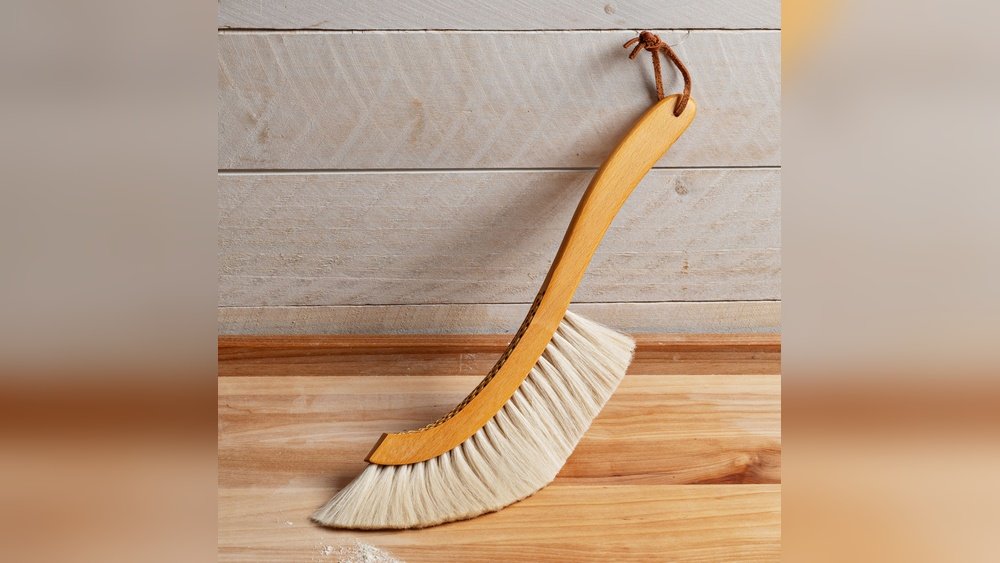
Flexible bristles bend with the surface, lowering pressure points. They adapt to curves and textures, cleaning without harm. Natural brushes often have this quality, making them ideal for delicate use. Look for brushes with soft, pliable bristles to prevent damage. This choice ensures a gentle, effective clean every time.
Key Features To Consider
Choosing the right natural hair brush for delicate surfaces depends on several key features. These features affect how gently the brush treats fragile hair or sensitive materials. Understanding these factors helps you pick a brush that protects and cares effectively. Below are the main features to consider.
Cushioned Base Benefits
A cushioned base softens the impact on delicate surfaces. It allows bristles to flex and move with the hair or material. This reduces pulling and prevents damage. Cushioned bases also help distribute pressure evenly. They make brushing smoother and more comfortable.
Natural And Combination Bristles
Natural bristles, like boar hair, are gentle and smooth. They help spread natural oils and reduce static. Combination bristles mix natural and synthetic fibers. This blend offers both softness and detangling power. Choose bristles that suit your hair type or surface delicacy.
Flexibility For Delicate Surfaces
Flexible bristles bend around knots and uneven areas. This flexibility prevents breakage and snagging. Brushes with flexible bristles adapt to different textures easily. They are ideal for fragile hair and sensitive surfaces. Flexibility ensures gentle care without harsh pulling.

Credit: www.amazon.ae
Expert Tips For Maintaining Brushes
Proper care of natural hair brushes extends their life and performance. Regular maintenance keeps bristles soft and effective. It also protects delicate surfaces from damage. Follow these expert tips to maintain your brushes in top shape.
Cleaning Techniques
Remove hair strands from the brush after each use. Use a comb or your fingers to clear bristles gently. Wash the brush once a month with mild soap and lukewarm water. Avoid soaking the wooden handle to prevent warping. Rinse thoroughly and let it air dry bristle-side down.
When To Replace Your Brush
Check brushes regularly for worn or broken bristles. Replace brushes if bristles become stiff or fall out. A brush with damaged bristles can scratch delicate surfaces. Also, replace if the handle cracks or loosens. Keeping a fresh brush ensures gentle care for your hair and surfaces.
Proper Storage
Store brushes in a dry, cool place away from direct sunlight. Avoid keeping them in humid bathrooms where mold can form. Use a brush holder or a clean container to protect bristles. Keep brushes separate from other tools to prevent damage. Proper storage maintains brush shape and cleanliness.

Credit: www.schoolofchange.ca
Frequently Asked Questions
What Type Of Brush Is Best For Fragile Hair?
The best brush for fragile hair has soft, flexible bristles like boar or mixed boar and nylon. It detangles gently and distributes natural oils without causing breakage. Avoid stiff plastic or metal bristles to prevent snagging and damage. A cushioned base adds extra flexibility.
Are Natural Bristle Brushes Better For Hair?
Natural bristle brushes, especially boar bristles, gently detangle hair and distribute natural oils for shine and nourishment. They improve hair elasticity and reduce breakage. Ideal for smoothing dry hair, they enhance hair health by spreading sebum evenly. Choose based on your hair type for best results.
What Hair Brush Is The Least Damaging?
Boar bristle brushes cause the least damage by distributing natural oils and adding shine. Mixed bristle brushes balance detangling and smoothing. Flexible-bristled brushes like Wet Brush minimize breakage on wet hair. Avoid stiff plastic or metal bristles that snag and snap strands.
Choose bristles suited to your hair type.
What Are The Disadvantages Of A Boar Bristle Brush?
Boar bristle brushes can be stiff, causing discomfort or scalp irritation. They may not detangle thick or curly hair well. These brushes require regular cleaning to prevent oil buildup. They can be expensive and less durable than synthetic options.
Conclusion
Natural hair brushes offer gentle care for delicate surfaces. They reduce scratches and spread oils evenly. Their soft bristles protect fragile materials from damage. Choosing the right brush depends on the surface type. Natural brushes work well on sensitive and fine textures.
They provide smooth, safe cleaning without harsh effects. Consider your needs before selecting a brush. Natural options often prove better for delicate tasks. Using them helps maintain surface beauty and longevity.