When it comes to keeping your car looking its best, the right tools make all the difference. You might wonder, “Do I need separate brushes for my car’s interior and exterior?” The answer is yes—and understanding why can save you time, effort, and frustration.
Choosing the wrong brush can scratch delicate surfaces inside or fail to remove stubborn dirt outside. You’ll discover the key differences between interior and exterior car detailing brushes, how each one works, and which brush fits your needs perfectly. Ready to make your car shine like new, inside and out?
Let’s dive in!

Credit: www.amazon.com
Brush Types
Choosing the right brush is important for effective car detailing. Brushes vary by their design and purpose. Different brushes suit interior and exterior cleaning needs. Understanding brush types helps protect surfaces and clean thoroughly.
Interior Brushes
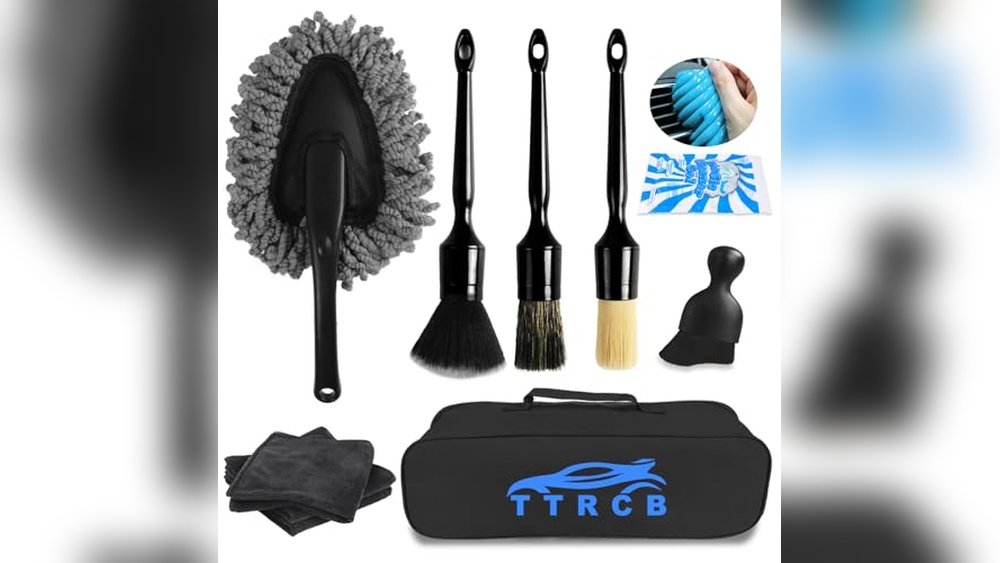
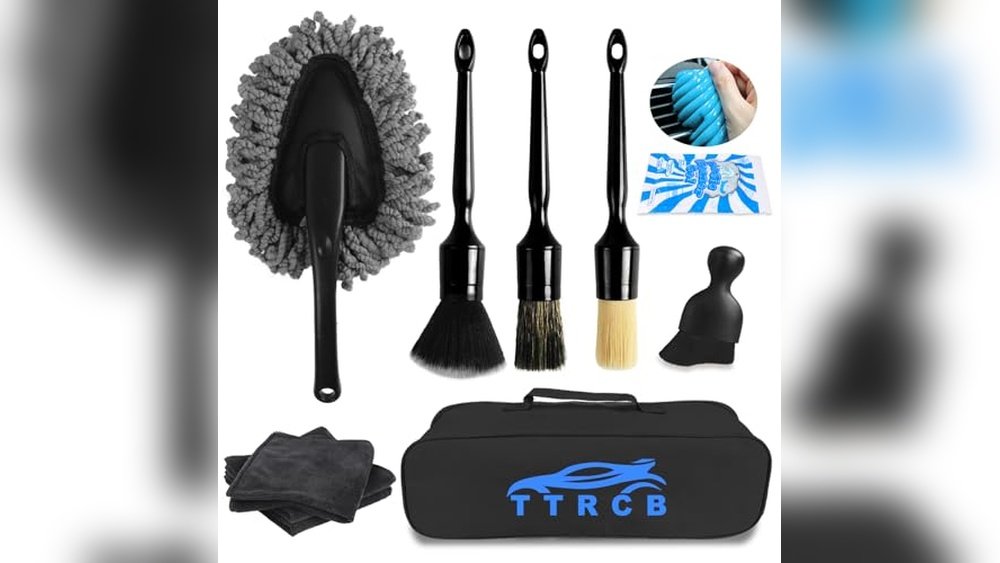
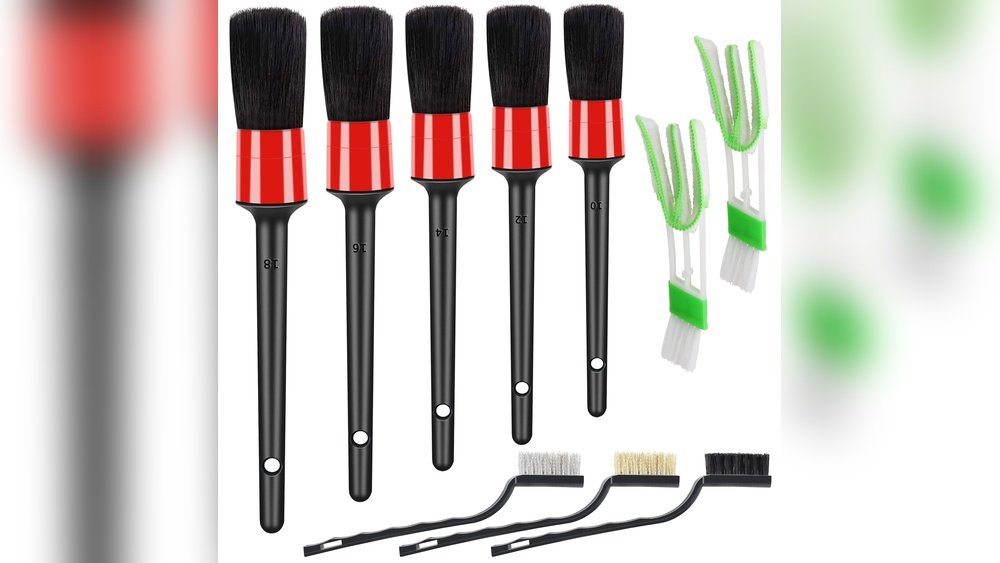
Interior brushes have soft, fine bristles. They clean delicate areas like vents, dashboards, and seams. These brushes reach tight spaces without scratching. They remove dust, crumbs, and dirt gently. Small heads allow precise control during cleaning.
Exterior Brushes
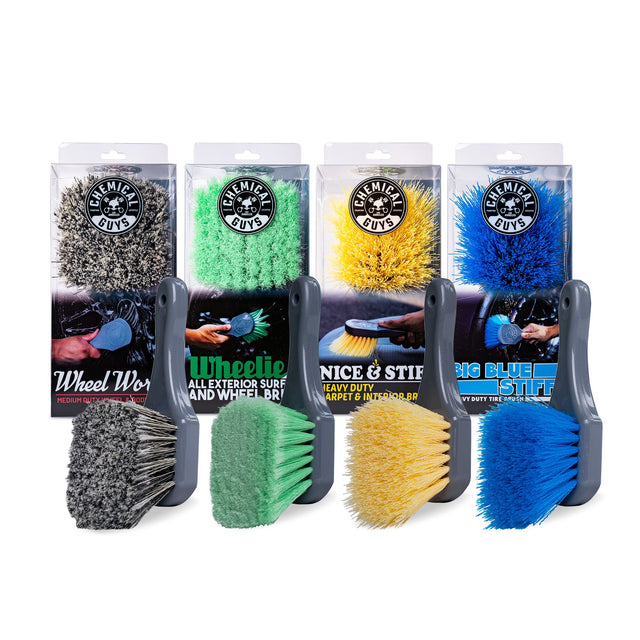
Exterior brushes have stiffer bristles for tough dirt. They work well on wheels, tires, and grills. These brushes handle mud, brake dust, and grime. Larger brush heads cover wide surfaces faster. They resist damage from rough outdoor debris.
Material Differences
Brushes use materials like nylon, horsehair, or microfiber. Nylon bristles are firm and durable for exterior use. Horsehair bristles are soft, ideal for sensitive interior parts. Microfiber brushes trap dust and dirt gently. The brush handle material affects grip and comfort.
Credit: www.chemicalguys.com
Bristle Stiffness
Bristle stiffness plays a key role in choosing the right car detailing brush. It affects how well the brush cleans different surfaces. The wrong stiffness can damage delicate areas or fail to remove tough dirt. Understanding the difference helps in picking brushes for interior or exterior car cleaning.
Soft Bristles For Delicate Surfaces
Soft bristles work best on delicate surfaces inside the car. They gently remove dust without scratching plastics, leather, or fabric. Soft brushes reach tight spaces like air vents and dashboard crevices without causing damage. These brushes protect sensitive materials and keep interiors looking new.
Stiffer Bristles For Tough Dirt
Stiffer bristles handle tough dirt on the car’s exterior. They remove mud, grime, and brake dust from wheels and tires. Stiff brushes provide more scrubbing power to clean rough surfaces. Using them on hard exterior parts improves the car’s overall shine and cleanliness.
Cleaning Efficiency
Cleaning efficiency is key when choosing between interior and exterior car detailing brushes. Each brush type targets specific areas with different dirt types. Using the right brush improves the cleaning result and saves time. Both brushes are designed to remove dust, dirt, and grime effectively but excel in different tasks.
Reaching Tight Spaces
Interior detailing brushes have soft, flexible bristles. They easily reach narrow gaps around buttons, vents, and seams. These brushes remove dirt trapped in hard-to-reach spots without scratching surfaces. Exterior brushes usually have stiffer bristles and cannot access tight interior spaces well.
Removing Dust And Crumbs
Interior brushes pick up fine dust and crumbs from dashboards, seats, and carpets. Their gentle bristles prevent damage to delicate materials. Exterior brushes are too harsh for interior surfaces and may cause scratches. Using an interior brush ensures a thorough clean without harming the car’s inside.
Handling Exterior Grills And Tires
Exterior brushes have firm bristles designed for tough grime on grills and tires. They scrub off mud, brake dust, and road debris effectively. These brushes withstand heavy-duty cleaning and resist wear from rough surfaces. Interior brushes lack the strength to clean these areas properly.
Surface Safety
Surface safety is key when choosing between interior and exterior car detailing brushes. The right brush protects your car’s delicate finishes and keeps surfaces looking new. Brushes that are too hard or rough can cause scratches or damage. Using the correct brush reduces the risk of harm while cleaning.
Understanding how each brush affects surface safety helps you make the best choice for your car. Interior and exterior brushes differ in bristle type and firmness. These differences matter for preventing damage during cleaning tasks.
Scratch Prevention
Scratch prevention is critical during car detailing. Interior surfaces like dashboards and leather need soft brushes that clean gently. Exterior parts, such as wheels and paint, require brushes that remove dirt without scraping. Choosing soft, fine bristles helps avoid scratches on sensitive areas.
Harsh bristles can leave marks on paint or plastic. They also wear down clear coats and other finishes. Using the right brush size and stiffness reduces this risk. Always test a small area first to ensure no damage occurs.
Non-marking Brush Benefits
Non-marking brushes keep your car’s surfaces safe from visible marks. These brushes have special bristles that do not leave streaks or residue. They are perfect for cleaning delicate interior parts and painted surfaces outside.
Non-marking brushes work well on glossy and matte finishes. They prevent swirl marks and maintain the car’s original look. Choosing brushes labeled non-marking ensures safer cleaning and better results.
Brush Durability
Brush durability plays a vital role in both interior and exterior car detailing. Durable brushes save money and deliver consistent results. They handle frequent use and tough cleaning without losing shape or effectiveness. Choosing the right brush means understanding how well it holds up over time and under different conditions.
Material Longevity
Brushes made from high-quality materials last longer. Synthetic bristles resist wear and keep their shape after many uses. Natural bristles may wear down faster, especially on rough surfaces. The handle material also matters. Plastic handles can crack under stress, while rubber or metal handles offer better strength. Interior brushes usually face less abrasion, so softer materials can work well. Exterior brushes need tougher materials to endure dirt, debris, and rough surfaces.
Resistance To Chemicals
Car detailing involves many cleaning chemicals. Brushes must resist damage from these substances. Poor chemical resistance causes bristles to weaken and break. Interior brushes often contact gentle cleaners, so they can use softer, less resistant materials. Exterior brushes face stronger chemicals like degreasers and wheel cleaners. These brushes need chemical-resistant bristles to maintain durability. Proper chemical resistance ensures brushes last longer and perform well in all cleaning tasks.
Usage Tips
Using the right brushes for car detailing improves results and protects surfaces. Interior and exterior brushes serve different purposes. Proper usage helps remove dirt without damage. Follow these tips for the best care of your car’s surfaces.
Order Of Detailing
Start with the interior before moving outside. Clean the dashboard, vents, and seats using soft brushes. Then, tackle the exterior surfaces like wheels and grills. This order prevents dirt from spreading. Always work from top to bottom on the exterior. This method avoids re-contaminating cleaned areas.
Proper Cleaning Techniques
Use gentle, circular motions with interior brushes. Avoid pressing too hard to prevent scratches. Exterior brushes can be firmer but still require care. Dip brushes in soapy water to loosen dirt. Rinse frequently to remove debris and avoid scratching. Clean one small section at a time for best results.
Maintenance Of Brushes
Rinse brushes thoroughly after each use to remove dirt. Shake out excess water and let them air dry. Store brushes in a dry, clean place to keep bristles in shape. Replace brushes with worn or frayed bristles. Proper care extends brush life and protects your car’s finish.
Choosing The Right Brush
Choosing the right brush for car detailing is essential for a thorough clean. The right brush helps protect your car’s surfaces while removing dirt effectively. Different brushes serve different purposes inside and outside the vehicle. Selecting wisely saves time and prevents damage.
Matching Brush To Task
Each detailing task requires a specific brush type. Soft brushes work best for delicate areas like dashboards and vents. Stiffer brushes suit tough grime on wheels and tires. Match brush size to the cleaning spot for better reach. Using the correct brush increases cleaning efficiency.
Considering Vehicle Surfaces
Car surfaces vary in texture and material. Leather, plastic, glass, and metal need different brush care. Use gentle brushes on fragile surfaces to avoid scratches. Harder brushes clean rougher parts like rubber mats or engine compartments. Knowing your car’s surfaces guides the brush choice.
Common Mistakes
Car detailing brushes are essential tools for cleaning, but many make mistakes that reduce their effectiveness. Using the wrong brush in the wrong place can cause damage or leave dirt behind. Choosing the right brush and using it properly improves results and protects surfaces.
Using Interior Brushes Outside
Interior brushes have soft bristles made for delicate surfaces. Using them on exterior parts like wheels or grills can wear out the bristles quickly. Soft bristles cannot remove tough dirt or brake dust well. This leads to more effort and poor cleaning.
Exterior brushes have stiff bristles to handle rough surfaces and strong grime. Using interior brushes outside wastes time and can damage the brush. It is better to keep interior brushes only for dashboards, vents, and leather seats.
Ignoring Brush Quality
Cheap brushes may look fine but often shed bristles or scratch surfaces. Poor quality brushes do not clean well or last long. Investing in high-quality brushes gives better results and protects your car’s finish.
Good brushes hold their shape, resist wear, and clean hard-to-reach places. They make detailing easier and faster. Avoid brushes with plastic bristles that feel stiff and rough. Choose brushes with soft, durable fibers for interiors and sturdy fibers for exteriors.
Expert Recommendations
Expert recommendations help you choose the right detailing brush for your car. Knowing the best brands and professional tips improves your cleaning results. Proper brushes protect surfaces and reach tight spots easily. This section shares trusted advice from experienced detailers and highlights top brush brands.
Top Brands
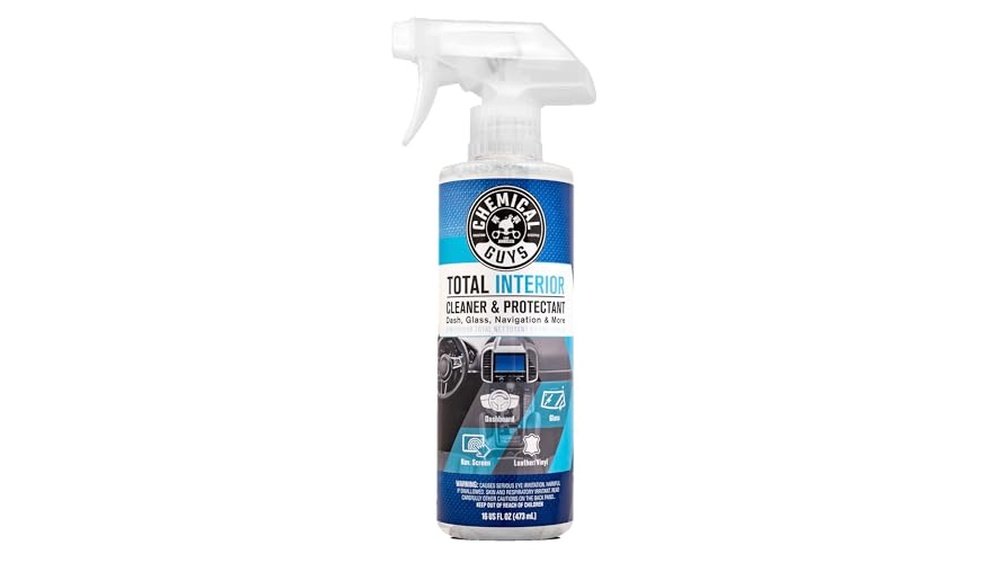
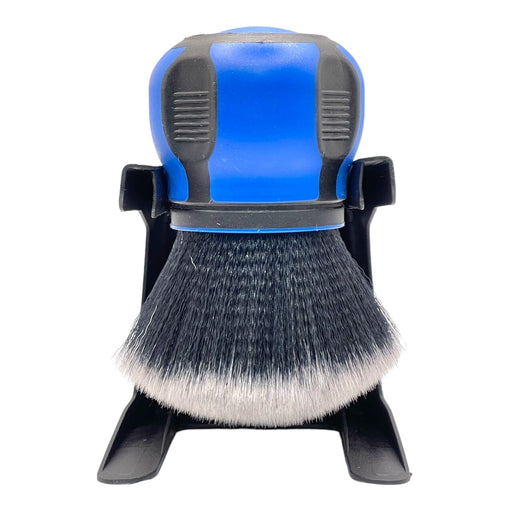
Choose brushes from reliable brands with quality bristles. Chemical Guys offers soft brushes ideal for delicate interiors. Auto Finesse provides durable brushes for both interior and exterior use. Mothers and Meguiar’s produce versatile brushes that clean without scratching. These brands focus on comfort, durability, and effective cleaning. Investing in good brushes saves time and protects your car’s surfaces.
Professional Detailing Insights
Experts recommend using softer brushes inside the car. Soft bristles clean dashboards, vents, and seams without damage. For wheels and exterior trim, stiffer brushes remove tough dirt. Professionals suggest rinsing brushes often to avoid dirt buildup. Use different brushes for interior and exterior to prevent cross-contamination. Proper brush care extends their life and keeps cleaning safe. Follow these simple tips for better detailing results.
Credit: empire.pizza
Frequently Asked Questions
Can I Use Detailing Brushes On Car Interiors?
Yes, use soft, non-marking detailing brushes on car interiors to clean dust and debris in tight spaces safely.
What Are The Different Detailing Brushes For?
Detailing brushes serve different purposes: soft brushes clean delicate interiors without scratches. Stiffer brushes remove tough dirt from exterior grills and wheels. Small brushes reach tight crevices, while larger ones handle broad surfaces. Choose brush type based on surface sensitivity and cleaning needs for effective car detailing.
How Much Should I Tip For A $100 Car Detail?
For a $100 car detail, tip between $15 and $20. Adjust based on service quality and effort. Tipping shows appreciation.
Should You Detail The Interior Or Exterior First?
Detail the interior first to ensure it’s clean, dry, and protected before working on the exterior paint and finish.
Conclusion
Choosing the right brush matters for car detailing success. Interior brushes have soft bristles to protect delicate surfaces. Exterior brushes use stiffer bristles for tough dirt removal. Using the correct brush prevents damage and cleans well. Remember, each brush fits a specific job in detailing.
Clean carefully and enjoy a refreshed, well-maintained car inside and out. Simple tools make a big difference in car care.