
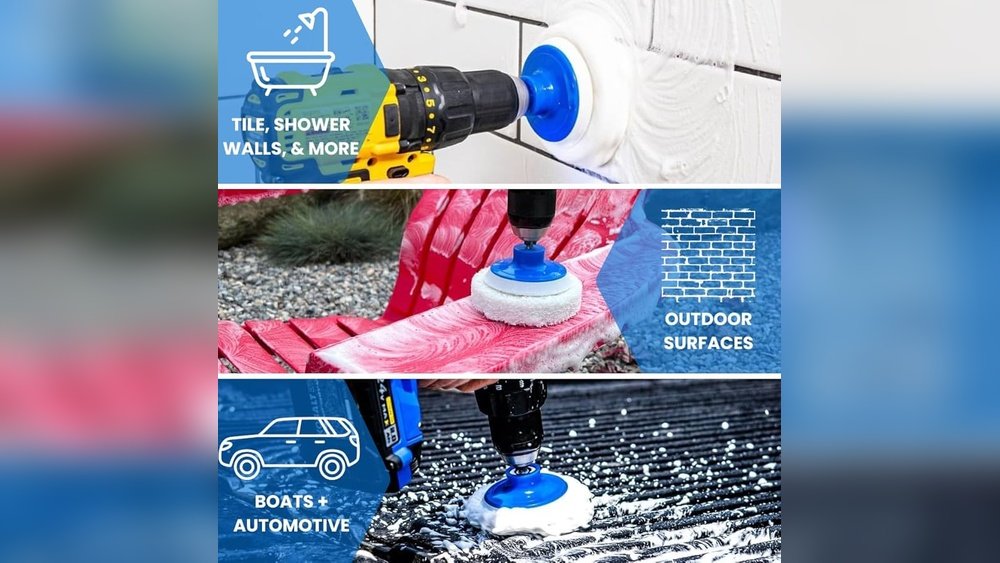
When it comes to keeping your car spotless, the right tools make all the difference. But how do you choose between a drill brush and a manual car detailing brush?
You want a cleaning method that’s effective, saves time, and protects your car’s surfaces. Maybe you’re wondering which option will give you the best results without damaging your paint or interior. You’ll discover the pros and cons of both tools, helping you decide which one fits your car care routine perfectly.
Ready to find out which brush will transform your detailing game? Keep reading!

Credit: www.elvalordelaeducacionfisica.com
Drill Brush Features
Drill brushes offer unique features that make car detailing easier and faster. They attach to power drills, turning manual scrubbing into a mechanical action. This power saves time and effort during cleaning tasks. Different drill brushes suit various surfaces and dirt levels. Understanding these features helps choose the right brush for your car care needs.
Power And Speed
Drill brushes use the drill’s motor for power. This provides high-speed rotation that beats hand scrubbing. The speed can vary depending on the drill’s settings. Faster speeds clean tough grime quickly. Slower speeds work better on delicate surfaces. This control reduces the risk of damage while improving cleaning efficiency.
Brush Types And Sizes
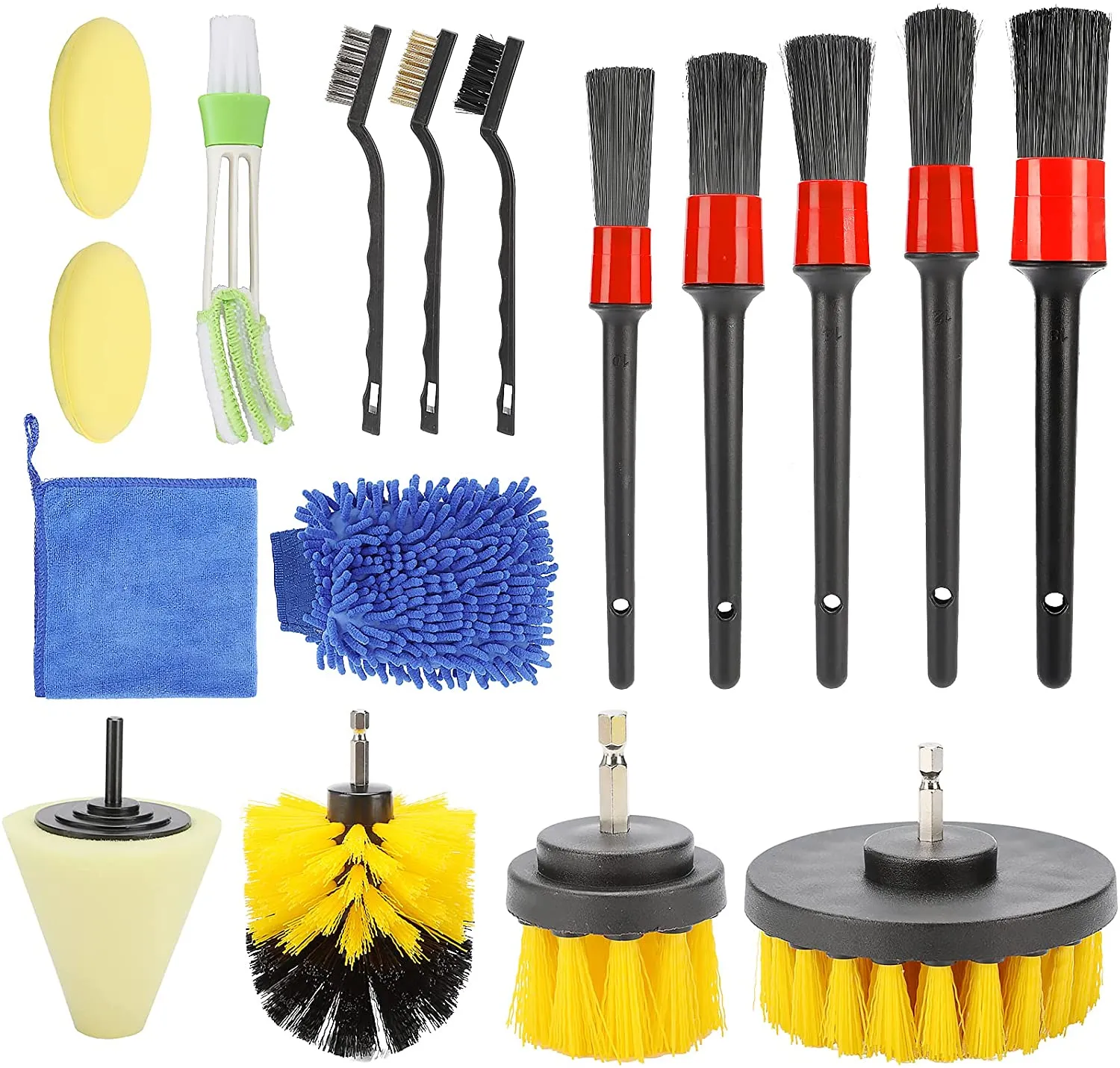
Drill brushes come in many shapes and sizes. There are soft brushes for gentle surfaces like leather or dashboards. Medium brushes suit plastics and rubber trims. Stiff brushes handle wheels, tires, and strong dirt. Sizes range from small for tight spots to large for broad areas. Choosing the right brush type protects car surfaces and cleans well.
Attachment And Compatibility
Most drill brushes attach easily with a standard hex or round shank. This fits most household power drills. The brush head can be swapped quickly for different tasks. Compatibility with your drill is key for convenience. Some kits include multiple brushes and adapters. This variety ensures you have the right tool for every cleaning job.
Manual Brush Features
Manual car detailing brushes offer a range of useful features. They allow precise cleaning of small and delicate areas. These brushes come with different designs and bristle types. This makes them versatile for many cleaning tasks. Understanding these features helps choose the right brush for your car.
Variety Of Bristle Types
Manual brushes have many bristle options. Soft synthetic bristles clean delicate surfaces gently. They prevent scratches on dashboards and leather. Medium bristles work well on general interior areas. Stiffer bristles remove tough dirt on tires and door jambs. Specialty bristles target hard-to-reach spots like vents and buttons. This variety ensures effective cleaning without damage.
Handle Design And Grip
The handle design of manual brushes is simple yet practical. Many have ergonomic shapes to fit comfortably in your hand. Textured grips prevent slipping during use. Lightweight materials reduce hand fatigue for long cleaning sessions. Some handles have holes for hanging and easy storage. Good handle design improves control and cleaning efficiency.
Flexibility And Control
Manual brushes provide excellent flexibility and control. You can easily reach tight spaces and corners. The brush angle can adjust to different surfaces. This helps clean uneven areas without extra effort. Unlike power tools, manual brushes offer more precision. They let you clean gently around sensitive parts. This control is key for detailed car care.
Cleaning Performance
Cleaning performance is a key factor when choosing between a drill brush and a manual car detailing brush. Both tools serve to remove dirt and grime, but their efficiency varies depending on the surface and type of dirt. Understanding how each brush performs helps in selecting the right one for specific car detailing tasks.
Effectiveness On Interior Surfaces
Manual brushes offer gentle cleaning for delicate interior parts. Their soft bristles reach tight spots without damaging surfaces like leather, dashboards, or screens. Drill brushes can be too harsh for sensitive areas, risking scratches or wear. For light dust and dirt, manual brushes provide more control and precision.
Performance On Wheels And Tires
Drill brushes excel at cleaning wheels and tires. Their power scrubs off brake dust, mud, and stubborn grime quickly. The rotating action saves time and effort on tough surfaces. Manual brushes require more work but allow targeted cleaning in hard-to-reach crevices. Stiffer bristles on both brush types help tackle rough tire textures.
Handling Tough Grime
Drill brushes remove heavy grime with less physical effort. Their speed and torque break down dirt faster than manual brushing. Manual brushes rely on user strength and can be tiring for large or very dirty areas. For spot cleaning or delicate parts, manual brushes remain effective without risking damage.
Surface Safety
Surface safety plays a crucial role in choosing between a drill brush and a manual car detailing brush. Protecting your car’s finish and interior surfaces prevents costly damage. Both brushes clean effectively but vary in their impact on delicate materials.
Understanding how each brush interacts with different surfaces helps avoid scratches and preserves the original look. This section explores key factors to keep your car safe during cleaning.
Scratch Risks
Drill brushes spin at high speeds, which can increase the chance of scratches. The fast motion may press bristles harder against surfaces. Manual brushes offer better control and gentler cleaning.
Using a drill brush on soft paint or clear coats can leave swirl marks. Manual brushes reduce this risk by allowing careful, slow movements. Always test any brush on a small area first.
Suitable Surfaces For Each Brush
Drill brushes work well on tough surfaces like tires, wheel wells, and plastic trim. They quickly remove dirt from rough areas without much damage. Manual brushes suit delicate surfaces like leather seats, dashboards, and glass.
Manual brushes also clean small crevices and tight spots better. Choosing the right brush for each surface ensures effective cleaning without harm.
Material Compatibility
Brush bristle material affects compatibility with car parts. Soft synthetic or boar hair bristles are safe for paint, leather, and sensitive plastics. Stiffer nylon bristles handle grime on rubber and hard plastics.
Drill brushes often have firmer bristles, so avoid using them on fragile materials. Manual brushes come in a variety of bristle types, making them versatile for different textures. Knowing your car’s materials helps select the best brush.
Ease Of Use
Ease of use is a vital factor in choosing between a drill brush and a manual car detailing brush. It affects how comfortable and fast you can clean your vehicle. Understanding the differences helps you pick the right tool for your needs. Let’s explore this topic by looking at ergonomics, time efficiency, and the learning curve for both brushes.
Ergonomics And Comfort
Manual brushes are lightweight and simple to hold. They give you full control over pressure and movement. However, scrubbing for a long time can cause hand fatigue.
Drill brushes attach to a power drill, reducing the effort needed. They let you clean with less strain on your hands and wrists. Still, the drill’s weight can be tiring if used for a long time.
Time Efficiency
Manual brushes work well for small or detailed areas. They take more time for large surfaces. Every stroke needs your full energy.
Drill brushes clean faster because the motor spins the bristles quickly. This saves time on big jobs like wheels or carpets. The speed helps remove tough dirt more easily.
Learning Curve
Manual brushes are easy to use right away. No special skills or tools are needed. Beginners can start cleaning immediately.
Drill brushes need some practice to control properly. Too much pressure or speed can damage surfaces. Users should learn how to handle the drill safely.
Credit: lafetedumojito.com
Durability And Maintenance
Durability and maintenance play a big role in choosing between a drill brush and a manual car detailing brush. Both types face wear and tear during cleaning tasks. How long each brush lasts and how easy it is to keep them clean affects your overall experience. Proper care can extend the life of your brushes and save money in the long run.
Brush Longevity
Drill brushes usually last longer because they have sturdy bristles and strong cores. They handle tough grime and heavy use without breaking. Manual brushes can wear out faster if used on rough surfaces. The bristles may bend or fall out with repeated scrubbing. The quality of materials also impacts how long each brush stays effective.
Cleaning And Storage Tips
Rinse brushes thoroughly after each use to remove dirt and chemicals. Avoid harsh detergents that can weaken bristles. Let brushes dry completely before storing to prevent mold and odor. Store them in a dry, cool place away from direct sunlight. For drill brushes, detach from the drill and clean the base well. Manual brushes benefit from hanging or lying flat to keep bristles in shape.
Replacement Costs
Drill brushes tend to cost more upfront but last longer, reducing frequent replacements. Manual brushes are cheaper but may require more frequent buying. Replacement parts for drill brushes can add to expenses. Budgeting for brush replacement depends on how often you detail cars. Choosing durable brushes can lower costs over time.
Cost Comparison
Comparing costs between drill brushes and manual car detailing brushes helps you choose the right tool. Both have different price points and ongoing expenses. Understanding these can save money and improve your detailing experience.
This section breaks down the costs into initial investment, long-term value, and accessory expenses.
Initial Investment
Manual car detailing brushes cost less upfront. You can find quality brushes for under $20. Drill brushes need a power drill, which raises the initial cost significantly. A basic drill costs around $40 to $60. Drill brush attachments range from $15 to $40. This makes the starting price higher than manual brushes.
Long-term Value
Manual brushes last long with proper care. They do not need electricity or batteries. Drill brushes speed up cleaning but may wear out faster. Brush heads can degrade with heavy use. The drill itself needs maintenance or battery replacement. Over time, manual brushes might save money due to fewer replacements and no power costs.
Accessory Expenses
Manual brushes usually have no extra costs. You buy one or two, and that is it. Drill brushes require buying different brush heads for various surfaces. These heads vary in price and wear out at different rates. Also, battery-powered drills need charging equipment and sometimes new batteries. These add to the total expenses over time.
Best Use Cases
Choosing the right brush for car detailing depends on the task and surface. Both drill brushes and manual brushes have strengths. Knowing their best use cases helps achieve the best cleaning results. Each tool fits certain jobs better than the other.
Ideal Scenarios For Drill Brushes
Drill brushes work great for large, tough cleaning jobs. They save time on wheels, tires, and engine bays. The power helps remove stubborn dirt and grime quickly. Use drill brushes on hard surfaces that can handle strong scrubbing. They are perfect for deep cleaning textured areas and crevices. The fast rotation cleans faster than manual scrubbing.
When Manual Brushes Excel
Manual brushes shine on delicate surfaces and small areas. They offer better control and reduce the risk of damage. Use them on leather seats, dashboards, and painted surfaces. Manual brushes reach tight spots like vents and seams carefully. Their gentle touch protects soft materials from harsh scrubbing. They work well for light cleaning and detailed interior work.
Combining Both Tools
Using both drill and manual brushes provides flexibility. Start with a drill brush for heavy dirt removal on wheels and mats. Switch to a manual brush for delicate interior panels and trim. Combining tools ensures thorough cleaning without harming surfaces. This approach saves effort and improves overall detail quality. Each brush complements the other’s strengths for better results.

Credit: www.sydneyarbitrationchambers.com
Frequently Asked Questions
What Brushes Do Car Detailers Use?
Car detailers use soft synthetic or boar hair brushes for delicate surfaces, stiffer brushes for grime, and specialty brushes for wheels or pet hair removal. They prefer plastic handles to avoid scratches and flagged bristles for better dirt pickup and cleaning efficiency.
Can You Use A Drillbrush On Car Carpet?
Yes, you can use a Drillbrush on car carpet. Choose a soft to medium bristle brush to avoid damage. Use gentle pressure for effective cleaning.
How Much Should I Tip For A $100 Car Detail?
A 15-20% tip on a $100 car detail, meaning $15 to $20, is standard for good service.
Are Drill Brushes Good?
Drill brushes clean surfaces quickly and effectively, saving time and effort. They suit tough grime but may scratch delicate areas. Choose bristle strength wisely for best results.
Conclusion
Choosing between a drill brush and a manual car detailing brush depends on your needs. Drill brushes clean faster and require less effort. Manual brushes offer more control for delicate areas. Both types work well with the right brush style and stiffness.
Using brushes without metal parts protects your car’s surface. Consider the size, bristle type, and handle comfort. Each brush serves a purpose in keeping your car spotless. Try both to find what suits your cleaning style best. Clean cars, happy drivers.














