
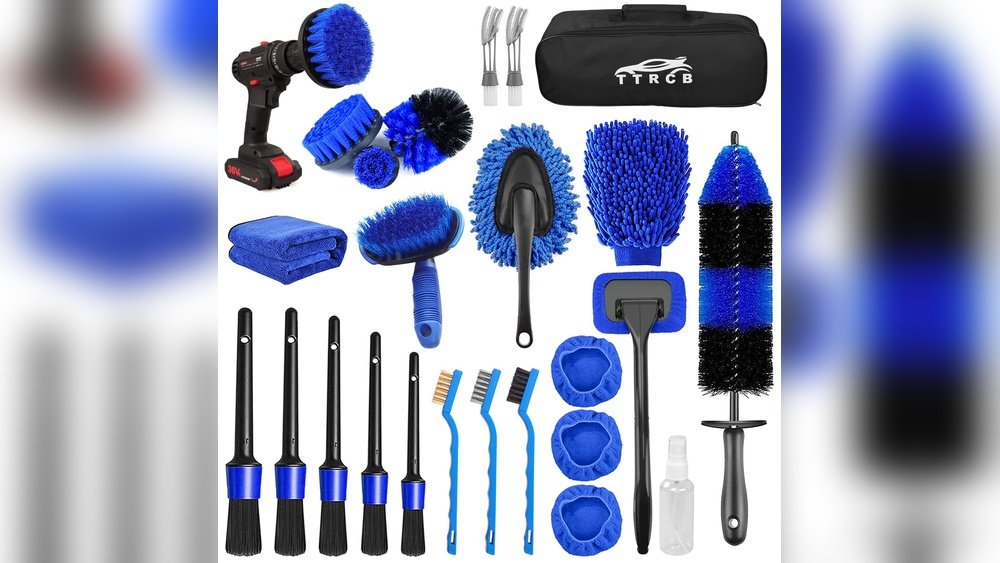
If you want your car detailing brushes to work like new every time, knowing how to clean them properly is key. Dirty brushes don’t just look bad—they can scratch your car’s paint and reduce your cleaning results.
You might be wondering: What’s the easiest way to remove grease, dirt, and grime from those tiny bristles? And how do you keep them soft and ready for your next detailing session? In this guide, you’ll discover simple, effective steps to clean your car detailing brushes so they last longer and perform better.
Keep reading to unlock the secrets that professional detailers use to keep their tools spotless and your car shining!
Choosing The Right Brushes
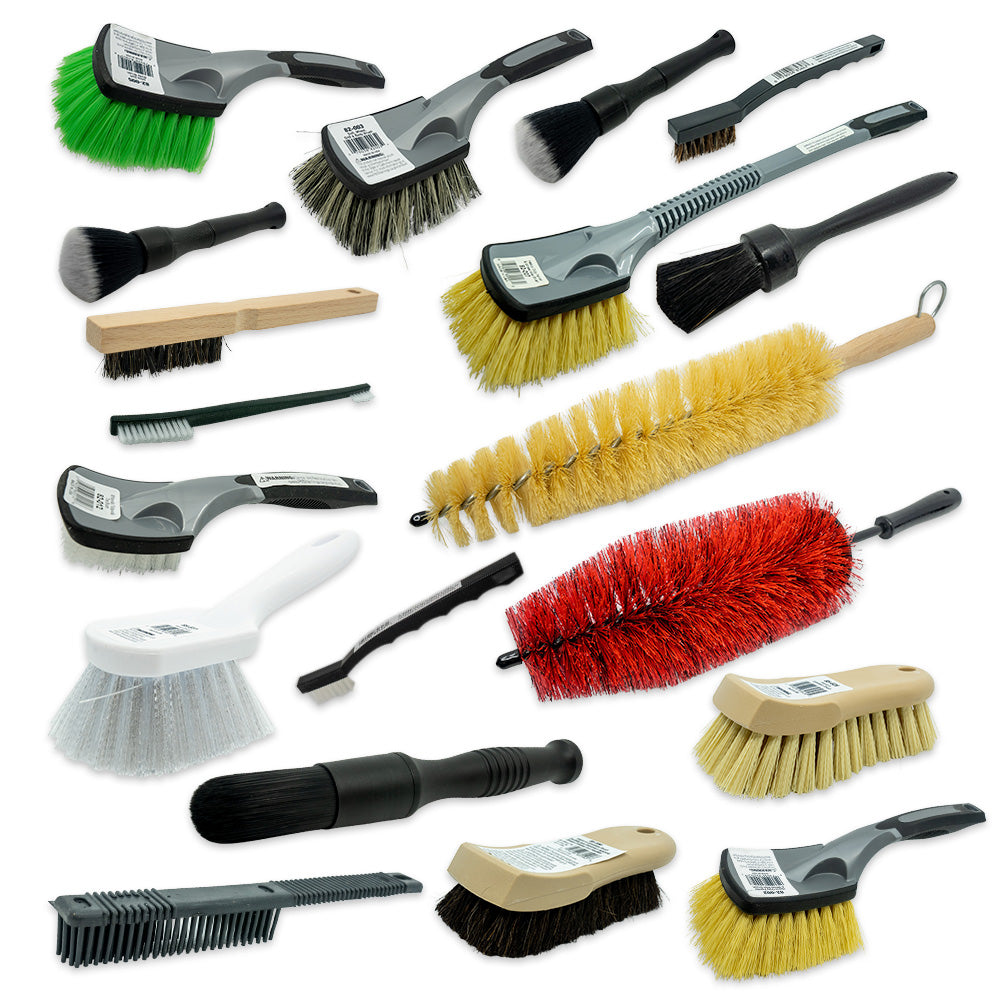
Choosing the right brushes is key to effective car detailing. Each brush serves a specific purpose. Using the correct brush protects your vehicle’s surfaces. It also improves cleaning results and brush lifespan.
Understanding brush types and materials helps make better choices. Select brushes based on the area and dirt type. This prevents damage and ensures thorough cleaning every time.
Types Of Detailing Brushes
Detailing brushes come in various shapes and sizes. Small brushes work well for tight spaces and crevices. Larger brushes cover broad areas like wheels and tires. Some brushes have soft bristles for delicate surfaces. Others have stiff bristles for heavy dirt removal.
Foam-tipped brushes are gentle and good for dashboards. Wheel brushes often have longer, tougher bristles. Interior brushes focus on vents and upholstery. Each type fits a specific cleaning task perfectly.
Brush Materials And Uses
Brush bristles are made from synthetic or natural fibers. Synthetic bristles resist chemicals and dry quickly. They suit most exterior surfaces and wheels. Natural bristles are softer and work well on interiors.
Horsehair brushes offer gentle cleaning for delicate paint. Nylon brushes provide firmness for scrubbing grime. Some brushes combine materials to balance softness and strength. Handle materials also vary: wood, plastic, or rubber grips are common.
Choose brush materials based on the surface and cleaning method. Proper material selection extends brush life and prevents scratches.
Credit: www.detailking.com
Essential Cleaning Supplies
Keeping your car detailing brushes clean is vital for effective and safe car care. Proper cleaning removes dirt, grease, and residue that can damage your vehicle’s surface. Having the right cleaning supplies simplifies the process and protects the brushes’ bristles. Here are the essential supplies you need for thorough brush cleaning.
Mild Soaps And Detergents
Choose mild soaps to clean your detailing brushes gently. Dish soaps designed for sensitive skin work well. These soaps remove grease without harming the bristles. Avoid harsh chemicals that can break down brush fibers. Mild soaps keep your brushes soft and durable for longer use.
Brush Cleaners And Solvents
Specialized brush cleaners dissolve tough grime and oils stuck in bristles. They work better than regular soap on heavy dirt buildup. Use solvents made for detailing tools to protect brush materials. Always read product instructions to avoid damage. These cleaners restore brush performance quickly and safely.
Water Temperature Tips
Use warm water for cleaning your brushes. Warm water helps break down grease and dirt faster than cold water. Avoid hot water as it may weaken bristle glue or cause warping. Rinse brushes thoroughly with water at a safe temperature. Proper water temperature ensures deep cleaning without damage.
Step-by-step Cleaning Process
Cleaning car detailing brushes properly keeps them effective and extends their life. Follow this simple step-by-step process to remove dirt, grease, and grime from your brushes. Regular cleaning prevents buildup that can scratch your car’s surface or reduce brush performance. Each step focuses on gentle care and thorough cleaning.
Pre-rinse And Debris Removal
Start by rinsing the brushes under warm water. This removes loose dirt and particles. Use your fingers to separate the bristles gently. Shake the brush to dislodge trapped debris. Avoid hot water as it can damage the bristles.
Applying Soap Or Cleaner
Apply a mild soap or brush cleaner to the bristles. Dish soap like Dawn works well for grease and grime. Work the soap into the bristles by massaging them with your fingers. Make sure to cover the base where dirt often hides.
Scrubbing Techniques
Use a soft brush or your fingers to scrub the bristles gently. Focus on areas with stubborn dirt. Move the bristles back and forth to loosen buildup. Avoid harsh scrubbing that can break or damage the bristles.
Rinsing Thoroughly
Rinse the brush under warm water until no soap remains. Check the bristles carefully for any leftover dirt. Repeat scrubbing and rinsing if needed. Clear water ensures no residue that could harm your car’s paint.
Drying And Storage
Squeeze out excess water from the bristles gently. Shake the brush to remove more moisture. Lay the brush flat or hang it with bristles facing down. Store in a dry, clean place to avoid mold and damage.
Removing Stubborn Build-up
Removing stubborn build-up from car detailing brushes is key to keeping them effective and long-lasting. Over time, dirt, grease, and grime can get trapped deep inside the bristles. This build-up reduces the brush’s cleaning power and can even damage paint surfaces. Proper cleaning methods target these tough residues without harming the brush.
Focus on the root of the problem: the base of the bristles. This area collects the most dirt. Using the right cleaning agents and techniques breaks down oils and stains. Follow these steps to restore your brushes to their best condition.
Using Degreasers And Apc
Degreasers and All-Purpose Cleaners (APC) work well for breaking down oily residues. Apply a small amount directly to the bristles. Let it sit for a few minutes to loosen the grime. Gently agitate the bristles with your fingers or a soft cloth. Rinse thoroughly under warm water until all soap and dirt are gone.
Choose a degreaser that is safe for synthetic bristles. Avoid harsh chemicals that can weaken the brush fibers. Regular use of APCs keeps brushes free from heavy grease and build-up.
Targeting Base Of Bristles
The base of the bristles traps the most dirt and debris. Focus your cleaning efforts here for best results. Use a small detailing brush or an old toothbrush to scrub this area. Move in small circles to lift the grime out.
Rinse the brush under running water while scrubbing to wash away loosened dirt. Squeeze out excess water and repeat if needed. Cleaning the base prevents hardened build-up that damages brush shape.
Handling Black Stains
Black stains on brushes often come from brake dust or tar. These marks can be stubborn and require extra care. Use a gentle stain remover or a mixture of baking soda and water. Apply it to the stained areas and let sit for a few minutes.
Scrub lightly with a soft brush to lift the stain. Rinse fully to remove all residue. Avoid scrubbing too hard to protect the bristles. Treat black stains promptly to keep brushes looking clean and fresh.
Maintaining Brush Longevity
Maintaining your car detailing brushes extends their life and improves performance. Proper care keeps the bristles soft and effective. Small habits prevent damage and save money over time.
Simple steps help avoid wear and tear. Clean brushes last longer and work better on your car’s surfaces. Follow these tips to keep your brushes in top shape.
Avoiding Damage To Bristles
Handle brushes gently to protect the bristles. Avoid pressing too hard during cleaning. Do not use harsh chemicals that can weaken fibers. Choose mild soap or brush cleaner instead. Check for stuck dirt and remove it carefully by hand. Store brushes where bristles won’t bend or get crushed.
Proper Drying Orientation
Dry brushes with bristles facing down or sideways. This stops water from soaking into the handle. Water inside the brush can cause mold or loosen glue. Use a towel to remove excess water first. Place brushes in a well-ventilated area to dry faster. Avoid direct sunlight to prevent bristles from becoming brittle.
Regular Cleaning Frequency
Clean your detailing brushes after each use. Dirt and chemicals left on bristles cause damage over time. Rinse brushes thoroughly with warm water. Use mild soap to remove grease and grime. Regular cleaning keeps bristles flexible and strong. This habit reduces buildup and improves cleaning results on your car.
Cleaning Different Detailing Tools
Cleaning your car detailing tools is vital to keep them effective and last longer. Different tools need different care to remove dirt and grime properly. Regular cleaning prevents damage and maintains performance. Let’s explore how to clean common detailing tools.
Buckets And Applicator Pads
Empty buckets after each use and rinse with clean water. Use mild soap to remove oils or dirt stuck inside. For applicator pads, soak them in warm water with gentle detergent. Rub pads lightly to remove dirt. Rinse well until water runs clear. Squeeze out excess water and let them air dry.
Polishing Pads And Machines
Remove polishing pads from machines after use. Rinse pads in warm water to remove polish residue. Use a soft brush to clean deep inside the pad fibers. Avoid harsh chemicals that can damage the foam. Let pads dry fully before storing. Wipe down machines with a microfiber cloth to remove dust and polish splatter.
Microfiber Towels
Shake microfiber towels to remove loose dirt. Wash separately in warm water using a mild detergent. Avoid fabric softeners and bleach as they reduce towel effectiveness. Dry towels on low heat or air dry to keep fibers intact. Store towels in a clean, dry place to prevent contamination.
Common Mistakes To Avoid
Cleaning car detailing brushes properly extends their life and improves performance. Avoiding common mistakes keeps brushes effective and prevents damage. Many people unknowingly harm their brushes during cleaning. Learn what to avoid to keep your brushes in top shape.
Using Harsh Chemicals
Harsh chemicals can ruin the bristles of your brushes. Strong cleaners break down the fibers and cause stiffness. Use mild soap or specialized brush cleaners instead. Gentle cleaning protects the brush and your car’s surface.
Skipping Rinsing Steps
Not rinsing brushes thoroughly leaves dirt and soap behind. Residue buildup weakens bristles and reduces cleaning power. Always rinse under warm water until the water runs clear. This step ensures no grime or soap stays trapped.
Improper Storage
Storing brushes incorrectly damages the bristles and shape. Avoid leaving brushes in damp or dirty places. Store them bristle side up or hang them to dry fully. Proper storage keeps brushes ready for the next use.

Credit: www.amazon.com
Expert Tips And Tricks
Keeping your car detailing brushes clean extends their life and improves performance. Follow expert tips and tricks to clean brushes effectively. Proper care removes dirt and prevents damage.
Using Silicone Scrubbing Mats
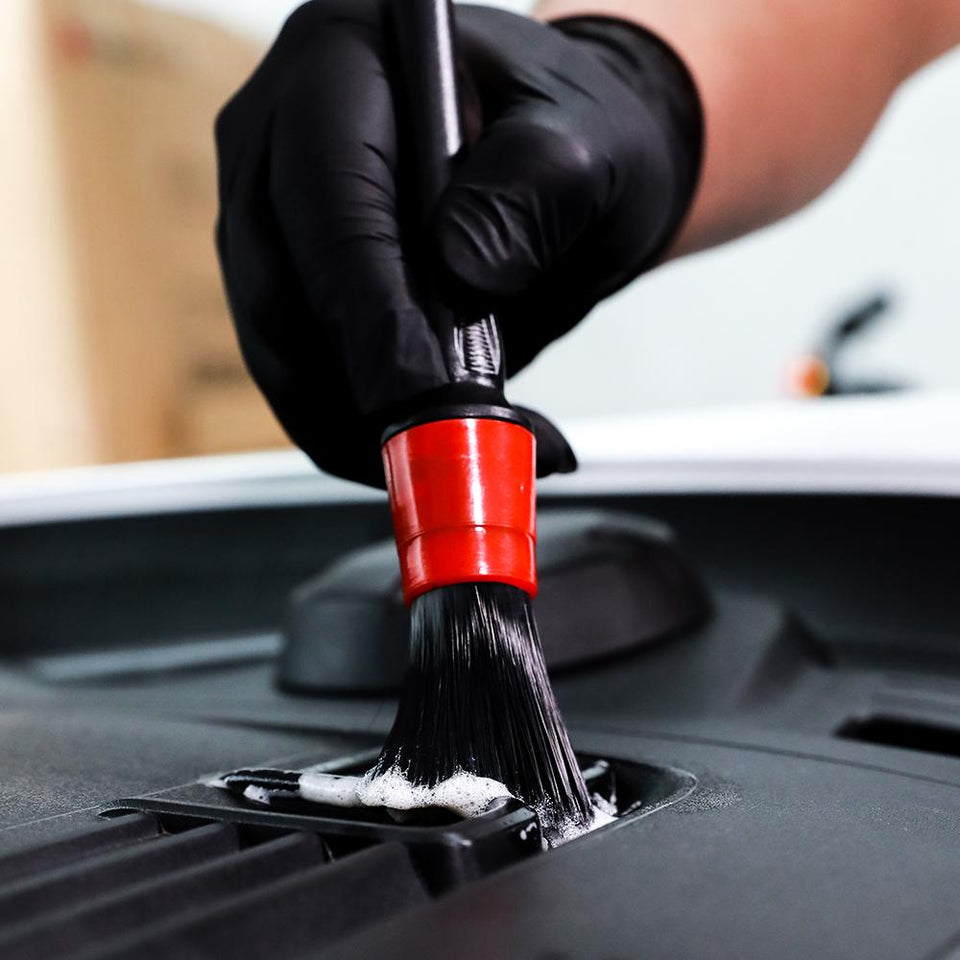
Silicone scrubbing mats help remove dirt from brush bristles quickly. Simply rub the brush back and forth on the mat. The textured surface loosens debris without harming the bristles. This method saves time and cleans deeply.
Cleaning Brushes After Every Use
Rinse brushes immediately after each use to avoid buildup. Use warm water to wash out dirt and grime. Dry brushes bristle-side down on a clean towel. This prevents water from damaging the brush base and keeps bristles in shape.
Choosing Suitable Cleaning Agents
Select mild soaps or specialized brush cleaners for best results. Avoid harsh chemicals that can ruin bristles. Dish soap works well to break down grease and grime. Always rinse brushes thoroughly to remove all soap residue.
Credit: sgcbdirect.com
Frequently Asked Questions
What Cleaner To Use With A Detailing Brush?
Use a mild soap, all-purpose cleaner (APC), or specialized brush cleaner with detailing brushes. Rinse thoroughly with warm water.
Is Dawn Dish Soap Good For Cleaning Brushes?
Dawn dish soap effectively cleans brushes by removing grease and buildup. Spray, scrub gently, rinse well, and air dry for best results.
How To Get Buildup Off Of Brush Bristles?
Rinse brush bristles under warm water. Apply mild soap or brush cleaner. Gently scrub with fingers or a mat. Rinse until water runs clear. Squeeze out excess water and dry bristles downward on a towel. Repeat as needed for stubborn buildup.
What Is The Best Thing To Clean Your Brushes With?
Use warm water and mild soap or a brush cleaner to clean your brushes effectively. For oil-based paint, use mineral spirits or turpentine. Rinse thoroughly until water runs clear and dry bristles facing down. This method keeps brushes clean and extends their lifespan.
Conclusion
Keeping your car detailing brushes clean ensures better results every time. Rinse brushes with warm water immediately after use. Use mild soap or brush cleaner to remove dirt. Focus on the bristle base where grime hides. Rinse until water runs clear to avoid residue.
Let brushes dry bristle-side down on a clean towel. Regular cleaning extends brush life and keeps surfaces scratch-free. Clean tools mean a cleaner car and easier detailing work. Simple steps make a big difference in your car care routine.














