

When you’re using detailing brushes on your car’s paint, it’s easy to worry about causing scratches that can ruin that perfect shine. You want to clean every nook and cranny without damaging the surface you’ve worked so hard to keep flawless.
But how can you be sure your brushes are helping, not hurting? You’ll discover simple, practical tips to avoid scratching your paint while using detailing brushes. By following these easy steps, you can protect your car’s finish and keep it looking showroom-ready.
Keep reading to learn exactly what you need to do to detail safely and effectively every time.
Credit: www.stephanedeneve.com
Brush Selection
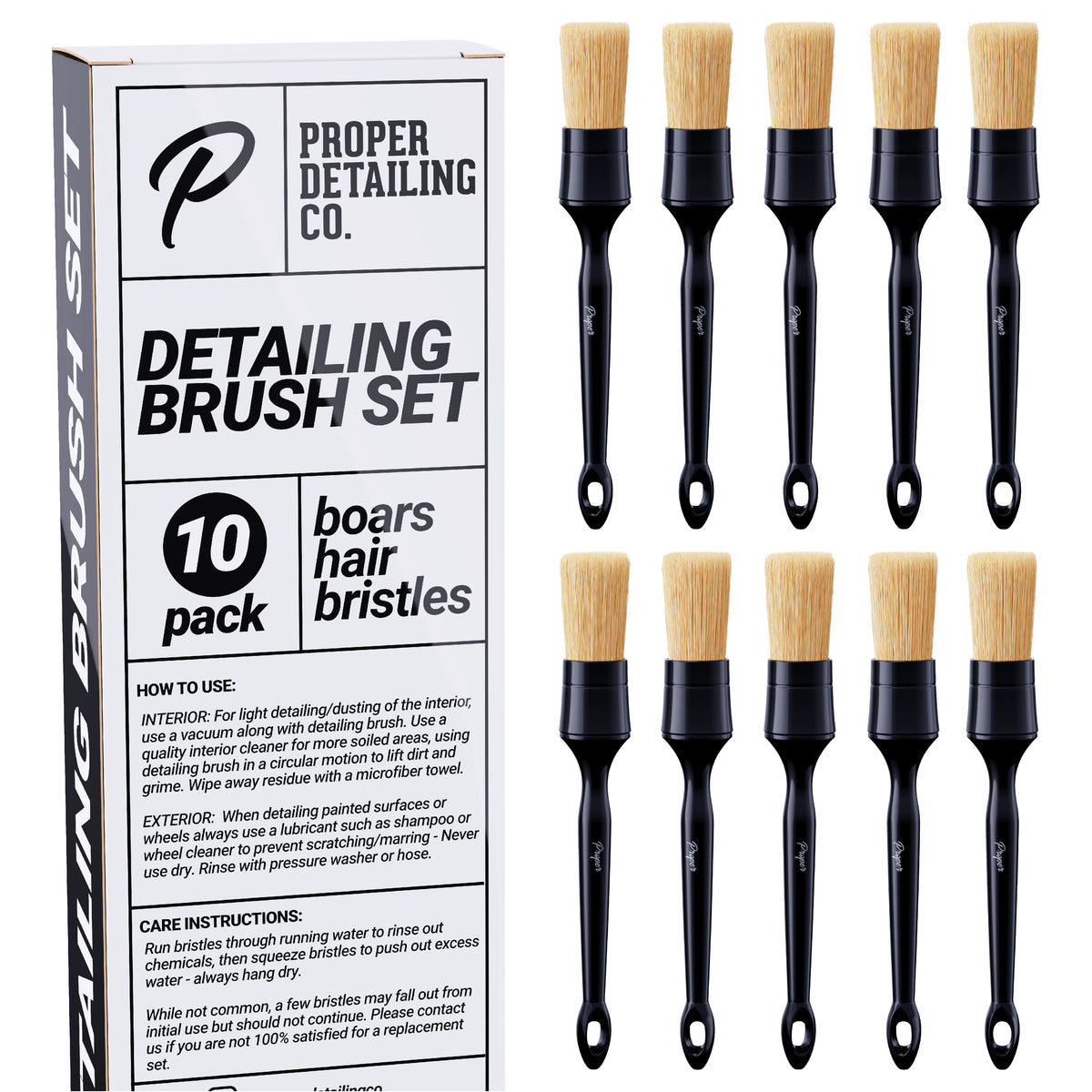
Selecting the right detailing brush plays a key role in protecting your car’s paint. Choosing poorly can lead to scratches and damage. The right brush helps clean without harming the surface. Focus on bristle softness, brush type, and shedding quality. These factors reduce the risk of paint damage while detailing.
Choose Soft Bristles
Soft bristles are gentle on paint surfaces. They clean dirt and dust without scratching. Avoid hard or stiff bristles that can leave marks. Natural or high-quality synthetic bristles often offer the best softness. Test the brush on a small area before use to ensure it feels smooth.
Match Brush Type To Paint
Different paints need different brushes. Use brushes made for your paint type, such as clear coats or matte finishes. Some brushes work better on smooth surfaces, others on textured ones. Using the wrong brush can cause swirl marks or paint removal. Always check brush specifications before buying.
Avoid Shedding Brushes
Brushes that shed bristles leave debris on your car. Loose bristles can stick to paint and cause scratches during cleaning. Choose brushes with tightly bound bristles and strong glue. Inspect the brush before each use and discard any that shed. This keeps your paint safe and your detailing clean.
Surface Preparation
Proper surface preparation is essential to protect your paint from scratches when using detailing brushes. Dirt and dust particles can act like sandpaper and cause damage during brushing. Preparing the surface carefully reduces this risk and ensures a smooth, safe cleaning process.
Clean Paint Thoroughly
Start by washing the paint with a gentle soap and water solution. Use a microfiber cloth or sponge to remove surface grime. This step removes oils and contaminants that can trap dirt under the brush. Clean paint allows brushes to glide smoothly without dragging debris across the surface.
Remove Debris And Dust
After washing, use compressed air or a soft blower to remove loose dust and debris. Check for stubborn particles stuck in crevices or around trims. Brush these areas gently with a soft-bristled brush. Removing all debris before brushing prevents scratching caused by abrasive dirt.
Use Proper Lighting
Work in bright, natural light or use strong LED lamps to inspect the paint surface. Good lighting helps spot dust, dirt, or imperfections before brushing. It also guides your hand movements and brush placement, reducing the chance of accidental scratches. Clear visibility keeps your detailing safe and effective.
Brush Handling Techniques
Proper brush handling is key to protect your car’s paint from scratches. Using detailing brushes carefully helps keep the paint smooth and flawless. Small mistakes in handling can cause swirl marks or scratches that ruin your work.
Focus on how you hold and move the brush. Gentle, controlled movements reduce risks. Follow these simple brush handling techniques for safe and effective detailing.
Load Brush Properly
Dip the brush lightly into the cleaning solution or polish. Avoid soaking the bristles fully. Excess product can drip and cause uneven application.
Spread the product evenly on the brush before touching the paint. This reduces the chance of dragging dirt or grit across the surface.
Apply Light Pressure
Hold the brush softly against the paint surface. Heavy pressure pushes dirt into the paint and can scratch it.
Let the brush bristles glide gently. Light pressure allows better control and a safer clean.
Use One Direction Strokes
Brush in a single, smooth direction. Avoid scrubbing back and forth or in circles.
One-direction strokes lower the chance of swirl marks. They also help remove dirt more efficiently.
Avoid Overworking Paint
Do not brush the same spot repeatedly. Overworking can wear down the paint or clear coat.
Move the brush steadily and cover all areas without staying too long in one place. This keeps the finish intact and smooth.

Credit: www.drbeasleys.com
Safe Detailing Practices
Using detailing brushes carefully protects your vehicle’s paint. Safe detailing practices reduce the risk of scratches and swirl marks. Follow simple steps to keep the paint smooth and shiny. These tips help maintain the beauty of your car over time.
Test On Small Areas First
Try the brush on a small, hidden spot before cleaning the whole surface. This shows if the brush is too hard or causes scratches. Testing avoids damage and gives confidence to continue safely. Always check paint condition before starting detailed work.
Use Multiple Brushes For Different Parts
Use separate brushes for wheels, trim, and body paint. Different dirt types require different brushes to prevent cross-contamination. Soft brushes for paint, stiffer ones for wheels keep surfaces safe. This method limits the chance of scratching delicate paint areas.
Keep Brushes Clean During Use
Rinse brushes often during detailing to remove trapped dirt and grit. Dirty brushes drag particles across the paint and cause scratches. Use clean water and gently shake out excess before continuing. Clean brushes preserve the paint’s smooth finish.
Post-detailing Care
Post-detailing care plays a vital role in preserving your car’s paint and the brushes used. Proper care after each detailing session helps prevent scratches and extends the life of your tools. Simple steps make a big difference in maintaining a flawless finish.
Rinse Brushes Thoroughly
After detailing, rinse brushes with clean water. Remove all dirt and cleaning agents. This prevents debris from hardening in the bristles. Clean brushes reduce the risk of scratching paint during the next use. Use gentle water flow to avoid damaging brush fibers.
Store Brushes Correctly
Store brushes in a dry, clean place. Keep bristles upright or flat to avoid bending. Avoid placing heavy objects on brushes. Proper storage keeps bristles soft and ready for use. Use a brush holder or container to protect brushes from dust.
Inspect Paint For Damage
Check paint carefully after detailing. Look for small scratches or swirl marks. Use good lighting to see any damage. Early detection helps fix issues before they worsen. Address scratches with polish or touch-up products as needed.
Common Mistakes To Avoid
Using detailing brushes on your car’s paint requires care and attention. Many people make simple mistakes that cause scratches and swirl marks. Avoiding these errors helps keep your paint smooth and shiny. Understanding what to avoid improves your detailing results significantly.
Using Hard Or Old Brushes
Hard or old brushes can damage paint easily. Bristles that are stiff or worn out scratch the surface. Always choose soft, high-quality brushes for delicate paint. Replace brushes regularly to prevent rough bristles from touching your car.
Applying Excessive Force
Pressing too hard with a brush increases the risk of scratches. Gentle, light strokes are enough to clean most areas. Let the brush do the work without pushing down hard. Excessive force pushes dirt into the paint and causes damage.
Ignoring Paint Condition
Ignoring the paint’s condition leads to problems during detailing. Old, faded, or damaged paint needs extra care. Avoid aggressive brushing on weak paint to prevent peeling or deeper scratches. Inspect the paint first and adjust your technique accordingly.
Additional Tips
Taking extra care while using detailing brushes protects your car’s paint. Small steps reduce the risk of scratches and swirl marks. Follow these additional tips for safer and cleaner detailing. They help keep the paint surface smooth and shiny.
Use Lubricants When Needed
Lubricants reduce friction between the brush and paint. Spray a quick detailer or lubricant on the surface before brushing. This helps the brush glide easily without scratching. It also lifts dirt away gently, preventing abrasive contact with the paint.
Choose Quality Detailing Products
Low-quality brushes and cleaners may harm your paint. Select brushes with soft, fine bristles designed for automotive paint. Use pH-balanced cleaners to avoid stripping wax or sealants. Good products improve cleaning power while protecting the finish.
Regular Maintenance Of Paint Surface
Keep your paint healthy with regular washing and waxing. Dirt buildup can cause scratches during brushing. Wax creates a protective barrier that reduces friction. Clean paint surfaces require less force and lower the chance of damage.

Credit: www.amazon.com
Frequently Asked Questions
How To Paint With A Brush Without Leaving Brush Marks?
Use high-quality soft brushes and apply thin, even coats in one direction. Avoid over-brushing and keep paint wet longer with additives or a light water mist. Allow paint to self-level before drying, then lightly sand between coats for a smooth, brush-mark-free finish.
How To Avoid Scratching Paint When Drying A Car?
Use a clean, soft microfiber towel to dry your car. Avoid rubbing harshly and gently blot or pat water away. Dry in straight lines to prevent scratches. Regularly wash towels to remove dirt and grit that can scratch paint.
How Much Should I Tip For A $200 Car Detail?
Tip 15-20% on a $200 car detail, so $30-$40 is appropriate. Adjust based on service quality and satisfaction.
What Can I Put On Paint To Stop It From Scratching?
Apply a clear protective topcoat like polyurethane or ceramic coating to prevent paint scratches. Use wax or paint sealant for added protection.
Conclusion
Avoiding scratches while using detailing brushes protects your car’s paint. Use soft, clean brushes and gentle pressure. Always rinse brushes often to remove dirt. Work slowly and carefully around delicate areas. Regular maintenance keeps your paint looking smooth and shiny.
Following these simple steps ensures safe, effective detailing every time. Keep your car’s finish flawless and enjoy a polished look without damage.














