
Have you ever noticed tiny, swirling scratches on your car’s paint that seem to appear out of nowhere? These swirl marks don’t just spoil your vehicle’s shine—they reveal a hidden battle happening on your paint’s surface.
Understanding the science behind swirl marks and how everyday contaminants cause these microscopic scratches can change the way you care for your car. You’ll discover what really scratches your paint, why these marks form, and how simple habits might be putting your vehicle’s finish at risk.
Keep reading to protect your car’s beauty and keep that showroom shine alive.
Credit: floridacarwrap.com
Swirl Marks Defined
Swirl marks are tiny scratches found on a vehicle’s paint surface. They appear as fine, circular lines that catch the light. These marks often form after washing or drying the car incorrectly.
They are not deep scratches but are very noticeable under sunlight or bright lights. Swirl marks reduce the shine and smoothness of the paint, making the vehicle look dull.
Microscopic Scratches Explained
Swirl marks consist of thousands of tiny scratches called microscopic scratches. Each scratch is less than a millimeter deep. These scratches happen when dirt or dust rubs against the paint.
Using dirty towels or improper cleaning tools can cause these scratches. Contaminants like sand or grit act like sandpaper, leaving behind these tiny grooves. Over time, these scratches spread and create visible swirl patterns.
Visual Effects On Paint
Swirl marks scatter light in many directions. This effect makes the paint look cloudy or hazy. Instead of a smooth reflection, you see a spider web or hologram pattern.
The paint loses its glossy finish and appears faded. Swirl marks are most visible under direct sunlight or bright lighting. They give a worn and less cared-for appearance to the vehicle.
Common Causes
Swirl marks appear when tiny contaminants scratch your car’s paint. These scratches form patterns that catch light and become very visible. Understanding common causes helps prevent swirl marks and keep paint smooth. Dirt, dust, and poor care often lead to these fine scratches.
Poor Washing Techniques
Using dirty towels or sponges drags grit across the paint. This action creates tiny scratches that add up to swirl marks. Washing your car in direct sunlight causes soap to dry too fast, trapping dirt. Rubbing too hard or using circular motions also increases swirl formation. Always use clean, soft cloths and gentle strokes to protect paint.
Contaminated Detailing Products
Detailing products with dirt or debris can damage paint during application. Even small particles in wax or polish cause scratches if rubbed on paint. Old or improperly stored products tend to gather contaminants. Using fresh, clean products ensures the paint surface stays smooth and free from swirl marks.
Automated Car Wash Risks
Automatic car washes often use harsh brushes that hold dirt from previous cars. These brushes scrape contaminants into the paint, causing fine scratches. The pressure and chemicals can also strip protective wax layers. Choosing touchless or hand washes reduces the chance of swirl marks and keeps your paint safer.
Types Of Paint Contaminants
Paint contaminants play a major role in creating swirl marks on your vehicle’s surface. These tiny particles and substances lodge on the paint and cause scratches during washing or drying. Understanding the types of contaminants helps protect your car’s finish and keep it looking smooth and shiny. Different contaminants affect paint in various ways, making it important to identify and handle each properly.
Dirt And Dust Particles
Dirt and dust are the most common paint contaminants. They come from the road, air, and surroundings. These particles are often hard and abrasive. When wiped or rubbed, they grind against the paint surface. This action causes fine scratches and swirl marks. Regular washing without proper rinsing can trap these particles, increasing damage risk.
Mineral Deposits And Water Spots
Mineral deposits form when water evaporates and leaves behind minerals. These spots are often white or cloudy marks on the paint. Over time, minerals can etch into the clear coat. This etching creates rough spots that catch dirt and cause further scratches. Water spots harden with heat, making them harder to remove and more damaging.
Environmental Factors
Environmental contaminants include pollen, tree sap, bird droppings, and industrial fallout. Pollen and tree sap are sticky and trap dirt easily. Bird droppings contain acids that can burn the paint surface. Industrial fallout is tiny metal particles from factories or brake dust. These particles embed in the paint and cause micro-scratches during cleaning.
How Contaminants Create Swirl Marks
Swirl marks form when tiny contaminants scratch the car’s paint surface. These particles create small grooves that scatter light. This scattering causes the visible swirl patterns, especially under bright light. Understanding how contaminants create swirl marks helps protect your vehicle’s finish.
Physical Abrasion Process
Contaminants like dust, dirt, and sand act as tiny abrasives. When wiped or rubbed, they press into the paint. Movement causes these particles to scratch the surface. Even light contact can leave micro-scratches. Repeated rubbing deepens these marks.
Interaction With Clear Coat
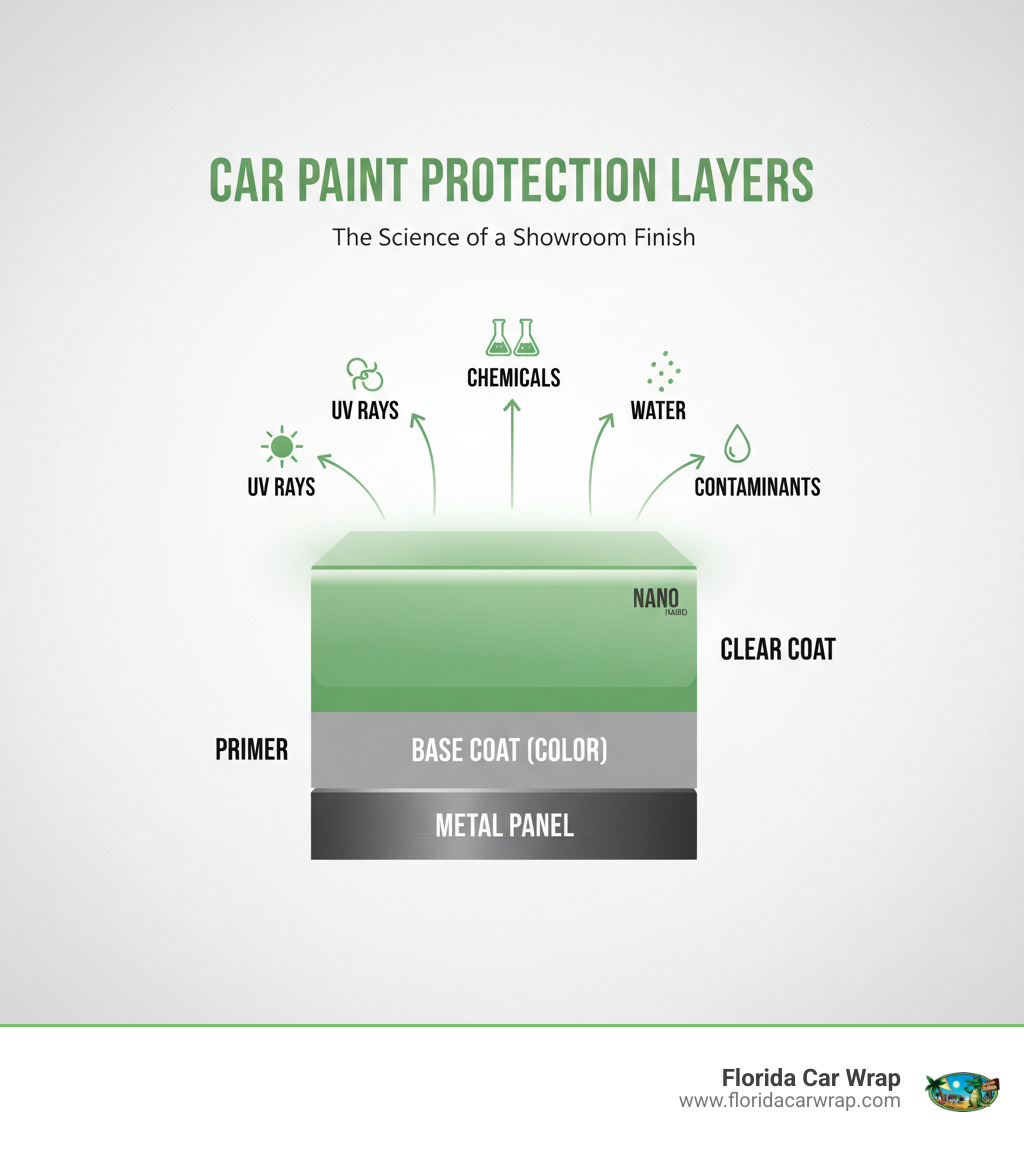
The clear coat is a thin, protective layer over the paint. Contaminants scratch this layer first. Once damaged, the paint below becomes vulnerable. Scratches in the clear coat change how light reflects. This effect makes swirl marks visible to the eye.
Accumulation Over Time
Contaminants do not cause damage all at once. Each contact adds small scratches. Over time, these marks build up and become more obvious. Regular washing and poor cleaning tools speed this process. Protecting the paint means reducing contaminant buildup.
Differences Between Swirl Marks And Scratches
Swirl marks and scratches both affect your car’s paint but in different ways. Understanding their differences helps you protect and fix your vehicle’s finish effectively. These marks result from contaminants rubbing against the paint, yet they vary in depth, appearance, and repair needs.
Depth And Severity
Swirl marks are very shallow and only affect the clear coat layer. They appear as tiny, fine lines that do not penetrate the paint deeply. Scratches, on the other hand, can be much deeper. They may cut through the clear coat and reach the color layer or even the primer. This makes scratches more severe and harder to fix.
Visual Appearance
Swirl marks look like fine circular patterns or spider webs, especially in bright light. These marks scatter light, causing a dull, hazy effect on the paint. Scratches appear as straight, irregular lines or grooves. They are more obvious and can catch dirt, making them stand out more than swirl marks.
Repair Requirements
Swirl marks often respond well to polishing and gentle paint correction methods. These processes smooth the clear coat and restore shine. Scratches usually require more intensive repair, such as filling, repainting, or even replacing panels if very deep. Early repair of both prevents further damage and preserves paint quality.
Credit: gtechniq.com
Damage Progression Without Care
Without proper care, swirl marks worsen over time. Dirt, dust, and other contaminants constantly rub against the paint. Each contact causes tiny scratches. These scratches multiply, creating visible swirl marks that spoil the car’s shine. Neglect speeds up this damage, making the paint look dull and worn out.
Swirl marks do not remain small or few. They grow in number and depth, harming the paint’s surface. Understanding this progression helps in preventing long-term damage to your vehicle’s finish.
Increasing Mark Density
Every time contaminants rub the paint, they leave tiny scratches. More scratches mean higher density of swirl marks. This density scatters light unevenly, making the paint look cloudy. As marks multiply, the surface loses its smoothness. Dirt sticks easier to rough spots, causing even more damage.
Paint Surface Degradation
Swirl marks break down the clear coat that protects the paint. The clear coat acts as a shield against sun, rain, and dirt. Scratches weaken this shield, exposing the paint to harmful elements. Over time, the paint fades and loses its gloss. The surface feels rough and looks damaged under light.
Long-term Effects
Ignoring swirl marks leads to deep scratches and paint peeling. The damage becomes costly to repair. Paint correction or repainting may be necessary. The car’s value drops as the finish deteriorates. Protecting the paint early keeps the vehicle looking new longer.
Methods To Prevent Swirl Marks
Preventing swirl marks protects your vehicle’s paint and keeps it shiny. Small scratches form when dirt and contaminants rub against the paint surface. Taking the right steps during washing and drying helps avoid these marks. Using proper tools and products also plays a key role. Follow these simple methods to keep your paint safe and clear.
Proper Washing Techniques
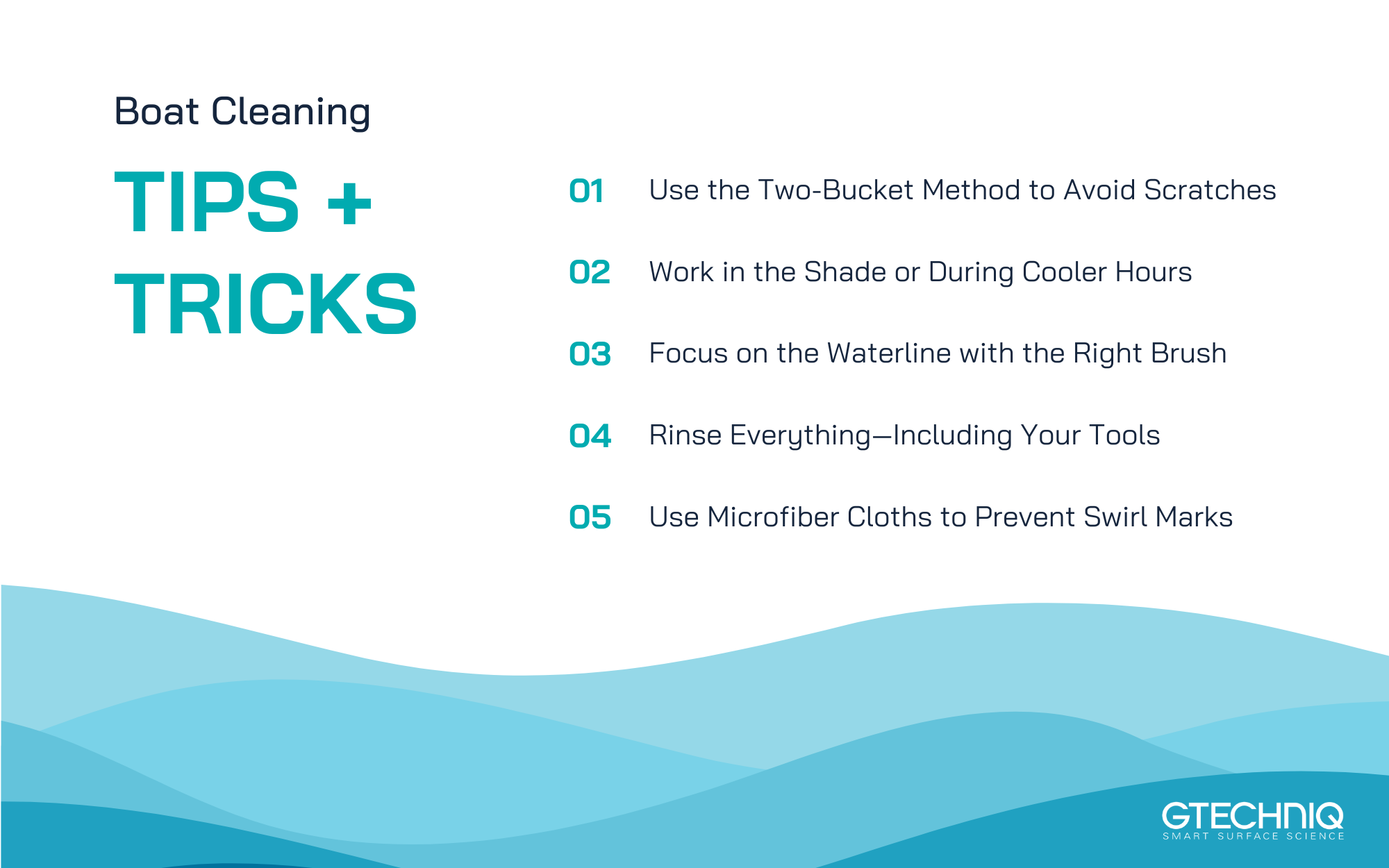
Start by rinsing your car thoroughly to remove loose dirt. Use a two-bucket method—one for soapy water, one for rinsing your sponge or mitt. This prevents dirt from scratching the paint. Wash your vehicle in straight lines, not circles. Avoid washing under direct sunlight to stop soap from drying too fast. Use a soft microfiber mitt to gently clean the surface.
Choosing Quality Detailing Products
Select soaps and cleaners made specifically for cars. These products are gentle on paint and remove contaminants well. Avoid household detergents that strip wax and damage paint. Use high-quality microfiber towels for drying and polishing. Cheap cloths can hold dirt and cause scratches. Always check that your products are safe for your vehicle’s clear coat.
Safe Drying Practices
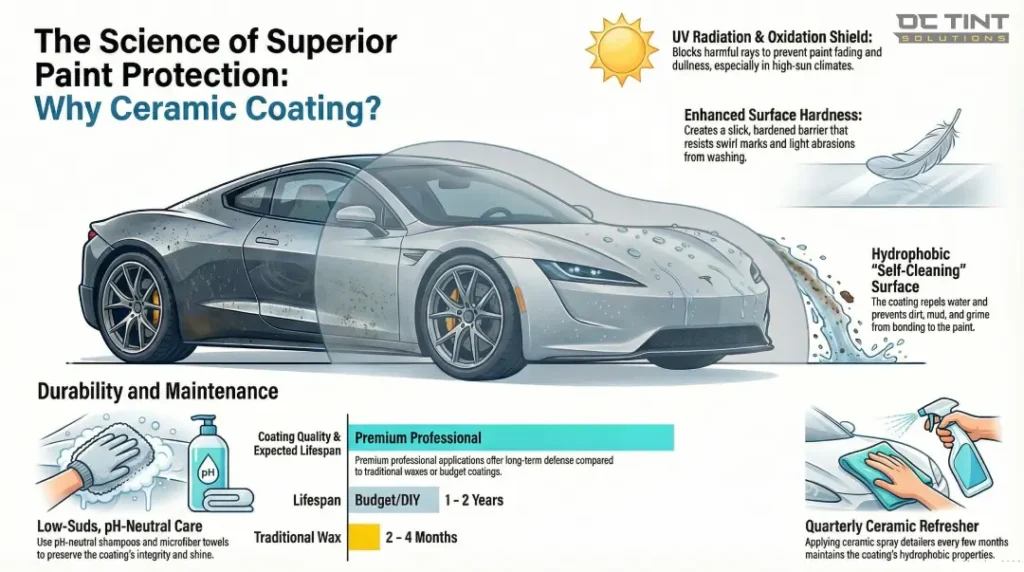
After washing, dry your car with a clean, soft microfiber towel. Pat the surface instead of rubbing hard. Use a drying aid or spray wax to reduce friction and protect paint. Avoid letting water air dry, which can leave mineral spots. If possible, use a blower or leaf blower to remove water from tight spots. This keeps your paint smooth and swirl-free.
Credit: octintsolutions.com
Professional Paint Correction
Professional paint correction is a detailed process to remove swirl marks and restore a vehicle’s paint to a smooth finish. It uses expert tools and materials to safely eliminate scratches caused by contaminants. This process can revive the paint’s shine and protect it from further damage.
Techniques Used
Paint correction professionals use machine polishers with various pads and compounds. They carefully work on the paint surface to level out scratches and swirls. The process often involves multiple steps, starting with heavier compounds and finishing with fine polishes. This layered approach improves clarity and gloss without harming the paint.
Effectiveness In Removing Swirls
Professional paint correction removes most swirl marks completely. It smooths the clear coat and restores the paint’s depth. The results are visible under bright light and sunlight. Proper correction also prepares the surface for waxing or sealing, enhancing long-term protection and shine.
When To Seek Professional Help
Swirl marks that cover large areas or are deep require professional treatment. DIY methods may worsen scratches or leave uneven results. Professionals have the experience and tools to handle tough paint defects safely. Seeking help early can prevent costly paint damage and maintain your vehicle’s value.
Frequently Asked Questions
What Causes Swirl Marks On Paint?
Swirl marks on paint result from improper washing, using abrasive cloths, poor-quality products, and automated car washes scratching the clear coat.
Are Swirl Marks Scratches?
Swirl marks are fine, microscopic scratches in the clear coat. They appear as circular patterns and scatter light, causing visible imperfections.
Are Swirl Marks Permanent Damage?
Swirl marks are light scratches on the clear coat. Professionals can remove them through paint correction. Without treatment, they may worsen but aren’t permanent damage.
What Causes Paint Contamination?
Paint contamination occurs from dirt, dust, oils, and chemicals landing on wet paint. Poor washing, environmental debris, and equipment faults also cause it.
Conclusion
Swirl marks form from tiny contaminants rubbing against paint. These microscopic scratches scatter light and dull the finish. Regular washing with proper tools helps reduce swirl formation. Avoid harsh materials that trap dirt and cause scratches. Understanding the science behind swirl marks guides better car care.
Protect your paint by staying gentle and consistent. Clean paint means a brighter, smoother surface to enjoy.














