When it comes to keeping your car spotless, every detail counts—especially the tools you use. If you’ve ever wondered whether you need one or two grit guards per bucket, you’re not alone.
This small piece of equipment can make a big difference in how clean and scratch-free your car stays during washing. But is one grit guard enough, or will two give you that extra edge to protect your paint? You’ll discover the best way to set up your buckets and grit guards to make your car wash both efficient and safe.
Keep reading to find out how to get the most out of your wash routine and keep your car looking its best.
Credit: www.carpro-us.com
Two Bucket Method Basics
The Two Bucket Method is a popular car washing technique. It helps reduce scratches and swirl marks on your vehicle’s paint. This method uses two separate buckets to keep dirt away from your wash mitt. Keeping dirt out of your soap water improves cleaning and protects your car’s finish.
Understanding the basics of this method will help you decide about using one or two grit guards per bucket. Let’s explore the key parts of this technique.
Purpose Of Separate Buckets
One bucket holds clean water mixed with car shampoo. This is your washing bucket. The other bucket is for rinsing your wash mitt. It contains only clean water. This keeps dirt from returning to the washing bucket. Using two buckets lowers the chance of scratching your car’s surface.
Each time you rinse your mitt, dirt and grit leave the cloth and stay in the rinse bucket. This method keeps grime from mixing with the soapy water. Your wash water stays cleaner longer, making your car wash safer and more effective.
Role Of Grit Guards
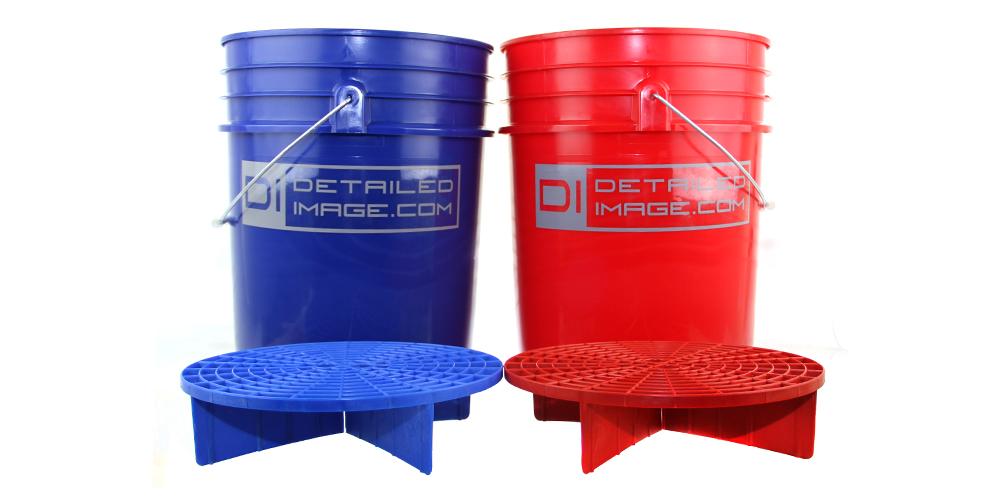
Grit guards are plastic inserts that fit at the bottom of your buckets. They trap dirt and grit under the guard’s grid. When you scrub your mitt against the grit guard, dirt falls to the bottom. This stops dirt from floating back up into your mitt.
Using grit guards in both buckets keeps grit locked away in the rinse bucket. It also helps keep the wash bucket clean. This reduces the risk of scratches caused by rubbing dirt on your car’s paint. Grit guards improve the safety and effectiveness of the Two Bucket Method.
Single Vs Double Grit Guards
Choosing between one or two grit guards in your car wash bucket can impact cleaning quality. Grit guards trap dirt and grit at the bottom of the bucket. This prevents scratches and swirl marks during washing. Understanding the difference between single and double grit guards helps you make the best choice for your detailing routine.
Advantages Of One Grit Guard
Using one grit guard keeps dirt settled at the bucket’s bottom. It helps separate grit from your wash mitt easily. One guard is simple to use and clean. It fits well in most standard buckets. This option reduces the chance of grit recontaminating your mitt. It also saves space and money.
Benefits Of Using Two Grit Guards
Two grit guards provide an extra layer of protection. They are usually placed in both wash and rinse buckets. This setup ensures grit stays trapped in each bucket. It lowers the risk of dirt transferring from rinse water to the wash mitt. Two guards improve overall wash quality. They help maintain cleaner water throughout the process.
Expert Recommendations
Experts often suggest using two grit guards for best results. This matches the two-bucket wash method perfectly. It keeps wash water clean and reduces swirl marks. Professionals recommend placing one guard in each bucket. This method extends the life of your wash mitt. It also improves your car’s finish after washing.
Placement Of Grit Guards
Proper placement of grit guards in your car wash buckets is vital for effective cleaning. Grit guards help trap dirt and debris at the bucket’s bottom. This prevents grime from returning to your wash mitt and scratching your car’s paint. Knowing where to place grit guards can improve your wash process and protect your vehicle’s finish.
In Wash Bucket
Place a grit guard at the bottom of the wash bucket. This bucket holds the soapy water and your wash mitt. The grit guard stops dirt particles from mixing back into the soap solution. It keeps the water cleaner longer. This reduces the chance of scratches during washing.
In Rinse Bucket
The rinse bucket should also have a grit guard. This bucket is for rinsing your wash mitt after each pass on the car. The grit guard traps dirt and grit released from the mitt. It prevents these particles from floating back up. Cleaner rinse water means less contamination when you dip into the wash bucket.
Additional Buckets For Wheels
Wheels often hold the most brake dust and grime. Use a separate bucket with a grit guard for cleaning wheels. This avoids cross-contamination with your wash and rinse buckets. The grit guard collects heavy dirt, protecting your wash mitt and paint finish. Keeping wheel cleaning separate helps maintain a safer wash process.
Impact On Car Wash Quality
Using one or two grit guards in your car wash bucket affects the wash quality. Grit guards trap dirt and grit, stopping them from mixing with your wash mitt. This helps protect your car’s paint from damage during washing.
Choosing the right number of grit guards improves how clean and safe the water stays. It also helps keep your car’s surface smooth and free from scratches.
Reducing Scratches And Swirls
Grit guards keep dirt particles at the bucket’s bottom. This stops dirt from being picked up by your wash mitt again. Less dirt on the mitt means fewer scratches and swirl marks on your car’s paint. Using two grit guards offers extra protection. It creates a stronger barrier against dirt reaching your mitt.
Keeping Dirt At The Bottom
The grit guard’s design traps dirt under the guard’s grid. This prevents dirt from floating back into the water. Two grit guards can hold more dirt safely at the bottom. This keeps the water cleaner longer. Clean water reduces the chance of dirt recontaminating your wash mitt or sponge.
Maintaining Clean Water
Clean water is key to a quality car wash. One grit guard helps settle dirt at the bottom of the bucket. Two grit guards improve this effect by separating wash and rinse water more effectively. Cleaner water means fewer particles on your mitt. This keeps your car’s surface safer during washing.
Cost And Practicality
Choosing between one or two grit guards per bucket depends on cost and practicality. Understanding the balance helps you get the most from your car wash setup. This section explores the financial and functional aspects of using grit guards.
Investment Vs Benefits
Buying one grit guard costs less upfront. Two grit guards increase your total expense. The extra cost can improve cleaning quality. A grit guard keeps dirt at the bucket’s bottom. Using two guards means both buckets stay cleaner. This reduces the chance of scratching your car. The added expense often pays off in better paint protection.
Bucket And Grit Guard Combinations
One bucket with a grit guard works for small jobs. Two buckets, each with a grit guard, suit larger washes. One bucket holds soapy water, the other clean rinse water. Each grit guard traps dirt in its bucket. This setup keeps wash mitts cleaner for longer. The choice depends on how thorough your wash needs to be.
Space And Storage Considerations
Two grit guards and buckets take more space. This can be tricky if storage is limited. One bucket and guard save room and are easier to handle. Consider where you keep your supplies. If space is tight, one grit guard may be practical. For larger garages, two grit guards fit well and improve workflow.
Common Mistakes To Avoid
Avoiding common mistakes helps protect your car’s paint and improves cleaning. Using grit guards correctly keeps dirt at the bucket bottom. Many people miss key steps that reduce washing effectiveness and risk scratches. Focus on these frequent errors to get the best results.
Skipping Grit Guards
Some skip grit guards to save time or money. This lets dirt swirl in the water and stick to the mitt. Dirt can cause scratches on the paint surface. Always use grit guards to trap debris at the bottom. It keeps your wash water cleaner and safer for the car.
Using Only One Bucket
One bucket washes and rinses in the same water. This mixes dirt back onto the mitt and car. Two buckets separate clean soap water and rinse water. The rinse bucket with a grit guard removes grit from the mitt. This method reduces the chance of scratching the paint.
Not Agitating The Mitt Properly
Simply dipping the mitt in the rinse bucket is not enough. You must rub the mitt against the grit guard to release dirt. Agitating the mitt properly prevents dirt from returning to the paint. Without this step, grit stays trapped in the fibers and can scratch your car.
Tips For Optimal Use
Using grit guards correctly enhances your car washing experience. They trap dirt particles at the bucket’s bottom. This keeps your wash mitt clean and your paint safe from scratches. Follow these tips for the best results with one or two grit guards.
Regular Cleaning Of Grit Guards
Clean your grit guards after every wash. Dirt builds up quickly and reduces their effectiveness. Rinse them under running water to remove trapped debris. Use a soft brush if needed to clear stubborn dirt. Keeping grit guards clean ensures they work properly each time.
Proper Mitt Rinsing Techniques
Rinse your wash mitt thoroughly before dipping it back into the clean water. Rub the mitt gently against the grit guard to release dirt particles. Avoid shaking the mitt above the bucket to stop dirt from spreading. Proper rinsing protects your car’s paint from scratches.
Choosing Quality Grit Guards
Select grit guards made from durable plastic. Look for designs with fine, closely spaced ridges. These trap dirt better and last longer. Cheap guards may break or let dirt float in the water. Investing in quality grit guards improves wash safety and efficiency.
Credit: www.detailedimage.com

Credit: www.feynlab.com
Frequently Asked Questions
What Is The 2 Bucket Method With Grit Guards?
The 2 bucket method uses one bucket for soapy water and another for rinsing. Grit guards in both buckets trap dirt, preventing scratches during washing. This technique keeps your wash mitt clean and protects your car’s paint by removing grit effectively.
Does Grit Guard Go In A Wash Or Rinse Bucket?
Place a grit guard in both wash and rinse buckets. It traps dirt, preventing scratches during car washing.
Do You Need Grit Guard For Wheel Bucket?
Using a grit guard in your wheel bucket helps trap dirt and grit at the bottom. It prevents scratches during washing.
What Is The 2 Bucket Method?
The 2 bucket method uses one bucket for soapy water and another for rinsing the wash mitt. This prevents dirt transfer and reduces scratches during car washing.
Conclusion
Using one grit guard per bucket works well for most car washes. It keeps dirt at the bottom, preventing scratches on your paint. Two grit guards can help if you want extra protection and have more time. But one is usually enough for a clean, safe wash.
Remember to rinse your mitt often to avoid trapping dirt. Clean water and grit guards make washing easier and safer. Choose what fits your routine and budget best. Your car will thank you with a smoother, shinier finish.