Have you ever wondered what makes pressure washers so powerful at blasting away dirt and grime? It’s not just about spraying water harder—it’s about science working behind the scenes.
Understanding the science of pressure washers can help you use your machine smarter, protect your surfaces, and get better cleaning results every time. Whether you’re tackling your driveway, deck, or car, knowing how pressure, water flow, and nozzles come together will change the way you think about cleaning.
Ready to discover the secrets that turn simple water into a high-powered cleaning tool? Let’s dive into the fascinating science behind pressure washers and how it can work for you.
How Pressure Washers Work
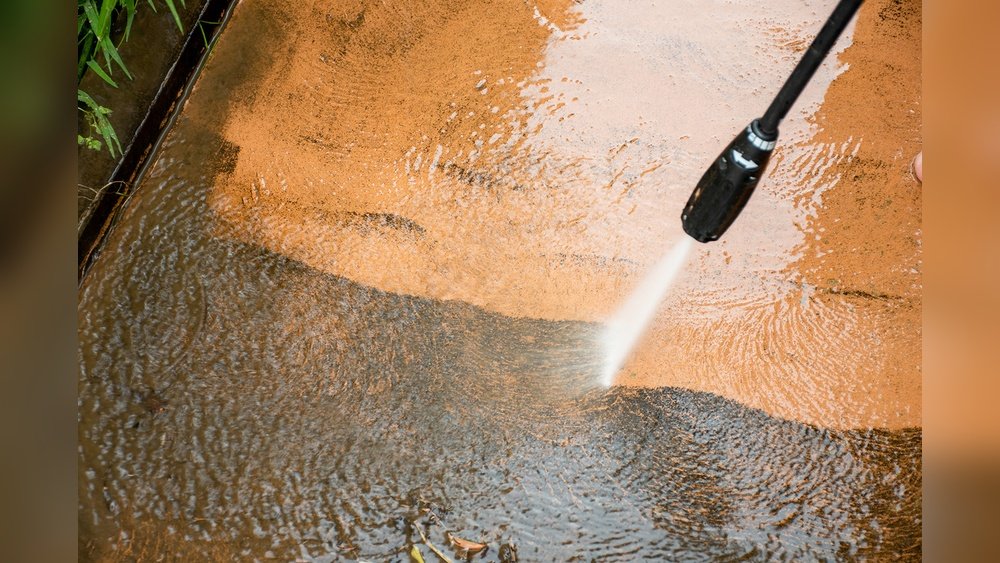
Pressure washers use a simple but powerful principle to clean surfaces. They push water at very high pressure through a small opening. This water hits dirt and grime hard enough to remove them from surfaces. Understanding how pressure washers work helps to choose the right tool for each cleaning task.
Water Pressure And Velocity
Water pressure is the force that pushes water out of the pressure washer. It is measured in pounds per square inch (PSI). Higher PSI means more force. Velocity is the speed of water leaving the nozzle. As pressure increases, water moves faster. Faster water can break dirt bonds better. Both pressure and velocity work together to clean effectively.
Role Of Nozzles
Nozzles control how water sprays from the pressure washer. Different nozzles create different spray patterns. A narrow spray has higher pressure and cleans tough spots. A wide spray covers larger areas but with less force. Some nozzles mix air or chemicals for special cleaning jobs. Choosing the right nozzle changes the power and reach of the water.
Kinetic Energy In Cleaning
Kinetic energy is the energy of moving water. It comes from water’s speed and mass. High kinetic energy helps break the bond between dirt and surfaces. The force loosens grime so water can wash it away. The water’s fast movement also rinses dirt into drains. This energy is the key to pressure washers’ cleaning power.
Key Components
Pressure washers rely on several main parts to work well. Each part plays a crucial role in cleaning surfaces effectively. Understanding these key components helps you see how pressure washers deliver powerful cleaning action.
High-pressure Pump
The high-pressure pump is the heart of a pressure washer. It takes water from the source and pushes it out at very high pressure. This pump raises the water pressure many times higher than normal. The stronger the pump, the more powerful the spray. Pumps come in different types, like axial or triplex, affecting durability and performance.
Water Source And Hose
The water source feeds the pressure washer with a steady flow of water. Usually, it is a garden hose connected to a tap. The hose carries water from the source to the pump. It must be strong and leak-free to handle the pressure. A good hose ensures a smooth and constant water supply for cleaning tasks.
Nozzle Types And Functions
Nozzles control the shape and intensity of the water spray. Different nozzles create different spray angles and pressures. A narrow nozzle creates a strong, focused jet for tough stains. A wider nozzle covers larger areas with less force. Some nozzles mix water with detergent for better cleaning. Choosing the right nozzle makes cleaning more efficient.
Pressure And Flow Rates
Pressure and flow rates are key to how pressure washers clean surfaces. They work together to remove dirt, grime, and stains effectively. Understanding these two factors helps you choose the right pressure washer for your needs. Both pressure and flow rate affect cleaning power and efficiency.
Understanding Psi
PSI stands for pounds per square inch. It measures the water pressure a washer produces. Higher PSI means stronger water force. This force breaks dirt and grime from surfaces. Low PSI works well for delicate surfaces. High PSI is better for tough stains and hard surfaces.
Gallons Per Minute (gpm)
GPM means gallons per minute. It shows how much water flows through the washer. More GPM means more water to wash away dirt. High GPM cleans larger areas faster. Low GPM uses less water and is good for small jobs.
Balancing Psi And Gpm
PSI and GPM must work together for best cleaning. High PSI with low GPM may not rinse dirt completely. High GPM with low PSI may not remove tough stains. The right balance depends on the surface and cleaning task. Both factors combined give the washer its true power.
Psi Levels For Tasks
Pressure washers come with different PSI levels to suit various cleaning tasks. PSI, or pounds per square inch, measures the water pressure output. Choosing the right PSI helps protect surfaces and improves cleaning results. Understanding these levels makes cleaning safer and more effective.
Low Psi For Delicate Surfaces
Low PSI ranges from 1000 to 1500. This level is gentle on fragile surfaces. It works well for washing cars, patio furniture, and painted wood. Low pressure removes dirt without damaging paint or wood grain. Use low PSI to clean screens and flower pots safely.
Medium Psi For Home Use
Medium PSI falls between 1500 and 2800. It suits most home cleaning tasks. This pressure cleans siding, fences, and decks effectively. It also works on concrete walkways and driveways. Medium PSI balances power and safety for everyday outdoor cleaning.
High Psi For Heavy-duty Cleaning
High PSI starts around 2800 and goes above 4000. This level handles tough jobs fast. It removes stubborn stains from concrete and brick. High pressure is ideal for large driveways and industrial cleaning. Use high PSI carefully to avoid surface damage.
Surface Considerations
Understanding the surface type is vital before using a pressure washer. Different materials react uniquely to high-pressure water. Applying the wrong pressure or nozzle can damage surfaces. Knowing the science behind each surface helps achieve the best cleaning results safely.
Cleaning Painted Surfaces
Painted surfaces need gentle care. High pressure can peel or chip the paint. Use a low PSI setting and a wide spray nozzle. Keep the nozzle at least 12 inches away from the surface. Test a small area first to check for damage.
Wood And Deck Washing
Wood is softer and can splinter under strong pressure. Use a fan spray nozzle and moderate pressure. Always spray along the grain to avoid damage. Avoid soaking the wood excessively to prevent warping. Proper cleaning preserves the wood’s natural look.
Concrete And Driveways
Concrete withstands higher pressure than wood or paint. Use a narrow spray nozzle and higher PSI for tough stains. Keep the nozzle moving to avoid etching the surface. Concrete cleaning removes dirt, oil, and mildew effectively.

Credit: aquaterramobilewash.com
The Role Of Surfactants
Surfactants play a crucial role in pressure washing by improving how water cleans surfaces. These special chemicals lower water’s surface tension. This change helps water spread and soak into dirt more easily. Surfactants make cleaning more effective by loosening grime and oils. They work alongside the pressure of water to remove stubborn stains and debris.
How Detergents Enhance Cleaning
Detergents contain surfactants that mix well with water. They break down oily and greasy dirt on surfaces. This action helps the high-pressure water rinse away grime faster. Detergents also help prevent dirt from sticking back onto the cleaned surface. Using detergents with pressure washers makes cleaning quicker and more thorough.
Chemical Interaction With Dirt
Surfactants have molecules with two ends. One end attracts water, the other attracts oils and dirt. This dual nature pulls dirt off surfaces into the water. The dirt then becomes suspended in the liquid, allowing easy rinsing. This chemical interaction helps lift even tough stains from concrete and wood. It improves cleaning results without harsh scrubbing.
Safe Use Of Cleaning Agents
Choosing the right surfactant is important for safety. Some chemicals can harm plants, animals, or surfaces. Always follow product instructions to avoid damage. Use biodegradable and eco-friendly detergents when possible. Proper dilution prevents residue buildup and surface harm. Safe use protects your home and the environment during cleaning.
Historical Milestones
The journey of pressure washers begins with key moments in history. These milestones shaped the tools we use today. Understanding them helps us see how technology evolved over time.
Early Steam Power Influence
Steam power played a big role in early pressure washer ideas. In the 18th century, steam engines showed how water could be moved with force. This concept inspired later designs that used high-pressure water for cleaning.
Steam engines helped start the Industrial Revolution. They showed how pressure and power could work together. This laid the groundwork for machines that could clean tough dirt and grime with water.
Invention Of The Pressure Washer
The first true pressure washer appeared in the early 20th century. Frank W. Alfeld created a device to spray water at high pressure. His invention made cleaning faster and more efficient than manual scrubbing.
Alfred Czer improved the design by adding better pumps and nozzles. These changes increased pressure and control. The pressure washer became popular for industrial and home use.
Modern Innovations
Today’s pressure washers include electric and gas-powered models. They use advanced pumps and motors for more power and efficiency. Adjustable nozzles allow users to change spray patterns and pressure.
New materials make these machines lighter and more durable. Some models include water heaters to clean grease and oil better. Technology continues to improve cleaning power while saving water and energy.

Credit: washnit.com
Technological Advances
Pressure washers have evolved significantly due to technological advances. These improvements make cleaning faster, safer, and more effective. New technology also reduces manual effort and increases precision. Let’s explore how automation, materials, and energy efficiency have shaped modern pressure washers.
Automation And Robotics
Automation now plays a big role in pressure washing. Robots can clean large areas without human help. These machines follow programmed routes for consistent results. Sensors help them avoid obstacles and adjust water pressure. Automation reduces labor costs and improves safety. Robotic pressure washers work in places hard for people to reach. This technology is common in industrial and commercial cleaning.
Material Improvements
Materials used in pressure washers have improved over time. Manufacturers use stronger metals and durable plastics. These materials resist corrosion and wear from high water pressure. Lightweight parts make machines easier to handle. Better seals and hoses prevent leaks and extend lifespan. Advanced coatings protect surfaces from rust. These improvements mean pressure washers last longer and perform better.
Energy Efficiency Enhancements
Energy efficiency has become a key focus in pressure washer design. New motors use less electricity but deliver more power. Variable speed pumps adjust pressure based on the task. This saves energy and reduces water waste. Some models use electric or battery power instead of gas. These options create less noise and pollution. Energy-efficient pressure washers lower operating costs and help the environment.
Safety And Regulations
Safety is the top priority when using pressure washers. These powerful tools can clean quickly but also cause harm if not handled properly. Following rules and guidelines keeps users safe and protects surfaces. Understanding safety and regulations helps avoid accidents and damage.
Osha Guidelines
The Occupational Safety and Health Administration (OSHA) sets rules for pressure washer use. These rules focus on protecting workers and users from injury. OSHA requires proper training before operating pressure washers. Users must wear safety gear like gloves and eye protection. Regular maintenance checks ensure the equipment works safely. Following OSHA rules reduces risks and promotes safe work environments.
Proper Handling Techniques
Handling a pressure washer correctly is key to safety. Always hold the wand firmly with both hands. Never point the nozzle at people, animals, or electrical outlets. Keep a safe distance from the surface being cleaned. Avoid using the pressure washer on ladders or unstable surfaces. Turn off the machine before changing nozzles or making adjustments. These simple steps prevent accidents and injuries.
Preventing Surface Damage
Pressure washers can harm surfaces if used incorrectly. Use the right pressure setting for each material. Soft surfaces need lower pressure to avoid scratches or dents. Test on a small area before full cleaning. Keep the nozzle moving to prevent water from digging in. Use wide spray tips for delicate surfaces. Proper care protects the surface and keeps it looking good.
Choosing The Right Pressure Washer
Choosing the right pressure washer ensures effective and safe cleaning. Different tasks need different power levels and features. Selecting the proper model saves time and protects surfaces. Understanding your needs helps pick the best pressure washer.
Assessing Cleaning Needs
Identify the surfaces you want to clean. Soft wood, cars, and grills need lower pressure. Hard surfaces like concrete require higher pressure. Consider frequency and size of cleaning tasks. Small jobs need compact models. Large or tough jobs need powerful washers.
Evaluating Power And Features
Pressure is measured in PSI (pounds per square inch). Higher PSI means stronger cleaning force. Water flow rate, in GPM (gallons per minute), affects cleaning speed. Look for adjustable nozzles to control spray patterns. Some models include detergent tanks for deep cleaning. Check if the washer has safety features like automatic shut-off.
Budget And Brand Considerations
Set a budget based on your cleaning needs. Basic models are affordable and good for light tasks. Professional-grade washers cost more but last longer. Choose brands with good reviews and reliable customer support. Warranty and spare parts availability matter. Investing in quality saves money over time.

Credit: www.eveagetool.com
Frequently Asked Questions
What Is The Science Behind Pressure Washing?
Pressure washing uses high-pressure water to increase velocity and kinetic energy. This energy breaks dirt’s bond with surfaces for effective cleaning.
What Is The Physics Of Pressure Washer?
A pressure washer uses a pump to increase water pressure, forcing water through a nozzle at high velocity. This kinetic energy removes dirt and grime by breaking their bond with surfaces. Adjusting pressure controls cleaning power for different tasks.
How Many Psi Is A Good Pressure Washer?
A good pressure washer ranges from 1,300 to 2,400 PSI for most home cleaning tasks. Higher PSI suits tough jobs. Balance PSI with GPM for optimal cleaning without surface damage.
How Much Should I Charge To Pressure Wash A 2000 Sq Ft House?
Charge between $250 and $400 to pressure wash a 2000 sq ft house. Prices vary by location and surface condition.
Conclusion
Pressure washers use water pressure to clean surfaces quickly and effectively. High pressure breaks dirt’s hold without harsh scrubbing. Choosing the right pressure avoids damage to delicate materials. Understanding this science helps you use pressure washers safely and well. Clean smarter, not harder.
The power of water pressure makes tough cleaning easier. Keep surfaces fresh and spotless with the right tools. Simple science, great results every time.