
When it comes to keeping your car spotless, you might wonder: should you go for a foam cannon or stick with the classic hand wash? Both methods promise a clean, shiny finish, but they work very differently—and choosing the right one can save you time, effort, and even protect your car’s paint.
If you care about your car’s appearance and want to avoid scratches or swirl marks, understanding the real difference between foam cannon vs hand wash is key. You’ll discover how each method cleans, which one is safer for your paint, and why many car enthusiasts are making the switch.
Ready to find out which option suits your needs best? Keep reading to unlock the secrets to a perfect car wash every time.
Foam Cannon Basics
Foam cannons are popular tools for car washing enthusiasts and professionals. They create thick foam that covers the vehicle, loosening dirt and grime. This foam protects the paint while making cleaning easier. Understanding foam cannon basics helps in choosing the right method for your car wash.
Foam cannons differ from hand washing techniques in many ways. They offer a modern, efficient approach to car care. Here, we explore how foam cannons work, compare foam guns and foam cannons, and explain the benefits of thick foam.
How Foam Cannons Work
Foam cannons mix soap with water and air to create thick foam. This foam shoots out through a nozzle connected to a pressure washer. The pressure helps the foam stick to the car’s surface. It stays long enough to break down dirt and grime. This reduces the need for harsh scrubbing.
Foam Guns Vs Foam Cannons
Foam guns attach to a garden hose and spray foam at low pressure. They are easy to use but create thinner foam. Foam cannons connect to pressure washers and produce richer, thicker foam. The thicker foam clings better and cleans more deeply. Foam cannons are better for heavy dirt and larger vehicles.
Benefits Of Thick Foam
Thick foam covers the car evenly and lifts dirt safely. It reduces the chance of scratching the paint during washing. Foam also lubricates the surface, making it easier to rinse away grime. This protection helps maintain the car’s shine. Foam allows more time for soap to work on tough stains.
Hand Wash Essentials
Hand washing your car remains a popular choice for many. It gives control over every inch of your vehicle. Knowing the essentials of hand washing can improve the results. Proper steps and tools make the process safer for your car’s paint. Avoiding common mistakes also protects the finish and keeps the car looking fresh.
Traditional Hand Wash Steps
Start by rinsing the car with clean water to remove loose dirt. Next, use a soft sponge or mitt with car soap to lather the surface. Work from the top down to avoid spreading dirt. Rinse the car thoroughly with water to remove all soap residue. Finally, dry the car with a clean microfiber towel to prevent water spots.
Tools Needed For Hand Washing
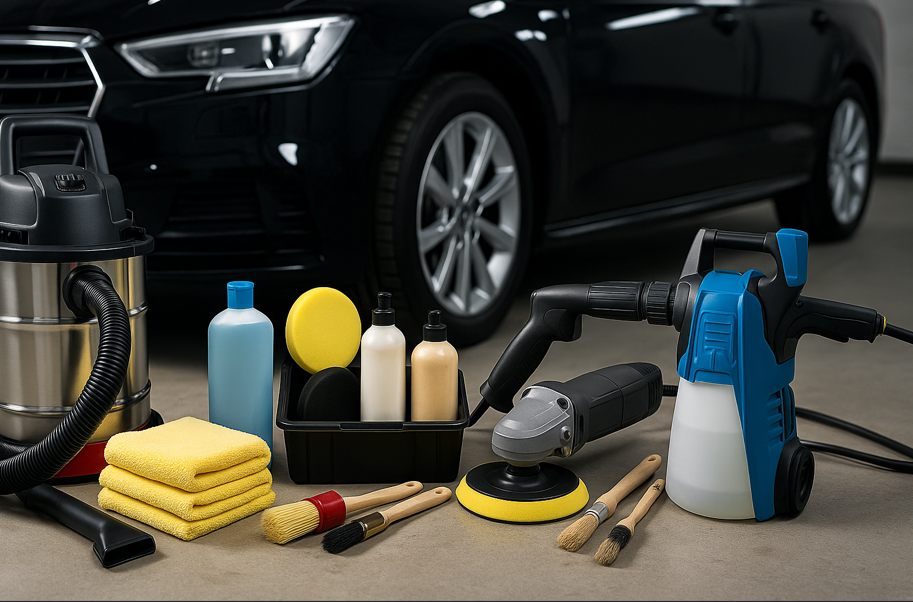
A quality car wash soap is essential. Avoid using household detergents that can damage paint. Use a soft wash mitt or sponge designed for cars. Two buckets help – one for soapy water and one for rinsing the mitt. A microfiber drying towel ensures the car dries without scratches. A hose or pressure washer with gentle flow works well for rinsing.
Common Mistakes To Avoid
Do not wash your car in direct sunlight to prevent water spots. Avoid using dirty or rough sponges that can cause scratches. Skipping the two-bucket method can lead to rubbing dirt back on the paint. Do not rush the rinsing step, as soap left behind can harm the finish. Avoid drying with old towels or air drying, which can leave marks.
Cleaning Power Comparison
Comparing the cleaning power of a foam cannon and hand wash reveals key differences. Both methods remove dirt and grime, but use different techniques. Understanding these differences helps you choose the best method for your car’s care.
Dirt Removal Efficiency
The foam cannon sprays thick foam that clings to the car surface. This foam loosens dirt and grime effectively. It covers large areas quickly and allows dirt to soften before washing.
Hand washing uses a mitt or sponge to scrub the car. This method targets dirt spot by spot. It can remove stubborn dirt but may require more effort and time.
The foam cannon excels at pre-soaking and lifting dirt. Hand washing offers precise cleaning but risks pushing dirt into paint if not careful.
Paint Safety And Scratch Prevention
Foam cannon creates a lubricating foam layer that reduces friction on paint. This lowers the chance of scratches during washing. The thick foam also cushions the paint from harsh scrubbing.
Hand washing depends on how gently you wash. Too much pressure or dirty mitts can cause scratches. Proper rinsing and using clean tools are essential to protect paint.
Foam cannons provide a safer base for cleaning. Hand washing requires more attention to avoid damage.
Lubrication And Friction Control
Foam cannon foam acts as a lubricant. It helps dirt slide off easily, reducing friction between the mitt and paint. This control lowers the risk of swirl marks.
Hand washing relies on soap and water for lubrication. Without enough soap or rinsing, friction increases. Scrubbing hard can grind dirt into paint.
Foam cannons offer better friction control through thick foam. Hand washing needs careful technique to maintain lubrication.
Time And Effort
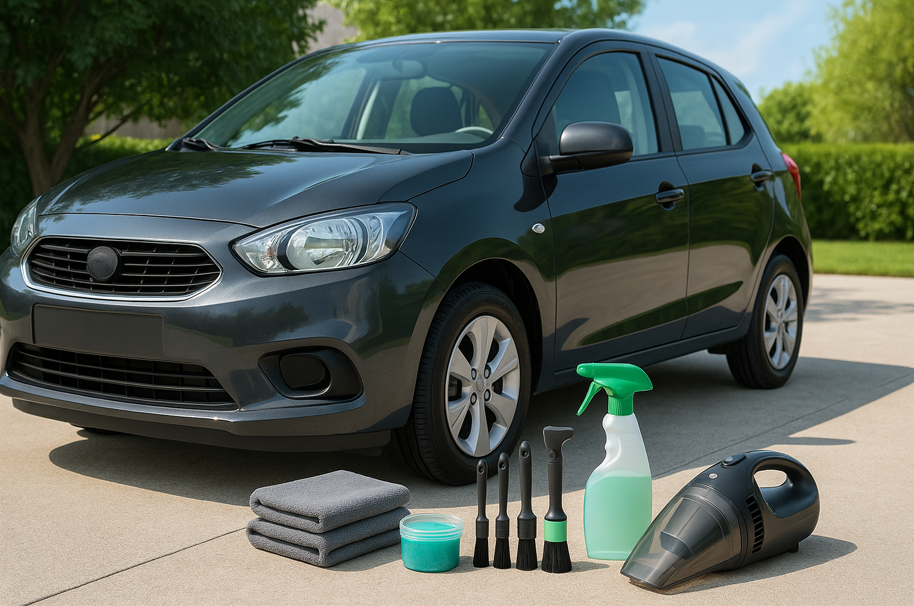
Choosing between a foam cannon and hand washing affects how much time and effort you spend cleaning your car. Both methods have their pros and cons. Understanding these differences helps you pick the right option for your needs. Let’s explore how each method measures up in time and effort.
Speed Of Cleaning
The foam cannon sprays thick foam that loosens dirt quickly. It covers the entire car in seconds. This reduces the time spent scrubbing. Hand washing takes longer because you clean the car section by section. You apply soap, scrub, rinse, and repeat. Foam cannons speed up the initial cleaning phase significantly.
Physical Effort Required
Using a foam cannon requires less physical work. The foam does much of the cleaning by lifting dirt off the surface. You still need to wipe or rinse, but scrubbing is easier. Hand washing demands more energy. You must scrub hard to remove grime, especially on tough spots. This can be tiring, especially for larger vehicles.
Suitability For Beginners
Foam cannons are beginner-friendly. They simplify the cleaning process and reduce mistakes like using too much pressure. Hand washing is more skill-dependent. Beginners might miss spots or cause scratches if they scrub too harshly. Foam cannons provide a safer, gentler way to clean for those new to car care.
Cost And Equipment
Choosing between a foam cannon and hand washing depends greatly on cost and equipment. Both methods require certain tools and supplies. Understanding the expenses and gear involved helps you pick the best option for your budget and needs.
Initial Investment
A foam cannon needs a pressure washer to work properly. This setup can cost over $100. The foam cannon itself is an extra purchase. Hand washing requires fewer tools. A bucket, wash mitt, and car soap are enough. These items usually cost less upfront. The initial cost of hand washing is lower than foam cannon use.
Maintenance And Supplies
Foam cannons need regular cleaning to avoid clogging. Pressure washers also need maintenance. Their parts can wear out or break. Hand washing supplies are easier to manage. Soap and mitts need replacement, but are cheap. Both methods require car soap, but foam cannon soap is often specialized and pricier.
Space And Storage Needs
A foam cannon and pressure washer take more storage space. You need a dry, safe spot for this equipment. Hand washing gear fits easily in small spaces. Buckets and mitts are simple to store. For people with limited storage, hand washing is more practical.
Environmental Impact
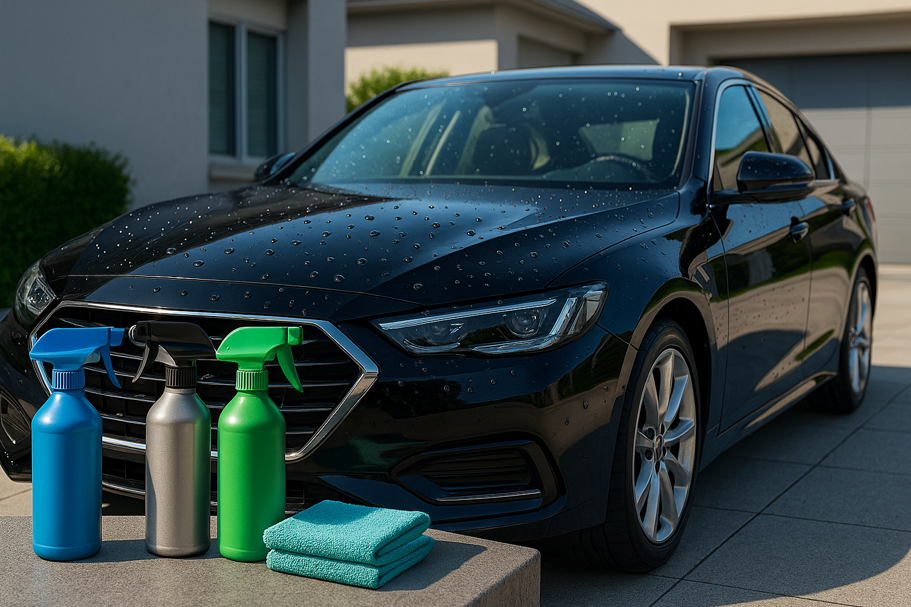
The environmental impact of washing your car affects water resources and ecosystems. Choosing the right method can reduce harm to nature. Both foam cannon and hand washing have pros and cons for the environment. Understanding these differences helps protect the planet while keeping your vehicle clean.
Water Usage Comparison
Foam cannons typically use less water than hand washing. They spray soap with a pressure washer, reducing water flow. Hand washing often requires continuous rinsing, which wastes more water. Using a foam cannon can save gallons per wash. Lower water use supports conservation efforts and reduces utility bills.
Soap And Chemical Considerations
Foam cannon soaps are designed to be strong but biodegradable. They break down quickly and are less harmful to plants and animals. Hand washing soaps vary widely and may include harsher chemicals. Some soaps contain phosphates that damage water ecosystems. Choosing eco-friendly soap is important for both methods to minimize pollution.
Waste And Runoff Management
Runoff from car washing carries dirt, oil, and soap into storm drains. Foam cannons produce less runoff due to controlled spraying. Hand washing runoff may be larger and harder to manage. Washing on permeable surfaces or near vegetation helps filter pollutants. Proper disposal of dirty water protects local waterways and wildlife habitats.
Which Method Fits You?
Choosing between a foam cannon and hand washing depends on your car care needs. Both methods clean your vehicle, but suit different situations. Understanding your washing habits, vehicle size, and paint type helps decide which fits you best.
Best For Frequent Washers
Frequent washers benefit from foam cannons. They save time by quickly covering the car in thick foam. This foam loosens dirt gently, reducing scratches caused by scrubbing. Less physical effort means you can wash often without damage.
Hand washing takes longer and can wear on your skin and muscles. Foam cannons make regular cleaning easier and more enjoyable.
Ideal For Large Vehicles
Large vehicles need more soap and water for full coverage. Foam cannons spray foam evenly over big surfaces fast. This method cuts down washing time and helps reach high or wide spots easily.
Hand washing large cars requires more effort and can miss some areas. Foam cannons ensure thorough cleaning without extra strain.
Choosing Based On Paint Type
Delicate or older paint needs gentle cleaning to avoid damage. Foam cannons provide a protective foam layer that lifts dirt softly. This reduces the risk of scratches compared to direct hand scrubbing.
For tough or textured paint, hand washing with careful technique may work better. It allows control over pressure and focus on problem spots.
Frequently Asked Questions
What Is The 20/20 Rule For Hand Washing?
The 20/20 rule for hand washing means scrubbing hands with soap for 20 seconds, then rinsing for 20 seconds. This ensures effective germ removal.
Do You Need to Hand-Wash After Foam Cannon?
Hand washing after using a foam cannon is recommended. Foam loosens dirt but does not fully remove contaminants. Gentle hand washing with a mitt prevents scratches and ensures a thorough clean. This two-step process protects your car’s paint and enhances the overall wash quality.
What Is The Best Method To Wash Your Car?
The best method to wash your car uses a foam cannon for pre-soak, then gently hand wash with a mitt. Start from the top, rinse thoroughly, and dry with a microfiber towel to prevent scratches and achieve a spotless finish.
Do Foam Cannons Really Clean Your Car?
Foam cannons effectively clean cars by creating thick foam that lifts dirt and lubricates paint. This reduces scratches and loosens grime for easier washing. They work best as a pre-soak, enhancing cleaning efficiency and protecting the car’s surface compared to traditional hand washing alone.
Conclusion
Choosing between a foam cannon and hand washing depends on your needs. Foam cannons save time and reduce scrubbing risks. Hand washing offers detailed cleaning and control. Both methods can keep your car clean and shiny. Use foam cannons for quick, safe pre-washing.
Follow with hand washing to remove stubborn dirt. Regular care helps protect your car’s paint over time. Try both to see what works best for you. Clean cars look great and last longer. Simple steps make car washing easier and safer.