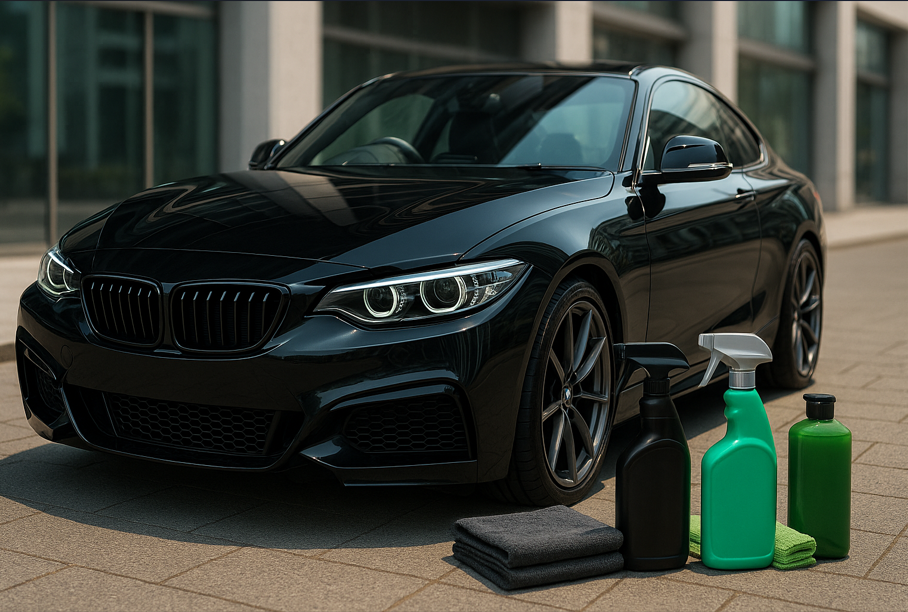
If you’ve ever noticed stubborn black spots ruining your car’s sleek finish, you’re probably dealing with tar. This sticky mess doesn’t just look bad—it can harm your paint if left untreated.
But how do you remove tar safely without damaging your car? That’s exactly what you’ll discover in this complete guide to tar removers for cars. Whether you’re a seasoned car enthusiast or just want to keep your ride looking fresh, you’ll learn about the safest removal types, effective products, and simple techniques you can use at home.
Keep reading to protect your car’s shine and say goodbye to those annoying tar spots once and for all!
Types Of Tar Removers
Tar stains on cars need careful removal to avoid paint damage. Different tar removers work in various ways. Choosing the right type ensures safe and effective cleaning. Here are common types of tar removers you can use.
Commercial Products
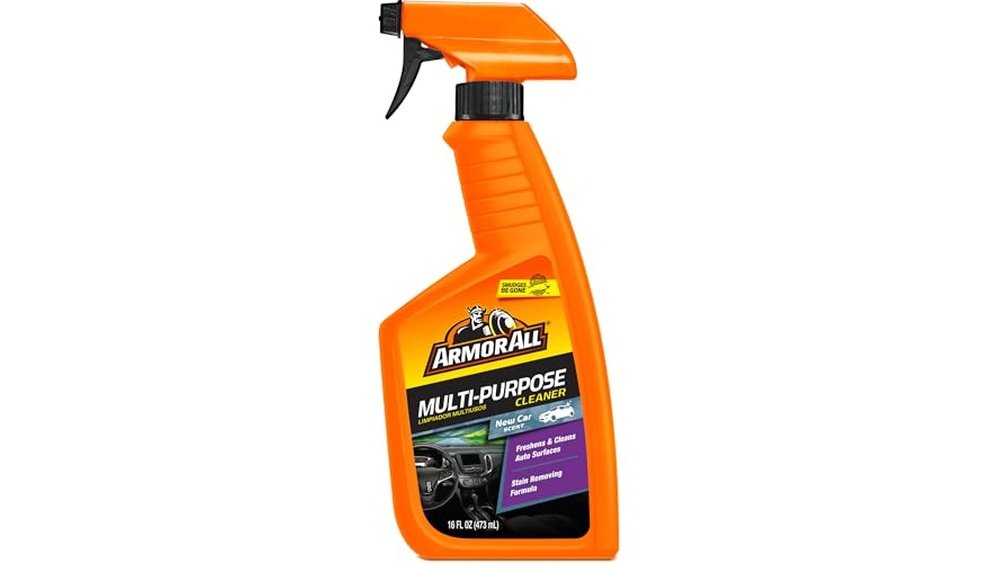
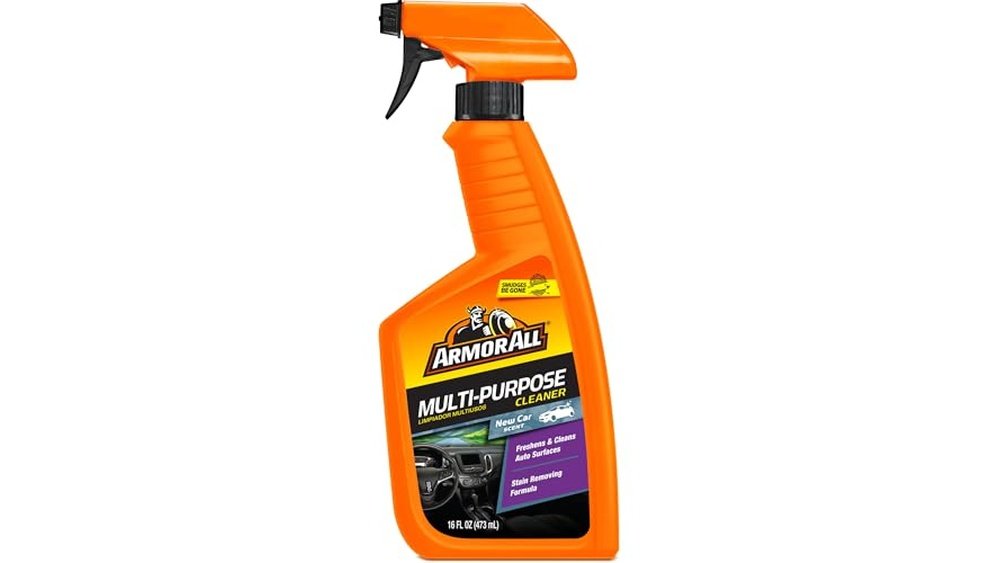
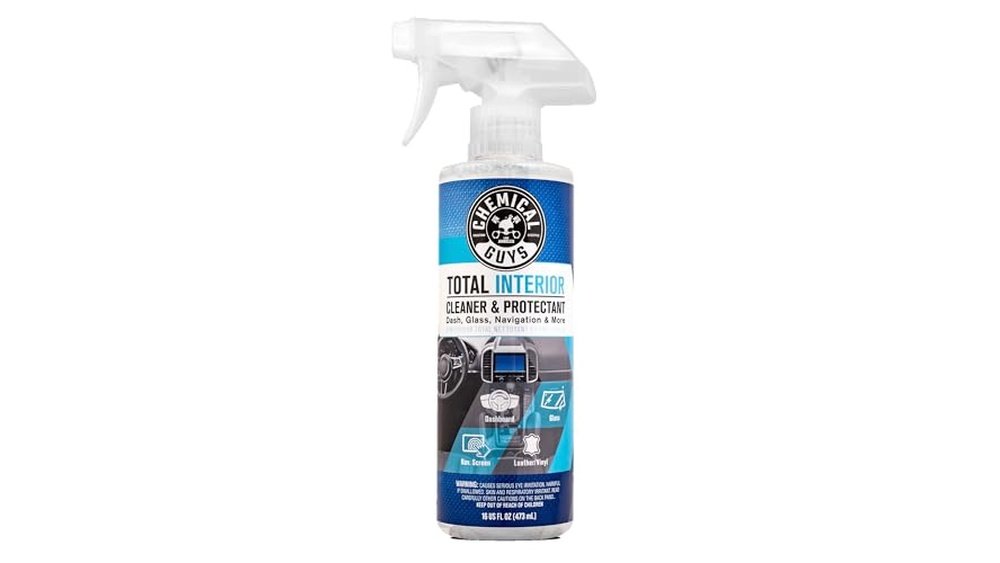
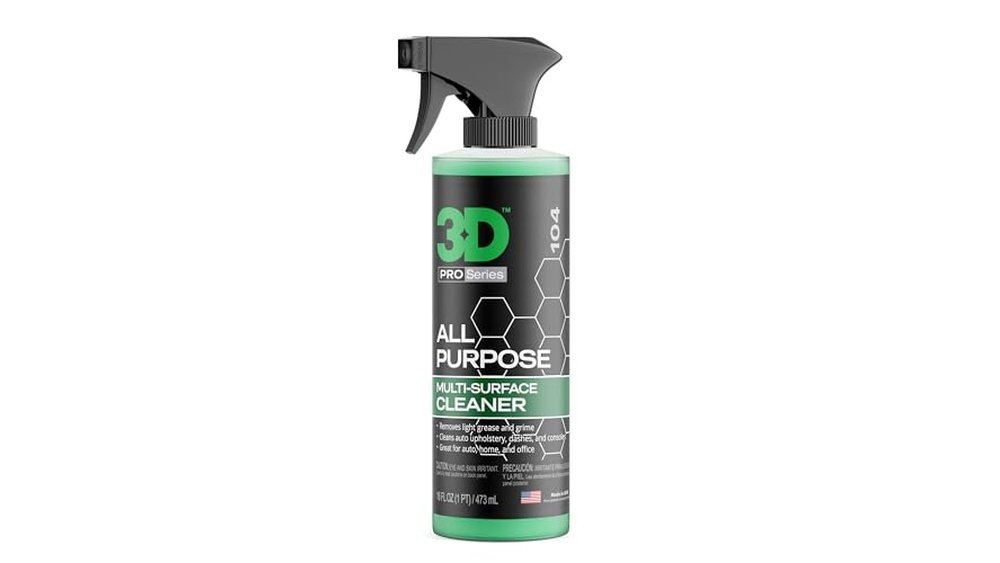
Commercial tar removers are specially made for cars. They dissolve tar quickly without harming the paint. Many brands offer sprays, gels, or liquids. These products often contain solvents that break down tar easily. Use them as directed on the label. They provide fast and reliable results.
Household Alternatives
Household items can also remove tar if used carefully. Products like WD-40, baby oil, or rubbing alcohol work well. These items soften the tar, making it easier to wipe off. Apply gently with a soft cloth to protect the paint. They offer a budget-friendly option for light tar spots.
Natural Solutions
Natural tar removers use simple ingredients found at home. Vinegar, baking soda, or lemon juice can help break down tar residues. These solutions are gentle and eco-friendly. They require more time and patience, but avoid harsh chemicals. Ideal for those who prefer safe, natural cleaning methods.

Safe Removal Methods
Removing tar from your car can be tricky. Using harsh chemicals or rough tools may damage the paint. Safe removal methods protect your car’s finish while effectively removing tar. These gentle techniques work well for light to moderate tar spots. They are easy to do at home and require common household items or simple tools. Read on for three safe and proven methods to clean your car.
Using Dish Soap And Warm Water
Dish soap cuts through grease and tar gently. Mix a few drops of dish soap with warm water. Soak a soft cloth in this solution. Dab the tar spots carefully to break them down. Wipe the tar away slowly, adding more solution as needed. After tar removal, wash the whole car to remove soap residue. Reapply wax or sealant to protect the paint surface.
Applying Baby Oil or WD-40
Baby oil and WD-40 help loosen stubborn tar. Spray or apply a small amount on a clean cloth. Rub the tar spot gently in circular motions. The oil softens the tar, making it easier to remove. Wipe off with a dry microfiber cloth afterward. Wash the area with soap and water to remove any oily residue. These products are safe for most car paints when used carefully.
Clay Bar Technique
The clay bar technique removes tar and other contaminants safely. Purchase a clay bar kit designed for cars. Spray lubricant on the affected area. Gently rub the clay bar over the tar spots in a back-and-forth motion. The clay picks up tar without harming the paint. Wipe the surface clean with a microfiber cloth. Finish by applying wax or sealant for added protection.
Step-by-step Tar Removal
Removing tar from your car requires care and the right method. Follow each step carefully to protect your car’s paint and finish. This guide breaks down the process into simple, easy actions. A clean, tar-free surface restores your car’s shine.
Preparing The Car Surface
Start by washing the car with mild soap and water. Remove loose dirt and dust to avoid scratches. Dry the area completely with a soft towel. Work in a shaded place to prevent quick drying.
Applying The Remover
Choose a tar remover that is safe for car paint. Apply it directly on the tar spots using a clean cloth. Let the remover sit for a few minutes. This softens the tar and makes it easier to remove.
Removing Tar Gently
Use a soft microfiber cloth to rub the tar spots gently. Avoid scrubbing hard to prevent paint damage. Wipe in small circles until the tar loosens. Repeat applying remover and rubbing if needed.
Washing And Rinsing
Wash the treated area with car soap and warm water. Rinse thoroughly with clean water to remove all residue. Dry the surface with a soft towel to prevent water spots. Consider waxing the area to protect the paint.
Protecting Car Paint
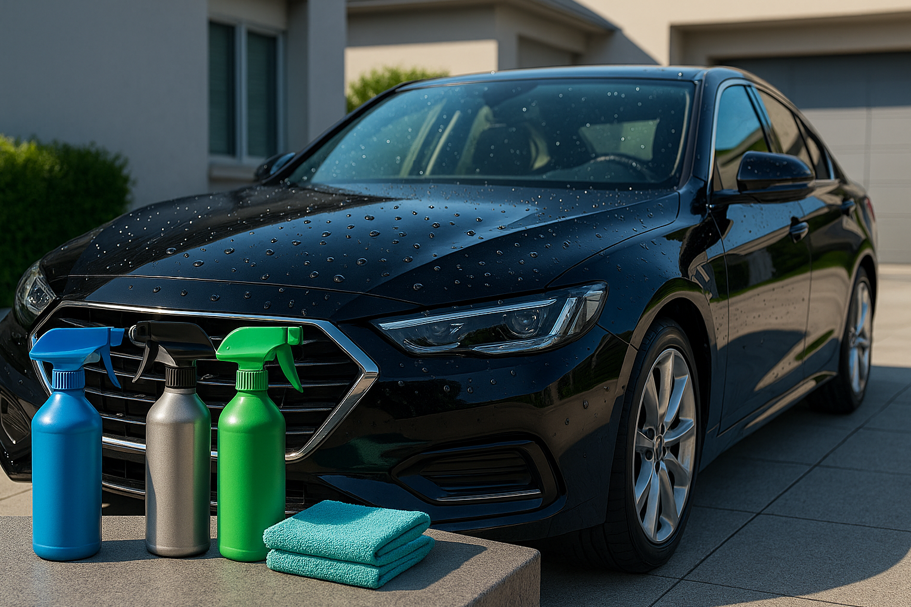
Protecting your car’s paint during tar removal is crucial. Tar removers can strip away dirt and sticky residues, but they may also affect the paint’s surface. Using the right method keeps your paint safe and looking shiny. Always handle tar removers carefully to avoid damage.
Effects Of Tar Removers On Wax
Most tar removers remove the wax layer on your car. Wax protects the paint from dirt and UV rays. When wax is stripped away, the paint becomes vulnerable. Some removers contain strong chemicals that can dissolve wax quickly. After tar removal, expect the wax to be less effective or gone.
Reapplying Wax Or Sealant
After removing tar, reapplying wax or sealant is important. Wax restores the protective barrier on the paint. Sealants offer longer-lasting protection and shine. Apply wax or sealant evenly and let it dry completely. This step helps guard against future tar buildup and environmental damage.
Avoiding Paint Damage
Choose tar removers made for automotive paint. Avoid harsh chemicals like acetone or paint thinners. Use soft cloths or microfiber towels to apply removers gently. Test the product on a small, hidden area first. Rinse thoroughly and dry the surface after cleaning. Proper care stops scratches and paint fading.
Handling Stubborn Tar Spots
Stubborn tar spots on your car can be tough to remove. They stick hard and resist simple washing. Handling these spots carefully protects your car’s paint. Using the right products helps break down tar without harm. Choose gentle yet effective methods for safe removal.
Below are some proven ways to treat tough tar spots. Each method suits different levels of tar buildup and car finishes.
Using Citrus Degreasers
Citrus degreasers come from natural oils in citrus fruits. They dissolve tar safely and smell fresh. Apply a small amount on the tar spot. Let it sit for a few minutes to soften the tar. Then, gently wipe with a microfiber cloth. Repeat if needed, but avoid scrubbing too hard. Citrus degreasers are good for light to medium tar stains.
Goo Gone And Similar Products
Goo Gone is popular for sticky messes, including tar. It breaks down tar without damaging paint. Use a small dab on the tar spot. Wait for a minute or two to loosen the tar. Wipe carefully with a soft cloth. Wash the area afterward with soap and water. Many similar products work the same way. Always check the label for car surface safety.
When To Use Professional Products
Professional tar removers offer stronger formulas. They work well on large or old tar spots. Use these only if home remedies fail. Follow all instructions closely to avoid paint damage. Wear gloves and test on a hidden spot first. Professional products often remove tar quickly and fully. They are best for serious tar problems.
Tools For Tar Removal
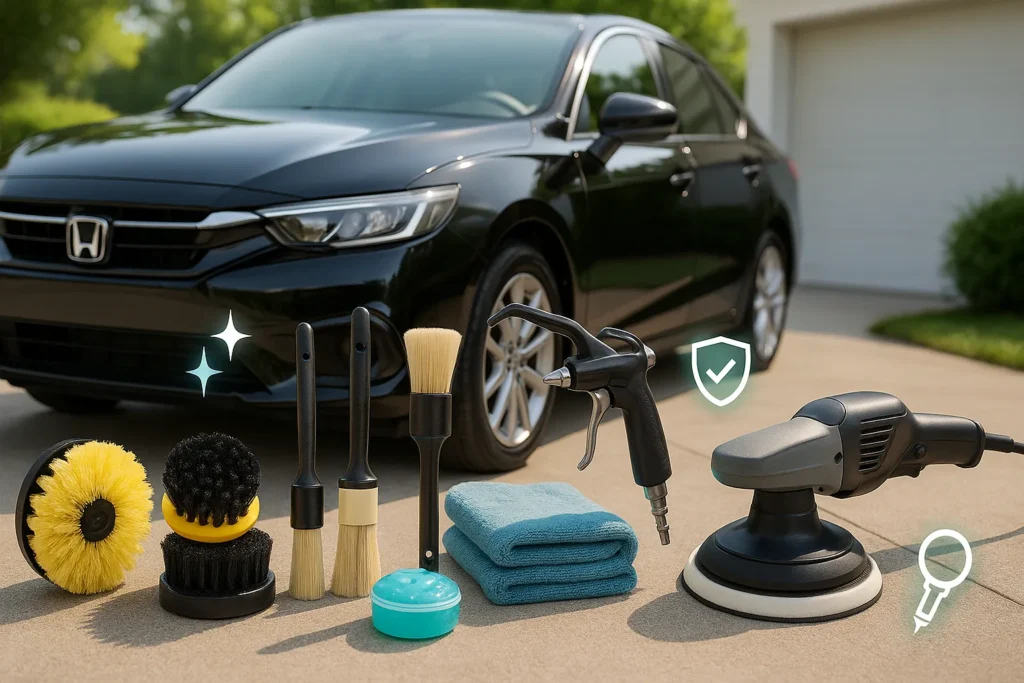
Removing tar from your car requires the right tools to ensure safety and effectiveness. The tools chosen make the process easier and protect the paint finish. Using improper tools can cause scratches or damage.
Some tools help loosen tar, while others aid in gentle removal. Combining these tools with proper tar removers creates the best results.
Microfiber Cloths
Microfiber cloths are soft and non-abrasive. They trap dirt and tar without scratching the car’s surface. Use them to apply tar remover liquids and gently wipe away residue. Their fine fibers reach into small crevices, removing tar safely.
Always use clean microfiber cloths to avoid spreading dirt. Multiple cloths may be needed for stubborn tar spots.
Pressure Washers
Pressure washers spray water at high force to remove dirt and tar. Adjust the pressure to avoid damaging paint. Use a wide spray pattern and keep the nozzle at a safe distance.
Pressure washers help loosen tar, making it easier to wipe off. They are effective for larger tar patches on wheels and bumpers.
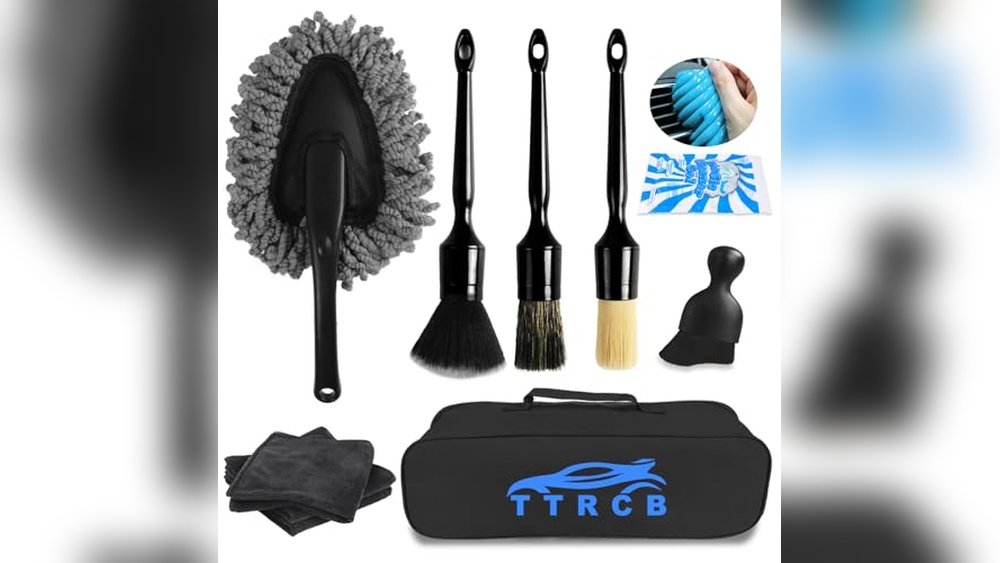
Detailing Brushes
Detailing brushes have soft bristles to reach tight areas. Use them to scrub tar gently from wheel wells, grills, and trim. Their small size allows precise cleaning without harming paint.
Choose brushes with nylon bristles for safe tar removal. Avoid hard-bristled brushes that may scratch surfaces.
Common Mistakes To Avoid
Removing tar from your car needs care and attention. Many make simple mistakes that harm their car’s paint. Avoiding these errors helps keep your vehicle safe and looking great. Learn about common mistakes and how to prevent them.
Scraping Tar Aggressively
Using sharp tools or scraping hard can scratch the paint. Tar sticks firmly, but patience is key. Use soft cloths and gentle products instead. Let the remover work before touching the tar. Aggressive scraping damages your car’s finish and leads to costly repairs.
Skipping Protective Coatings
Tar removal can strip away wax or sealants. These coatings protect the paint from dirt and damage. Always reapply a protective layer after cleaning tar. This step keeps your car’s surface smooth and shiny. Skipping it leaves your paint exposed and vulnerable.
Using Harsh Chemicals
Strong chemicals may remove tar quickly, but harm the paint too. Avoid solvents not meant for automotive use. Choose tar removers designed for cars and safe on paint. Harsh chemicals cause fading, discoloration, or peeling. Use gentle, tested products for safe cleaning.
Maintaining A Tar-free Car
Keeping your car free from tar improves its look and protects the paint. Tar can stick to your vehicle’s surface from roads and parking areas. Removing tar quickly helps prevent stains and damage. Regular care helps maintain a shiny and clean car all year.
Regular Washing Tips
Wash your car often to stop tar buildup. Use mild car shampoo and warm water. Avoid harsh soaps that can strip the paint’s protection. Clean the wheels and lower panels well, as tar often collects there. Dry the car with a soft towel to avoid water spots.
Protective Coating Application
Apply a wax or sealant to protect your car’s surface. These layers create a barrier against tar and dirt. Use a product made for your car’s paint type. Reapply every few months for best results. Protective coatings make tar easier to remove without damage.
Quick Tar Spot Treatment
Spot-treat tar as soon as you see it. Use a safe tar remover or gentle household oils. Apply with a soft cloth, rubbing gently to lift tar from the paint. Avoid scrubbing hard to prevent scratches. Wash and wax the treated area after removal to protect the paint.
Frequently Asked Questions
What Is The Best Tar Remover For Cars?
The best tar remover for cars is Meguiar’s Heavy Duty Bug + Tar Remover. It effectively dissolves tar without harming paint. Alternatives like Turtle Wax Tar & Bug Remover and Autoglym Intensive Tar Remover also work well. Always re-wax your car after removal to protect the finish.
What’s The Best Tar Removal Technique?
The best tar removal technique uses a specialized tar remover or gentle solvents like baby oil. Apply gently, then wash and re-wax the car to protect the paint. Avoid harsh scrubbing to prevent damage. Pressure washers help, but use them cautiously to avoid paint chips.
How To Remove Tar from a Car Without Damaging Paint?
Use a tar remover or baby oil on a microfiber cloth. Gently rub tar spots until softened. Wash and re-wax to protect the paint. Avoid harsh scrubbing to prevent damage.
Will Dawn Dish Soap Remove Tar From a Car?
Yes, Dawn dish soap can remove tar from a car by cutting through grease and oil effectively. Use a diluted solution, gently dab the tar, then wipe away. Always re-wax the area afterward, as Dawn strips wax and protective sealants from the paint surface.
Conclusion
Removing tar from your car protects its finish and keeps it looking clean. Choose a tar remover that suits your car’s paint and tar type. Always follow product instructions carefully for safe use. Regular cleaning helps prevent tar buildup and paint damage.
Keep your car’s surface smooth by reapplying wax after tar removal. With the right tools and care, your car will stay shiny and well-protected. Simple steps make tar removal easy and stress-free for any car owner.