
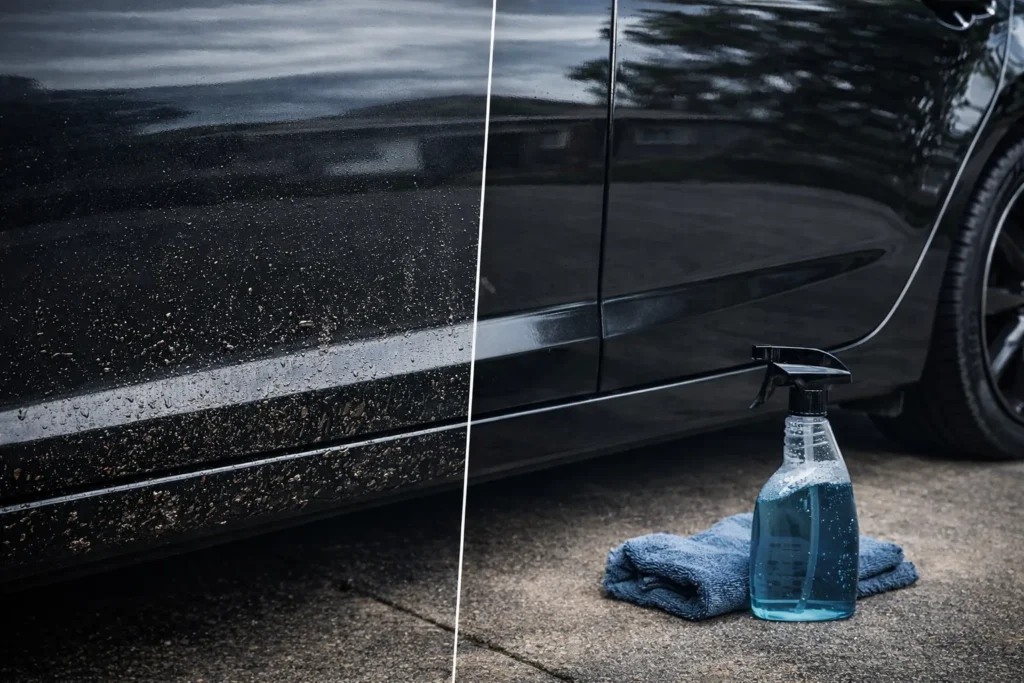
If you care about keeping your car’s paint protection film (PPF) or vinyl wraps looking flawless, dealing with stubborn tar spots can be frustrating. Might you wonder: Can tar remover safely clean these delicate surfaces without causing damage?
The good news is yes—but only if you use the right product and technique. You’ll discover how to effectively remove tar from PPF and vinyl wraps, protect your investment, and restore your vehicle’s shine. Ready to learn simple, safe steps that anyone can follow?
Keep reading to ensure your car stays spotless and protected.
Tar Remover Basics
Tar remover plays a key role in maintaining PPF and vinyl wraps. It removes sticky tar and grime without harming the surface. Knowing the basics helps you choose the right product and use it correctly. Protect your car’s look by understanding how tar removers work.
What Is Tar Remover?
Tar remover is a cleaning product made to dissolve tar, sap, and sticky substances. It breaks down these tough spots so they come off easily. Tar removers keep PPF and vinyl wraps safe by not damaging the material. They often contain gentle solvents that target tar but protect paint and vinyl. Using tar remover regularly prevents stains and keeps wraps looking fresh.
Types Of Tar Removers
There are several types of tar removers available. Some come as sprays, making application quick and even. Others are gels or liquids, which you apply with a cloth or sponge. Citrus-based removers use natural oils to break down tar gently. Solvent-based removers are stronger but need careful use to avoid damage. Choose a tar remover that fits your wrap type and cleaning needs.
Ppf And Vinyl Wraps
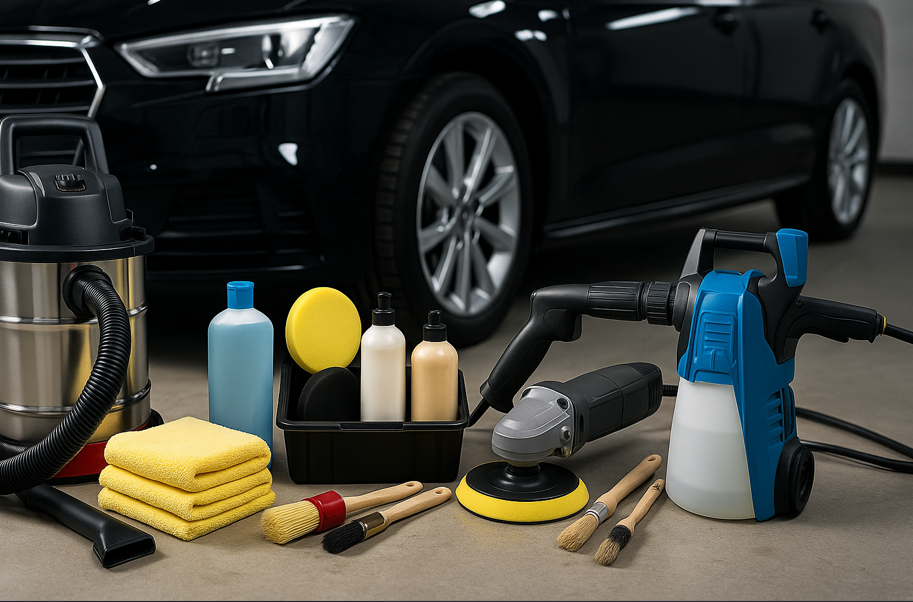
Paint Protection Film (PPF) and vinyl wraps are popular choices for vehicle owners. They protect the car’s surface and add style. Both materials require special care to keep them looking good. Tar remover plays an important role in cleaning these surfaces.
Knowing the differences between PPF and vinyl wraps helps in choosing the right cleaning method. Each has unique features and reacts differently to cleaning products.
Characteristics of PPF
PPF is a clear, durable film applied to the car’s paint. It protects against scratches, stone chips, and minor abrasions. The film is self-healing under heat, which helps small scratches disappear. PPF is thicker than vinyl wraps and usually has a glossy finish. It preserves the original paint beneath and keeps the car looking new.
Properties Of Vinyl Wraps
Vinyl wraps cover the car’s surface with a colored or patterned film. They change the vehicle’s appearance without permanent paint changes. Vinyl wraps are thinner and more flexible than PPF. They can be matte, satin, or glossy. Vinyl is less protective than PPF but allows for creative designs. Proper cleaning keeps the wrap from fading or peeling.
Common Contaminants
Tar is a sticky substance that can damage PPF and vinyl wraps. It comes from road construction, tree sap, and industrial pollution. Other contaminants include bug splatter, bird droppings, and dirt. These materials can stain or weaken the film if not removed quickly. Using a safe tar remover helps clean without harming the wrap or film.
Choosing Safe Tar Removers
Choosing the right tar remover is essential for protecting your PPF and vinyl wraps. The wrong product can damage these delicate surfaces. Knowing which ingredients and formulas are safe helps keep your vehicle looking fresh. Here is what to consider for safe tar removal.
Ppf-safe Ingredients
Pick tar removers that list PPF-safe ingredients. Avoid products with strong solvents that can break down the film. Look for gentle cleaners designed for paint protection films. These maintain the film’s clarity and strength. Safe ingredients clean tar without dulling or peeling the PPF.
Vinyl-compatible Formulas
Vinyl wraps require special care. Use tar removers made specifically for vinyl surfaces. These formulas do not cause swelling or discoloration. They dissolve tar without harming the wrap’s texture or color. Using vinyl-compatible products ensures your wrap stays smooth and vibrant.
Avoiding Harsh Chemicals
Harsh chemicals like acetone and strong alcohols harm both PPF and vinyl. They can cause cracking, fading, or lifting of the wrap edges. Always check the label for harsh solvents. Choose removers with mild, biodegradable ingredients. This reduces the risk of surface damage during cleaning.
Step-by-step Cleaning Process
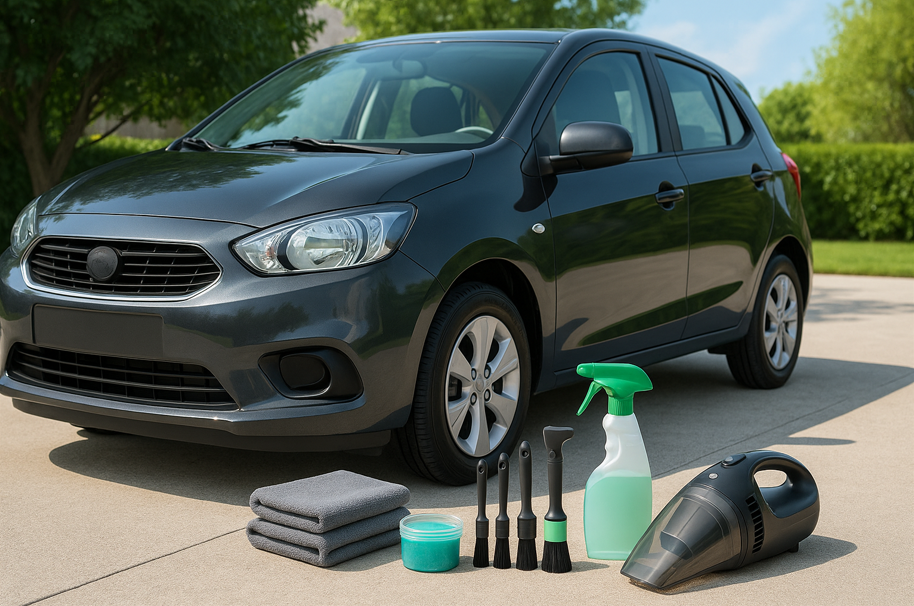
Removing tar from Paint Protection Film (PPF) and vinyl wraps requires care. Following a clear cleaning process protects these delicate surfaces. Each step ensures tar dissolves without damage.
This step-by-step guide breaks down the process. It helps keep your vehicle’s wrap or film looking fresh and clean.
Pre-rinsing Techniques
Start by rinsing the affected area with water. Use a gentle stream to remove loose dirt and debris. This prevents scratching during cleaning. Avoid high-pressure sprays that might lift edges of wraps or PPF.
Applying Tar Remover Correctly
Choose a tar remover safe for vinyl and PPF. Spray it directly onto the tar spots. Do not soak the entire wrap. Focus on small sections to avoid overuse of chemicals. Always follow product instructions for application.
Recommended Dwell Time
Let the tar remover sit on the surface for a few minutes. Usually, 3 to 5 minutes is enough. This time allows the remover to break down the tar effectively. Avoid letting it dry out completely to protect the wrap.
Gentle Wiping Methods
Use a soft microfiber cloth to wipe the tar away. Wipe gently in circular motions. Do not scrub hard to prevent damage. For stubborn spots, repeat applying the remover and wiping carefully.
Rinsing Thoroughly
Rinse the cleaned area with clean water to remove residue. Ensure all tar remover is washed off. Residues can attract dirt or damage the wrap if left behind. Use a gentle rinse to protect the film.
Final Washing And Drying
Complete the process with a full wash using mild soap and water. This removes any remaining traces of tar or remover. Dry the surface with a soft, clean towel. Avoid harsh drying tools that can scratch the wrap.
Tips For Effective Cleaning
Cleaning tar from Paint Protection Film (PPF) and vinyl wraps requires care. The right method keeps the surface safe and looking new. Using proper techniques helps remove stubborn tar without damage.
Follow these tips for effective and safe cleaning of your vehicle’s wrap or film.
Using IPA Safely
Isopropyl Alcohol (IPA) can remove tar residues after initial cleaning. Use IPA sparingly to avoid damaging the wrap. Apply it gently with a soft cloth. Avoid strong rubbing or soaking the surface. Always work in a shaded area to prevent quick drying.
Repeating Treatment When Needed
Tar stains may not come off in one go. Repeat the treatment carefully if tar remains. Use the remover sparingly each time. Let the product sit briefly before wiping. Multiple light treatments reduce the risk to the wrap.
Spot Testing Before Full Application
Test the tar remover on a small hidden area first. Watch for any color change or damage. If safe, proceed with full application. Spot testing prevents surprises and protects your wrap or film. It is a simple but crucial step.
Popular Products For Tar Removal
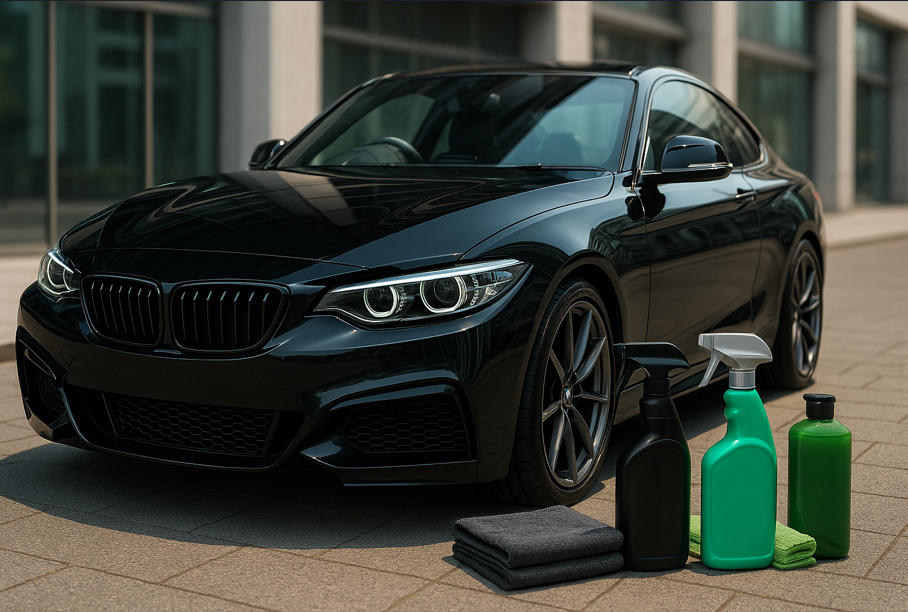
Tar buildup on Paint Protection Film (PPF) and vinyl wraps can damage their surfaces. Choosing the right tar remover product protects your vehicle’s finish. Many brands offer safe and effective solutions for tar removal. These products dissolve tar without harming delicate vinyl or film. Here are some popular tar remover brands trusted by car enthusiasts and professionals alike.
Adam’s Polishes
Adam’s Polishes offers a tar remover that cleans gently yet thoroughly. It removes sticky tar spots and road grime from PPF and wraps. Users appreciate its ease of use and safe formula. The product does not dull or discolor vinyl surfaces. It is suitable for regular maintenance and stubborn tar removal.
Parks Car Care
Parks Car Care produces a tar remover known for strong cleaning power. It breaks down tough tar and adhesive residue effectively. This product works well on both PPF and vinyl wraps without causing damage. It sprays on easily and wipes off with minimal effort. Many detailers recommend it for professional and home use.
Griot’s Garage
Griot’s Garage Tar and Sap Remover targets sticky contaminants on car surfaces. It safely lifts tar, sap, and tree resin from vinyl and paint protection film. The formula is designed to be gentle while providing fast results. Customers praise its ability to restore a clean, smooth finish quickly. It suits all vehicle exteriors, including delicate wraps.
Carpro Tarx
CarPro TarX is a versatile tar remover with strong solvent action. It dissolves tar and other stubborn residues without harming vinyl wraps. Users find it effective on PPF and painted surfaces alike. The product works fast and rinses clean, leaving no residue. It fits into regular cleaning routines for well-maintained vehicles.
Other Recommended Brands
Besides these, several other brands offer reliable tar removers. Brothers Chemical Adhesive-Off Pro Adhesive Remover, Opti-Coat Optimum T.A.R. Remover, and Torque Detail Sap Attack also perform well. Each product balances cleaning strength with safety for delicate surfaces. Choose products labeled safe for vinyl and PPF to avoid damage.
Avoiding Damage To Finishes
Removing tar from Paint Protection Film (PPF) and vinyl wraps requires care. These finishes are delicate and can get damaged easily. Using the right method and products helps keep them safe. This section covers important tips to avoid harming your vehicle’s finish.
Risks Of Using Wrong Products
Using harsh chemicals can ruin PPF and vinyl. Some tar removers contain solvents that strip or discolor the finish. Abrasive cleaners may scratch the surface. Always check if the product is safe for your specific wrap or film. Avoid strong solvents like acetone or gasoline.
Handling Matte Finishes
Matte wraps need extra caution. Many tar removers leave shiny spots on matte surfaces. Use products labeled safe for matte finishes only. Test a small hidden area first. Use soft cloths and gentle motions to prevent gloss changes or damage.
Protecting Edges And Seams
Edges and seams are vulnerable spots on wraps and PPF. Tar removers can lift or peel edges if applied too aggressively. Apply remover carefully with a soft applicator. Avoid soaking edges. Rinse well and dry to keep the adhesive strong and intact.
Maintenance After Cleaning
Maintaining paint protection film (PPF) and vinyl wraps after tar removal is crucial to keep surfaces looking fresh and protected. Cleaning removes tar and contaminants, but proper care afterward helps extend the life of the wrap or film. Regular maintenance prevents damage and keeps the surface smooth and shiny.
Protective Coatings
Applying a protective coating after cleaning shields the PPF or vinyl wrap. These coatings create a barrier against dirt, tar, and UV rays. They help maintain the surface’s color and texture. Choose coatings designed specifically for vinyl or PPF for the best results.
Regular Washing Tips
Wash your vehicle often using a gentle soap and a soft cloth. Avoid harsh chemicals that can break down the vinyl or film. Use a two-bucket method to reduce dirt from scratching the surface. Rinse thoroughly to remove all soap and debris.
Monitoring For Residue
Check the surface regularly for leftover tar or cleaning product residue. Residue can attract dirt and cause staining. Use a clean microfiber cloth to spot-clean any spots quickly. Early removal keeps the wrap and film in top condition.
Frequently Asked Questions
How To Remove Tar from PPF?
Pre-rinse the area to remove loose dirt. Apply a PPF-safe tar remover spray. Let it sit briefly. Gently wipe with a soft cloth. Repeat if needed. Rinse thoroughly and dry. Avoid harsh chemicals to protect the film.
Can You Use Tar Remover on a Wrap?
Yes, you can use tar remover on vinyl wraps. Use a PPF-safe product and apply gently. Rinse thoroughly afterward.
What Removes Tar From Vinyl?
Use a vinyl-safe tar remover or mineral spirits to dissolve tar gently. Apply, wait a few minutes, then wipe and rinse thoroughly. Avoid harsh chemicals to protect vinyl surfaces.
Can Tar Remover Be Used On Plastic?
Tar remover is generally safe for plastic if labeled as such. Always test on a small area first to avoid damage.
Conclusion
Tar removers work well on both PPF and vinyl wraps when used carefully. Always choose products made for delicate surfaces to avoid damage. Apply the remover gently and avoid harsh scrubbing to keep wraps looking new. Rinse thoroughly after cleaning to remove all residue.
Regular care helps maintain the wrap’s appearance and protects your vehicle. Small steps make a big difference in cleaning and preserving wraps. Keep your car looking sharp with safe, simple tar removal.














