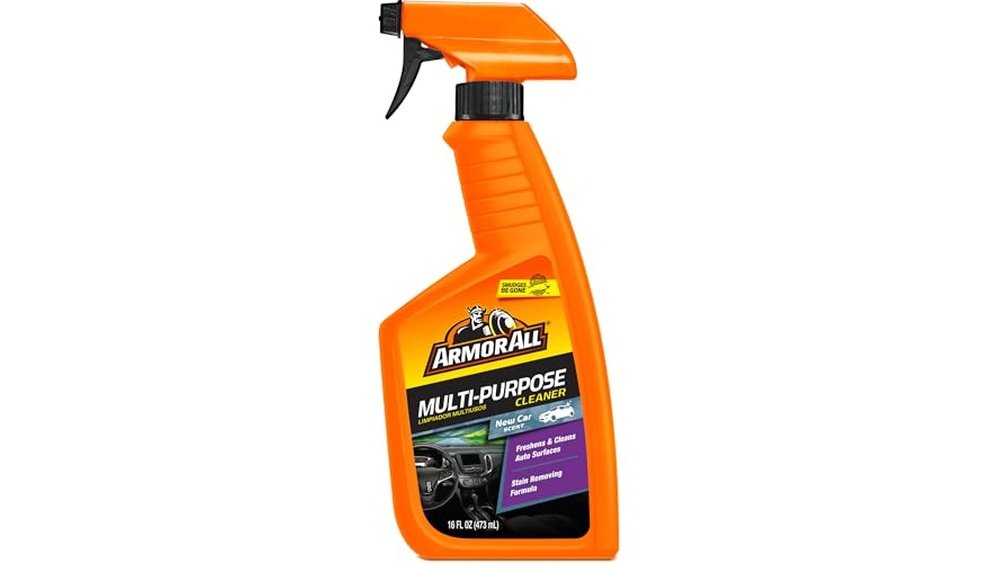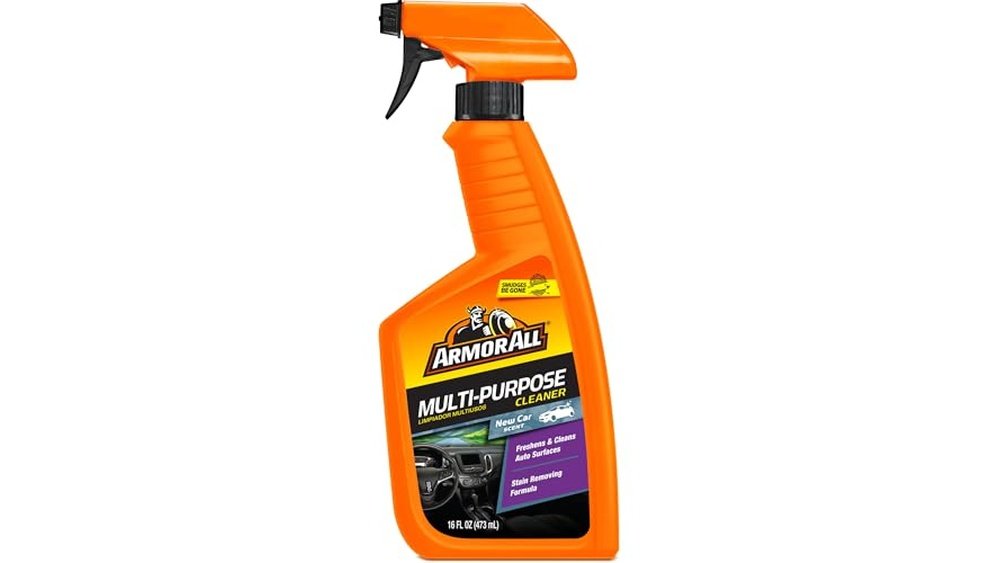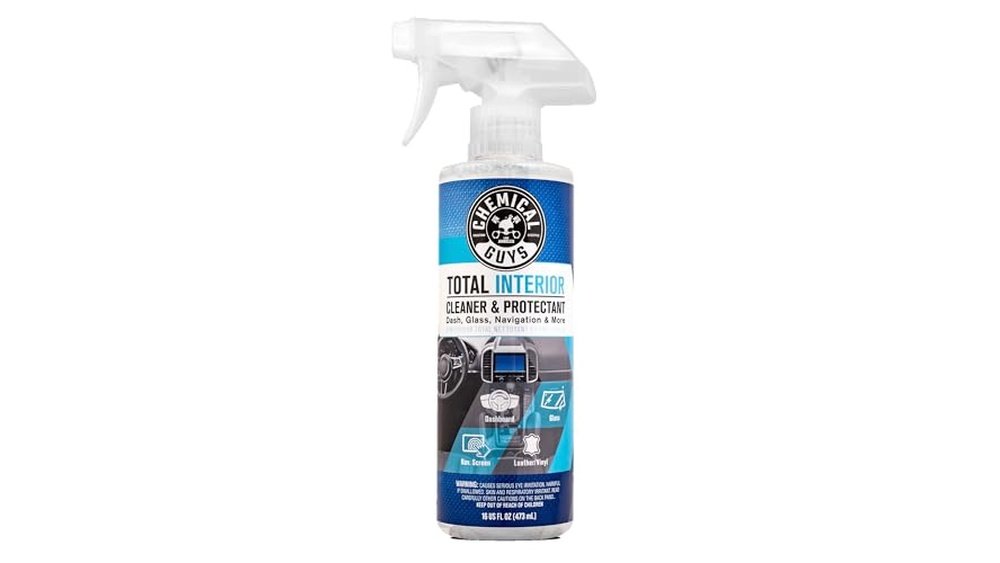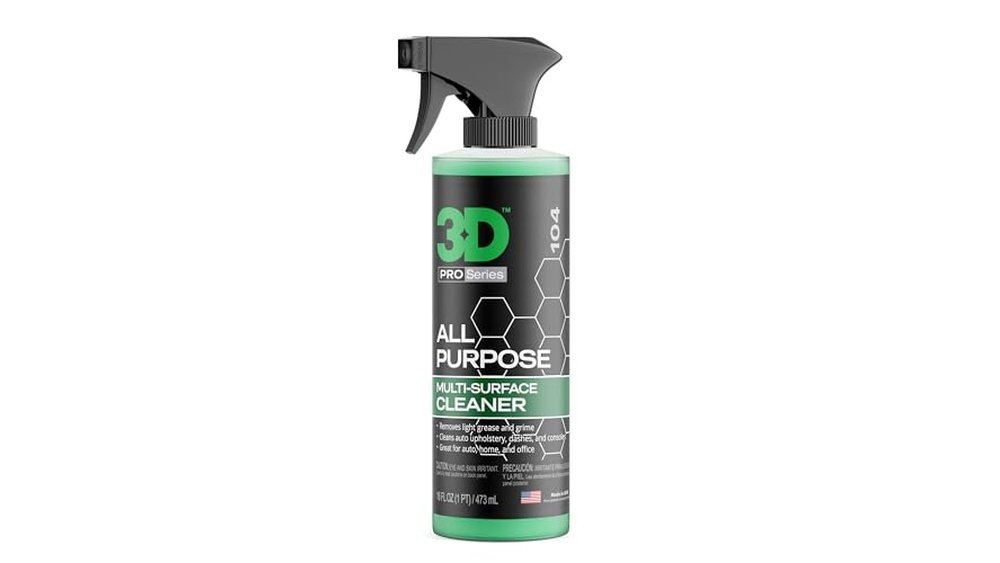
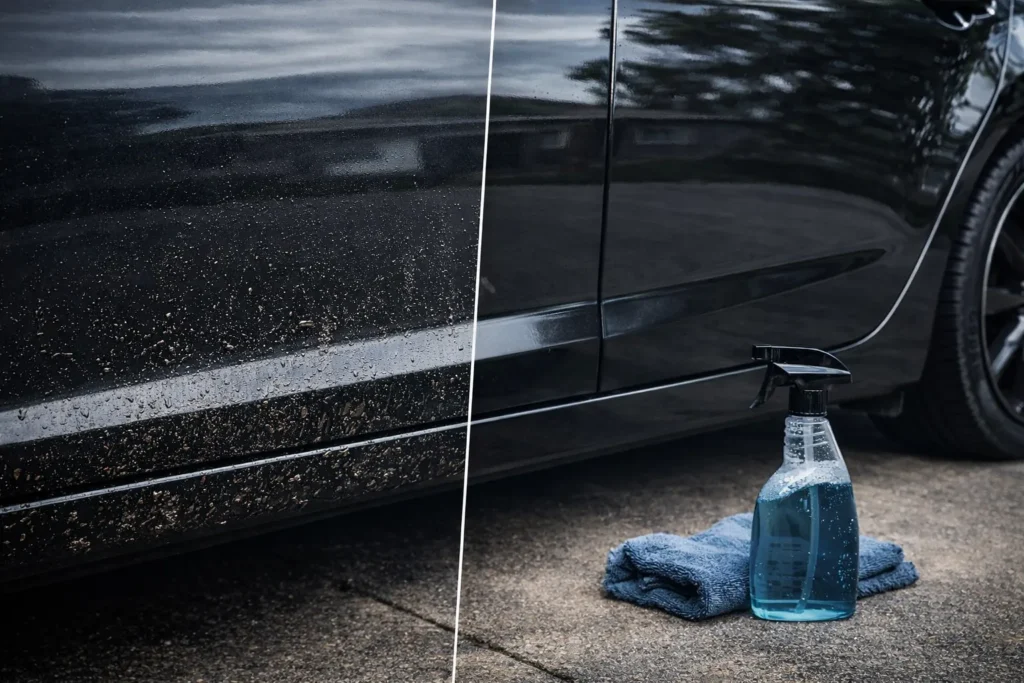
If you’ve ever dealt with stubborn tar spots on your car’s paint, you know how tricky they can be to remove without causing damage. You might be wondering: how long should tar remover actually sit on your paint to work effectively without harming the surface?
The answer isn’t just about timing—it’s about using the right approach that protects your vehicle’s finish. You’ll discover the ideal wait time for tar remover, plus expert tips to safely get rid of those sticky stains. Keep reading to learn how to restore your paint’s shine quickly and confidently!
Tar Remover Types
Tar remover products come in different types. Each works differently on car paint and tar spots. Knowing the type helps you choose the right one. It also guides how long the remover should stay on the paint.
Some removers are stronger and need shorter time. Others are gentle but may take longer to work. Here is a look at the main types of tar removers.
Solvent-based Removers
Solvent-based removers use strong chemicals to break down tar quickly. They work fast and dissolve tar in minutes. These removers need careful use. Leaving them on too long can harm the paint. Usually, 1 to 3 minutes is enough time for them to act. Always follow product instructions and test on a small spot first.
Water-based Removers
Water-based removers are gentler and safer for paint. They use water and mild cleaners to soften tar. These take longer to work than solvent types. You may need to let them sit for 5 to 10 minutes. They are less likely to damage paint but may require more scrubbing. Ideal for sensitive surfaces and regular cleaning.
Homemade Solutions
Some people use homemade solutions like baking soda paste or vinegar. These are mild and eco-friendly options. They take the longest to work and need repeated application. Let them sit 10 minutes or more before wiping. Homemade solutions are best for small tar spots and light stains. They pose the least risk to paint, but need patience.
Factors Affecting Timing
Knowing how long tar remover should sit on paint is not simple. Several factors change the timing. Understanding these can help protect your car’s paint while removing tar efficiently.
Timing depends on the tar’s thickness, the paint’s type, and the environment. Each factor affects how the remover works and how long it stays safe on the surface.
Tar Thickness And Age
Thicker tar needs more time to soften and break down. Old tar is harder and may require a longer wait. Thin or fresh tar removes faster and needs less time. Assessing the tar’s thickness and age helps decide the right timing.
Paint Type And Condition
Different paint types react differently to tar removers. Soft or damaged paint may need shorter application times to avoid harm. Hard, well-maintained paint can handle longer exposure. Knowing your paint type protects its finish during cleaning.
Environmental Conditions
Temperature and sunlight affect how tar remover works. Hot weather speeds up the remover’s action, but can dry it too fast. Cold weather slows the process, requiring more time. Avoid using tar remover in direct sunlight to prevent damage.
Recommended Application Time
Knowing the right time to let tar remover sit on your car’s paint is key. Too little time might not remove the tar. Too long can harm the paint. The recommended application time varies by the tar’s thickness and product strength. Follow these guidelines for the best results.
Short Duration For Light Tar
For small tar spots, keep the remover on for about 1 to 3 minutes. Light tar softens quickly and lifts easily. Wipe it gently with a soft cloth after the short wait. Avoid scrubbing hard to protect the paint.
Longer Soak For Stubborn Tar
Thick or old tar needs more time to break down. Let the remover sit for 5 to 10 minutes. Check the tar every few minutes to see if it softens. Use a microfiber cloth to wipe the residue away carefully.
Manufacturer Guidelines
Always read the instructions on the tar remover bottle. Different brands have different formulas and times. Follow the product’s recommended waiting time exactly. This helps keep your paint safe and gets the best cleaning effect.
Step-by-step Removal Process
Removing tar from your car’s paint needs care and patience. Follow the step-by-step removal process to protect the paint while clearing tar spots. This guide helps you apply tar remover safely and effectively for the best results.
Preparing The Surface
Clean the area around the tar with water and mild soap. Dry the surface using a soft cloth. Make sure the paint is cool and out of direct sunlight. This prevents the tar remover from drying too fast and causing damage.
Applying The Tar Remover
Spray or apply the tar remover directly on the tar spots. Use enough product to cover the tar completely. Avoid rubbing the tar before the remover has time to work. This reduces the risk of scratching the paint.
Waiting Period
Let the tar remover sit on the paint for the recommended time on the product label. Usually, this is between 3 to 5 minutes. Do not let it dry on the surface. Keep the area shaded to avoid quick drying.
Wiping And Rinsing
Use a clean, soft cloth to gently wipe away the tar and remover. Apply light pressure and avoid scrubbing. Rinse the area thoroughly with water to remove any residue. Dry with a microfiber towel to finish the process.
Safety Tips For Paint Protection
Protecting your vehicle’s paint is crucial when using tar removers. Tar removers contain strong chemicals that can harm the paint if left too long. Following safety tips helps avoid damage and keeps your car looking new. Use careful steps to ensure the remover cleans without causing harm.
Testing On Small Areas
Always test the tar remover on a small, hidden area first. This check shows how your paint reacts. Wait a few minutes to see any changes. If the paint shows no damage, proceed with the full cleaning. Testing helps avoid large-scale paint problems.
Avoiding Overexposure
Do not leave the tar remover on the paint for too long. Most removers need just a few minutes to work. Overexposure can cause paint fading or peeling. Follow product instructions carefully for the right time. Rinse the area thoroughly after removing the tar.
Using Protective Gear
Wear gloves to protect your skin from chemicals. Use eye protection to avoid splashes. Keep a cloth or sponge ready for quick wiping. Proper gear keeps you safe and helps control the remover. Safety first for both you and your car’s paint.

Common Mistakes To Avoid
Using tar remover on car paint needs care and attention. Mistakes can cause damage or reduce effectiveness. Avoid these common errors to keep your paint safe and clean.
Leaving Remover Too Long
Tar remover should not stay on the paint for too long. Overexposure can harm the clear coat. Follow product instructions carefully. Usually, a few minutes is enough for the remover to work. Wipe off promptly to prevent paint damage.
Using Abrasive Tools
Avoid scrubbing with rough brushes or hard sponges. Abrasive tools can scratch or dull the paint surface. Use soft microfiber cloths instead. Gentle wiping helps remove tar without harming the finish.
Ignoring Paint Damage Signs
Check the paint closely during and after removal. Look for discoloration, dull spots, or scratches. Stop using the remover if you notice damage. Treat affected areas with polish or wax to restore shine.
Alternative Removal Methods
Removing tar from your car’s paint can be tricky. Some methods work better than others depending on tar type and how long it has set. Alternative removal methods offer safe options to clean tar without harming your paint. These methods can be gentle yet effective, protecting your car’s finish while removing tough spots.
Clay Bar Treatment
Clay bars lift contaminants from the paint surface. They work well on tar, dirt, and other stuck particles. Use a lubricant spray to glide the clay bar smoothly over the paint. This method requires patience but does not damage clear coats. It removes tar gently and restores a smooth finish.
Bug And Tar Removers
Specialized bug and tar removers are designed for vehicle surfaces. They soften tar for easy wiping without harsh scrubbing. Apply the product as directed and let it sit briefly, usually a few minutes. Wipe off with a clean cloth. These removers are safe for paint and clear coats if used properly.
Professional Detailing Services
Detailers have tools and products for stubborn tar removal. They use techniques that protect paint while eliminating tough stains. Professionals can assess damage and choose the best method. Choosing detailing services helps avoid DIY mistakes and preserves your vehicle’s look.
Post-removal Care
After removing tar from your car’s paint, proper care is vital to protect the surface. Tar removers can strip away not only the tar but also some protective layers. Post-removal care restores the paint’s finish and prevents damage. Follow these steps to keep your car looking fresh and clean.
Washing And Drying
Start by washing the area with a mild car shampoo. Use cool water to avoid heat spots on the paint. Gently clean with a soft sponge or microfiber cloth. Rinse thoroughly to remove all soap and residue. Dry the surface completely with a clean microfiber towel. Avoid letting water spots dry on the paint.
Applying Wax Or Sealant
After drying, apply a layer of wax or paint sealant. This step adds a protective shield over the paint. Use a soft applicator pad to spread the wax evenly. Allow it to haze before buffing with a clean cloth. Waxing locks in moisture and prevents dirt from sticking. Sealants provide longer-lasting protection against environmental damage.
Regular Maintenance Tips
Check your car’s paint regularly for tar or dirt buildup. Clean small spots as soon as you see them to avoid stains. Use gentle cleaning products designed for car paint. Avoid harsh chemicals or abrasive tools that can harm the finish. Regular waxing every few months keeps the paint smooth and protected.
Frequently Asked Questions
Is Tar Remover Safe On Paint?
Tar remover is safe on paint if formulated for automotive use. Always follow product instructions and test on a small area first. Avoid harsh chemicals to protect the clear coat. Use gentle wiping motions and rinse thoroughly after application to prevent damage.
How Long Does Tar Remover Take To Work?
Tar remover works within 1 to 5 minutes. Apply, let it sit briefly, then wipe off the tar gently.
How Do I Apply Tar Remover Correctly?
Spray tar remover generously on the affected area. Let it sit for 1-2 minutes to dissolve the tar. Gently wipe with a clean cloth. Rinse thoroughly with water and wash the surface with soap to remove residues. Repeat if necessary, avoiding harsh scrubbing to protect the paint.
How To Remove Tar Without Damaging Paint?
Use a specialized tar remover designed for automotive paint. Apply gently, wait 1-2 minutes, then wipe with a soft cloth. Rinse and wash the area to protect the clear coat and avoid damage.
Conclusion
Tar remover works best when left on the paint for 1 to 3 minutes. This short time softens the tar without harming the paint. Always follow the product instructions closely for safe use. Avoid leaving remover on too long to protect your car’s finish.
After application, wipe gently with a clean cloth. Rinse the area well to remove any residue. This simple process keeps your paint smooth and clean. Taking care with timing helps avoid damage and achieves great results. Keep your car looking its best by using tar remover wisely.