
When you spot stubborn tar spots on your car, you probably wonder: Should you tackle the mess yourself or leave it to the pros? You want your vehicle to look spotless without risking damage or spending too much time.
Choosing between professional tar removal and a DIY approach isn’t always simple. You might save money trying it at home, but could you end up making the problem worse? Or maybe hiring experts is the safest way, but is it worth the cost?
You’ll discover the key differences, benefits, and risks of each method. By the end, you’ll know exactly which choice fits your needs and keeps your car looking its best. Ready to find out which path leads to the cleanest, safest tar removal? Let’s dive in.
Professional Tar Removal
Removing tar professionally is effective and safe. Experts use special methods to clean surfaces without damage. They handle tough tar spots that DIY methods often miss. This service saves time and effort for vehicle owners and homeowners. Professionals ensure a clean finish that lasts longer.
Choosing professional tar removal means relying on trained staff. They know how to treat different materials and finishes. Their approach reduces risks and protects your property.
Methods Used By Professionals
Professionals apply specialized chemical solvents that break down tar quickly. They combine this with careful scrubbing or pressure washing. Low-pressure steam cleaning is another method used to soften tar. Experts select the best technique depending on the surface type and tar amount.
Tools And Products Involved
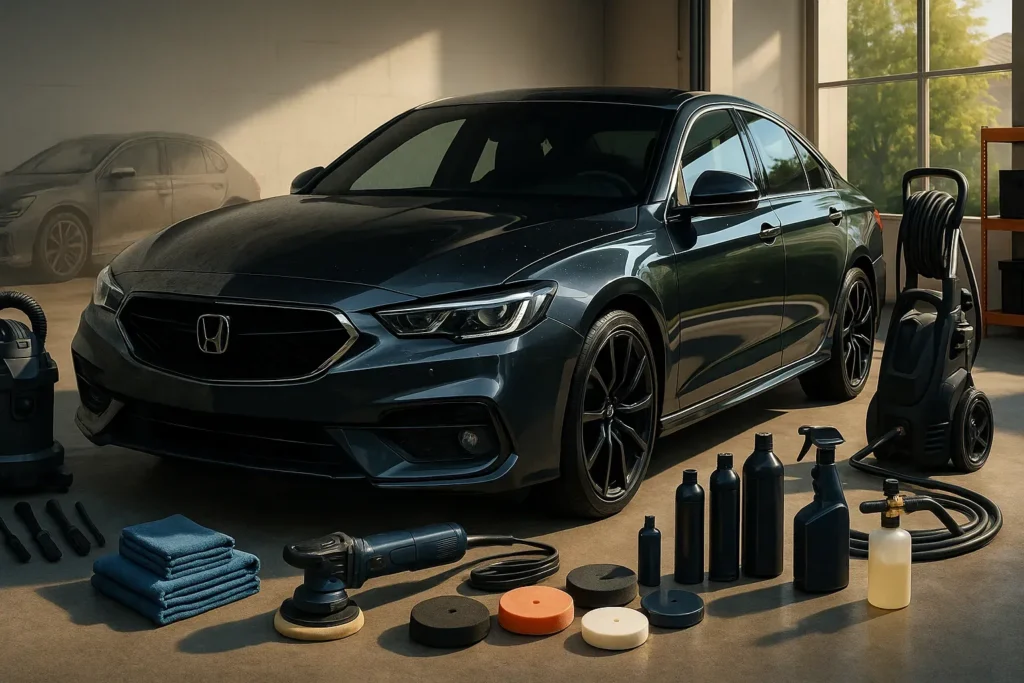
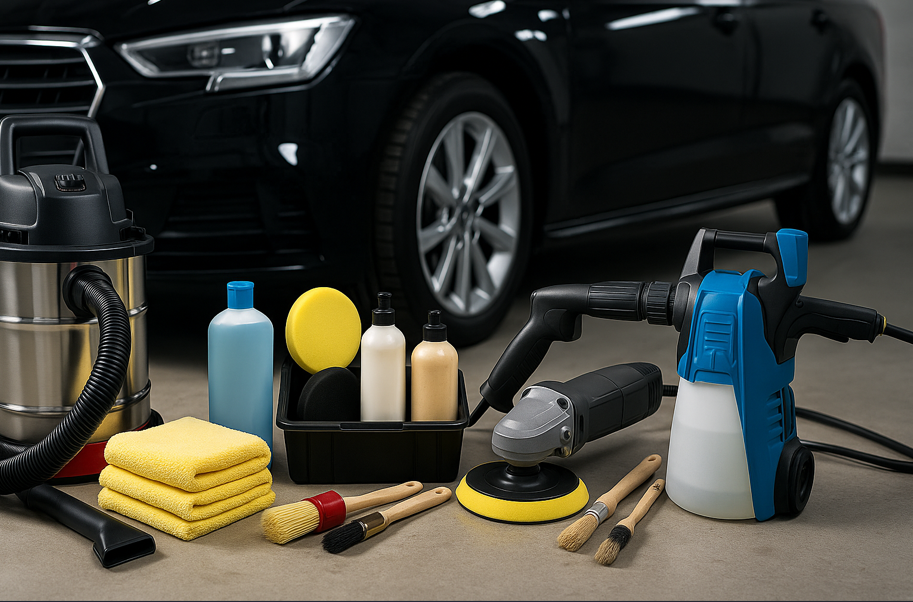
Professional tar removal uses industrial-grade solvents and cleaners. These products dissolve tar without harming paint or metal. Tools include soft brushes, microfiber cloths, and pressure washers. Some pros use clay bars or polishing machines for a smooth finish. The right tools ensure complete tar removal and surface protection.
Safety Measures
Experts wear gloves, masks, and eye protection during removal. They work in well-ventilated areas to avoid harmful fumes. Professionals follow guidelines to handle chemicals safely. They prevent spills and properly dispose of waste. Safety comes first to protect both workers and customers.
Time Required
Professional removal usually takes less time than DIY methods. Small jobs may need one to two hours. Larger or heavily tarred surfaces can take several hours. Experts work efficiently with the right tools and experience. This speed reduces inconvenience for clients.
Cost Breakdown
Costs depend on the tar amount and surface size. Basic removal may cost under $100. Extensive jobs or delicate materials increase the price. Some professionals charge by the hour, others by job size. The price covers labor, products, and equipment use. Spending on pros avoids damage and extra repairs later.
Diy Tar Removal
DIY tar removal appeals to many car owners who want to save money. It involves using household items or store-bought products. This method requires patience and careful handling. You remove tar spots without professional tools or skills. Let’s explore common solutions, how to apply them, risks involved, time, and costs.
Common Household Solutions
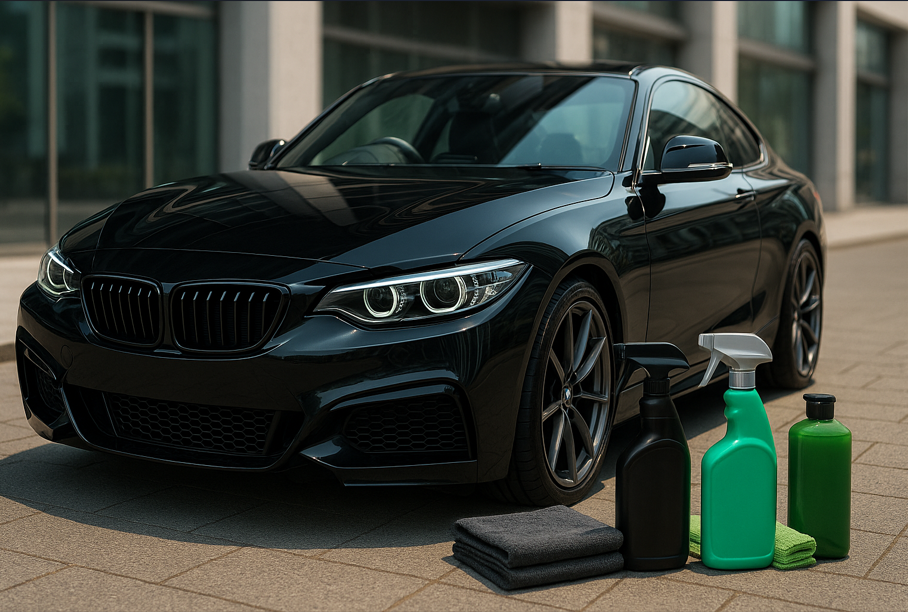
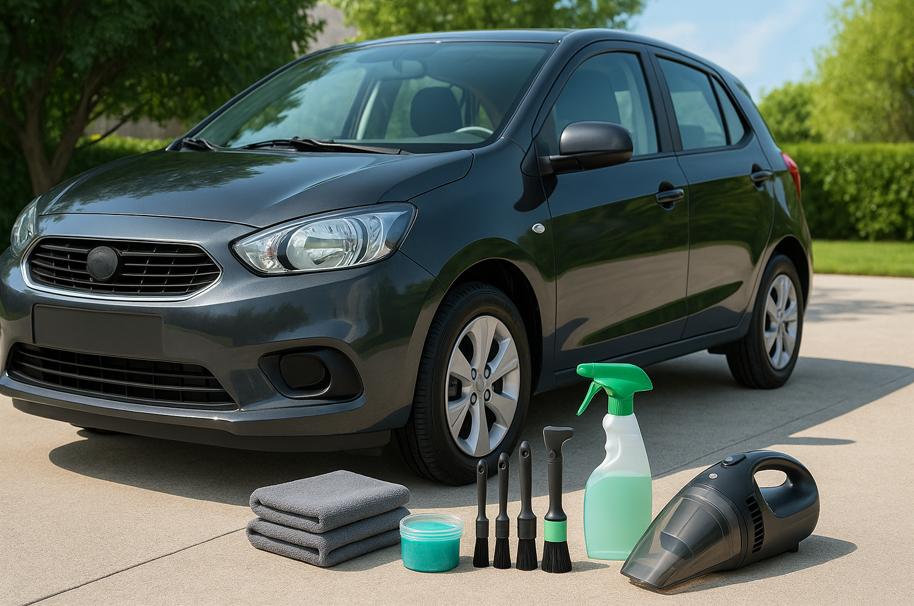
Many try common items like vegetable oil, peanut butter, or rubbing alcohol. These can soften the tar for easier removal. Some use baking soda mixed with water as a gentle scrub. Others prefer commercial tar removers available at auto stores. Each solution works differently based on the tar type and surface.
Step-by-step Removal Process
Start by washing the area to remove dirt. Apply the chosen solution and let it sit for a few minutes. Gently rub with a soft cloth or sponge. Repeat until the tar loosens and comes off. Rinse thoroughly and dry the spot to check results. Avoid harsh scrubbing that could damage paint.
Potential Risks
DIY methods may harm your car’s paint or clear coat. Strong chemicals or scrubbing can cause scratches or discoloration. Incomplete removal might leave sticky residues attracting dirt. Using too much pressure may chip or peel paint. Test solutions on a small hidden area first.
Time Investment
Removing tar yourself can take from 30 minutes to several hours. Time depends on tar size, solution strength, and your experience. Multiple applications might be necessary. Patience is key to avoiding damage and fully cleaning the area. Rushing can lead to poor results.
Cost Of Materials
Most household items cost just a few dollars or are already at home. Commercial tar removers range between $5 and $20. You may need extra clothes, sponges, or gloves. Overall, DIY is cheaper upfront than professional services. But consider potential costs from mistakes or damage.
Comparing Effectiveness
Effectiveness is key when choosing between professional tar removal and DIY methods. Removing tar thoroughly without harming your vehicle matters. The results’ lasting power also affects overall satisfaction. Let’s explore how these two approaches compare in these important areas.
Removal Thoroughness
Professional tar removal usually achieves deeper cleaning. Experts use strong, safe solvents and tools to dissolve tar completely. DIY methods may miss stubborn spots. Home products often lack the power to break down thick tar layers. Professionals check every corner to ensure no residue remains. This thoroughness reduces the chance of tar reappearing.
Impact On Vehicle Paint
Professionals protect your paint during tar removal. They select products that remove tar without damaging the finish. Skilled technicians apply the right pressure and avoid harsh scrubbing. DIY attempts risk using abrasive materials or the wrong chemicals. This can cause scratches or dull spots. Professional care keeps your paint smooth and glossy after cleaning.
Durability Of Results
Professional tar removal offers longer-lasting results. The deep cleaning and protective steps delay tar buildup. DIY methods may provide a quick fix, but tar returns faster. Without proper cleaning, tar sticks to surfaces and hardens again. Professionals often apply sealants or waxes to shield your vehicle. This extra layer helps maintain a clean look over time.
Cost Analysis
Understanding the costs involved in tar removal helps you make smarter choices. Comparing professional tar removal and DIY methods reveals clear differences in expenses. This cost analysis breaks down short-term and long-term costs, hidden fees, and overall value for money.
Short-term Vs Long-term Costs
DIY tar removal often looks cheaper at first. You buy products and tools once and apply them yourself. Professional services charge more upfront for labor and expertise. Yet, professional removal can save money later by preventing damage. DIY attempts risk harming paint, causing costly repairs. Professionals use safer methods that protect your vehicle over time. Consider if saving now might lead to higher costs later.
Hidden Expenses
DIY methods may require extra spending you don’t expect. You might buy multiple products to find one that works. Some tools wear out quickly and need replacement. Time spent on DIY is valuable and often overlooked. Professional services include all necessary materials and expertise at one price. They handle waste disposal and cleanup, too. Hidden costs add up faster than most people realize.
Value For Money
Professionals deliver thorough cleaning and protect your car’s finish. They reduce the risk of damage and save time. DIY saves money only if done correctly and carefully. Poor DIY results can lower your car’s value. Professional tar removal offers peace of mind and lasting results. It often provides better value despite a higher initial cost. Choose the option that best fits your budget and needs.
Safety Considerations
Safety is a key factor in choosing between professional tar removal and the DIY method. Tar removal involves harsh chemicals and physical scrubbing. These can harm your skin, car surface, and the environment if not handled properly. Understanding the safety risks helps you decide the best approach.
Chemical Exposure Risks
Professional tar removers use strong chemicals designed for safe use. They wear protective gear to avoid skin and eye contact. DIY methods often use household products that can irritate skin or cause allergic reactions. Without proper protection, chemical exposure can lead to burns or respiratory issues.
Damage Prevention
Professionals know how to remove tar without harming your car’s paint. They use the right tools and techniques to protect surfaces. DIY attempts can lead to scratches, discoloration, or paint peeling. Improper scrubbing or harsh chemicals can cause permanent damage to your vehicle.
Environmental Impact
Professional services follow rules for disposing of chemical waste safely. They prevent harmful substances from entering soil and water. DIY removal may result in chemicals washing into drains or gardens. This can pollute the environment and harm plants and wildlife.
When To Choose Professional Service
Choosing between professional tar removal and DIY methods depends on the situation’s complexity. Some cases require expert skills and tools for safe and effective cleaning. Knowing when to hire a professional saves time and protects your vehicle’s surface.
Heavy Tar Build-up
Heavy tar build-up often covers large areas and sticks firmly. DIY methods may struggle to remove thick layers without damaging paint. Professionals use special solvents and techniques to break down tough tar safely. They clean deep stains that home products cannot handle well.
Lack Of Proper Equipment
Effective tar removal needs specific tools and products. Many DIY kits lack strong solvents or the right applicators. Professionals have industrial-grade equipment like pressure washers and specialized cleaners. These tools ensure thorough removal without harming your car’s finish.
Desire For Warranty Or Guarantee
Professional services often come with warranties or satisfaction guarantees. This gives peace of mind if tar reappears or damage occurs. DIY removal carries risks of improper cleaning and no refunds. Choosing a professional protects your investment with trusted results.
Tips For Effective Diy Removal
Removing tar from your vehicle at home can save money and time. Success depends on using the right methods and products. Careful steps reduce damage to your car’s paint. Follow clear tips for effective DIY tar removal.
Selecting The Right Products
Choose products made specifically for tar removal. Avoid harsh chemicals that harm paint or plastic. Look for gentle yet strong tar removers. Check product reviews and instructions carefully. Use gloves to protect your skin during application.
Proper Application Techniques
Apply the product on cool surfaces only. Spray or dab the remover directly on tar spots. Let it sit for the recommended time. Use a soft cloth or sponge to gently rub the tar. Avoid scrubbing hard, which can scratch the paint. Rinse the area well with water after removal.
Post-removal Care
Clean the treated area with soap and water. Dry it completely with a microfiber towel. Apply a layer of wax or sealant to protect the paint. This restores shine and prevents future tar buildup. Check the area regularly to catch new tar early.
Frequently Asked Questions
What’s The Best Tar Removal Technique?
The best tar removal technique uses a professional tar remover combined with gentle scrubbing. Avoid harsh chemicals to protect surfaces. For heavy tar, a pressure washer with a proper angle safely lifts tar without damage. Always follow product instructions for effective, safe results.
What Is The Best Way To Remove Roofing Tar?
Use a commercial tar remover or mineral spirits to soften roofing tar. Apply gently with a cloth, then scrub and rinse thoroughly. Avoid harsh tools to protect shingles. Repeat if necessary for stubborn spots.
What Is The Best Product To Remove Tar From Your Car?
The best product to remove tar from your car is a dedicated tar remover like Meguiar’s Heavy Duty Bug & Tar Remover. It effectively dissolves tar without damaging paint. Apply, let it sit briefly, then wipe off with a microfiber cloth for best results.
What Is The Best Way To Remove Tar From Skin?
Apply baby oil, olive oil, or petroleum jelly to the tar. Rub gently with a soft cloth. Wash skin with soap and warm water afterward. Repeat if needed until the tar fully loosens and removes. Avoid harsh scrubbing to prevent skin irritation.
Conclusion
Choosing between professional tar removal and DIY methods depends on your needs. Professionals offer fast, safe, and effective results. DIY methods save money but might risk damage if done wrong. Simple tar spots can be treated at home with care.
Large or stubborn tar patches require expert tools and skills. Prioritize protecting your vehicle’s finish during removal. Clean your car regularly to avoid tough tar buildup. Both approaches have pros and cons to consider. Decide based on your budget, time, and tar severity.
Clean car, happy ride.














