
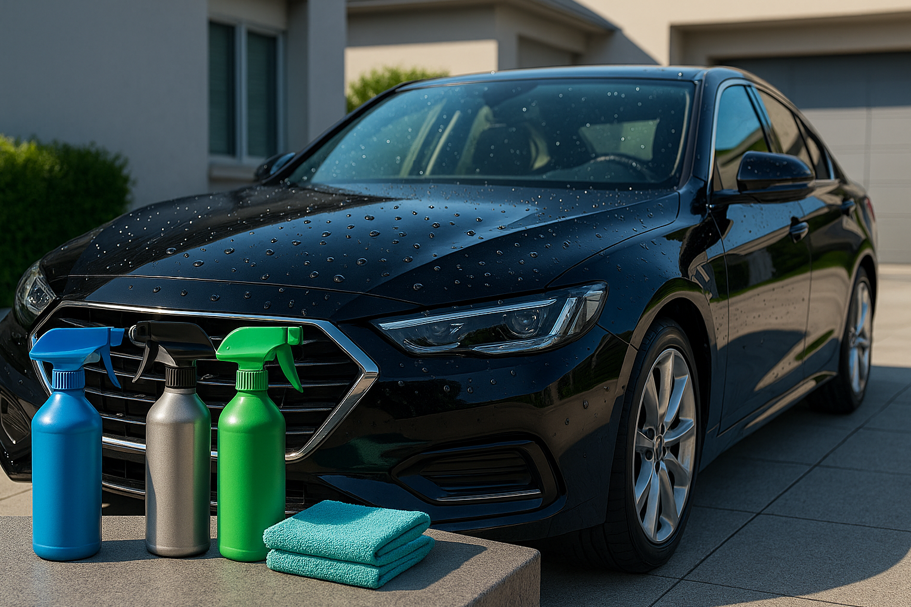
When it comes to keeping your car spotless, you might wonder: should you reach for a tar remover or a bug remover? Both sound similar, but they tackle very different challenges on your vehicle’s surface.
If you’ve ever struggled to get rid of stubborn tar spots or sticky bug splatters, you know how frustrating it can be. Choosing the right product is key—not only to restore your car’s shine but also to protect its paint from damage.
You’ll discover the key differences between tar removers and bug removers, helping you make smart choices that save time and effort. Ready to learn which remover suits your needs best? Keep reading to find out!
Differences In Composition
Understanding the differences in composition between tar removers and bug removers helps choose the right product. Both are designed to clean vehicles but use distinct formulas. These formulas target different types of contaminants and work in unique ways.
Chemical Makeup
Tar removers contain strong solvents that dissolve sticky, oily substances. These solvents break down the thick, tar-like residue left by road grime. They often include petroleum-based ingredients that can cut through tough tar effectively.
Bug removers have gentler, bio-based chemicals. These formulas focus on breaking down protein-based residues from insects. They often contain enzymes or mild surfactants that safely dissolve bug splatter without harming paint.
Targeted Contaminants
Tar removers specifically target asphalt, road tar, and sticky substances. They work best on hardened, sticky patches that regular soap cannot remove. Tar removers can handle heavy, stubborn stains caused by construction or road debris.
Bug removers focus on organic materials like insect remains and sap. Bugs leave behind tough stains that require special chemicals to break down their proteins. Bug removers clean these spots gently, preventing paint damage and discoloration.

Effectiveness On Various Stains
Different stains require different cleaning products for the best results. Tar removers and bug removers target specific types of residues on vehicles. Knowing their effectiveness on various stains helps to choose the right product. This section explains how each remover works on common stubborn stains.
Removing Tar
Tar is a sticky, oily substance from roads. Tar removers use strong solvents to dissolve it quickly. They break tar down without harming the vehicle’s paint. Bug removers can work on tar, but may need more time or effort. Tar removers provide faster, more effective cleaning for thick tar spots.
Eliminating Bug Residue
Bug residue is made of protein and organic matter. Bug removers contain enzymes and mild solvents to dissolve these residues. They soften bug stains, making removal easy with a cloth or sponge. Tar removers can remove bugs, but might not be as gentle. Bug removers are best for delicate bug stains and quick cleanup.
Handling Tree Sap And Other Stubborn Stains
Tree sap is sticky and hard to remove. Tar removers work well on sap because of their strong solvents. Bug removers may struggle with sap, but can help soften it after repeated use. Other stains, like glue or adhesive, respond better to tar removers. For tough stains, tar removers show higher effectiveness and faster results.
Application Techniques
Application techniques for tar remover and bug remover differ due to the nature of the substances they target. Proper application ensures effective cleaning without damaging your vehicle’s surface. Understanding these techniques helps you choose the right product and use it correctly.
Usage Instructions
Apply tar remover to the affected area using a soft cloth. Let it sit for a few minutes to dissolve the tar. Gently rub in circular motions until the tar softens and lifts off. Wipe away residue with a clean cloth. Rinse the area with water to remove any leftover product.
For bug remover, spray the product directly onto bug spots. Allow it to soak for a short time. Use a microfiber cloth or sponge to wipe away the bugs carefully. Avoid scrubbing hard to prevent paint damage. Finish by rinsing with water to clear residue.
Recommended Tools
Soft microfiber cloths work best for both tar and bug removers. They prevent scratches during cleaning. Foam applicators help spread the remover evenly on stubborn spots. Spray bottles allow controlled application of bug remover. Use a gentle sponge for delicate surfaces. Avoid abrasive tools like brushes or rough sponges.
Safety Precautions
Always test the remover on a small, hidden area first. Check for any paint discoloration or damage. Work in a well-ventilated area to avoid inhaling fumes. Wear gloves to protect your skin from chemicals. Keep products away from children and pets. Follow the manufacturer’s instructions strictly for safe use.
Impact On Vehicle Surfaces
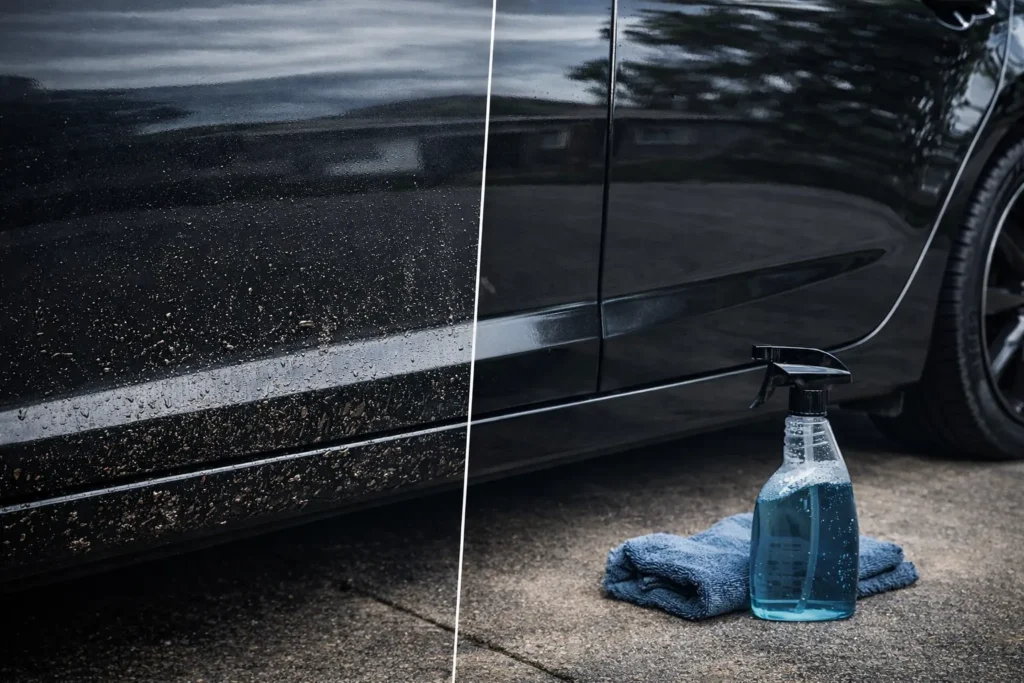
Vehicle surfaces need special care during cleaning. Tar removers and bug removers target different contaminants. Each product affects paint and coatings uniquely. Choosing the right remover helps protect your car’s finish and appearance.
Paint Compatibility
Tar removers often contain strong solvents to break down sticky tar. These solvents can be harsh on delicate paint finishes. Always test on a small, hidden area first. Bug removers usually have gentler formulas. They focus on organic residues like bug splatter, which are less stubborn than tar. Using the wrong remover may cause fading or damage to your car’s paint.
Sealant Bonding Considerations
Proper surface cleaning is essential before applying paint sealants. Tar residues can prevent sealants from bonding evenly. Tar removers help remove these oily substances completely. Bug residues also interfere with sealant adhesion but require different chemicals. Bug removers clear these organic materials effectively. Removing both tar and bugs ensures sealants stick properly, protecting your paint longer.
Product Types And Brands
Choosing between tar removers and bug removers depends on the product types and brands available. Each product targets specific stains, but some brands offer versatile solutions. Understanding these options helps pick the right cleaner for your vehicle.
Popular Tar Removers
Tar removers specialize in dissolving sticky road tar and asphalt. These products often come in sprays, gels, or liquids. Popular brands include Turtle Wax, Meguiar’s, and Stoner. They focus on breaking down petroleum-based residues without harming paint.
Leading Bug Removers
Bug removers target organic stains like bug splatter and insect residue. Many come as foams or sprays for easy application. Brands such as Rain-X, Chemical Guys, and Griot’s Garage lead this category. Their formulas soften bug remains for gentle removal.
Combined Bug And Tar Removers
Some products handle both tar and bugs in one formula. These combined removers save time and effort by treating multiple stains at once. Turtle Wax Bug & Tar Remover and Goof Off Bug & Tar Remover are popular choices. They provide effective cleaning for varied contaminants.
When To Use Each Remover
Choosing the right remover depends on the type of stain on your vehicle. Tar and bugs are common but need different treatments. Understanding when to use each product helps protect your car’s finish. Here is a guide to help you decide.
Situations Favoring Tar Remover
Tar remover works best on sticky, black tar spots. These come from road spills or construction areas. Tar is thick and oily, so you need a strong solvent. Use tar remover before washing your car to loosen the tar. It prevents scratching the paint during cleaning. Tar remover is ideal for fresh or hardened tar.
Scenarios For Bug Remover
Bug remover targets dead insects stuck on your car’s surface. Bug stains are often acidic and can damage paint if not removed soon. Use bug remover after long drives or summer trips. It softens bug residue, making it easier to wipe off. Bug remover also helps clean bug guts on grills and mirrors.
Benefits Of Combined Products
Some products remove both bugs and tar in one step. They save time and reduce the number of cleaners needed. Combined removers are useful if your car has mixed stains. These products work gently to protect paint and clear tough spots. They are a good choice for regular maintenance and quick cleanups.
Cost And Availability
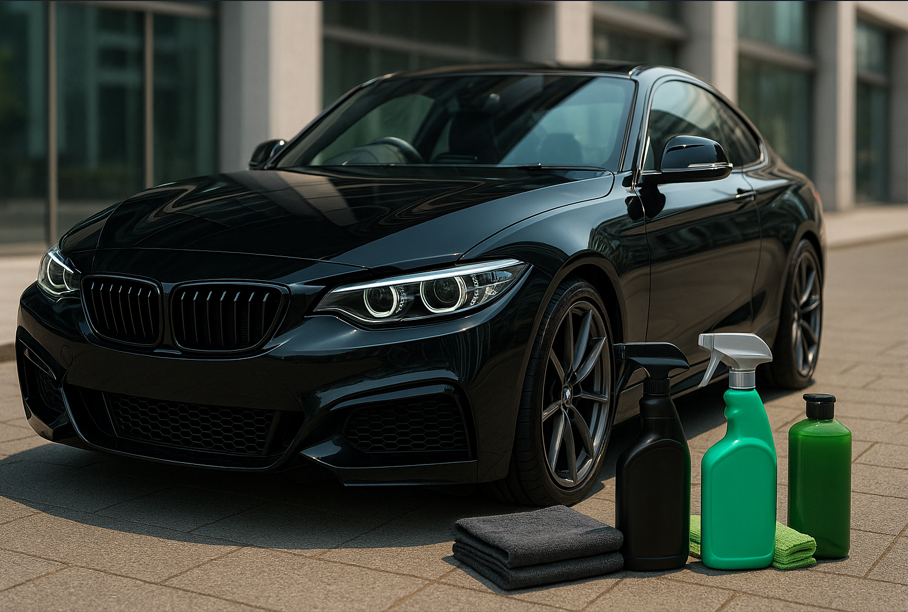
Cost and availability are important factors in choosing between tar remover and bug remover. These products differ in price and where you can buy them. Knowing these details helps you pick the right product for your needs and budget.
Price Comparison
Tar removers usually cost more than bug removers. Tar is harder to remove, so the chemicals used are stronger and pricier. Bug removers tend to be cheaper because bugs are easier to clean off.
Prices vary by brand and size. Smaller bottles cost less but may not last long. Larger containers offer better value but need a bigger upfront spend.
Where To Buy
Both tar and bug removers are available in many places. Auto parts stores and big retail chains often stock these products. Online stores provide a wide selection and customer reviews.
Some local shops may only carry one type. Tar removers might be less common in small stores. Bug removers are easier to find due to higher demand.
Maintenance Tips
Maintaining your vehicle’s exterior after removing tar or bugs is crucial. Proper care helps keep surfaces clean longer. It also prevents damage from stubborn stains. Follow these maintenance tips to protect your car’s paint and finish.
Preventing Future Stains
Act quickly to clean bug splatters and tar spots. The longer they stay, the harder they become to remove. Park in shaded or covered areas to reduce exposure to insects and tree sap. Applying a protective wax or sealant creates a barrier. This barrier makes stain removal easier and protects paint from damage.
Regular Cleaning Routines
Wash your vehicle regularly with mild soap and water. Avoid harsh chemicals that can strip wax or damage paint. Use a soft cloth or sponge to gently remove dirt and grime. Inspect the surface for early signs of tar or bug buildup. Clean problem areas immediately using the right remover product. Consistent cleaning keeps your car looking fresh and shiny.
Frequently Asked Questions
Is Bug Remover The Same As Tar Remover?
Bug remover and tar remover often combine in one product. Both target different residues but many formulas remove bugs and tar effectively.
Do I Need Bug And Tar Remover?
Yes, use bug and tar remover to effectively eliminate stubborn bugs, tar, sap, and stains. It prevents damage and ensures sealants bond properly.
Can Bug And Tar Remover Remove Sap?
Yes, bug and tar remover effectively removes tree sap. It dissolves sticky residues, making sap easy to wipe off without residue.
Does Tar Remover Work For Bugs?
Yes, tar remover works for bugs by breaking down their residue for easy removal. Some products target both effectively.
Conclusion
Choosing between tar remover and bug remover depends on your cleaning needs. Tar remover targets sticky, petroleum-based spots. Bug remover focuses on organic residues like bug splatters. Some products combine both functions for convenience. Always read labels to ensure proper use.
Using the right remover protects your vehicle’s paint. Clean surfaces help maintain your car’s shine longer. Regular cleaning prevents buildup and damage. Keep your car looking fresh and well cared for. Simple steps make a big difference in car care.














