When it comes to removing stubborn tar from your vehicle, you might not realize how important the pH level of the tar remover is for protecting your car’s paint. You want a product that’s strong enough to break down tough grime but gentle enough to keep your paint safe and looking flawless.
Understanding pH levels in tar removers can make all the difference between a clean finish and costly damage. You’ll discover why pH matters, how to choose the right tar remover, and simple tips to keep your paint in top shape.
Keep reading to learn how to get powerful cleaning results without risking your car’s appearance.
Ph Basics In Cleaning
Understanding pH is key to effective cleaning, especially for tar removers and paint safety. pH measures how acidic or alkaline a substance is. This affects how well a cleaner works and how safe it is for surfaces like car paint.
Knowing the pH basics helps choose the right product. It also prevents damage to delicate finishes. Let’s explore the core concepts of pH in cleaning solutions.
Acidic Vs Alkaline Properties
Acidic cleaners have a pH less than 7. They break down mineral deposits and rust. Alkaline cleaners have a pH above 7. They dissolve grease, oils, and tar effectively.
Each type targets different stains. Acidic products work well on inorganic buildup. Alkaline solutions excel at cutting through organic dirt and grime.
How pH Affects Cleaning Power
Higher pH cleaners remove oily and sticky substances faster. They break down tough tar and road grime efficiently. Lower pH cleaners are gentler and suit sensitive surfaces.
Using the wrong pH can harm paint or leave residues. Balanced pH ensures strong cleaning without damage. This balance is crucial for automotive detailing.
Common pH Ranges in Tar Removers
Most tar removers are alkaline, with pH between 9 and 12. This range dissolves sticky tar and sap without harsh chemicals. Some products are closer to neutral pH for safer use.
Always check the pH before applying. A proper pH range protects paint and clear coats. It also improves cleaning results and ease of use.
Tar Removers And pH Levels
Understanding the pH levels in tar removers is essential for effective cleaning and paint safety. Tar removers vary in their chemical makeup, especially in pH, which affects both their cleaning power and potential risks. Knowing how pH influences these products helps protect your vehicle’s paint while removing tough tar stains.
Alkaline Cleaners For Tar Removal
Alkaline cleaners usually have a high pH, above 9. They break down oils, grease, and tar effectively. These cleaners dissolve sticky substances fast, making tar removal easier. Many tar removers use alkaline formulas to tackle road grime and tree sap. Their strong action helps clean engine bays and undercarriages, too.
Risks of High pH Products
High pH products can be harsh on paint surfaces. They may cause fading or dullness if left too long. Some alkaline cleaners can strip wax or sealant layers. Using strong alkaline cleaners often requires caution and quick rinsing. Avoid applying these products to sensitive materials like natural stone or clear coat paint.
Selecting pH Balanced Tar Removers
Choosing tar removers with balanced pH protects paint and finishes. Neutral or slightly alkaline products clean tar gently without damage. These removers maintain the shine and protect wax coatings. Always check the pH level before buying tar removers for safe use. pH-balanced cleaners offer effective tar removal with less risk.
Paint Safety And Ph
Understanding paint safety means knowing how pH levels affect car surfaces. Tar removers vary in pH, and this impacts paint quality. Using the right pH cleaner keeps your paint safe and looking new. This section explains the link between paint safety and pH levels.
Impact of pH on Paint Finishes
Paint finishes react differently to acids and bases. Low pH (acidic) products can dull or etch paint. High pH (alkaline) cleaners may strip wax or damage clear coats. Balanced pH levels protect paint’s shine and texture. Always choose tar removers with safe pH ranges for your car’s finish.
Ph Neutral Vs Harsh Cleaners
pH-neutral cleaners have a balanced level, usually around 7. They clean gently without harming paint or clear coats. Harsh cleaners have very high or very low pH values. These can cause fading, cracking, or corrosion on paint surfaces. For regular cleaning, pH-neutral products are safer and better.
Protecting Paint From Corrosion
Corrosion starts when paint reacts with strong acids or bases. This weakens the paint and exposes the metal underneath. Using tar removers with proper pH prevents this damage. Always rinse thoroughly after cleaning to remove any leftover chemicals. Protect your paint by choosing tar removers designed for automotive finishes.
Popular Cleaning Agents
Popular cleaning agents vary widely in their pH levels and applications. Understanding these differences helps protect your car’s paint while effectively removing tar and grime. Some household products work well, but their pH can affect paint safety. Specialized automotive products offer targeted cleaning with balanced pH levels. Knowing the pH of these cleaners aids in choosing the right one for your needs.
Dawn Dish Soap pH and Uses
Dawn dish soap has a mildly alkaline pH, usually around 9 to 10. This alkalinity helps cut through grease and oil effectively. It is popular for cleaning engine bays and removing road tar. Use Dawn with care on delicate surfaces like car paint. Its alkaline nature can strip wax or sealants if overused. For sensitive finishes, a pH-neutral cleaner is safer. Dawn remains a go-to for tough grease and dirt removal.
Windex And Other Household Cleaners
Windex has a pH close to 9, making it mildly alkaline. It works well for glass and plastic surfaces. Using Windex on painted surfaces requires caution. Its chemicals may dull or damage paint over time. Other household cleaners often range from acidic to alkaline. Always check the pH before applying on car paint. Household products may clean tar, but risk harming the finish.
Automotive Specific Ph Products
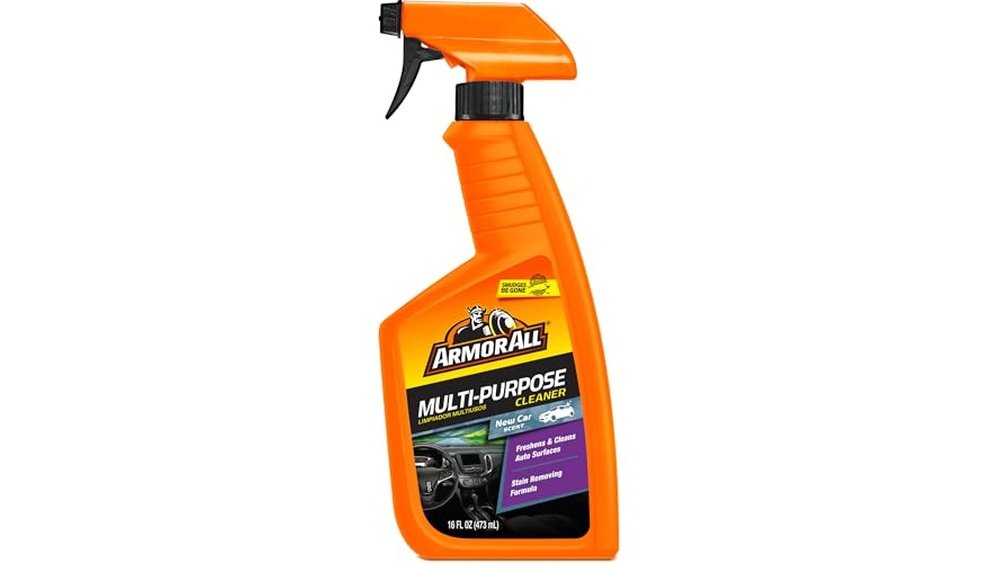
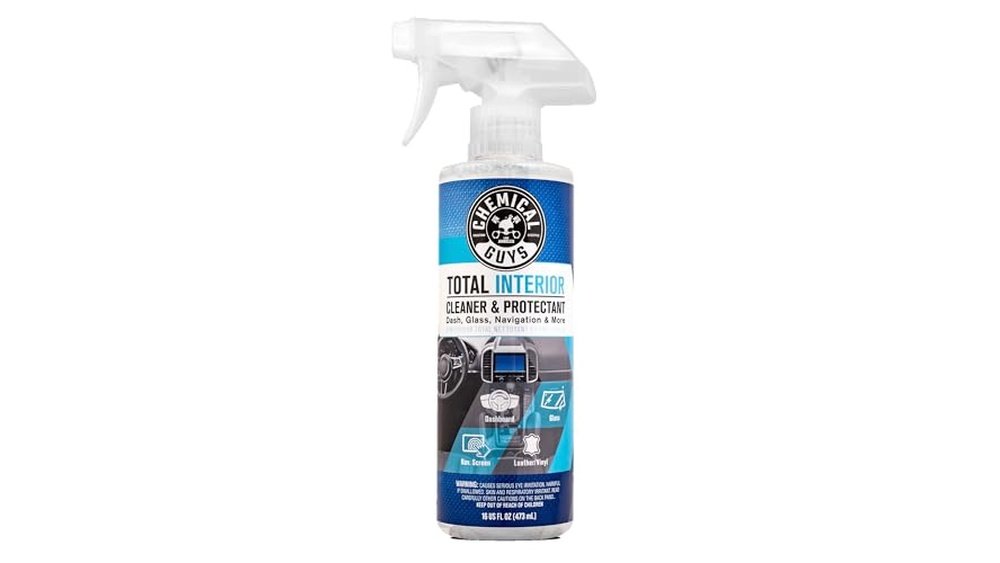
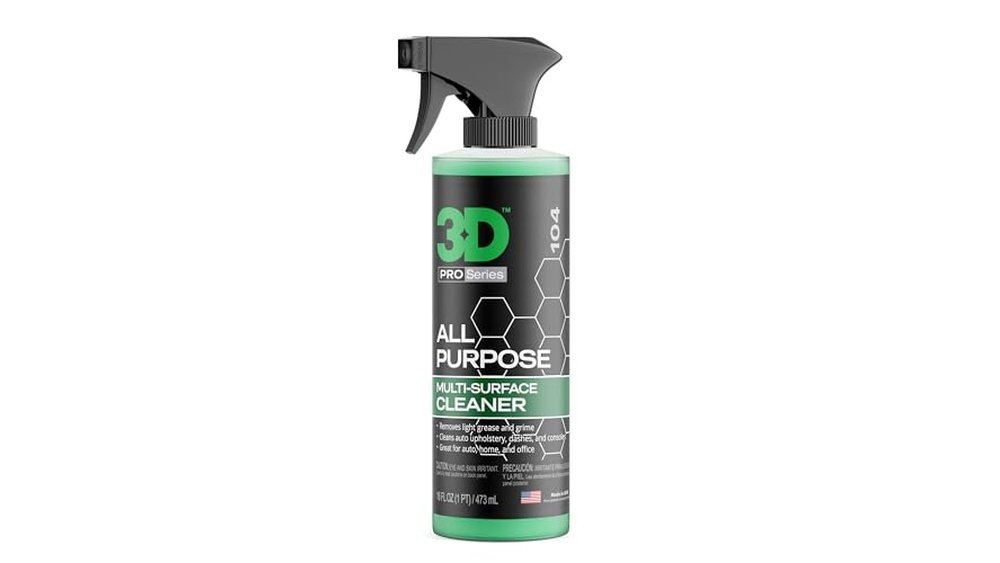
Automotive tar removers and cleaners are designed with balanced pH levels. Many have a neutral or slightly alkaline pH to protect paint. These products target tar, sap, and tough grime without causing damage. They often contain additives to protect wax or sealants. Using automotive-specific products reduces the risk of paint harm. They provide effective cleaning while maintaining the vehicle’s shine.
Choosing The Right Cleaner
Choosing the right tar remover is key to protecting your paint and surfaces. The pH level of a cleaner tells you how acidic or alkaline it is. This factor can affect both cleaning power and safety. A balanced pH keeps surfaces safe from damage. Knowing which pH suits your surface helps you pick the best product. Here are some important points to consider.
Matching Ph To Surface Type
Different surfaces need different pH levels in cleaners. Acidic cleaners have a low pH and work well on mineral deposits but may harm delicate paint. Alkaline cleaners have a high pH and remove grease and tar easily. Neutral pH cleaners are gentle and safe for most paints and finishes. Always check the cleaner’s pH and match it to your surface type to avoid harm.
Avoiding Damage With Proper Ph
Using the wrong pH cleaner can cause paint to fade or peel. Strong acids or bases can eat away at wax or sealants. This leads to costly repairs or repainting. A cleaner with balanced pH removes tar without stripping protective layers. Test a small area first to ensure no damage occurs. Choose products labeled safe for automotive paint.
Tips For Safe Application
Apply tar removers in a shaded, cool area to prevent quick drying. Use soft cloths or sponges to avoid scratching. Follow the manufacturer’s instructions on dilution and contact time. Rinse thoroughly with water after cleaning to remove any residue. Wear gloves to protect your skin from harsh chemicals. Proper care during application keeps your vehicle’s finish in top shape.
Testing And Measuring Ph
Testing and measuring pH levels in tar removers and paint safety products is crucial. The pH level indicates how acidic or alkaline a substance is, affecting its safety and effectiveness. Understanding pH helps prevent damage to car paint and ensures safe handling.
Proper pH testing guides you in choosing the right product and using it correctly. It also helps avoid unwanted reactions or harm to surfaces. Let’s explore simple ways to test, read, and adjust pH for safer use.
How To Test pH Levels At Home
Use pH test strips or a digital pH meter for quick results. Dip the strip in the tar remover or paint solution. Wait a few seconds for the color to change. Match the color to the chart provided. A digital meter gives a direct number for more accuracy.
Test in a clean container to avoid contamination. Repeat tests to confirm consistent results. Testing at home is easy, fast, and requires minimal tools.
Interpreting Ph Results
pH ranges from 0 to 14. A pH below 7 means the product is acidic. Above 7 means it is alkaline. Exactly 7 means neutral. Tar removers often have a higher pH to remove grease effectively. Paint-safe products usually stay near neutral to avoid damage.
High acidity or alkalinity can harm paint or skin. Knowing the pH helps you decide if the product suits your needs. Always read labels and test before use.
Adjusting pH for Safer Use
Adjust pH by adding water or a neutralizing agent. Diluting the product lowers the strong acidity or alkalinity. Use distilled water for best results. Neutralizing agents balance pH without reducing cleaning power.
Test pH again after adjustment to confirm safety. Proper pH adjustment protects paint and reduces skin irritation. Follow product guidelines and safety tips while handling chemicals.
Environmental And Safety Concerns
Understanding the environmental and safety concerns related to pH levels in tar removers and paint safety is crucial. These chemicals impact not only the surfaces they clean but also the environment and human health. Improper pH levels can cause harm to skin, eyes, and even damage the painted surfaces they are meant to protect.
Awareness of hazardous pH ranges helps users select safer products. Proper disposal and adherence to regulations reduce environmental risks. This section highlights key points to consider for safe use and handling.
Hazardous pH Levels To Avoid
Strongly acidic or alkaline substances can cause serious burns. pH levels below 3 or above 11 are usually dangerous for skin contact. These extremes may also degrade paint finishes or harm plants and wildlife. Avoid products with extreme pH values unless proper protection is used.
Safe Disposal Of Ph Chemicals
Do not pour tar removers or paint cleaners directly into drains. These substances can contaminate water sources and harm aquatic life. Follow local guidelines for hazardous waste disposal. Use designated collection points or hazardous waste services to dispose of chemicals safely.
Regulations on pH in Cleaning Products
Many countries regulate pH levels in consumer cleaning products. These rules ensure products are safe for users and the environment. Manufacturers must label pH values and provide safety instructions. Complying with these regulations helps protect public health and prevent pollution.
Frequently Asked Questions
Is Tar Remover Acidic Or Alkaline?
Tar remover is typically alkaline. It has a high pH to effectively dissolve grease, oils, and tar residues. Alkaline formulas break down stubborn organic stains and road tar efficiently. This makes them ideal for cleaning engines, vehicles, and tough surfaces without acidic damage.
What Ph Level Is Considered Hazardous?
A pH level below 2 or above 12. 5 is considered hazardous. Such extremes cause chemical burns and damage. Handle with care and proper protection.
Is Dawn Dish Soap a pH-neutral Cleaner?
Dawn dish soap is not pH neutral; it is slightly alkaline to boost its grease-cutting power. Use caution on sensitive surfaces.
What is the actual pH of Windex?
The actual pH of Windex is approximately 9. 0, making it mildly alkaline and effective for cleaning glass surfaces.
Conclusion
Choosing the right pH level in tar removers protects your car’s paint. Low or high pH cleaners can damage finishes or leave stains. Always select products balanced for safety and effectiveness. Test on a small area before full use to avoid surprises.
Proper care keeps your vehicle looking fresh and shiny longer. Understanding pH helps you maintain paint without harm. Simple steps ensure both clean tar removal and paint protection. Stay informed and gentle for the best results every time.