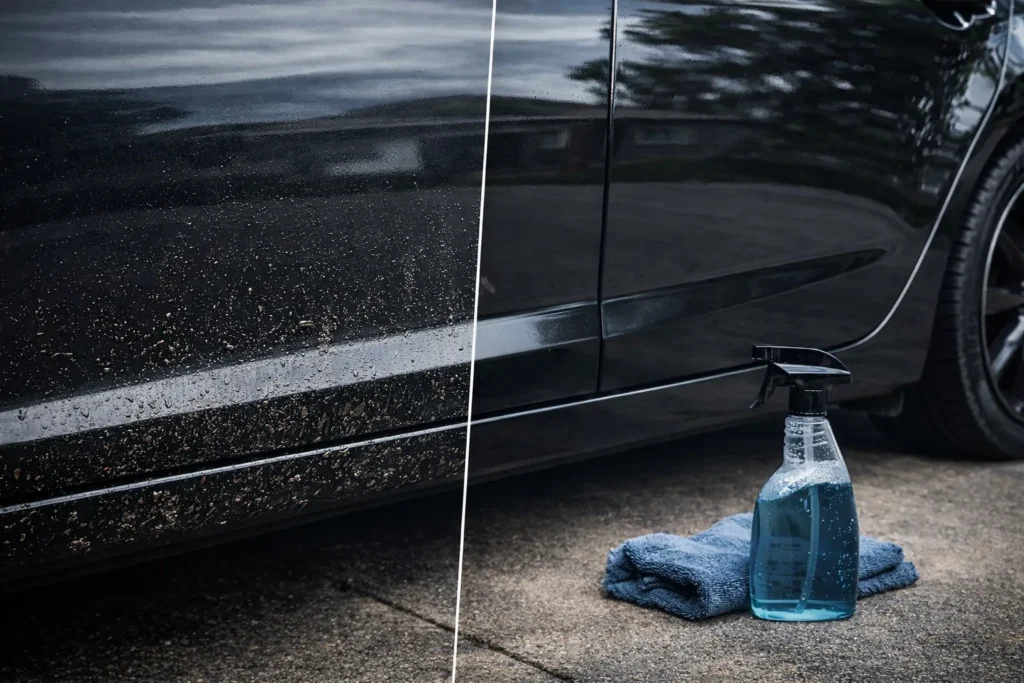
If you own a white car, you know how stubborn tar spots can ruin its spotless shine. Tar not only looks unsightly but can also damage your paint if left untreated.
You might be wondering how to safely and effectively get rid of those sticky tar stains without harming your car’s delicate white finish. The good news is, using tar remover the right way can restore your car’s pristine look quickly and easily.
Keep reading, and you’ll discover simple, step-by-step tips to tackle tar spots like a pro—protecting your paint and keeping your white car gleaming every time you hit the road.
Choosing The Right Tar Remover
Choosing the right tar remover for your white car is important. The wrong product can harm your paint or leave stains. Knowing different types of tar removers helps you pick one that cleans well and protects your car’s finish. Some removers work better on white paint. Others may be too harsh and cause damage. You can also use simple DIY alternatives that are gentle and effective. This guide will help you understand your options and select the best tar remover for your white car.
Types Of Tar Removers
Tar removers come in various forms. Solvent-based removers dissolve tar quickly. They are strong but can be risky for delicate paint. Water-based removers are gentler and safer for most cars. Aerosol sprays are easy to apply and good for small spots. Some products include added conditioners to protect paint while cleaning. Always check the label for usage instructions and safety information.
Safe Options For White Paint
White paint is more prone to showing stains and discoloration. Choose tar removers labeled safe for painted surfaces. Products with mild solvents or water-based formulas reduce risk. Avoid abrasive cleaners or harsh chemicals. Test the product on a small hidden area before full use. Look for removers that also clean without stripping wax or sealants. This keeps your white car shiny and protected.
DIY Alternatives
Simple home items can remove tar gently. Baby oil softens tar and makes it easy to wipe away. Mix baby oil with a soft cloth and rub the tar spot carefully. Dish soap like Dawn cuts through grease and cleans tar residues. Use warm water with soap on a microfiber cloth. Always rinse the area well after cleaning. These options cost less and are safe for white paint.
Preparing Your Car
Preparing your white car before using tar remover is essential for the best results. A clean and well-prepared surface ensures the tar remover works effectively without damaging the paint. Take your time to prepare the car properly to protect the finish and make the process smoother.
Washing The Surface
Start by washing your car with a mild soap and water. This removes dirt, dust, and grime that can scratch the paint during tar removal. Use a soft sponge or microfiber cloth to avoid damage. Rinse thoroughly and dry the surface with a clean towel.
Spot Testing The Product
Test the tar remover on a small, hidden area first. This step checks if the product reacts well with your car’s paint. Apply a small amount and wait a few minutes. If there is no discoloration or damage, it is safe to use on visible tar spots.
Gathering Necessary Tools
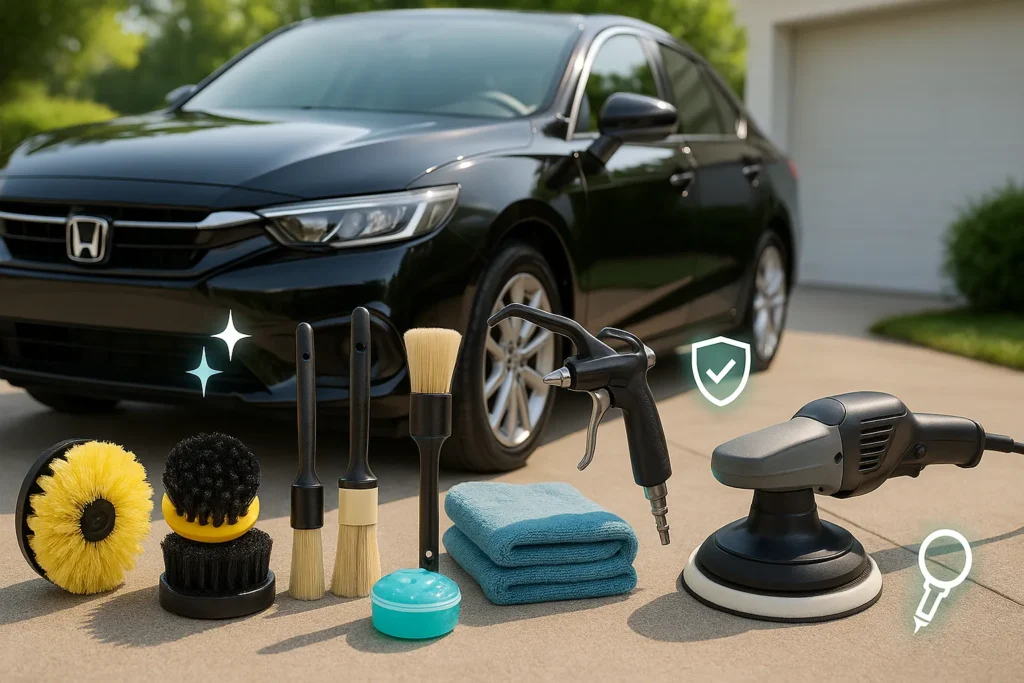
Collect all tools before starting. You will need tar remover, microfiber cloths, gloves, and a bucket of water. Having everything ready saves time and helps you work carefully. Avoid using abrasive materials that can scratch the paint.
Applying Tar Remover
Applying tar remover on a white car requires care and the right technique. The goal is to remove tar without damaging the paint. Follow these steps carefully to protect your car’s finish while cleaning off stubborn tar spots.
Using Microfiber Cloths
Choose soft microfiber cloths for applying tar remover. These cloths are gentle on paint and help avoid scratches. Avoid rough or abrasive materials. Dampen the cloth slightly before use. This helps the remover spread evenly on the tar spots. Use a fresh cloth for each section to prevent spreading dirt.
Dabbing Vs. Rubbing
Dabbing the tar remover onto the spots works best. Gently press the cloth on the tar to let the remover soak in. Avoid heavy rubbing that can scratch or wear down paint. After dabbing, wait a moment to let the product break down the tar. Then, use light, circular motions to lift the tar away. Patience is key for a clean, scratch-free result.
Timing And Waiting Period
Allow the tar remover to sit on the surface for a short time. Usually, 2 to 5 minutes is enough. This waiting period lets the remover soften the tar. Do not let it dry on the paint, as it may leave marks. After the wait, wipe the area gently with a clean cloth. Repeat the process if tar remains. Rinse the area well after removing all tar traces.
Removing Tar Residue
Removing tar residue from a white car requires care and the right method. Tar can stick firmly to the paint, making it tricky to remove without damage. Using a tar remover helps break down the sticky substance safely. Follow these steps to clean your car without harming its finish.
Wiping Techniques
Apply the tar remover to a soft microfiber cloth. Gently wipe the tar spots without scrubbing hard. Use circular motions to loosen the tar gradually. Avoid using abrasive materials that can scratch the paint. Change cloth sections often to prevent spreading tar.
Rinsing Thoroughly
After wiping, rinse the area with clean water. This removes any leftover tar remover and loosened tar particles. Use a gentle stream of water to avoid pushing tar deeper into the paint pores. Dry the surface with a soft towel to prevent water spots.
Dealing With Stubborn Spots
For tough tar patches, reapply the remover and let it sit for a few minutes. This softens the tar for easier removal. Use a plastic scraper carefully if needed, avoiding metal tools. Repeat wiping and rinsing until all residue disappears. Finish by washing the entire car to restore its shine.
Post-treatment Care
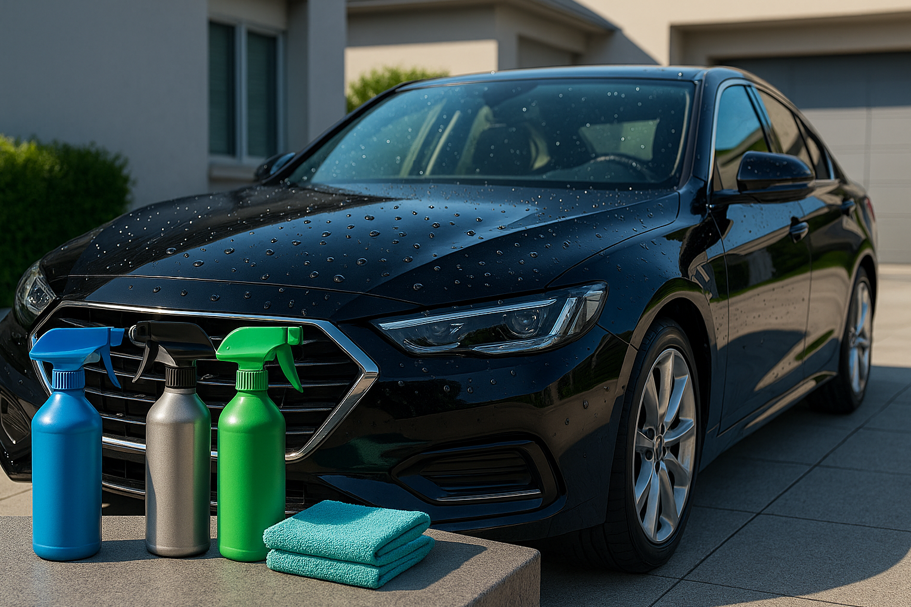
After using tar remover on your white car, taking care of the paint is essential. Post-treatment care helps keep your car’s surface clean and shiny. It also protects the paint from damage that tar remover might cause. Follow these steps to maintain your car’s finish and extend its life.
Washing The Entire Car
Wash your car thoroughly after tar removal. Use a gentle car shampoo and clean water. This removes any leftover tar remover and dirt. Avoid strong detergents that can strip wax or sealant. Use a soft cloth or sponge to protect the paint. Rinse well and dry with a clean microfiber towel.
Reapplying Wax Or Sealant
Tar removers can remove wax or sealant layers. Reapplying these protects your paint and keeps it shiny. Choose a wax or sealant suitable for white cars. Apply a thin, even layer over the entire surface. Let it dry, then buff gently with a soft cloth. This step seals the paint and adds a protective barrier.
Protecting The Paint Finish
Protecting your car’s paint finish helps prevent future damage. Park in shaded areas to avoid sun damage. Use a car cover if parking outdoors for long periods. Avoid harsh chemicals and abrasive materials on the paint. Regular cleaning and waxing keep the surface smooth and glossy. These habits extend the life of your white car’s finish.
Preventing Future Tar Build-up
Preventing tar build-up on white cars saves time and effort in cleaning. Tar spots stand out more on white paint, making prevention important. Taking simple steps protects your car’s finish and keeps it looking fresh longer.
Regular maintenance stops tar from sticking and damaging the paint. Use protective products and avoid risky driving areas to reduce tar deposits.
Regular Cleaning Routine
Wash your car often to remove dirt and tar early. Use gentle car shampoo and a soft cloth or sponge. Clean the wheels and lower panels well, as tar collects there. Dry the car with a microfiber towel to avoid water spots. A clean car prevents tar from bonding tightly to the paint.
Using Ceramic Coatings
Ceramic coatings add a strong layer over your paint. This layer repels tar, dirt, and water. It makes tar easier to wipe off without scrubbing. Professional application lasts longer and offers better protection. Apply ceramic coatings to keep your white car cleaner and shinier.
Avoiding Tar-prone Areas
Drive away from construction zones and freshly paved roads. These places have more tar particles in the air. Parking under trees or near busy roads increases tar exposure. Choose covered or clean parking spots when possible. Staying clear of tar-prone areas reduces the chance of build-up.
Common Mistakes To Avoid
Using tar remover on white cars requires care and attention. Many people make mistakes that can damage the paint or leave stains behind. Avoiding common errors ensures the tar comes off cleanly and safely. Here are key mistakes to watch out for during the process.
Overusing Harsh Chemicals
Applying too much tar remover can harm your car’s paint. Some removers contain strong solvents that strip wax and protective coatings. Use only the recommended amount on the label. Excess chemicals can cause discoloration or dull spots on white paint. Gentle application protects your car’s finish and keeps it looking bright.
Skipping Spot Tests
Always test the tar remover on a small, hidden area first. White paint can react differently to various products. A spot test shows if the remover causes fading or damage. Testing saves your car from costly repairs later. Wait a few minutes after applying to check for any negative reaction.
Neglecting Protective Measures
Wear gloves and work in a shaded area. Sunlight can cause the remover to dry too fast and leave marks. Protect nearby trim and rubber parts with tape to avoid damage. After removing tar, wash and wax the car to restore protection. Skipping these steps puts your car at risk of lasting damage.
Frequently Asked Questions
How To Get Tar Off A White Car?
Use a tar remover or mix dish soap with warm water. Gently dab tar spots with a microfiber cloth. Rinse and wash the car thoroughly. Reapply wax or sealant to protect the paint. Avoid scrubbing harshly to prevent damage.
How Do I Apply Tar Remover Correctly?
Apply tar remover directly onto tar spots using a microfiber cloth. Gently rub in circular motions until tar softens. Wipe off residue with a clean cloth. Rinse the area with water. Always follow product instructions and reapply wax or sealant to protect paint.
How Long To Leave A Tar Remover On A Car?
Leave tar remover on your car for 3 to 5 minutes. Avoid letting it dry to prevent damage. Always follow product instructions. Rinse thoroughly after application.
Will Dawn Dish Soap Remove Tar From Car?
Yes, Dawn dish soap can remove tar from cars by cutting through grease and oil. Use a microfiber cloth with soapy water, gently dab the tar, then wipe it away. Wash and re-wax the car afterward to protect the paint, as Dawn removes wax and sealants.
Conclusion
Using tar remover on white cars keeps them looking clean and fresh. Apply the remover gently to avoid paint damage. Always wipe off tar spots with a soft cloth. Rinse your car well after treatment to remove residue. Remember to reapply wax or sealant to protect the paint.
Regular cleaning prevents tar buildup and maintains your car’s shine. With these simple steps, tar removal becomes easy and safe. Your white car will stay bright and spotless for longer.