
Your steering wheel is one of the most touched parts of your car, and over time, body oils from your hands can build up, making it sticky and grimy. If you’ve noticed your steering wheel feels greasy or looks stained, you’re not alone.
Removing body oil from your steering wheel is essential not just for cleanliness but also to keep your grip safe and your driving experience comfortable. You’ll discover simple and effective ways to clean your steering wheel without damaging its surface.
Ready to restore that fresh, clean feel every time you drive? Keep reading to learn how to tackle body oil buildup quickly and safely.
Causes Of Oil Buildup
The steering wheel often collects a layer of oil and grime. This buildup makes the surface sticky and hard to clean. Understanding what causes this oil buildup helps in keeping the wheel clean. Several factors contribute to this issue, mainly related to what touches the steering wheel daily.
Body oils, skin care products, and food residues all leave marks and oils. These layers mix and create a greasy film. This section explains the main sources of oil buildup on your steering wheel.
Sources Of Body Oil
Natural oils from your skin transfer to the steering wheel every time you drive. Sweat and oils mix on your hands and leave a residue. Over time, this builds up, especially during hot weather. The more you touch the wheel, the more oil collects on it. This makes the surface greasy and harder to grip.
Impact Of Sunscreen And Lotions
Sunscreen and lotions contain oils and chemicals that stick to the wheel. These products protect your skin but leave oily spots behind. They can mix with natural skin oils and create a sticky layer. This layer traps dust and dirt, making the steering wheel look dirty. Using greasy lotions makes the buildup worse after driving.
Food Residue Effects
Eating while driving often leaves food particles on your hands. Oils and sauces from food add to the grime on the steering wheel. These residues attract dirt and cause stains. Sticky sauces or oily snacks make cleaning more difficult. Regularly wiping your hands before driving helps reduce this problem.
Problems With Dish Soap
Using dish soap to clean body oil from a steering wheel seems easy and cheap. Many people try it at home. The idea is to cut through grease and dirt quickly. But dish soap brings problems, especially for leather steering wheels. It harms the material and can cause lasting damage.
Leather is delicate and needs special care. Dish soap has strong chemicals made to remove kitchen grease. These chemicals strip away the natural oils in leather. Without these oils, the leather dries out and becomes brittle. The damage may not show immediately, but worsens over time.
Why Dish Soap Harms Leather
Dish soap contains harsh detergents that break down oils. Leather depends on these oils to stay soft and flexible. Removing them causes the leather to lose moisture. This leads to drying and cracking. The soap’s strong formula is too aggressive for the leather’s delicate surface.
Effects On Leather Texture
Leather feels smooth and soft because of its natural oils. Dish soap removes these oils, making the surface rough. The texture becomes stiff and uneven. This change makes the steering wheel uncomfortable to hold. Over time, the leather may peel or flake away.
Color And Finish Damage
Leather’s color and finish rely on protective coatings and oils. Dish soap strips these away, causing dullness and fading. The finish can crack or wear off in spots. This damage lowers the steering wheel’s look and value. Restoring color and finish after damage is difficult and costly.
Safe Cleaning Alternatives
Cleaning body oil from your steering wheel requires gentle and safe methods. Harsh chemicals can damage the surface, especially if it is leather. Choosing the right cleaning alternative helps maintain the wheel’s look and feel. This section covers safe options to remove oil without harm.
Specialized Leather Cleaners
Specialized leather cleaners are made to protect and clean leather surfaces. They remove oils and dirt without drying out the material. These cleaners often contain conditioners that keep leather soft. Apply the cleaner with a soft cloth and wipe gently. Avoid soaking the leather to prevent damage.
Using Saddle Soap
Saddle soap is a traditional product for cleaning leather. It cleans and conditions simultaneously, making it ideal for steering wheels. Use a small amount on a damp cloth and work into a light foam. Wipe the wheel carefully and dry it with a clean cloth. Follow with a leather conditioner for best results.
Natural Cleaning Solutions
Natural solutions like diluted white vinegar or mild castile soap can work on oil stains. Mix one part vinegar with two parts water for a safe cleaner. Use a soft cloth to apply the mix, then wipe with a damp cloth. Test on a small area first to ensure no discoloration. Always finish by drying and conditioning the leather.

Step-by-step Cleaning Guide
Removing body oil from your steering wheel keeps it clean and comfortable to use. Follow this step-by-step cleaning guide for the best results. Each step helps protect your steering wheel material while removing sticky oils and grime. This guide is easy to follow, even for beginners.
Preparing The Steering Wheel
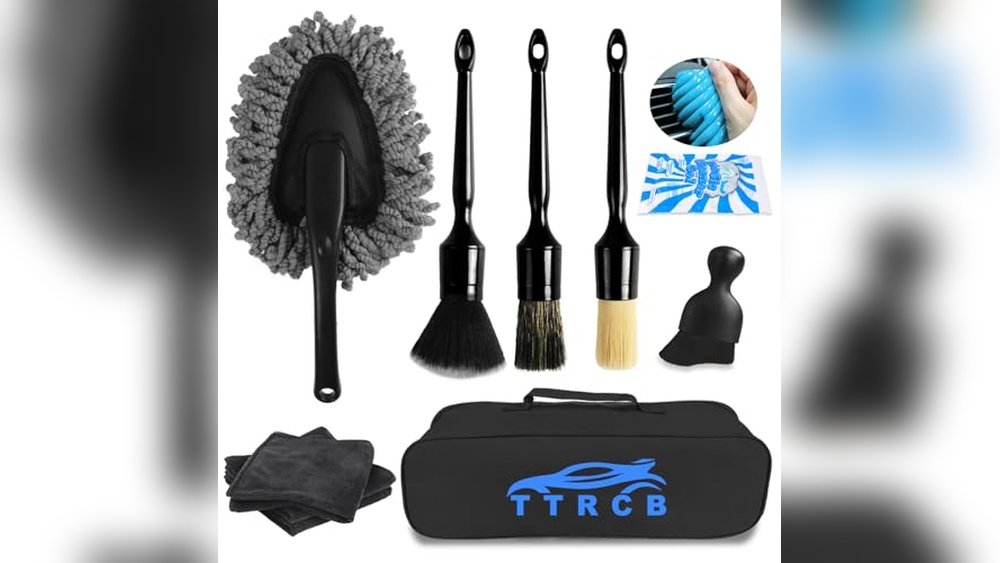
Start by parking your car in a shaded area. Avoid direct sunlight to prevent the cleaner from drying too fast. Use a soft cloth to dust off loose dirt and debris. This prevents scratching during cleaning. Make sure your hands are clean before you begin. Gather all cleaning materials, such as a gentle cleaner, microfiber cloths, and a soft brush.
Applying Cleaner Correctly
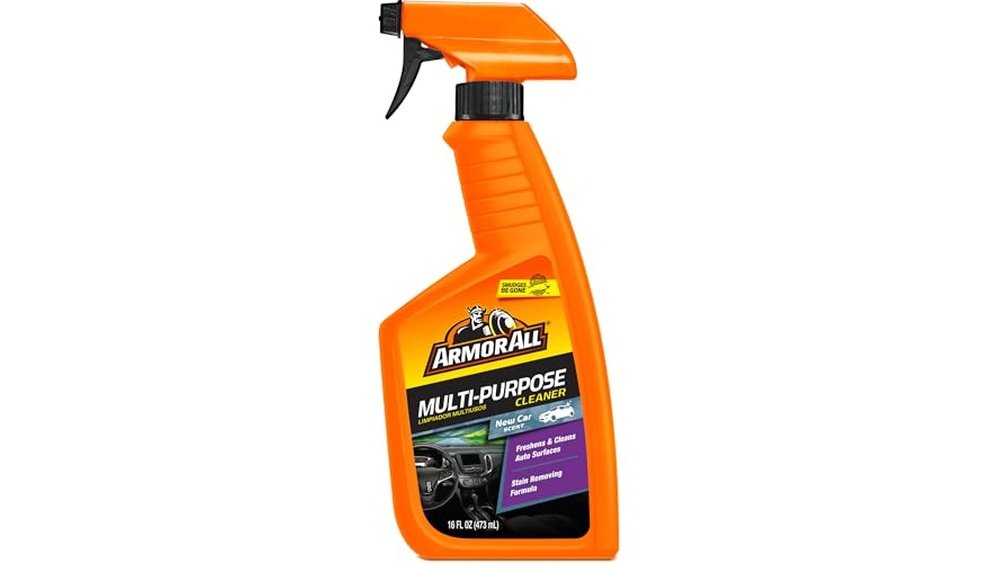
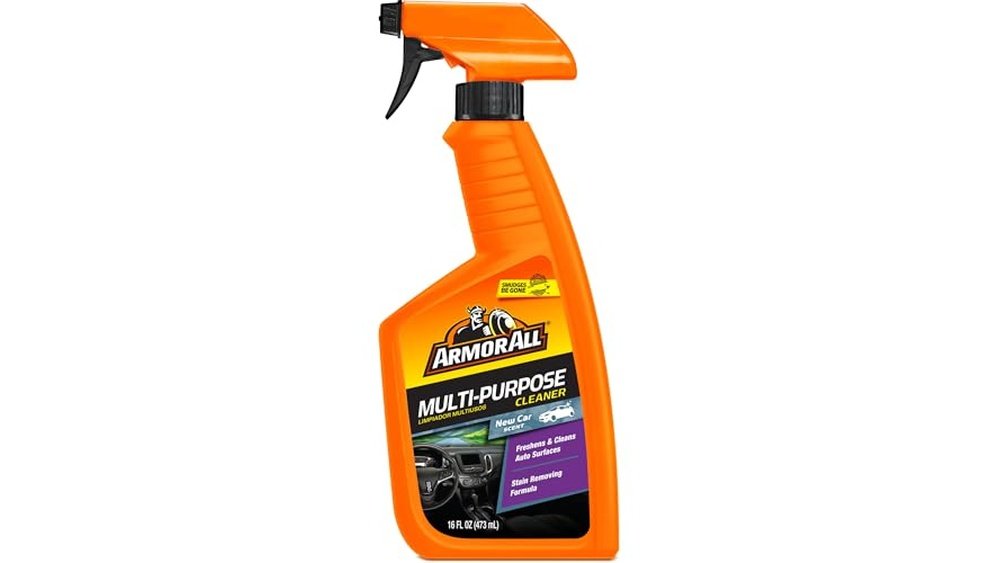
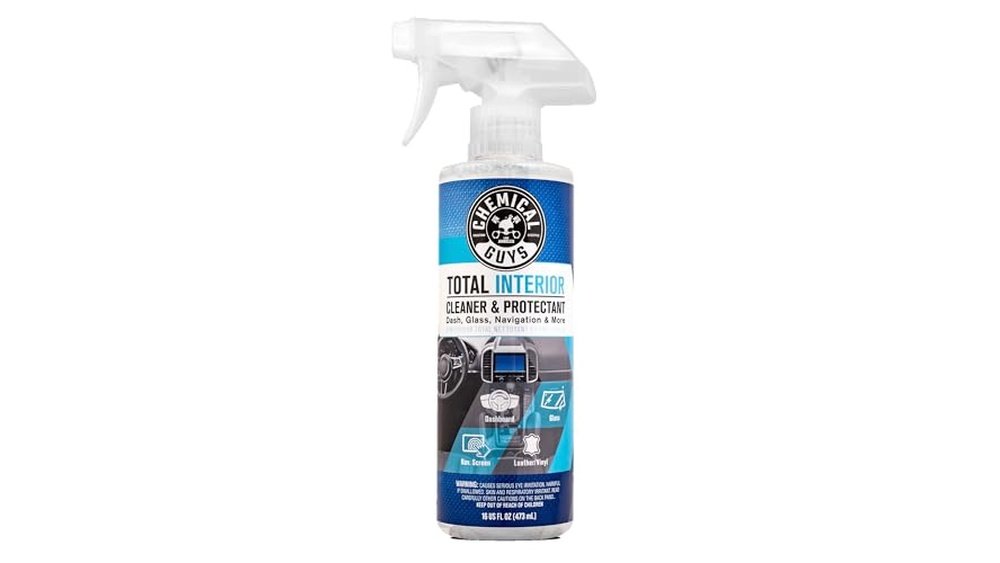
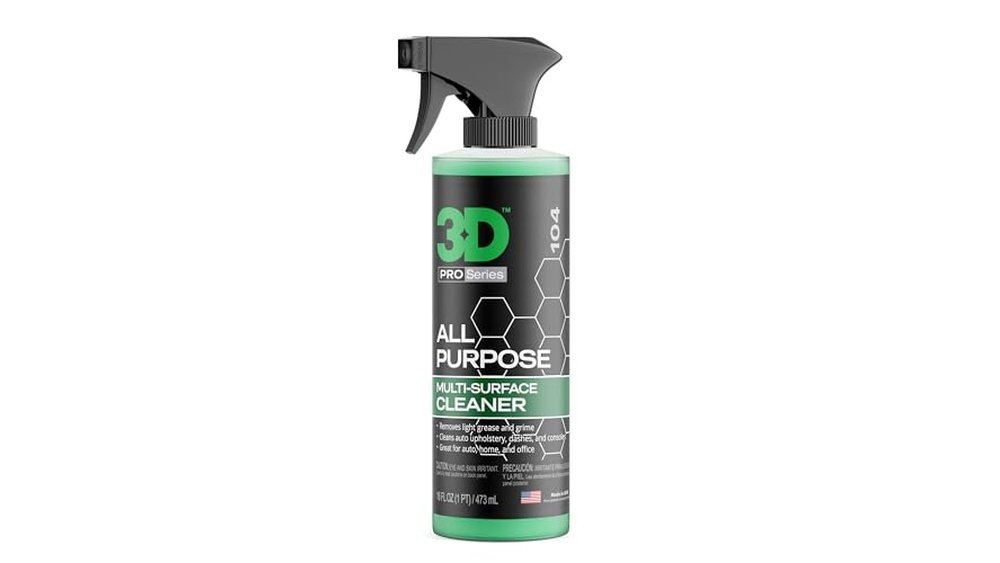
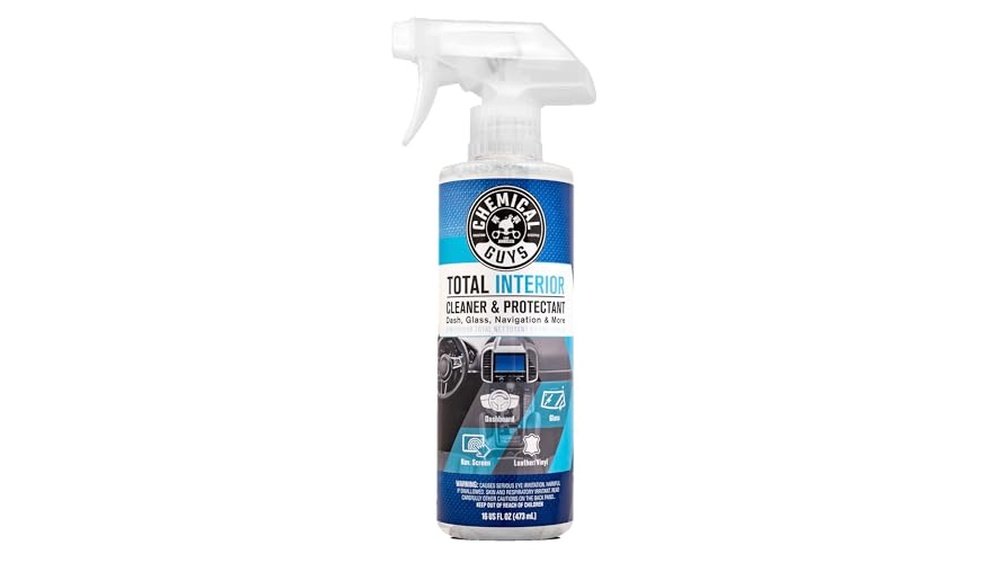
Choose a cleaner suitable for your steering wheel material. Spray or apply a small amount of cleaner on a microfiber cloth. Do not apply cleaner directly to the wheel. Gently rub the cloth on the steering wheel in small circular motions. Focus on areas with visible oil stains. Avoid soaking the steering wheel to protect its surface.
Wiping And Drying Tips
After cleaning, use a dry microfiber cloth to wipe away excess moisture. Make sure to remove all cleaner residue to prevent stickiness. Pay attention to crevices and stitching where oil may hide. Allow the steering wheel to air dry completely before driving. This keeps the wheel safe and ready for use.
Conditioning After Cleaning
After removing body oil from your steering wheel, conditioning the surface is crucial. Cleaning alone can strip away natural oils that keep leather soft. Conditioning restores moisture and prevents cracks. It also enhances the leather’s appearance, leaving it smooth and supple. Without conditioning, the leather can dry out and age faster. Proper care extends the life of your steering wheel and maintains its comfort.
Choosing The Right Conditioner
Select a conditioner made specifically for leather. Avoid products with harsh chemicals or petroleum-based ingredients. These can damage the leather over time. Look for conditioners that contain natural oils and vitamins. These nourish the leather deeply. Test the conditioner on a small, hidden area first. This prevents unwanted discoloration or damage. Quality conditioners keep leather soft and flexible.
Application Techniques
Use a clean, soft cloth to apply the conditioner. Apply a small amount and spread evenly. Work the conditioner gently into the leather using circular motions. Avoid soaking the leather with too much product. Let the conditioner absorb for at least 15 minutes. Wipe off any excess with a dry cloth. Regular conditioning after cleaning helps maintain the leather’s health.
Maintaining Leather Softness
Condition the steering wheel every few months. This keeps the leather hydrated and prevents stiffness. Avoid exposing the wheel to direct sunlight for long periods. UV rays dry out leather quickly. Use a sunshade when parking outside. Keep the steering wheel clean and dry daily. These steps preserve softness and extend the leather’s lifespan.
Preventing Future Oil Buildup
Preventing future oil buildup on your steering wheel keeps it clean and comfortable. Regular care reduces sticky grime and extends the wheel’s life. Simple habits and protective steps help avoid constant cleaning.
Hand Hygiene Tips
Clean hands reduce oil transfer to the wheel. Wash your hands before driving to remove lotions and grease. Avoid eating while driving to keep oils off your fingers. Use hand sanitizer if washing isn’t possible. Dry hands well to prevent moisture buildup.
Regular Cleaning Schedule
Set a cleaning routine for your steering wheel. Wipe it down weekly with a soft, damp cloth. Use mild cleaners made for your wheel’s material. Avoid harsh soaps that strip protective oils. Regular cleaning stops oil from building up and becoming sticky.
Protective Covers And Treatments
Use a steering wheel cover to shield from oils. Choose covers made of breathable, easy-to-clean materials. Some covers repel oils and dirt better than others. Apply leather or vinyl protectants to original wheels. These treatments create a barrier, making cleaning easier.
Handling Stubborn Stains
Stubborn body oil stains on your steering wheel can be tough to remove. These stains often build up over time, leaving a sticky or greasy feel. Treating them requires patience and the right approach. Using harsh cleaners can damage the wheel’s surface, especially if it is leather. Gentle methods work best to restore cleanliness without harm.
Careful spot treatment targets only the stained areas. This keeps the rest of the steering wheel safe. Using proper products designed for your steering wheel material helps maintain its look and feel. Sometimes, stains resist home cleaning efforts. Knowing when to ask for professional help can save time and prevent damage.
Spot Cleaning Methods
Start by wiping the steering wheel with a soft cloth. Use warm water mixed with a few drops of mild soap made for your steering wheel type. Avoid regular dish soap on leather, as it can dry and crack the material.
Apply the solution gently with a microfiber cloth. Rub the stained areas in small circles. Do not soak the steering wheel, as excess moisture can cause damage. After cleaning, wipe with a dry cloth immediately.
For leather wheels, use a leather cleaner followed by a conditioner. These products protect the surface and keep it soft. Test any cleaner on a small, hidden spot first. This ensures no discoloration or damage occurs.
When To Seek Professional Help
If stains remain after several cleaning attempts, consider professional detailing. Experts have tools and cleaners not available to the public. They can safely remove deep-set oils without harming the steering wheel.
Professional cleaning is especially useful for leather wheels with delicate finishes. They can restore the original look and feel. Avoid trying strong chemicals at home, as they may worsen the stains or ruin the material.
Regular professional maintenance can also prevent stains from becoming stubborn. This keeps your steering wheel looking fresh and clean longer.
Frequently Asked Questions
How to get oil off a steering wheel?
Wipe the steering wheel with a microfiber cloth and mild leather cleaner. Avoid harsh soaps. Dry and condition the leather afterward. Repeat if needed.
Why Does The Steering Wheel Have Greasy Residue That Won’t Clean Off?
Greasy residue on your steering wheel comes from skin oils, lotions, and dirt buildup. Harsh soaps strip leather oils, causing stickiness and damage. Use specialized leather cleaners and conditioners to remove residue safely and protect the surface. Avoid dish soap to prevent dryness and cracking.
Is Dawn Dish Soap Safe On Leather?
No, Dawn dish soap is not safe for leather. It strips natural oils, causing dryness, cracking, and color loss. Use specialized leather cleaners and conditioners instead.
What Draws Oil Out Of Leather?
Oil draws out of leather mainly through harsh detergents, alcohol, and excessive cleaning. These strip natural oils, causing dryness and damage.
Conclusion
Keeping your steering wheel clean improves both comfort and safety. Regularly wipe off body oils to prevent stickiness. Use gentle, leather-safe cleaners to protect the material. Avoid harsh soaps that can damage the leather surface. A clean steering wheel feels better and lasts longer.
Make cleaning a simple part of your car care routine. Your hands and wheel will thank you every time you drive.