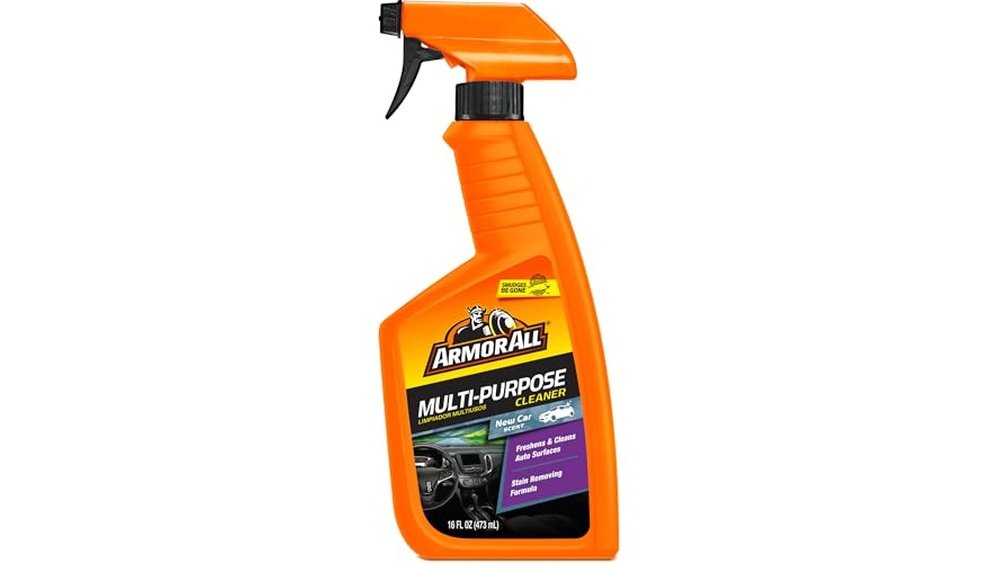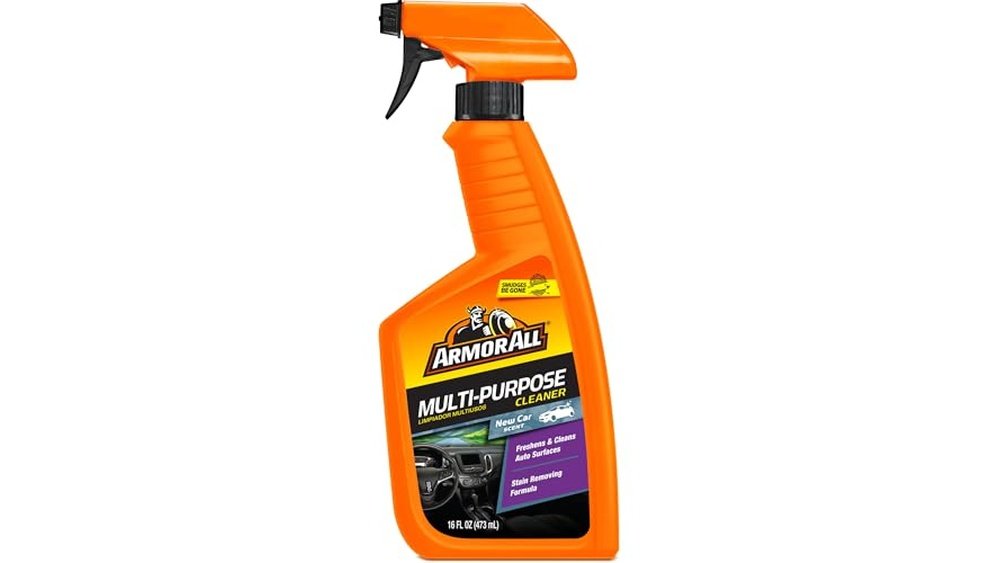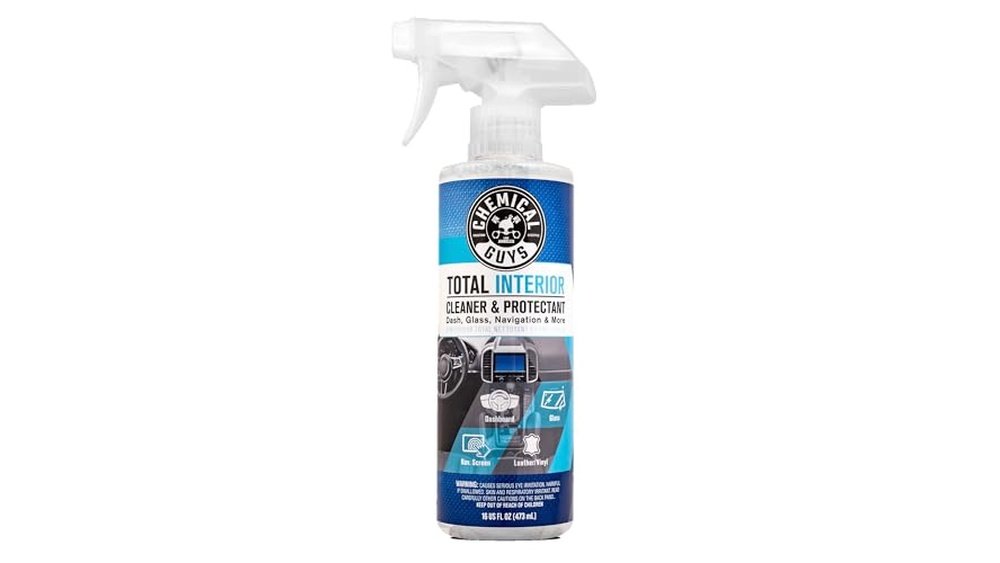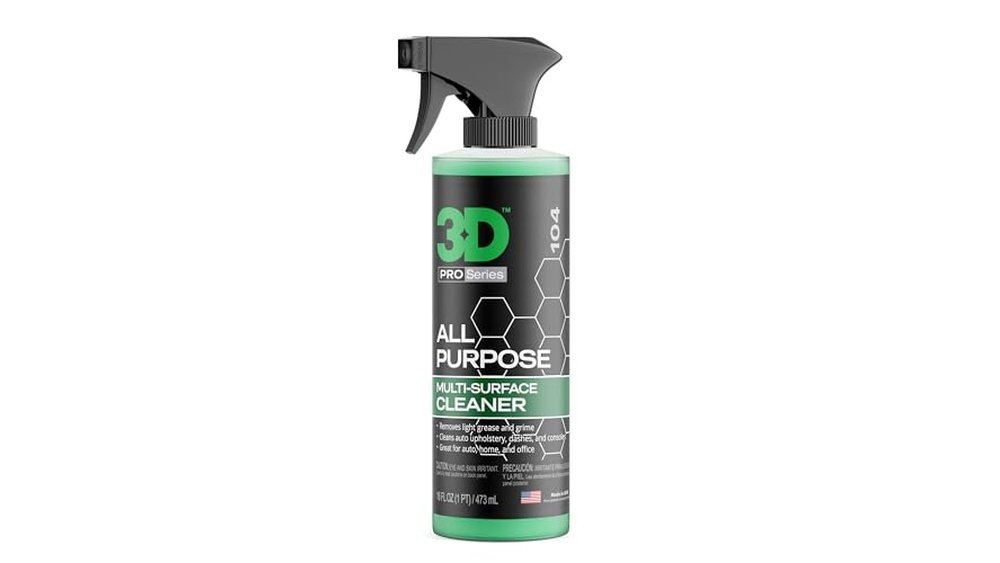
You might be wondering if that all-purpose cleaner sitting under your kitchen sink is safe to use on your car. After all, it promises to tackle all kinds of dirt and grime around the house, so why not your vehicle?
Before you grab that bottle and start spraying, it’s important to understand how these cleaners interact with your car’s surfaces. Using the wrong product could damage your paint, interior, or even your windows. You’ll learn whether household all-purpose cleaners are a smart choice for your car and discover safer, more effective alternatives to keep your ride looking great.
Keep reading to protect your investment and make cleaning your car easier than ever.
Risks Of Household Cleaners On Cars
Using household all-purpose cleaners on cars can lead to several problems. These cleaners often contain chemicals that are too harsh for automotive surfaces. They may cause damage to your car’s paint, interior, glass, and seals. Understanding these risks helps protect your vehicle and maintain its appearance.
Damage To Paint And Finish
Household cleaners can strip away wax and protective coatings. This leaves the paint exposed to oxidation and fading. Some cleaners contain abrasives that scratch the surface. Acidic or alkaline ingredients may cause discoloration and dullness. Over time, this damage reduces your car’s shine and value.
Effects On Interior Materials
Many all-purpose cleaners contain bleach or harsh chemicals. These can stain or weaken fabrics and plastics inside the car. Leather surfaces may dry out and crack. Vinyl and rubber components might become brittle or sticky. Using the wrong cleaner can lead to costly repairs or replacements.
Impact On Glass And Seals
Ammonia-based cleaners can harm tinted windows by etching the film. Rubber seals around doors and windows may dry out and crack. This causes leaks and wind noise. Some residues left by household cleaners attract dirt and grime. This makes glass look cloudy and reduces visibility.
Safe Alternatives For Car Cleaning
Using the right cleaning products keeps your car looking fresh and protects its surfaces. Household all-purpose cleaners often contain harsh chemicals that can damage paint, rubber, or interior materials. Choosing safe alternatives ensures gentle but effective cleaning without risking harm. These options help maintain your car’s shine and extend the life of its finishes.
Ph-neutral Car Soaps
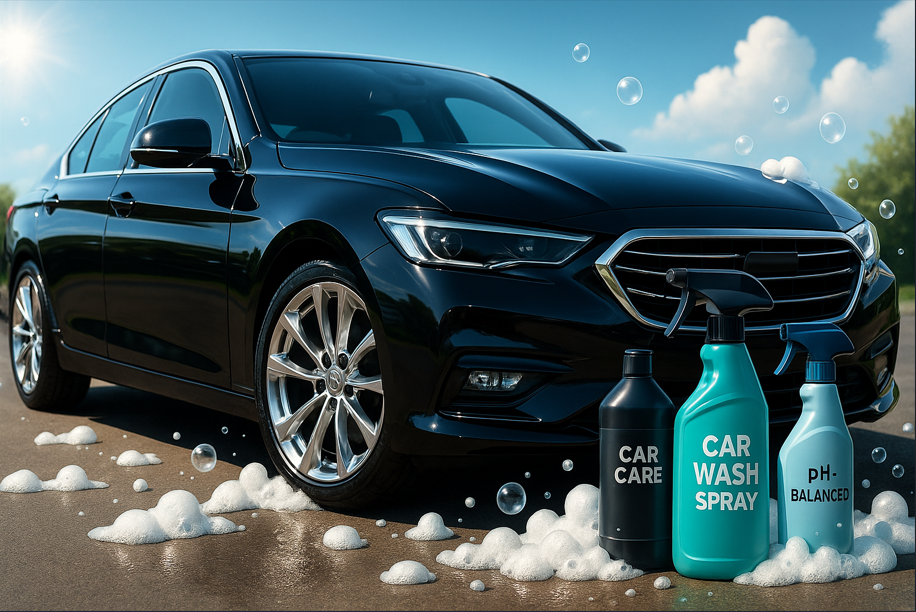
pH-neutral car soaps match the natural acidity of your car’s surfaces. They clean dirt and grime without stripping protective wax or sealants. These soaps create fewer suds, which rinse off easily, leaving no residue behind. Using pH-neutral soaps prevents dullness and helps maintain the car’s original paint color.
Diluted Baby Shampoo And Dish Soap
Baby shampoo and dish soap can work as mild cleaners when diluted properly. Mix a small amount with plenty of water to reduce their strength. These solutions gently remove dirt and grease without harsh chemicals. Avoid using full-strength soap, as it can dry out car surfaces and remove wax coatings.
Specialized Wheel And Glass Cleaners
Specialized cleaners target tough spots like brake dust on wheels and smudges on glass. Wheel cleaners break down dirt without harming metal or rubber parts. Glass cleaners designed for cars avoid ammonia, which can damage window tint and rubber seals. Using these products keeps wheels shiny and windows crystal clear.
Essential Car Cleaning Tools
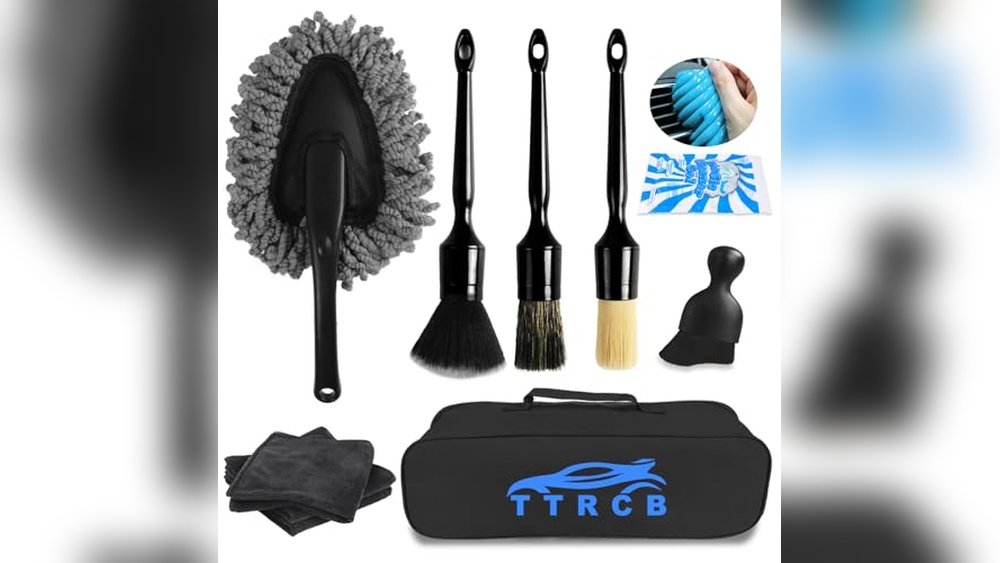
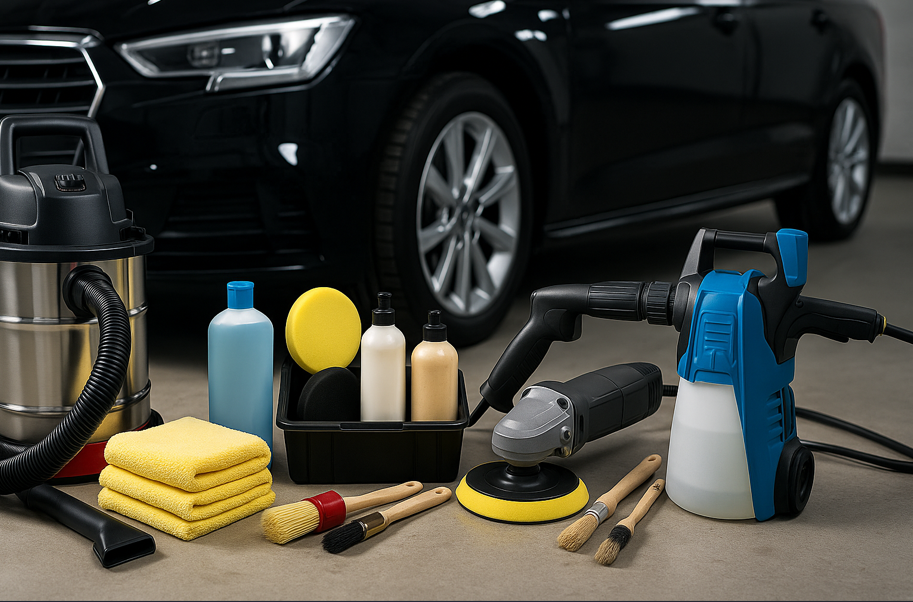
Cleaning a car requires the right tools for a thorough and safe wash. Using proper equipment protects your car’s paint and interior. Essential car cleaning tools help avoid scratches and damage. These tools make the cleaning process easier and more effective.
Microfiber Wash Mitts And Towels
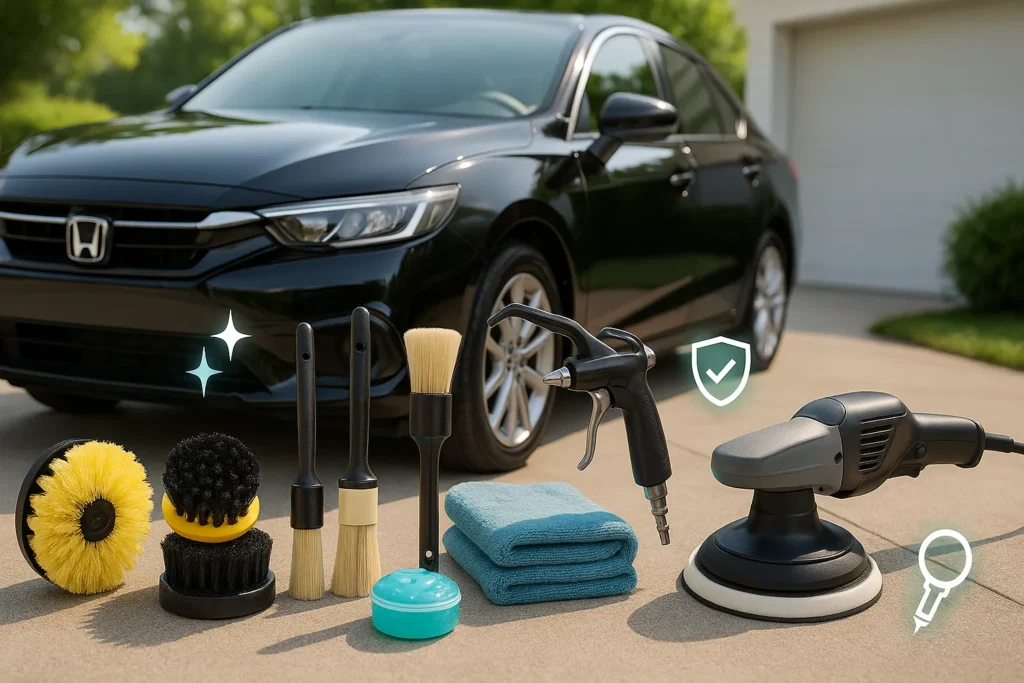
Microfiber wash mitts gently lift dirt without scratching paint. They hold more soap and water than regular sponges. Use microfiber towels to dry your car after washing. These towels absorb water quickly and prevent streaks. Both mitts and towels reduce the risk of swirl marks.
Two-bucket Method Setup
The two-bucket method uses one bucket for soapy water and one for rinsing. This setup helps keep dirt away from the wash mitt. Rinse the mitt in the clean water bucket before dipping it back in soap. This method reduces the chance of scratching your car’s surface. It is a simple way to improve car wash quality.
Hoses And Nozzles
A hose with an adjustable nozzle controls water flow for rinsing and washing. Use a strong spray to remove loose dirt before washing. A gentle spray helps rinse soap without damaging the paint. Good water pressure helps clean wheels and undercarriage areas well. The right hose and nozzle make rinsing faster and more efficient.
Step-by-step Car Washing Tips
Washing your car properly keeps its paint bright and protects its surface. Following clear steps helps avoid damage and ensures a clean finish. Use gentle tools and suitable soaps for the best results. Here are simple step-by-step car washing tips anyone can follow.
Pre-rinse To Remove Loose Dirt
Start by rinsing your car with water. This removes loose dirt and dust from the surface. Use a hose with good pressure, but avoid a strong jet that can damage paint. Rinsing first prevents scratching during washing. Make sure to cover the whole car, including the roof and under the wheel arches.
Washing Techniques To Avoid Scratches
Use two buckets: one with soapy water and one with clean water for rinsing your mitt. Use a soft microfiber wash mitt or sponge. Dip it in the soapy water, wash a small section at a time, and rinse the mitt often. Wash in straight lines, not circles, to reduce swirl marks. Avoid harsh cleaners or household all-purpose cleaners that can harm paint or finish.
Cleaning Wheels And Tires Last
Wheels and tires are the dirtiest parts of the car. Wash them last to avoid spreading brake dust and grime to the paint. Use a separate brush and a wheel cleaner made for cars. Scrub tires and rims well, then rinse thoroughly. Avoid using household cleaners here as they can damage rubber and metal parts.
Thorough Rinsing And Drying
After washing, rinse the car fully with clean water. Make sure no soap or dirt remains. Use a microfiber drying towel to dry the surface gently. Pat or wipe the car dry to avoid water spots. Drying quickly helps protect the paint and leaves a smooth finish. Avoid letting the car air dry in the sun.
Household Cleaners You Can Use With Care
Some household cleaners work well on car surfaces if used carefully. They offer a gentle clean without harsh chemicals. Using the right cleaner protects your car’s paint and interior. Always test a small area first to avoid damage. These options provide safe, budget-friendly alternatives for light cleaning tasks.
Baking Soda For Gentle Cleaning
Baking soda is a mild abrasive that removes stains and odors. Mix it with water to form a paste. Apply the paste to fabric seats or carpets to lift dirt. Use a soft brush to scrub gently, then wipe clean with a damp cloth. Baking soda does not harm most surfaces, making it safe for interior use. Avoid using it on delicate leather or glossy paint finishes.
Baby Shampoo As A Mild Alternative
Baby shampoo is a gentle soap that cleans without stripping wax or oils. Dilute a small amount in water for washing car surfaces. It works well on plastic trims, vinyl, and upholstery. Use a microfiber cloth or sponge to apply the solution. Rinse thoroughly with clean water to prevent residue buildup. Baby shampoo is safe for frequent use and helps maintain a fresh car interior.
Waterless And Rinseless Wash Options
Waterless and rinseless wash options offer convenient ways to clean your car without using a hose or large amounts of water. These methods save time and water, making them ideal for places with water restrictions or quick cleanups. They also reduce the risk of water spots and scratches when used correctly. Understanding how these products work helps in choosing the right one for your car’s needs.
Using Waterless Wash Sprays
Waterless wash sprays clean dirt and grime without rinsing. Spray the product on a dry car surface, then wipe with a soft microfiber towel. The formula encapsulates dirt particles, lifting them away safely. This prevents scratches and swirls common with traditional washing. Use separate towels for different areas to avoid spreading dirt. Waterless sprays work best on lightly soiled cars, not on heavy mud or grime.
How Rinseless Wash Products Work
Rinseless wash products mix with a small amount of water to create a cleaning solution. Use a microfiber mitt or cloth to apply the mix to the car. Dirt loosens and suspends in the solution, allowing you to wipe it off without rinsing. This method uses less water than a full wash but still cleans effectively. Rinseless washes suit moderately dirty cars and helps protect wax or sealant layers.
Avoiding Common Cleaning Mistakes
Cleaning your car with household all-purpose cleaners might seem easy. Mistakes can harm your car’s surface and interior. Avoid these common errors to keep your car looking fresh and protected. Using the right products and techniques matters a lot. Below are key tips to prevent damage and maintain your car’s shine.
Avoiding Ammonia-based Products
Ammonia is common in many household cleaners. It can damage tinted windows by etching the film. Rubber seals dry out and crack from ammonia exposure. Avoid any cleaner with ammonia for your car’s glass or interior. Use products labeled safe for automotive use instead.
Why Abrasives And Bleach Harm Cars
Abrasive cleaners scratch paint and plastic surfaces. Bleach can cause permanent stains and discoloration inside the car. Both can ruin dashboard materials and upholstery. Choose gentle, car-safe cleaners to protect your vehicle’s finish and fabrics. Harsh chemicals shorten your car’s lifespan.
Preventing Residue And Dullness
Some all-purpose cleaners leave a sticky residue on surfaces. This attracts dirt and makes your car look dull quickly. Always rinse thoroughly with clean water after cleaning. Use microfiber towels to dry and buff surfaces for a bright, shiny finish. Avoid cleaners that leave film or haze behind.
Maintaining Your Car’s Appearance
Maintaining your car’s appearance keeps it looking fresh and protects its value. Clean surfaces resist damage and stay vibrant longer. Simple habits help your car shine every day. Focus on washing, protecting paint, and caring for interiors to maintain a neat look.
Regular Washing Frequency
Wash your car every two weeks to remove dirt and grime. Frequent washing prevents buildup that can damage paint. Use a mild car soap instead of household cleaners. Avoid harsh chemicals that strip protective wax. Rinse well to remove soap residue. Dry with a soft microfiber towel to avoid scratches.
Protecting Paint With Wax Or Sealants
Apply wax or sealant every three to six months to shield paint. These products create a barrier against dirt and UV rays. Wax adds shine and smoothness to the surface. Sealants last longer and offer stronger protection. Clean the car fully before applying for the best results. Use a soft cloth and follow product instructions carefully.
Caring For Interior Surfaces
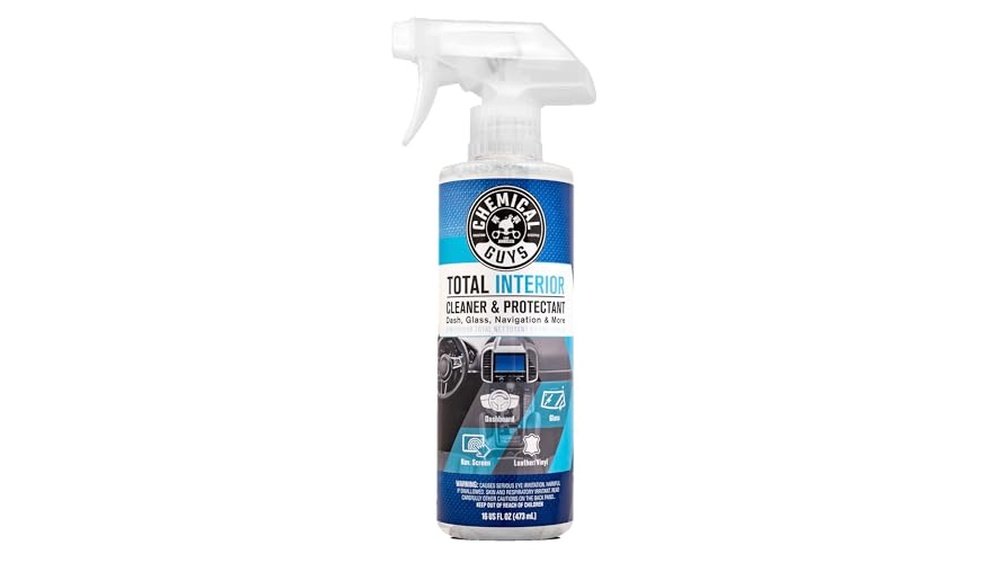
Use specific cleaners designed for car interiors. Household all-purpose cleaners can damage dashboard materials and seats. Clean vinyl, leather, and plastic with gentle products made for each surface. Wipe dust regularly with a soft cloth. Avoid harsh chemicals that cause fading or cracking. Keep the interior fresh by vacuuming and spot cleaning spills promptly.
Frequently Asked Questions
Can I Use All-purpose Cleaner In My Car?
Avoid using household all-purpose cleaners on cars; they can damage paint, rubber, and interior surfaces. Use pH-neutral car soaps instead.
Are Household Cleaners Safe To Use On Cars?
Household cleaners often damage car surfaces. Use pH-neutral car soaps or mild alternatives like diluted baby shampoo instead. Avoid ammonia, bleach, and abrasives to protect paint, rubber, and interiors. Choose products designed specifically for cars to maintain the finish and prevent damage.
What Household Cleaner Can I Use On A Car Interior?
Use pH-neutral car soap or mild household alternatives like diluted baby shampoo. Avoid ammonia, bleach, or abrasive cleaners. Microfiber cloths help prevent scratches.
What Can I Use To Wash My Car If I Don’t Have Car Wash Soap?
Use diluted baby shampoo or mild dish soap as a gentle alternative to car wash soap. Avoid harsh cleaners that damage paint. Always rinse thoroughly and dry with microfiber towels to prevent scratches.
Conclusion
Using household all-purpose cleaner in your car can cause damage. Many cleaners have chemicals that harm paint, rubber, and plastic. Car surfaces need gentle, pH-balanced products designed for automotive use. Stick to car-specific soaps or mild alternatives like diluted baby shampoo.
Always test a small area first. Proper cleaning tools, like microfiber towels and wash mitts, protect your car’s finish. Clean your car carefully to keep it looking fresh longer. Avoid harsh cleaners to prevent costly repairs. Safe cleaning means a shiny, well-maintained car every time.