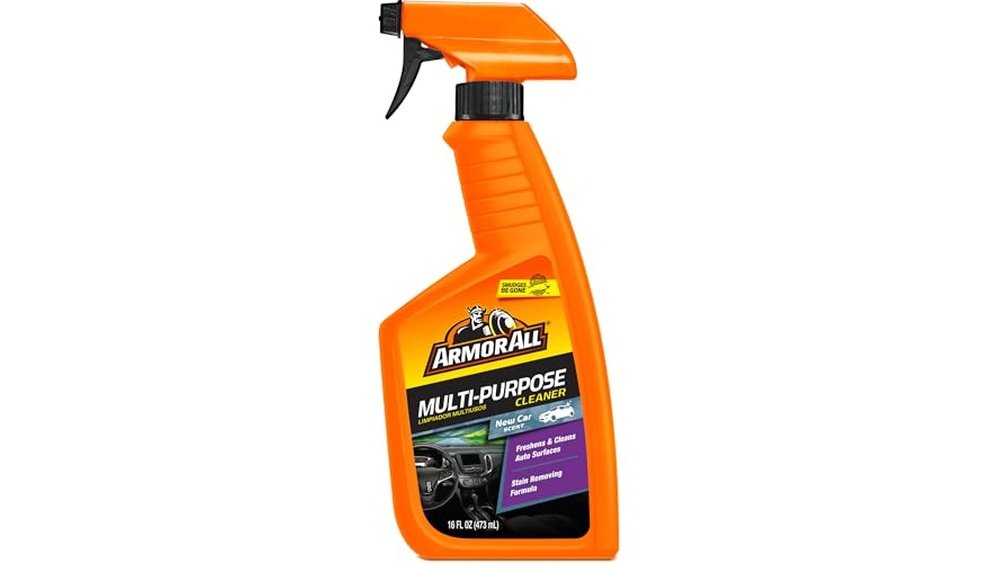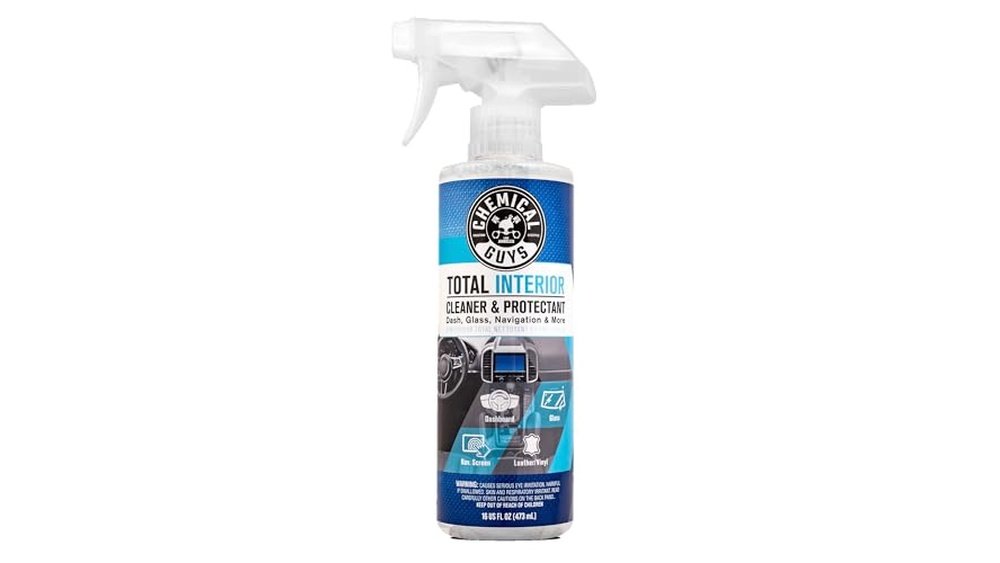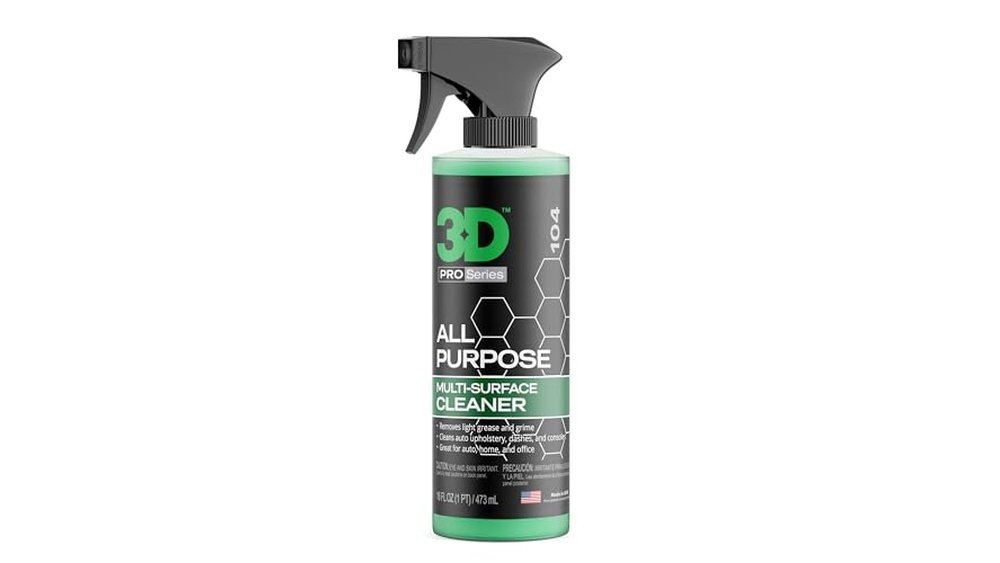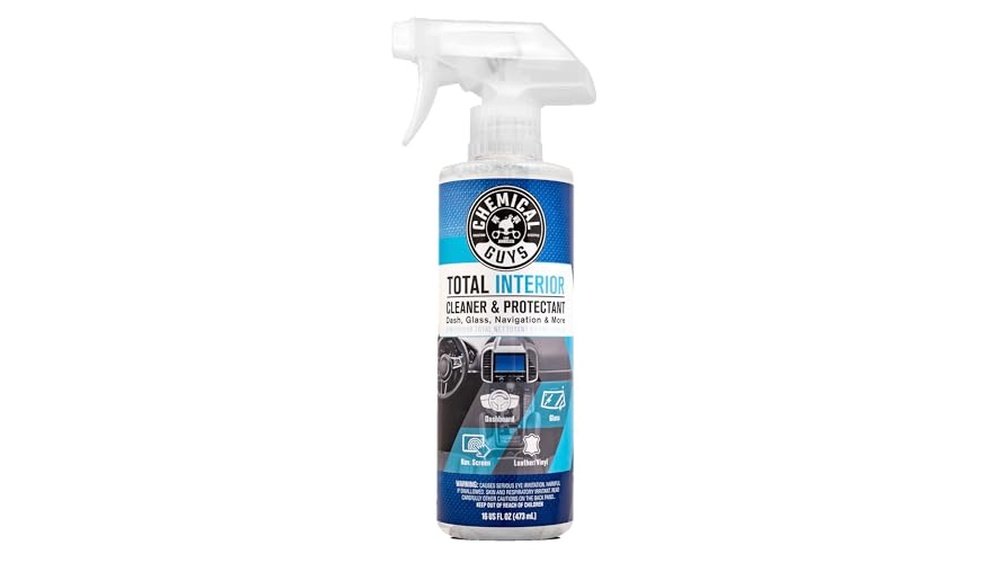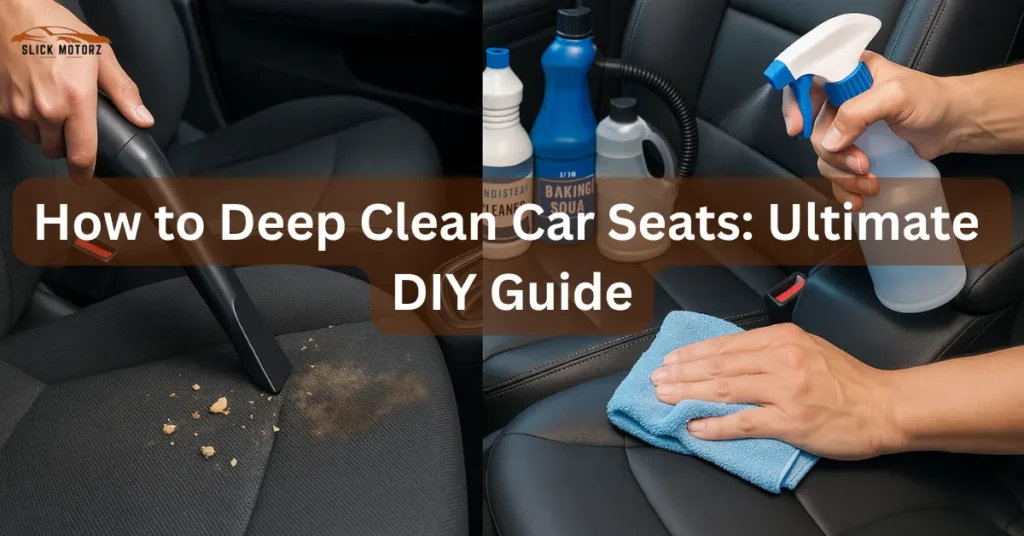
When it comes to keeping your car’s interior spotless, you might wonder whether to reach for an interior detailer or an all-purpose cleaner. Both promise to make your surfaces shine, but using the wrong product can leave your dashboard dull or your seats damaged.
You want a clean, fresh interior without the hassle or risk. So, how do you decide which cleaner is right for your car? You’ll discover the key differences between interior detailers and all-purpose cleaners, helping you choose the perfect product to protect and refresh every surface inside your vehicle.
Keep reading to unlock the secrets that detailers don’t want you to miss!
Interior Detailer Basics
Understanding the basics of an interior detailer helps you care for your car’s inside effectively. Interior detailers are designed to clean gently while protecting surfaces. They work differently from all-purpose cleaners, which are stronger and better for tough stains. Knowing these differences keeps your vehicle looking fresh without damage.
Key Ingredients
Interior detailers contain mild detergents and lubricants. These ingredients lift dirt without harsh chemicals. They often include conditioners to keep materials soft. Unlike all-purpose cleaners, detailers avoid strong solvents. This gentle formula helps maintain your car’s interior finish.
Surface Compatibility
Detailers work well on plastics, vinyl, leather, and rubber. They clean without stripping natural oils or causing dryness. All-purpose cleaners can harm delicate surfaces if used too often. Interior detailers are safe for dashboards, door panels, and trim. This makes them ideal for everyday touch-ups.
UV Protection Benefits
Many interior detailers include UV blockers to prevent fading. Sunlight can cause cracking and discoloration over time. UV protection keeps surfaces looking newer longer. All-purpose cleaners usually lack this feature. Using a detailer helps preserve your car’s interior beauty.
All-purpose Cleaner Features
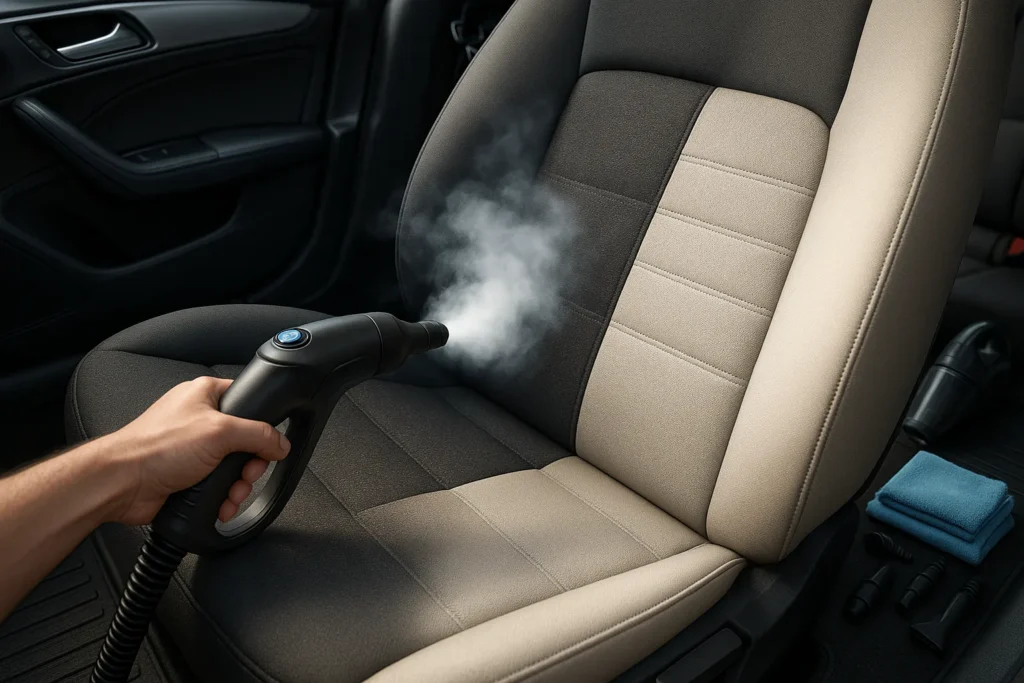
All-purpose cleaners are versatile products designed for many cleaning tasks. They work on various surfaces and remove different types of dirt. These cleaners have specific features that make them effective for general use.
Understanding these features helps in choosing the right product for your cleaning needs. Below, we explore key aspects of all-purpose cleaners.
Detergent Strength
All-purpose cleaners contain strong detergents to break down dirt and grease. This strength allows them to clean tough grime quickly. The detergent power is higher than in detailers, but safe for many surfaces. It helps lift oily residues and sticky messes without harsh scrubbing.
Stain Removal Power
These cleaners are effective at removing stains caused by food, drinks, and dirt. They can tackle both fresh and set-in stains with ease. The formula targets tough spots and dissolves them. This makes all-purpose cleaners ideal for deep cleaning tasks.
Suitable Surfaces
All-purpose cleaners work well on hard surfaces like plastic, vinyl, and metal. They also clean glass and some fabric materials. However, they may be too strong for delicate surfaces like leather or treated wood. Always test on a small area first to avoid damage.
Comparing Cleaning Performance
Comparing the cleaning performance of an interior detailer and an all-purpose cleaner helps choose the right product. Each cleaner serves different needs and surfaces inside a vehicle. Understanding their strengths guides better cleaning results.
Effectiveness On Grime
All-purpose cleaners remove heavy grime effectively. They break down dirt on various surfaces quickly. Interior detailers clean light dust and minor dirt well. For tough grime, all-purpose cleaners show better power.
Handling Sticky Residues
Sticky residues need a stronger cleaning action. All-purpose cleaners dissolve sticky substances faster than detailers. Interior detailers may struggle with gum or spilled drinks. Use all-purpose cleaners for sticky messes to save time.
Impact On Delicate Materials
Interior detailers are gentle on delicate materials like leather and vinyl. They protect surfaces from damage and fading. All-purpose cleaners can be too harsh for sensitive areas. Use detailers to keep interiors soft and safe.
Protective Qualities
Protective qualities define how well a product guards your car’s interior surfaces. Interior detailers and all-purpose cleaners serve different roles here. Understanding their protective features helps maintain your vehicle’s look and value. Protection goes beyond cleaning. It includes shielding from sun damage, preserving finishes, and supporting long-term care.
Uv Shielding
Interior detailers often contain UV blockers. These protect dashboards, seats, and trim from sun fading. UV rays cause cracking and color loss over time. All-purpose cleaners usually lack these protective ingredients. Using a detailer helps keep surfaces vibrant and strong. It slows down damage caused by sunlight exposure.
Finish And Appearance
Detailers enhance the interior’s finish with a subtle shine. They leave surfaces looking fresh and polished without being greasy. All-purpose cleaners focus on deep cleaning but may strip natural oils. This can leave materials dull or dry. Detailers also help restore the original look of plastics, vinyl, and leather.
Long-term Interior Care
Regular use of an interior detailer supports long-term care. It maintains material flexibility and prevents cracking. All-purpose cleaners remove grime but may wear down protective layers. Detailers add conditioners that nourish surfaces over time. This results in a cleaner, healthier interior that lasts longer.
Usage Tips For Interior Detailers
Using an interior detailer correctly keeps your car’s interior fresh and protected. These products clean gently and add a shield against sun damage. Learning the right ways to apply detailers helps maintain your car’s value. Follow simple tips for the best results and a spotless interior.
Application Techniques
Spray the detailer lightly on surfaces. Avoid soaking areas to prevent streaks. Use a microfiber cloth to spread the product evenly. Work in small sections for better control. Wipe in gentle, circular motions to lift dirt. Buff with a dry cloth to remove residue and add shine.
Tools To Use
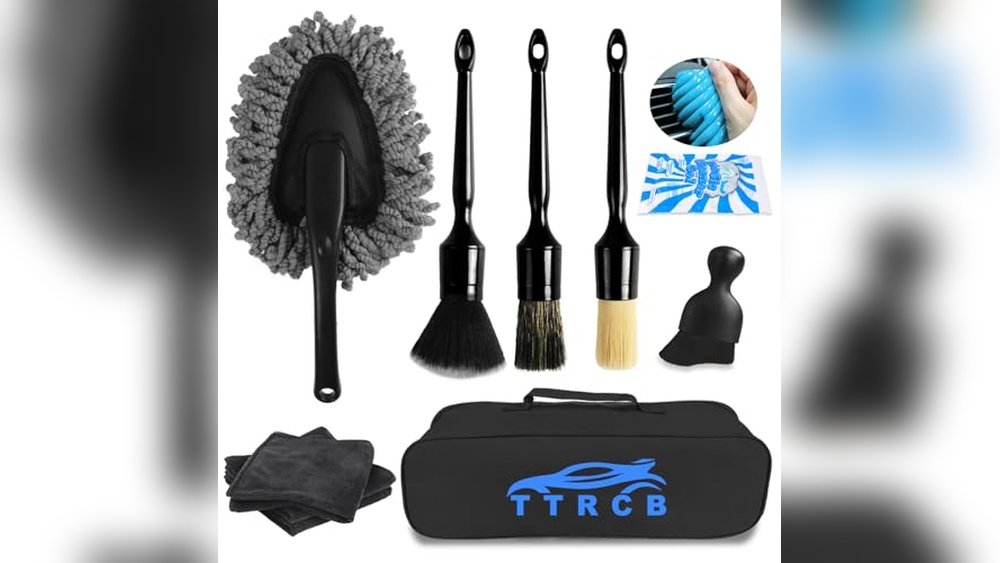
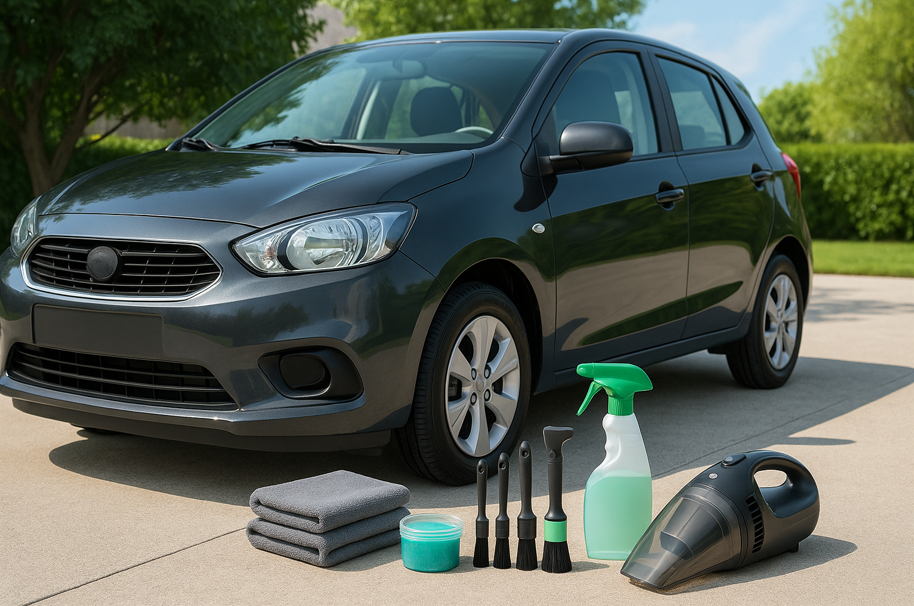
Microfiber towels are the best choice for applying detailers. They absorb product well and prevent scratches. Soft detailing brushes help clean vents and tight spots. Use separate towels for different surfaces to avoid cross-contamination. Avoid rough clothes that may damage delicate materials.
When To Choose Detailers
Pick an interior detailer for light cleaning and shine. Use it between deep cleans to keep surfaces fresh. Ideal for dashboards, plastic trims, and vinyl. Detailers protect from UV rays and reduce fading. Choose detailers over all-purpose cleaners to avoid harsh chemicals on sensitive areas.
Best Practices For All-purpose Cleaners
All-purpose cleaners are versatile products used for various cleaning tasks. Using them correctly ensures effective cleaning and protects surfaces. Following best practices helps you get the most out of these cleaners while avoiding damage or safety issues.
Dilution Guidelines
Always follow the manufacturer’s instructions for dilution. Some all-purpose cleaners require mixing with water. Using too much concentrate can harm surfaces or leave residue. Too little may not clean well. Measure carefully to maintain the right balance. Use a spray bottle for even application on surfaces.
Safety Precautions
Wear gloves to protect your skin from irritation. Work in a well-ventilated area to avoid inhaling fumes. Keep cleaners away from children and pets. Store products in their original containers with labels intact. Avoid mixing all-purpose cleaners with other chemicals, especially bleach or ammonia. This can create toxic gases.
Ideal Cleaning Situations
All-purpose cleaners work well on hard surfaces like countertops, plastic, and vinyl. They remove dirt, grease, and sticky residues efficiently. Use them on car interiors for fabric seats and dashboards. Avoid using on delicate materials like untreated leather or silk. Test in a small, hidden area before full use to check for damage.
Common Mistakes To Avoid
Cleaning your car’s interior takes care and the right products. Many people confuse interior detailers with all-purpose cleaners. This confusion can lead to mistakes that harm surfaces or reduce cleaning quality. Avoid these common errors to keep your vehicle looking fresh and new.
Overusing Chemicals
Using too much cleaner does not make cleaning better. Excess chemicals can leave sticky residues or damage surfaces. Interior detailers are gentle and need only a small amount. All-purpose cleaners are stronger and should be used sparingly. Always follow the product instructions for best results.
Mixing Products
Mixing different cleaners can cause unwanted chemical reactions. These reactions may produce harmful fumes or damage materials. Never combine an interior detailer with an all-purpose cleaner. Use each product separately and rinse surfaces if switching cleaners. This keeps your car interior safe and clean.
Ignoring Material Sensitivities
Car interiors have many materials like leather, plastic, and fabric. Each material needs special care. All-purpose cleaners can be too harsh for leather or delicate fabrics. Interior detailers often protect surfaces with UV blockers. Always test a small hidden area before full cleaning. This prevents stains or damage to your car’s interior.
Expert Recommendations
Experts suggest choosing the right cleaner for each task inside your car. Using an interior detailer or an all-purpose cleaner depends on the surface and cleaning needs. Understanding expert tips helps keep your car’s interior fresh without damage.
Product Pairings
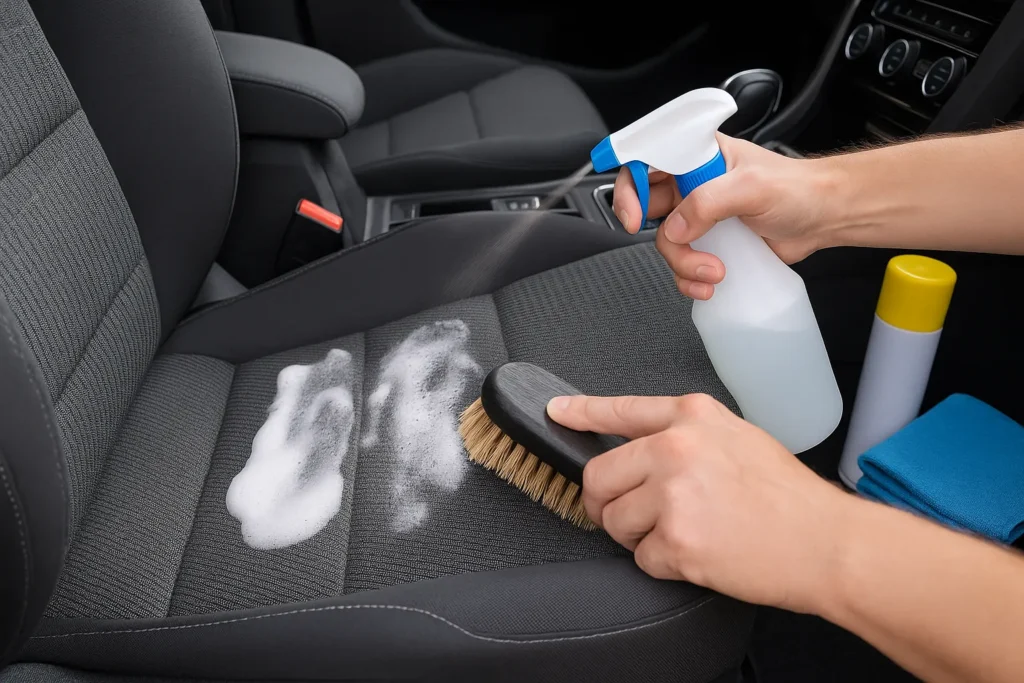
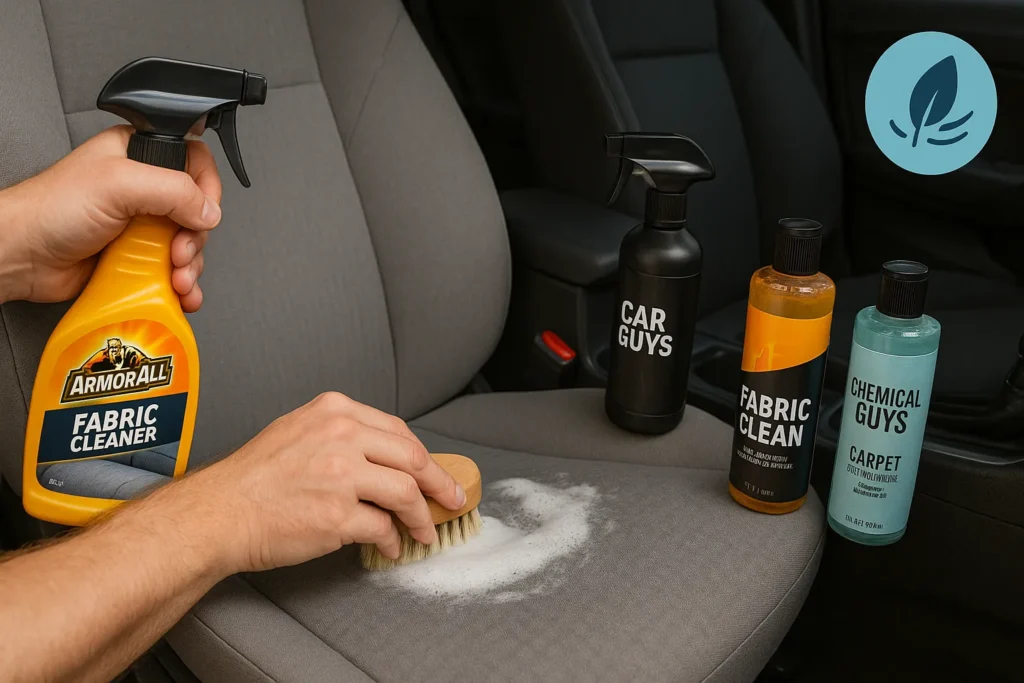
Use an interior detailer with microfiber cloths for gentle cleaning. Pair all-purpose cleaners with soft brushes to remove tough grime. Avoid mixing products that can cause damage or leave residues. Experts recommend testing products on small spots first.
Frequency Of Use
Interior detailers suit daily or weekly touch-ups on surfaces. All-purpose cleaners work best for deep cleaning every few weeks. Overusing all-purpose cleaners can wear out materials faster. Experts advise regular light cleaning with detailers to maintain shine.
Professional Insights
Professionals stress using mild cleaners on delicate surfaces like leather or vinyl. They choose all-purpose cleaners for heavy dirt on carpets and floor mats. Protectants applied after cleaning help extend interior life and prevent fading. Experts always recommend following product instructions carefully.
Eco-friendly Alternatives
Choosing eco-friendly alternatives for cleaning your car interior protects both the environment and your health. These options reduce harmful chemicals and waste. They offer safe, effective cleaning without harsh effects. Here are some green choices to consider for interior detailing and all-purpose cleaning.
Natural Cleaners
Natural cleaners use ingredients from plants and minerals. Common examples include vinegar, baking soda, and lemon juice. These items clean dirt and stains gently and safely. They do not release toxic fumes or residues. Many natural cleaners work well on fabric, leather, and plastic surfaces.
Biodegradable Options
Biodegradable cleaners break down quickly in nature. They do not harm soil or water sources. These products often come in eco-friendly packaging, too. Choosing biodegradable options helps reduce pollution from car cleaning. Many brands now offer formulas that clean powerfully and degrade fast.
Reducing Chemical Exposure
Using eco-friendly cleaners lowers your exposure to chemicals. Harsh cleaners can irritate skin and lungs. Green products keep your interior fresh without strong odors. They are safer for children, pets, and sensitive individuals. Switching to gentle cleaners creates a healthier cleaning routine.
Cost And Value Comparison
Understanding the cost and value of interior detailers versus all-purpose cleaners helps you choose the right product. Both serve different cleaning needs inside your vehicle. Comparing price, product longevity, and overall investment reveals which option fits your budget and cleaning habits.
Price Points
Interior detailers often cost more per bottle than all-purpose cleaners. This is because detailers have special ingredients for gentle cleaning and protection. All-purpose cleaners usually have a lower price. They are made for heavy-duty cleaning tasks. The price difference depends on brand and size.
Product Longevity
All-purpose cleaners tend to last longer because you use more per cleaning. They are stronger and designed for tough grime. Interior detailers require less product each time. A small amount can clean and protect surfaces. This means detailers may stretch further despite a higher price.
Overall Investment
Choosing between these products depends on your cleaning needs. All-purpose cleaners save money if you clean rarely or have tough stains. Interior detailers add value by protecting surfaces and improving appearance. Using both can balance cost and care for your vehicle’s interior.
Frequently Asked Questions
What Is The Difference Between Interior Detailer And Interior Cleaner?
An interior cleaner removes heavy grime and stains with strong detergents. An interior detailer gently cleans, adds shine, and protects surfaces with UV blockers.
Can I Use All-purpose Cleaner for the Car Interior?
Yes, you can use all-purpose cleaner for car interiors, but choose a gentle formula. Avoid harsh chemicals to protect surfaces. Test on a small area first to prevent damage. Use specialized leather or upholstery cleaners for delicate materials to maintain your car’s interior safely.
What Do Detailers Use To Clean An Interior?
Detailers use all-purpose cleaners, leather cleaners, upholstery shampoos, interior quick detailers, and protectants. They clean with microfiber towels, soft brushes, and vacuums for a thorough interior cleaning.
How Much Should I Tip For A $200 Car Detail?
Tip 15-20% of the $200 car detail, which equals $30-$40. Adjust based on service quality and satisfaction.
Conclusion
Choosing between an interior detailer and an all-purpose cleaner depends on your needs. Use an all-purpose cleaner for tough dirt and stains. An interior detailer works best for light cleaning and protection. Both have unique roles in car care. Knowing their differences helps keep your car fresh and clean.
Use each product wisely for the best results. Clean smarter, not harder. Your car’s interior will thank you.