When it comes to cleaning your car’s interior, you might wonder: should you reach for an APC or a degreaser? Both promise to tackle dirt and grime, but using the wrong one could damage your surfaces or leave behind sticky residues.
You want your car’s seats, dashboard, and carpets to look fresh without risking discoloration or harsh chemical effects. You’ll discover the key differences between APCs (All-Purpose Cleaners) and degreasers, learn when to use each product, and get practical tips to keep your car interior spotless and well-protected.
Keep reading to find out which cleaner is the best fit for your car and why it matters.
Apc And Degreaser Basics
Understanding the basics of APC and degreasers helps you choose the right cleaner for your car interior. Both products clean surfaces but serve different purposes and work differently. Knowing what each one does is key to effective car care.
Using the proper cleaner keeps your car interior fresh without damage. Let’s explore the definitions and main differences between APC and degreasers.
What Is Apc?
APC stands for All-Purpose Cleaner. It is a versatile cleaning product. APC works well on various surfaces inside the car. It removes dirt, stains, and light grease. APC is usually gentle enough for fabrics and plastics. It cleans dashboards, seats, carpets, and door panels. Many APCs are designed to avoid leaving sticky residues. They help maintain the car’s original look.
What Is Degreaser?
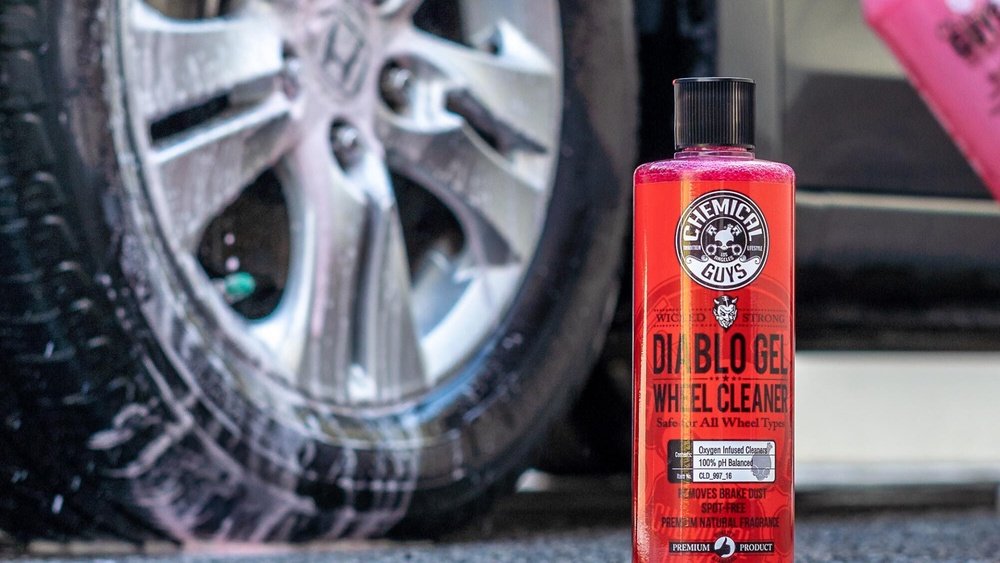
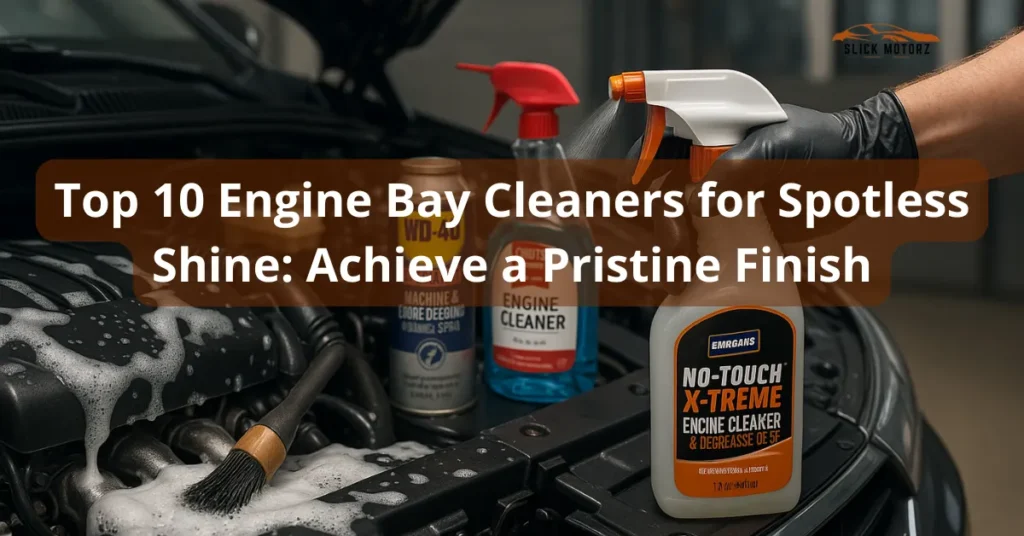
Degreasers are strong cleaning agents made to cut through heavy grease and oil. They work best on tough grime that normal cleaners cannot remove. Degreasers are often used on engine parts or oily areas. They break down thick buildup quickly. Some degreasers can be harsh on delicate interior surfaces. Careful use is needed to avoid damage. They are not usually recommended for fabric or vinyl seats.
Key Differences
The main difference lies in their cleaning strength and purpose. APC is mild and safe for most interior surfaces. Degreasers are powerful and target tough grease and oil. APC cleans general dirt and light stains. Degreasers handle heavy, sticky grime. Using degreaser on sensitive materials can cause fading or damage. APC offers a balance of cleaning and surface safety. Choosing between them depends on the type of dirt and surface inside your car.
Cleaning Power And Use Cases
Choosing the right cleaner for your car interior depends on the type of dirt and the surface involved. Both APC (All-Purpose Cleaner) and degreasers offer strong cleaning power but serve different purposes. Understanding their strengths helps keep your car’s interior spotless without damage.
Apc For Interior Surfaces
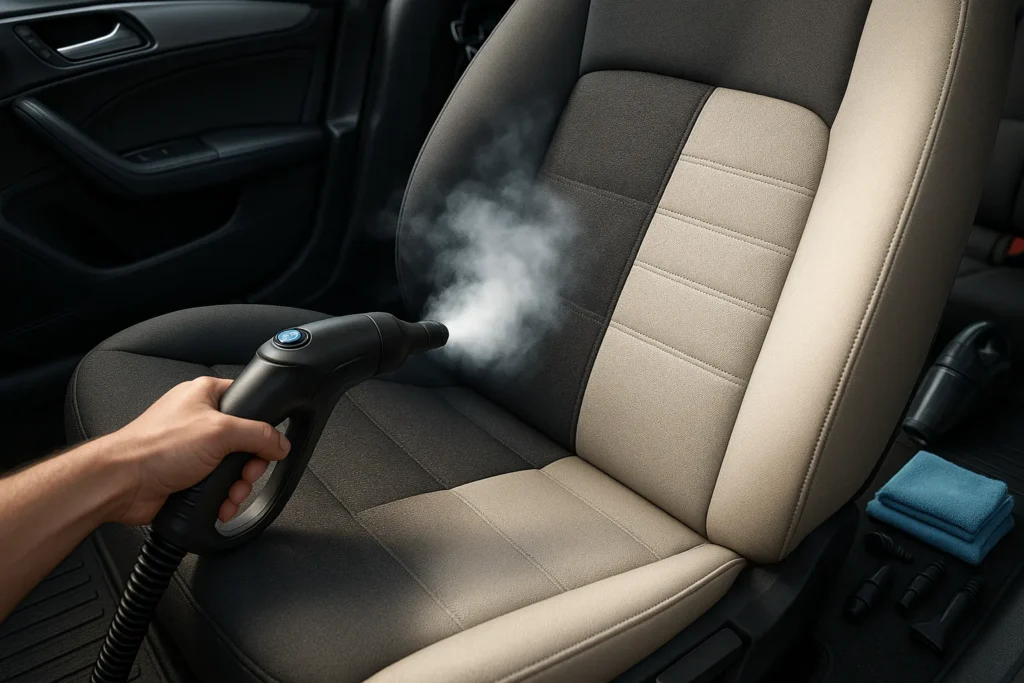
APC is versatile and safe for many interior surfaces. It cleans dashboards, door panels, and fabric seats effectively. APC removes dust, dirt, and light stains without harsh chemicals. It leaves no sticky residue behind. Use APC to refresh plastic, vinyl, and upholstery with ease. It works well on delicate materials without causing fading or damage.
Degreaser For Heavy-duty Cleaning
Degreasers are designed for tough grime and grease buildup. They excel at breaking down oily and greasy stains on areas like floor mats and engine bays. Degreasers are powerful and cut through stubborn dirt quickly. Use degreasers on surfaces that can handle strong chemicals. Avoid using degreasers on sensitive interior parts as they may cause damage or discoloration.
When To Choose Each
Pick APC for daily cleaning and light dirt removal. It suits most interior surfaces and keeps them looking fresh. Choose a degreaser for heavy grease and deep cleaning tasks. Degreasers work best on parts exposed to oil and tough grime. Assess the surface and dirt type before selecting your cleaner. Use the gentler APC for routine care, and save degreasers for strong cleaning jobs only.
Safety For Car Interiors
Choosing between an APC (All-Purpose Cleaner) and a degreaser for your car interior affects safety. Both have cleaning power but differ in strength. Using the wrong product can harm surfaces inside your vehicle.
Understanding how each product interacts with interior materials helps protect your car. Safety means preserving fabrics, leather, and plastics without damage.
Effects On Fabrics And Leather
APCs are usually gentle on fabrics and leather. They clean dirt and stains without stripping natural oils. Degreasers are stronger and can remove tough grease. This strength may cause fading or dryness in delicate materials.
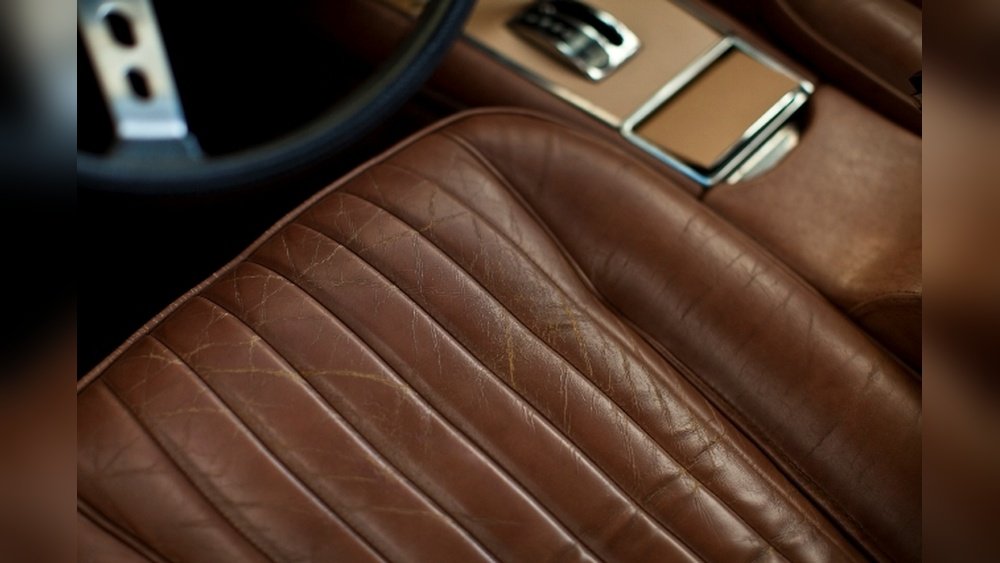
Leather is sensitive. Harsh chemicals in degreasers can crack or discolor it. Fabrics may weaken or lose color. Choose products labeled safe for interiors to avoid damage.
Potential Risks Of Overuse
Using APC or degreaser too often can cause harm. Overuse leads to buildup of chemicals on surfaces. This buildup attracts more dirt and makes cleaning harder. It can also dry out leather and fade fabric colors.
Repeated heavy cleaning may wear down protective coatings. This exposure leaves surfaces vulnerable to stains and sun damage. Clean only when necessary to keep interiors healthy.
Dilution And Application Tips
Always dilute degreasers as per instructions. Strong solutions increase the risk of damage. APCs also work best when diluted properly. Use a spray bottle for even application.
Test the cleaner on a small, hidden area first. Wait a few minutes to check for color changes or texture loss. Use soft microfiber cloths to apply and remove cleaners gently.
Avoid soaking surfaces. Light, controlled cleaning keeps interiors safe and fresh.
Application Techniques
Applying cleaners correctly ensures a clean and safe car interior. Both APC (All-Purpose Cleaner) and degreasers have specific methods that protect surfaces and boost cleaning power. Knowing the right steps helps avoid damage and keeps your car looking fresh.
Proper Cleaning Steps With Apc
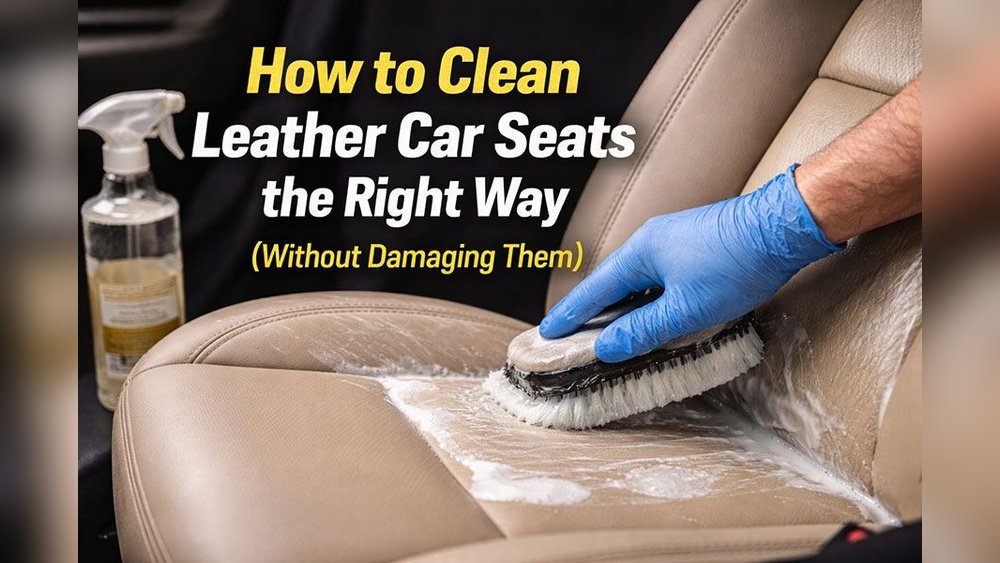
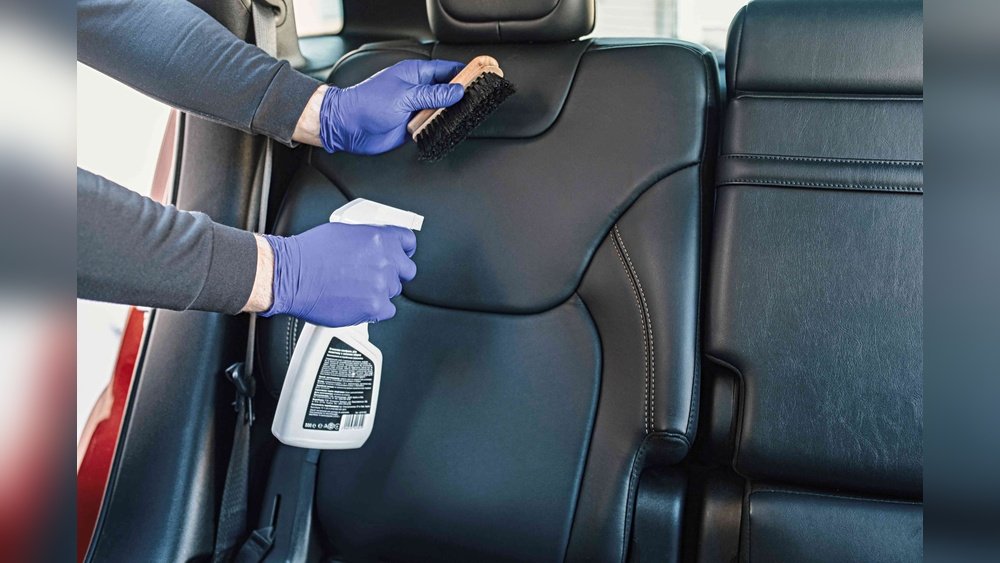
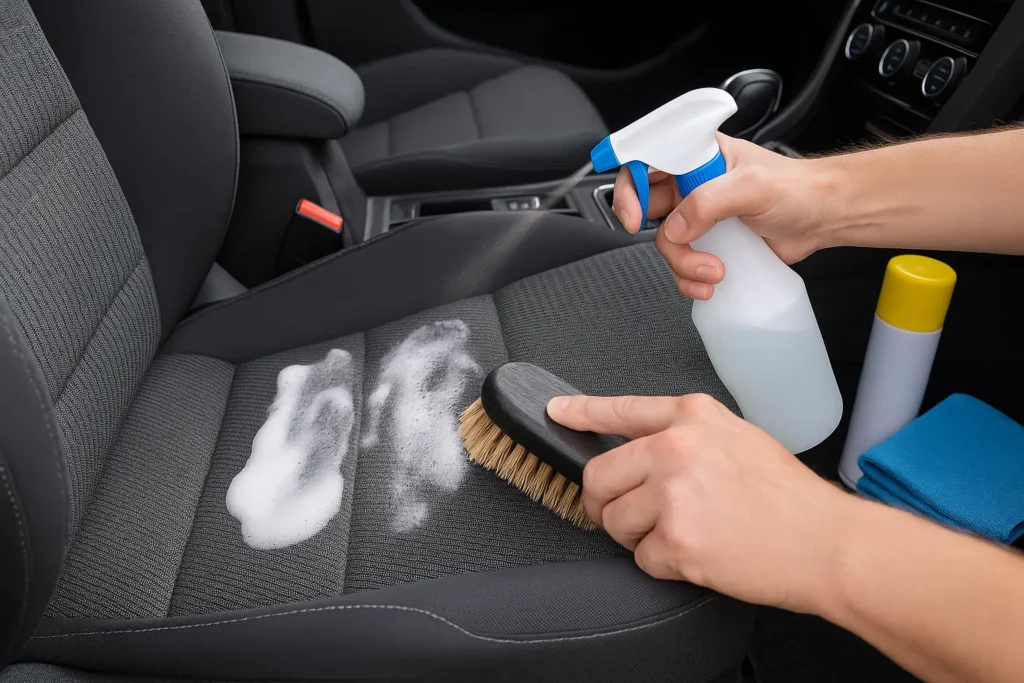
Start by vacuuming the interior to remove loose dirt. Spray the APC lightly on the surface. Use a soft brush or microfiber cloth to scrub gently. Wipe away the residue with a clean, damp cloth. Allow the area to dry fully before using the car again. Repeat if stains remain, but avoid soaking surfaces.
Using Degreaser Safely Inside
Choose a degreaser designed for indoor use. Test on a small hidden area first to check for damage. Apply the degreaser sparingly on greasy spots only. Let it sit for a short time, usually 1–2 minutes. Use a soft brush to break down grime. Wipe clean with a damp cloth and dry quickly to prevent damage.
Tools And Accessories
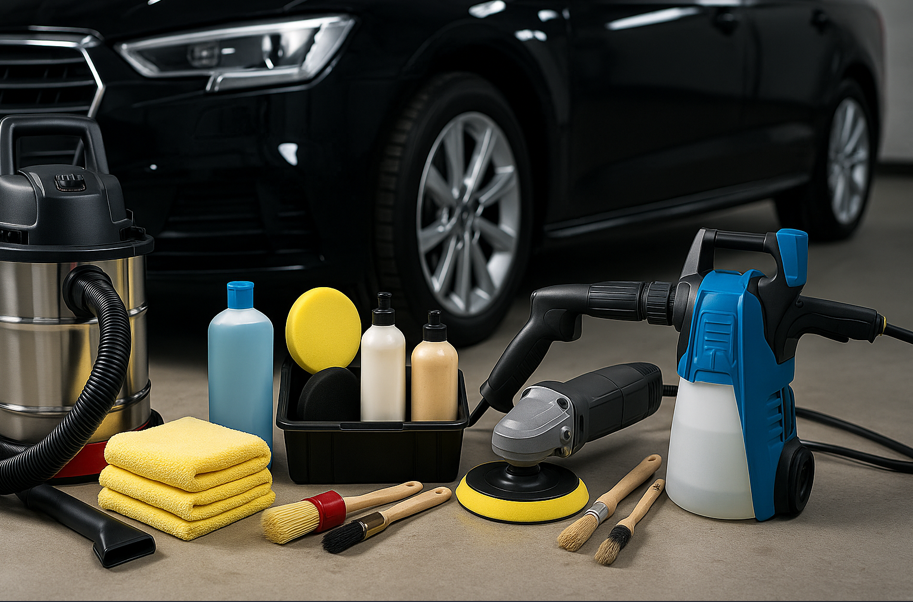
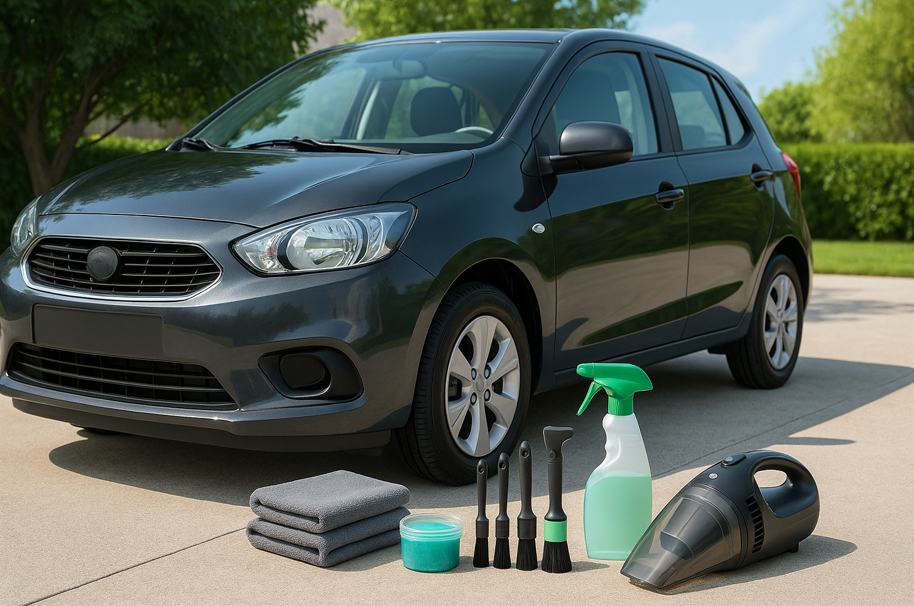
Microfiber towels work best for wiping and drying. Soft-bristled brushes reach into seams and textured surfaces. Spray bottles help control the amount of cleaner applied. Foam applicators spread products evenly on fabric seats. Gloves protect your hands from chemicals during cleaning.
Comparing Results
Choosing between an All-Purpose Cleaner (APC) and a degreaser for car interior cleaning depends on the results you want. Each product works differently on stains, residue, and long-term care. Understanding their strengths helps keep your car interior fresh and clean.
Stain Removal Effectiveness
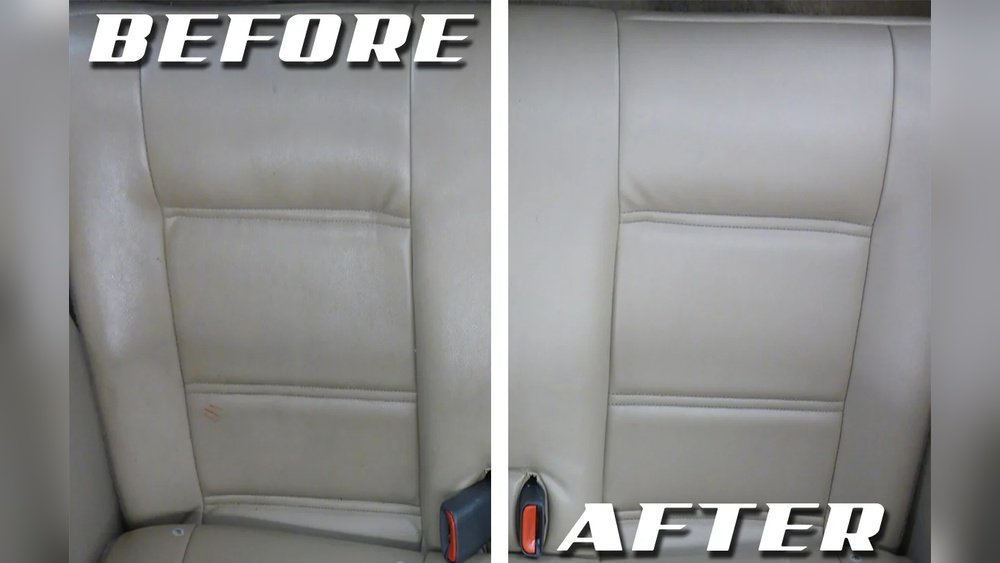
Degreasers excel at breaking down tough grease and oil stains. They quickly dissolve sticky grime on surfaces like dashboards and door panels. APCs handle a wider range of stains, including dirt, dust, and light grease. They clean fabric and plastic without harsh effects. For heavy grease, degreasers perform better. For everyday dirt and mixed stains, APCs work well.
Residue And Finish
Degreasers can leave a slightly dry or powdery finish if overused. This may require wiping down with water afterward. APCs usually leave minimal residue and a natural finish. They often include ingredients that add a slight shine and softness to surfaces. Choosing APC reduces the chance of sticky or dull spots after cleaning.
Long-term Interior Care
APCs are gentler and safe for regular use on multiple surfaces. They help maintain the interior’s appearance without damage. Degreasers should be used sparingly, as frequent use can dry out materials like leather or vinyl. For ongoing care, APCs support lasting cleanliness and material health. Use degreasers only for deep, occasional cleaning to protect your car’s interior.
Choosing The Right Product
Choosing the right cleaning product for your car interior can be tricky. Both APCs (All Purpose Cleaners) and degreasers serve different purposes. Picking the correct one ensures effective cleaning without damaging surfaces. Consider what type of dirt or stain you need to remove and the material of your car interior. This will guide your choice and protect your vehicle’s finish.
Understanding product formulations, budget limits, and local recommendations helps make a smart decision. Below are key points to think about before buying.
Product Formulations To Look For
Select a product with gentle but effective ingredients. APCs often contain mild surfactants that clean without harming vinyl, leather, or fabric. Degreasers usually have stronger chemicals to break down oils and heavy grime.
Check for pH-balanced cleaners to avoid fading or cracking surfaces. Look for products labeled safe for car interiors. Avoid harsh solvents that can remove color or finish. Fragrance-free or low-fragrance formulas reduce allergic reactions inside the car.
Budget Considerations
Set a budget before shopping. Basic APCs are often affordable and versatile for light to medium dirt. Degreasers tend to cost more due to stronger ingredients.
Buying a mid-range product saves money and still gives good results. Avoid the cheapest cleaners that may damage your car’s interior. Consider buying in small sizes to test the product first. This prevents waste and extra costs.
Recommendations For Austin Car Owners
Austin’s hot climate means dust and sweat buildup inside cars. Choose cleaners that handle sticky residues and dust well. APCs with UV protection help prevent sun damage on the dashboard and seats.
For heavy grease or food stains, a mild degreaser works better. Many local auto shops in Austin stock products made for Texas weather. Look for brands with good reviews from Austin drivers. Test products on a small area before full use to avoid surprises.
Frequently Asked Questions
Is Apc Safe for the Car Interior?
APC is generally safe for car interiors if it is mild and used correctly. Avoid harsh APCs to prevent damage or discoloration. Use it to clean fabric, leather, vinyl, dashboards, and carpets without leaving residue. Always test on a small area first to ensure safety.
Is Apc The Same As Degreaser?
APC (All-Purpose Cleaner) and degreasers differ. APC cleans various surfaces, including interiors, while degreasers target heavy grease on engines and tires. Use APC for mild to moderate dirt, and degreasers for tough grease and grime. They are not interchangeable.
What Is The Difference Between Apc And Interior Cleaner?
APC removes heavy grime, stains, and sticky residues inside cars. Interior cleaners are milder, handling dust, fingerprints, and adding UV protection.
Can You Use Apc On Car Seats?
Yes, you can use APC on car seats. Choose a mild APC for leather or cloth to avoid damage and residue.
Conclusion
Choosing between an APC and a degreaser depends on your car’s cleaning needs. APCs work well for general dirt and light stains inside your car. Degreasers target tough grease and heavy grime more effectively. Use APC for regular cleaning to protect surfaces gently.
Save degreasers for stubborn, oily messes only. Always test a small area first. This approach keeps your car interior clean and safe without damage. Simple care makes your car look fresh longer.