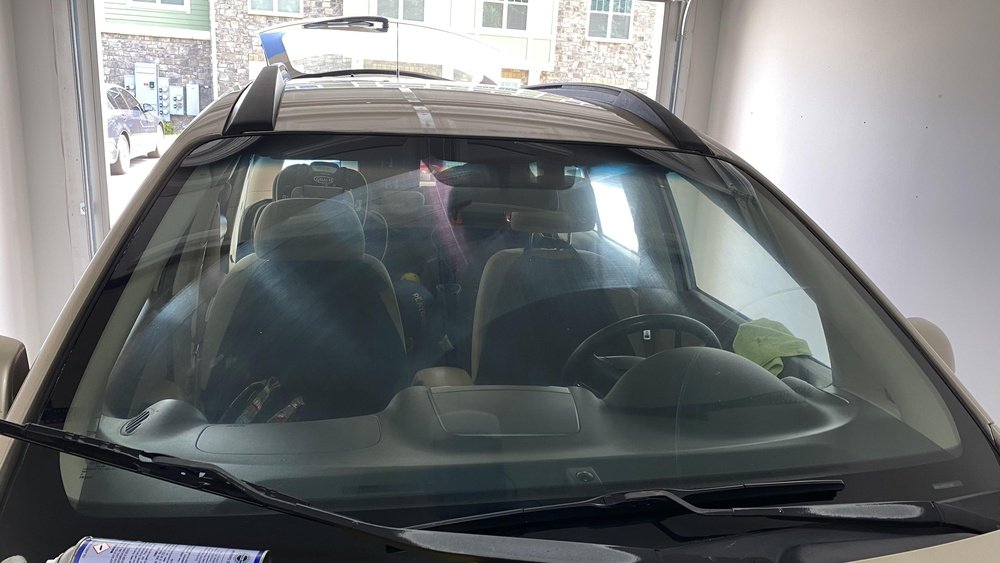
Are your car windows looking dull, hazy, or covered with a stubborn film that won’t go away no matter how much you clean? This common problem not only spoils your car’s appearance but also makes driving unsafe by reducing visibility.
You might have tried wiping them down repeatedly, only to end up frustrated with streaks or a cloudy finish. The good news is, removing that haze and film is easier than you think—and you can do it yourself with simple, effective methods.
Keep reading, and you’ll discover exactly how to restore crystal-clear windows that let you see the road clearly and drive with confidence every time.
Causes Of Window Haze
Window haze on car glass can reduce visibility and safety. Understanding what causes this haze helps in removing it effectively. Several factors create the cloudy film or foggy look on car windows.
Condensation And Moisture
Condensation forms when warm air inside the car meets cold glass. Moisture collects on the window surface, causing fog or haze. This often happens on cold or humid days. Moisture stays trapped and creates a blurry film over time.
Residue From Cleaning Products
Using the wrong cleaning products leaves a sticky residue. Some cleaners contain oils or waxes that build up on glass. These residues cause a cloudy, hazy look that regular wiping won’t fix. Overuse of sprays or improper rinsing increases this problem.
Environmental Contaminants
Dirt, dust, and pollution settle on car windows constantly. These particles mix with rain or dew to form a thin film. Road grime and exhaust fumes also add to the film. This layer dulls the glass and blocks clear vision.
Interior Film Build-up
The inside of car windows collects oils from skin and hair. Smoke and cooking fumes also stick to glass surfaces. Over time, these contaminants create a greasy film. This interior haze is tough to remove with simple cleaning.

Credit: www.reddit.com
Tools And Materials Needed
Removing haze and film from car windows requires the right tools and materials. Using proper cleaning supplies ensures a clear, streak-free finish. The process becomes easier and more effective with quality items. Gather these essentials before starting your cleaning project.
Microfiber Cloths
Microfiber cloths are soft and gentle on glass surfaces. They trap dirt and dust without scratching the windows. Use clean cloths for wiping and drying to avoid streaks. Avoid paper towels or rough fabrics that can leave lint behind.
Isopropyl Alcohol
Isopropyl alcohol helps dissolve greasy film and stubborn haze. It evaporates quickly, leaving no residue. Mix with water or use it alone to wipe the glass. Always test a small area to ensure it does not damage any surface.
Dish Soap
Dish soap cuts through dirt and oily residues on windows. Use a few drops in warm water to create a cleaning solution. This mixture helps break down grime before wiping with a cloth. Choose mild, clear dish soap for the best results.
Glass Cleaner
Glass cleaner is designed to remove fingerprints and smudges. It brightens the glass and prevents streaks if used correctly. Spray on the surface and wipe with a microfiber cloth for a crystal-clear finish. Select ammonia-free products to protect tint films.
Specialty Cleaning Towels
Specialty cleaning towels provide extra absorbency and lint-free cleaning. These towels are made for automotive glass care. They help polish the windows after cleaning for a spotless look. Keep them clean and dry for the best performance.
Step-by-step Cleaning Process
Removing haze and film from car windows restores clear vision and improves safety. The cleaning process involves a few simple steps. Each step prepares the glass for the next, ensuring a spotless finish. Follow this step-by-step guide to make your windows crystal clear again.
Initial Wash With Soap And Water
Start by rinsing the windows with clean water. Use a soft cloth or sponge and mild soap. Gently scrub the glass to remove dirt and grime. Rinse thoroughly to wash away all soap residue. Dry the surface with a clean microfiber towel to avoid streaks.
Applying Isopropyl Alcohol
Pour isopropyl alcohol onto a clean cloth. Wipe the window surface evenly using circular motions. This step breaks down the haze and film on the glass. Avoid pouring alcohol directly on the window to prevent damage. Let the alcohol evaporate completely before moving on.
Buffing Techniques
Use a dry microfiber cloth to buff the glass gently. Apply light pressure and move in small circles. This removes any remaining haze and polishes the surface. Change cloth sections often to avoid spreading dirt. Buff until the glass shines and feels smooth to touch.
Final Glass Cleaning
Spray a quality glass cleaner on the window. Wipe with a fresh microfiber cloth in vertical strokes. Flip the cloth and wipe again in horizontal strokes. This double-action removes streaks and fingerprints. Finish by inspecting the glass from different angles to ensure clarity.

Credit: www.youtube.com
Tips To Avoid Future Haze
Preventing haze and film buildup on car windows keeps your view clear and safe. Small habits make a big difference. Follow simple steps to keep windows clean longer. These tips reduce the chance of fog and grime returning quickly.
Regular Cleaning Schedule
Clean your car windows often to stop haze from forming. Use a soft cloth and a gentle cleaner. Wipe both inside and outside surfaces. Regular cleaning removes dirt and oils that cause film. Set a weekly or biweekly routine to maintain clarity.
Proper Ventilation
Keep fresh air flowing inside the car. Open windows slightly or use the air conditioner fan. This lowers moisture buildup on the glass. Moisture causes fog and haze, especially in cold weather. Good airflow dries the windows faster and prevents fogging.
Using Quality Cleaning Products
Choose cleaning products made for car windows. Avoid household cleaners with harsh chemicals or ammonia. These can leave residue or damage window tint. Use glass cleaners that remove oils and dirt without streaks. Quality products keep windows clearer for longer.
Avoiding Contaminant Sources
Keep food, drinks, and smoke away from car windows. These create oily films that attract dust and grime. Also, avoid using strong air fresheners near windows. Dirt and grease from hands can add to the haze. Small changes prevent buildup and keep windows spotless.
Handling Stubborn Or Persistent Film
Stubborn or persistent film on car windows can block your view and reduce driving safety. This haze often comes from oils, smoke residue, or hard water stains. Simple cleaning might not remove it completely. Special methods work better to clear tough films and restore clarity. These approaches help remove buildup that regular cleaners leave behind.
Using Glass Top Cleaner
Glass top cleaners use strong formulas to cut through grime and film. Spray the cleaner on the window surface. Let it sit for a few seconds to break down the film. Wipe with a microfiber cloth in circular motions. Repeat if needed until the haze disappears. These cleaners work well on oily and sticky residues.
Employing Clay Bars
Clay bars remove embedded dirt and contaminants from glass surfaces. Lubricate the window with a clay bar lubricant or water. Rub the clay bar gently over the glass using light pressure. The clay picks up tiny particles causing haze. Wipe off any residue with a clean cloth. This method leaves the glass very smooth and clear.
Professional Detailing Options
Detailers use advanced tools to remove stubborn film safely. They may use polishing pads with special compounds to smooth the glass. Some use steam cleaning or chemical treatments to dissolve buildup. Professionals ensure no scratches or damage to the windows. This option suits severe haze that home methods cannot fix.
Preventing Interior Window Fog
Preventing interior window fog keeps your car windows clear and safe. Fog forms when moisture inside the cabin meets cold glass. This reduces visibility and can be dangerous while driving. Controlling humidity and using proper defogging methods help stop fog before it starts. Simple steps and the right products make a big difference.
Controlling Cabin Humidity
Keep moisture levels low inside your car. Use the air conditioner or heater to balance temperature. Avoid leaving wet clothes or shoes inside the vehicle. Open windows briefly to air out the cabin on dry days. Use moisture absorbers or silica gel packs to reduce dampness.
Defogging Techniques
Turn on the defrost setting to warm the windows quickly. Direct airflow toward the windshield and side windows. Use the air conditioner to dry the air inside. Wipe windows gently with a clean cloth if fog appears. Avoid using your breath to clear fog; it adds moisture.
Using Anti-fog Products
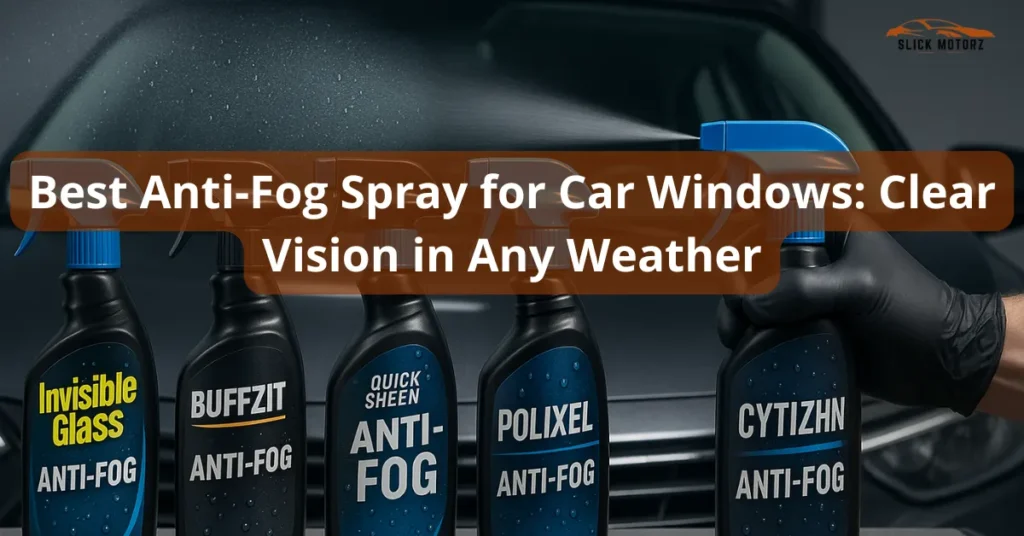
Apply anti-fog sprays or wipes designed for car windows. These products create a clear, moisture-resistant layer on glass. Follow instructions carefully for the best results. Reapply regularly, especially after cleaning windows. Anti-fog treatments reduce the chance of condensation forming.
Credit: www.reddit.com
Frequently Asked Questions
How Do You Get Cloudy Film Off Car Windows?
Clean car windows by washing with dish soap and water. Then, wipe with isopropyl alcohol using a microfiber cloth to remove cloudy film. Repeat if needed for a clear, streak-free finish.
How Do You Get Rid Of Cloudy Haze On Windows?
Remove cloudy haze on windows by cleaning with a mixture of dish soap and water. Wipe with isopropyl alcohol using a microfiber cloth. Dry thoroughly to avoid streaks. Repeat if needed for stubborn film. Ensure proper ventilation to prevent moisture buildup inside the car.
Why Does My Car Window Look Hazy?
Your car window looks hazy due to condensation, dirt, or oily film buildup. Moisture inside reacts with cold glass, causing fog. Regular cleaning with glass cleaner and isopropyl alcohol removes haze effectively.
How Do Detailers Clean Inside Windshield Without Streaks?
Detailers use a glass cleaner and two clean microfiber cloths. They wipe in circular motions, then buff with a dry cloth to prevent streaks. Using isopropyl alcohol before cleaning removes oily films, ensuring a clear, streak-free inside windshield.
Conclusion
Removing haze and film from car windows keeps your view clear and safe. Use simple cleaning tools like microfiber cloths and isopropyl alcohol. Clean regularly to prevent buildup and avoid streaks. Remember, patience helps—take your time with each window. Clear windows improve driving comfort and reduce accidents.
Keep your car windows spotless for a better driving experience every day.