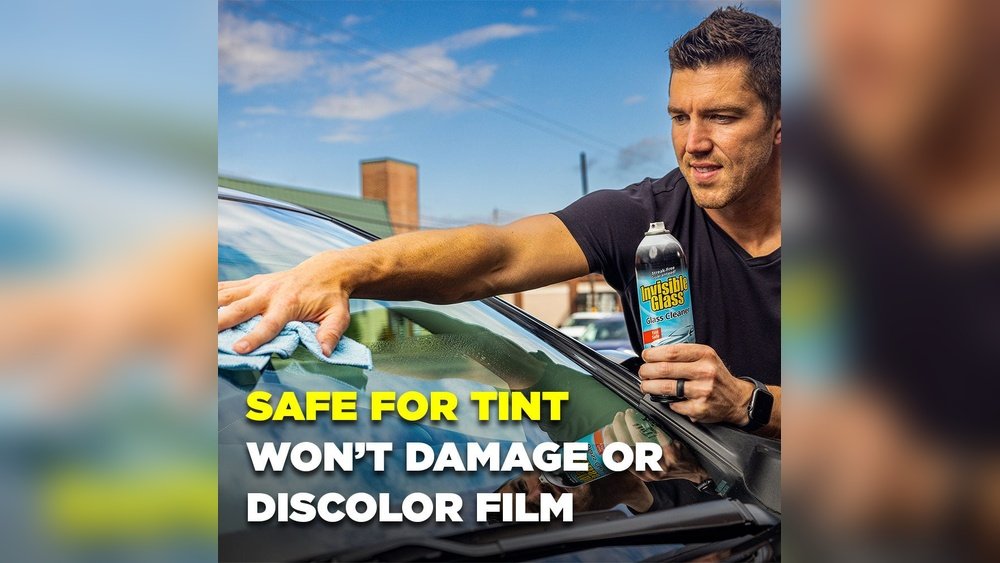
Are you wondering if the glass cleaner you use could be harming your window tint? You’re not alone.
Many people ask, “Can glass cleaners damage window tint? ” because tinted windows add style and protect your car’s interior, but they also need special care. Using the wrong cleaner might cause bubbling, discoloration, or peeling, which nobody wants. You’ll discover which glass cleaners are safe and which ones to avoid, so you can keep your tinted windows looking flawless for years to come.
Keep reading to learn how to protect your investment with simple, effective cleaning tips.

Credit: www.accenttint.com
Window Tint Basics
Understanding the basics of window tint helps protect it from damage. Window tint is a thin film applied to glass surfaces. It reduces heat, blocks UV rays, and enhances privacy. Knowing what type of tint you have and how it is applied guides proper care. This knowledge helps prevent accidental damage from cleaning products.
Types Of Window Tint
Window tints come in several types. Dyed film uses a dark dye layer to block sunlight. It is the most affordable but can fade over time. Metalized film contains tiny metal particles that reflect heat and light. This type is durable but may interfere with electronic signals. Ceramic tint has non-metallic particles and offers strong heat rejection. It is more expensive but lasts longer and keeps clear visibility.
How Tint Films Are Applied
Applying tint film requires skill and precision. The glass is first cleaned thoroughly to remove dust and dirt. Then, the tint film is cut to fit the window size. A special adhesive on the film sticks to the glass. Installers use tools to smooth out bubbles and wrinkles. Proper application ensures the tint stays strong and clear for years.
Chemical Impact Of Glass Cleaners
Glass cleaners often contain chemicals that affect window tint quality. Understanding their chemical impact helps protect tinted windows from damage. Some ingredients can weaken the tint film or its adhesive, causing costly repairs. Choosing the right cleaner is essential to maintain clarity and durability.
Role Of Ammonia In Cleaners
Ammonia is a common ingredient in many glass cleaners. It effectively removes dirt and grime from glass surfaces. However, ammonia can harm window tint films. It penetrates the tint layer and causes discoloration or fading. Ammonia can also dry out the tint, making it brittle and less flexible.
Using ammonia-based cleaners on tinted windows increases the risk of bubbles or peeling. These effects reduce the lifespan of the tint. Many tint manufacturers recommend avoiding ammonia cleaners for this reason. Ammonia-free glass cleaners are safer and help keep tint intact.
Effects On Adhesive And Film
Certain chemicals in glass cleaners can damage the adhesive holding the tint film. This damage leads to peeling or lifting at the edges. Once the adhesive weakens, dirt and moisture get trapped under the film. This results in stains and bubbles that are hard to remove.
The tint film itself may also degrade from harsh chemicals. It can become cloudy or lose its tinting properties. Over time, the film may crack or shrink due to chemical exposure. Gentle cleaners designed for tinted windows prevent these issues and extend the tint’s life.
Common Misconceptions
Many people worry about damaging their window tint while cleaning. Several myths about glass cleaners cause confusion. Understanding common misconceptions helps protect your tinted windows. Below are two main ideas people often get wrong.
Is Windex Always Harmful?
Windex often gets a bad reputation for tinted windows. The main concern is its ammonia content. Ammonia can harm some window tints by breaking down adhesive or fading the film. But not all Windex products contain ammonia. Some ammonia-free versions are safe to use. Always check the label before using Windex on tinted glass. Using the wrong type might cause bubbling or discoloration.
Myths About Home Cleaners
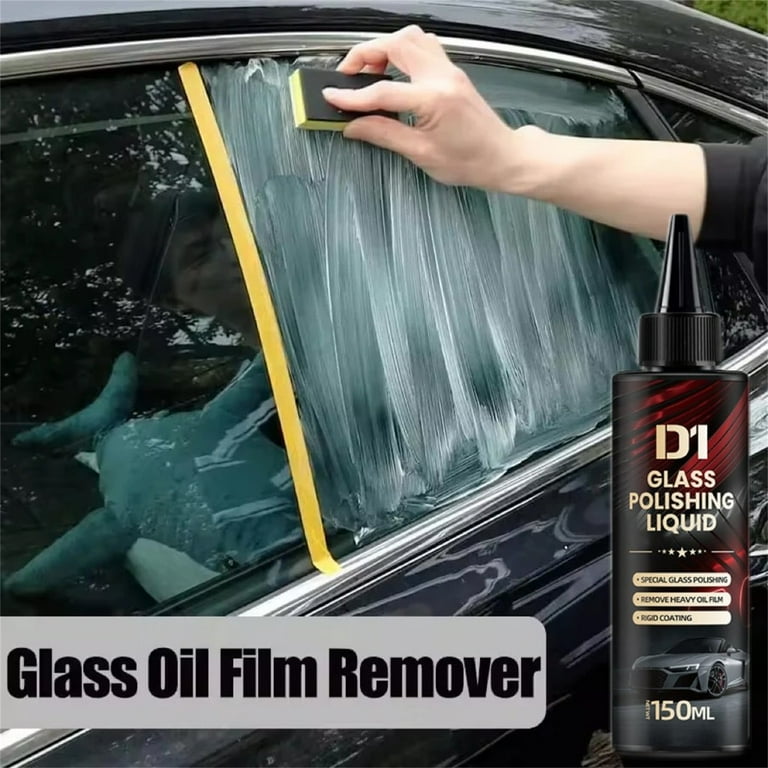
Many believe all home glass cleaners damage window tint. This is not true. Some cleaners use harsh chemicals, but others are mild and safe. Vinegar solutions, soap water, and special tint-safe cleaners work well. Avoid cleaners with ammonia, bleach, or strong acids. These chemicals can weaken tint films over time. Using a soft cloth also prevents scratches on the tint surface.
Credit: www.walmart.com
Safe Cleaning Alternatives
Cleaning window tint requires care to avoid damage. Many glass cleaners contain harsh chemicals that can harm the tint film. Choosing safe cleaning alternatives protects your tint and keeps windows clear. Simple, gentle solutions work best for tinted windows.
Ammonia-free Cleaners
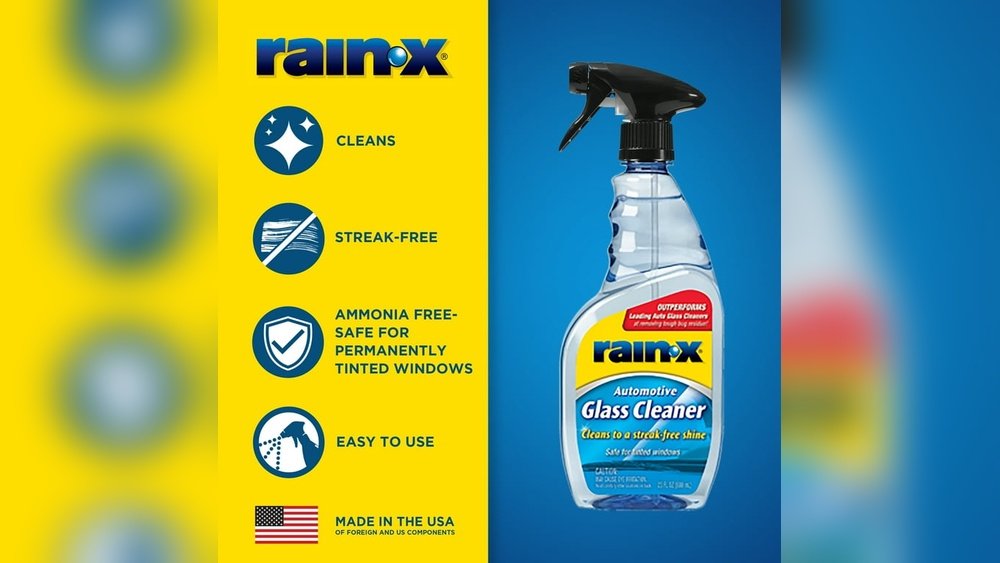
Ammonia breaks down the adhesive on window tint. This causes bubbling, peeling, or discoloration over time. Ammonia-free cleaners avoid this risk. They clean glass without damaging the film. Look for products labeled “ammonia-free” or “tint-safe.” These are designed specifically for tinted windows. Using these cleaners keeps your tint intact and looking new.
Diy Cleaning Solutions
Homemade cleaners offer a safe way to clean tinted windows. Mix equal parts of water and white vinegar in a spray bottle. This solution removes dirt and streaks gently. Use a soft microfiber cloth to wipe the glass. Avoid paper towels or abrasive materials that can scratch the tint. This simple mix cleans well without harsh chemicals. It is affordable and easy to make at home.
Proper Cleaning Techniques
Proper cleaning techniques protect window tint from damage and keep it looking new. Using the right tools and following the correct steps helps avoid scratches and discoloration. It also prevents the tint film from peeling or bubbling. Careful cleaning extends the life of your tinted windows.
Tools To Avoid
Avoid using abrasive cloths or paper towels on tinted windows. These can cause tiny scratches on the film. Do not use ammonia-based cleaners, as ammonia breaks down the adhesive in the tint. Stay away from razor blades or sharp tools that can cut or peel the tint. Use only soft microfiber cloths and tint-safe cleaning solutions.
Step-by-step Cleaning Guide
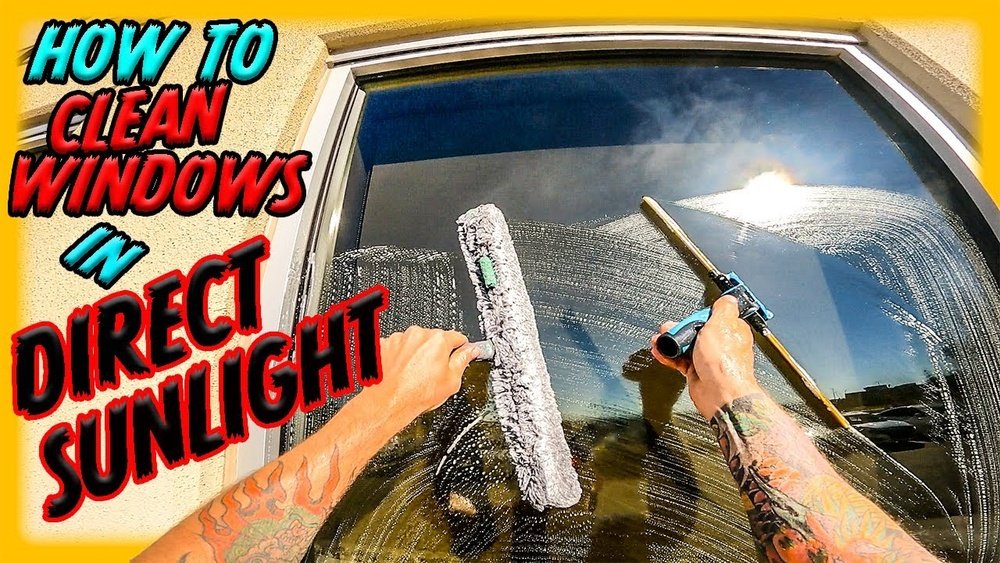
First, spray a tint-safe cleaner on the window surface. Avoid spraying too much liquid to prevent streaks. Use a clean microfiber cloth to gently wipe the window in a circular motion. Focus on removing dirt and smudges without applying strong pressure. Dry the window with a separate dry cloth to avoid water spots. Repeat if necessary, but keep the cleaning gentle and light.
Signs Of Tint Damage
Window tint adds style and protection to your car or home windows. It can block harmful UV rays and reduce heat. But tint can get damaged. Early signs of tint damage help you protect your investment. Watch for changes in color, texture, or appearance. These signs show the tint needs attention or replacement.
Discoloration And Fading
Discoloration is a common sign of tint damage. The tint film may lose its original color. It can turn purple, yellow, or cloudy. Fading happens when harmful chemicals in some glass cleaners break down the tint. Ammonia-based cleaners are often the cause. This damage reduces the tint’s effectiveness and makes it look old and worn.
Bubbling And Peeling
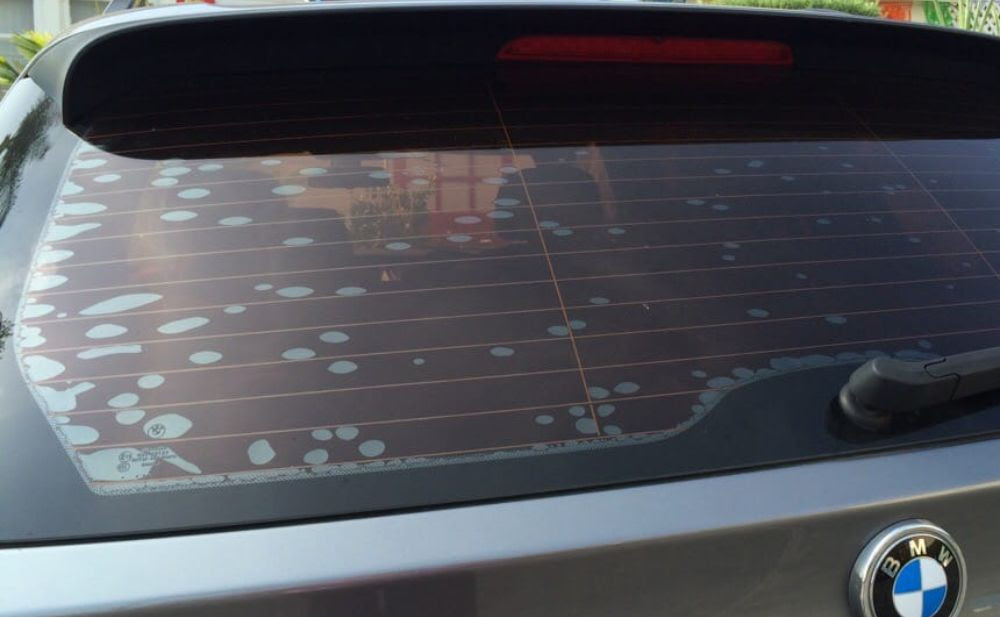
Bubbling appears as small air pockets under the tint film. These bubbles form when the adhesive weakens. Peeling happens when the tint starts to lift from the glass edges. Both bubbling and peeling often occur after using harsh cleaners. These problems let moisture and dirt get under the tint. They ruin the smooth finish and can shorten the tint’s life.
Maintenance Tips For Longevity
Proper care helps your window tint last longer and look better. Regular maintenance protects the film from damage and fading. Simple steps keep your tint clear and strong. Follow easy tips to avoid costly repairs or replacements.
Regular Cleaning Schedule
Clean tinted windows gently and often. Use a soft cloth or microfiber towel. Choose cleaners labeled safe for window tint. Avoid ammonia-based products that cause bubbles and discoloration. Wipe in a circular motion to prevent scratches. Dry the surface completely to stop streaks. Stick to cleaning every two weeks or as needed. This routine keeps dirt and grime from building up.
Protecting Against Harsh Elements
Sunlight and weather can weaken tint over time. Park in shaded spots to reduce sun exposure. Use sunshades inside the car to block heat. Avoid using harsh chemicals on tinted windows. Keep sharp objects away to prevent tears or scratches. Regularly inspect for signs of peeling or bubbling. Early care helps maintain the tint’s strength and appearance.
Credit: www.pipsdetailing.com
Frequently Asked Questions
Can You Use Glass Cleaner On Window Tint?
Avoid glass cleaners with ammonia on window tint, as they can damage or discolor the film. Use ammonia-free, tint-safe cleaners instead.
Can Windex Mess Up Window Tint?
Windex with ammonia can damage window tint by weakening adhesive, causing bubbling, peeling, or discoloration. Use ammonia-free, tint-safe cleaners instead.
Is Spray Away Glass Cleaner Safe For Tinted Windows?
Spray Away glass cleaner is ammonia-free and safe for tinted windows. It cleans effectively without damaging tint film or adhesive.
Is It Okay To Use Glass Cleaner On Car Windows?
Using glass cleaner on car windows is generally safe, but avoid ammonia-based cleaners on tinted windows. Ammonia can damage tint film by causing bubbling, peeling, or discoloration. Choose ammonia-free, tint-safe glass cleaners to protect and maintain window tints effectively.
Conclusion
Glass cleaners with ammonia can harm window tint quickly. They may cause bubbling, peeling, or discoloration. Choose cleaners labeled safe for tinted windows instead. Always read product labels before use. Clean gently with a soft cloth to avoid scratches. Proper care extends the life of your tint.
Protect your investment by avoiding harsh chemicals. Keep your windows clear and tint intact. Simple steps prevent costly damage and maintain appearance. Stay cautious and your tint will last longer.