Are you wondering if you can use a foam cannon with any pressure washer you have? It’s a common question for car enthusiasts and DIY cleaners alike.
You want that thick, rich foam to make washing your vehicle easier and more effective. But not all pressure washers are built the same, and using the wrong setup might leave you frustrated or even damage your equipment. You’ll discover exactly what types of pressure washers work best with foam cannons, how to choose the right one for your needs, and simple tips to get that perfect foam every time.
Keep reading to make your next wash easier, faster, and more satisfying!
Foam Cannon Basics
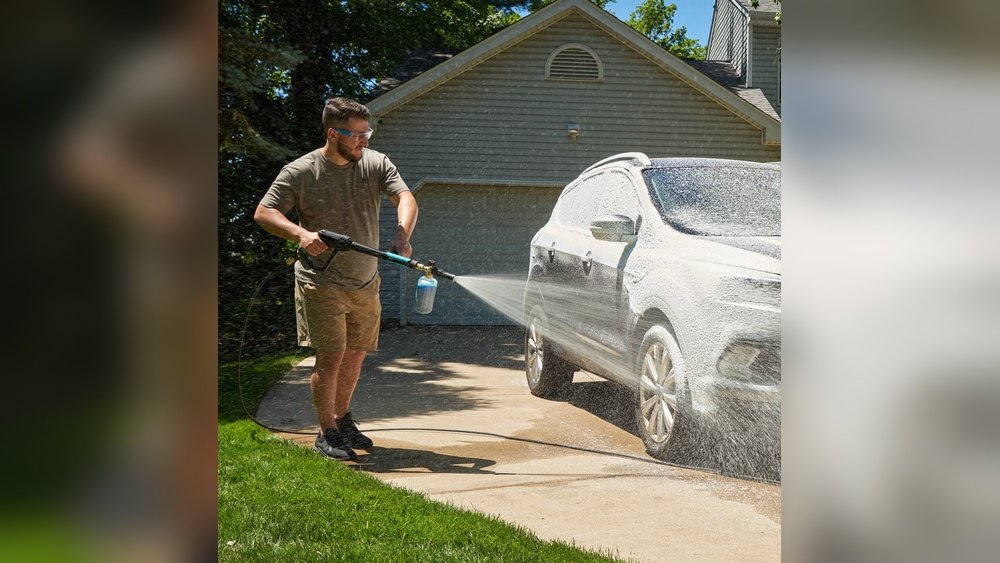
Understanding the basics of foam cannons helps to choose the right tool for your cleaning needs. Foam cannons create thick foam that clings to surfaces, making cleaning easier and more effective. They work by mixing water, air, and soap under pressure.
Knowing the difference between foam cannons and similar tools helps you use them correctly. This section explains what a foam cannon is and how it compares to a foam gun.
What Is A Foam Cannon
A foam cannon is a device that attaches to a pressure washer. It mixes soap with water and air to produce thick foam. This foam covers surfaces evenly and sticks to dirt and grime. The foam helps lift dirt off without scratching the surface.
Foam cannons usually have adjustable settings. You can control the foam thickness and soap mixture. They are ideal for washing cars, boats, and other vehicles.
Foam Cannon Vs Foam Gun
A foam gun is similar but works with a garden hose. It does not need a pressure washer. Foam guns produce lighter foam compared to foam cannons. The foam is less thick and less clingy.
Foam cannons create richer, thicker foam thanks to pressure washers. Foam guns are easier to use but may not clean as deeply. The choice depends on your cleaning needs and available equipment.
Pressure Washer Compatibility
Not all pressure washers work well with foam cannons. Compatibility depends on pressure, type, and connectors. Understanding these factors helps you pick the right setup.
A proper match between your foam cannon and pressure washer ensures thick foam and good cleaning power.
Pressure Requirements
Foam cannons need a certain pressure level to create thick foam. Most require at least 1,000 PSI to work properly. Lower pressure washers may produce weak foam or none at all. Check your pressure washer’s PSI before buying a foam cannon. Some foam cannons also need a specific flow rate, usually around 1.5 to 2.5 gallons per minute (GPM).
Types Of Pressure Washers
Pressure washers come in electric and gas models. Electric washers usually have lower pressure, ideal for light cleaning and foam cannons with low pressure needs. Gas washers offer higher pressure and flow, perfect for thick foam and tough dirt. Some foam cannons only work with gas washers due to higher pressure demands. Choose a foam cannon that matches your pressure washer’s type and power.
Nozzle And Connector Types
Foam cannons attach to pressure washers using nozzles and connectors. Most foam cannons use a quick-connect fitting, which fits standard pressure washer wands. Some washers use different thread sizes or connector types, so check compatibility. The nozzle size also affects foam quality. A 40-degree nozzle is common for foam cannons. Using the wrong nozzle or connector can cause leaks or poor foam output.
Using Foam Cannons Without Pressure Washers
Using foam cannons without pressure washers is possible and practical for many users. Not everyone owns a pressure washer, yet they want to enjoy the benefits of foam washing. Special foam guns connect directly to garden hoses and provide a simpler option. These tools create foam by mixing soap with water pressure from the hose.
The foam quality differs from what pressure washers produce. Still, it helps loosen dirt and grime before washing your car. Adjusting foam thickness is easy with most garden hose foam guns. You can control the soap level to get the desired foam amount.
Garden Hose Foam Guns
Garden hose foam guns attach directly to a standard hose. They do not need a pressure washer to work. These guns mix soap with water from the hose to create foam. Users can spray foam onto cars or other surfaces easily. It is a cost-effective way to enjoy foam washing at home.
Foam Quality Differences
Foam from garden hose guns is less thick than pressure washer foam. It is runnier and less dense. Pressure washers create thick, “shaving cream” like foam. Hose foam guns create lighter suds but still clean well. This foam helps soften dirt for easier washing.
Adjusting Foam Thickness
Most garden hose foam guns have a dial or knob. This control adjusts the amount of soap mixed with water. Turning the dial changes foam thickness and soap strength. Users can find the right foam level for each job. It makes washing flexible and simple without extra tools.

Credit: pittsburghsprayequip.com
Choosing The Right Foam Cannon
Choosing the right foam cannon is key for effective cleaning. A foam cannon that fits your pressure washer’s specifications will deliver better foam quality. Consider the soap mixture and the build material to ensure durability and performance. These factors help you get thick foam and protect your equipment.
Matching Pressure Washer Specs
Check your pressure washer’s PSI and GPM ratings. Foam cannons have limits on the pressure they can handle. Using a cannon with higher pressure than it supports can cause damage. Pick a foam cannon that matches or is slightly above your washer’s specs. This ensures the cannon works well without leaks or breaks.
Soap And Water Ratios
Soap and water mix differently in each foam cannon. Look for one with adjustable soap levels. This feature helps you control foam thickness. Follow manufacturer instructions for the best soap-to-water ratio. Proper mixing prevents clogging and improves foam coverage. It also saves soap and water, making cleaning cost-effective.
Durability And Materials
Foam cannons made from strong materials last longer. Stainless steel and brass parts resist rust and wear. Plastic components should be thick and sturdy. Avoid cheap plastic that can crack easily. Durable foam cannons handle regular use and harsh conditions. Investing in quality materials reduces replacements and maintenance.
Tips For Effective Foam Application
Applying foam effectively enhances your cleaning results and protects surfaces. Follow simple tips to get the best foam coverage and thickness. Proper setup, spray methods, and maintenance keep your foam cannon working well for a long time.
Proper Setup And Connection
Ensure your foam cannon fits your pressure washer. Check the connector type before attaching. Use the correct adapters if needed to avoid leaks. Fill the foam cannon bottle with the right soap mix. Use soap designed for foam cannons for thick foam. Attach the foam cannon tightly to prevent air leaks. Test the connection by spraying water without soap first.
Optimal Spray Techniques
Spray foam from the bottom up for even coverage. Keep the nozzle about 12 to 18 inches from the surface. Use slow, steady movements to cover all areas. Avoid spraying in strong wind to prevent foam loss. Adjust the soap-to-water ratio for thicker or lighter foam. Allow foam to sit for a few minutes before rinsing. Do not let foam dry on surfaces to avoid spots.
Cleaning And Maintenance
Rinse the foam cannon with clean water after each use. Remove soap residue to prevent clogging. Check the nozzle for blockages regularly. Store the foam cannon in a dry place to avoid rust. Clean the soap container thoroughly to stop mold growth. Inspect O-rings and seals for wear and replace if needed. Proper care extends the life of your foam cannon.

Credit: www.amazon.com
Common Issues And Troubleshooting
Using a foam cannon with a pressure washer can sometimes lead to common problems. These issues affect the quality of foam and the washing experience. Knowing how to spot and fix them saves time and effort. Troubleshooting helps get the best foam every time.
Foam Too Thin Or Runny
Thin foam usually means soap and water mix is off. Use more soap in the foam cannon reservoir. Check that you use the right soap type made for foam cannons. Avoid plain dish soap, as it does not create thick foam.
Adjust the foam cannon’s nozzle to control soap flow. Lower pressure washers may need a stronger soap solution. Also, clean the foam cannon’s filter if clogged. Dirt blocks soap flow and thins the foam.
Poor Spray Pattern
A poor spray pattern can cause uneven foam coverage. Check if the nozzle is dirty or blocked. Rinse it with clean water to clear debris. Make sure the foam cannon is attached tightly to the pressure washer.
Inspect the foam cannon’s nozzle for damage or wear. A worn nozzle causes irregular spray. Replace it if necessary. Align the foam cannon and pressure washer wand properly. Misalignment affects the spray shape.
Pressure Loss Problems
Pressure loss reduces foam thickness and spray distance. Inspect all connections for leaks or loose fittings. Tighten any loose parts to maintain pressure. Check hoses for cracks or holes that cause pressure drops.
The pressure washer’s pump may need maintenance or repair. Low water supply also lowers pressure. Ensure the water source has enough flow and pressure. Clean the pressure washer’s inlet filter regularly to prevent blockages.

Credit: www.youtube.com
Frequently Asked Questions
Do All Pressure Washers Work With Foam Cannons?
Not all pressure washers work with foam cannons. Check if your pressure washer supports a foam cannon connection and has sufficient PSI.
Can A Foam Cannon Work On A Regular Hose?
Yes, a foam cannon can work with a regular garden hose using a garden hose-compatible foam gun. It produces thinner foam than a pressure washer but still effectively loosens dirt for pre-washing. This option is affordable and easy to use without needing high water pressure.
What Psi Pressure Washer For Foam Cannon?
A pressure washer with 1000 to 2000 PSI works well for foam cannons. Higher PSI ensures thicker, richer foam.
How To Use A Foam Cannon With A Pressure Washer?
Attach the foam cannon to the pressure washer’s lance. Fill the cannon with soap and water mix. Adjust the foam output knob. Spray the vehicle evenly. Let foam sit briefly before rinsing.
Conclusion
Not all pressure washers work with every foam cannon type. Check your washer’s pressure and connection first. Some foam cannons need higher pressure for thick foam. Others fit only specific hose sizes or fittings. Using the right foam cannon improves cleaning and protects surfaces.
Choose one that matches your pressure washer’s power and design. This ensures better foam coverage and easier washing. Remember, a good fit means better results and less frustration. Take time to find the right match for your equipment. This makes washing faster and more effective every time.