Have you ever been stuck in your car with a foggy windshield, struggling to see the road clearly? It’s frustrating and can even be dangerous.
But what if you could stop your windshield from fogging up without turning on the heat? Whether you’re trying to save fuel, avoid overheating your car, or just want a simple, quick fix, there are effective ways to keep your windshield clear without relying on heat.
You’ll discover easy, practical tips that anyone can use to beat the fog and drive safely—no heat required. Keep reading to find out how you can improve your visibility and feel confident behind the wheel every time you get in your car.
Causes Of Windshield Fogging
Windshield fogging happens because of simple physical changes inside your car. Understanding these causes helps you stop the fog without using heat. The main reasons involve moisture, air temperature, and cold glass surfaces.
Moisture And Temperature Differences
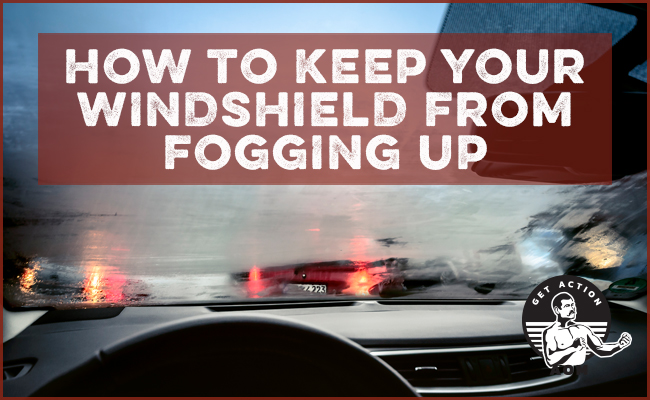
Fog forms when warm, moist air meets a cold surface. The warm air cools quickly and water vapor turns into tiny droplets. These droplets collect on the windshield, creating fog. Temperature differences between inside and outside the car cause this effect.
Humidity Inside The Car
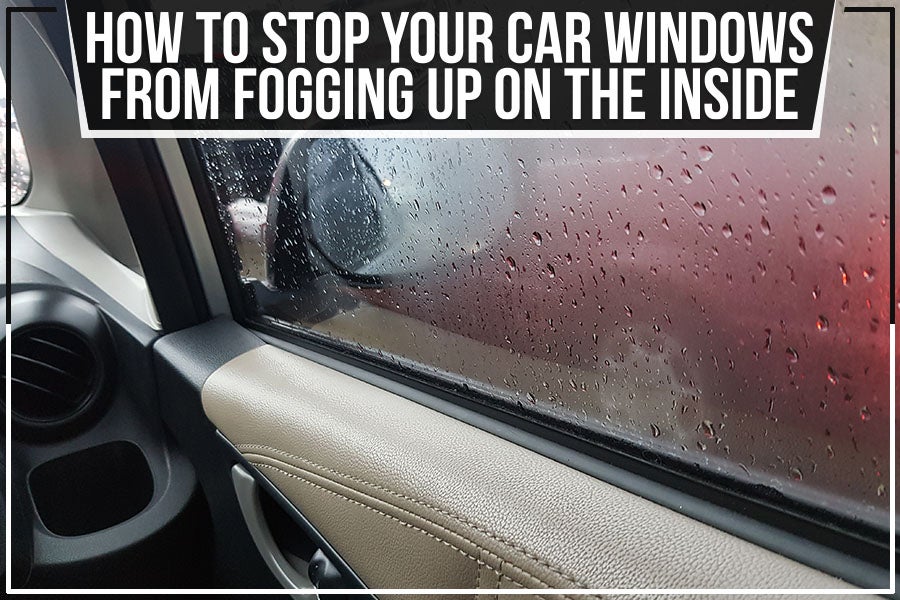
People breathe out moisture, which adds humidity inside the car. Wet clothes, drinks, or wet floors also increase moisture levels. Higher humidity means more water vapor in the air. This extra moisture easily condenses on cold glass, causing fogging.
Cold Glass Surfaces
Glass cools faster than other parts of the car. On cold days, the windshield temperature drops below the air temperature inside. This makes the glass surface cold. When humid air touches the cold windshield, fog appears quickly and covers the glass.
Credit: www.artofmanliness.com
Air Circulation Tricks
Keeping your windshield clear without using heat is possible with smart air circulation techniques. These tricks help reduce moisture inside the car quickly. Proper airflow prevents fog from forming on the glass. Simple steps like adjusting windows and air settings improve visibility and safety.
Crack Windows For Ventilation
Opening your windows slightly lets fresh air in. This exchange lowers humidity inside the car. Even a small gap works to clear moisture fast. It is especially useful on cool days. Fresh air stops fog from settling on your windshield.
Turn Off Air Recirculation
Switch off the air recirculation button in your car. This setting traps humid air inside. Bringing in outside air reduces dampness inside the cabin. Outside air is usually drier and cooler. This simple change helps clear fog faster without heat.
Use Car Ac Without Heat
Turning on the air conditioner without heat pulls moisture from the air. The AC cools the air and removes dampness. This dry air lowers the chance of fog forming. You stay comfortable while keeping windows clear. Using AC without heat is an effective way to stop fog.
Diy Anti-fog Solutions
Foggy windshields reduce visibility and make driving unsafe. Many people think only heat can clear the fog. DIY anti-fog solutions work without heat. These methods are simple, affordable, and effective. You can prepare your windshield before fog appears. Here are some easy ways to keep your windshield clear.
Vinegar And Water Spray
Mix equal parts white vinegar and water in a spray bottle. Spray the solution on the inside of your windshield. Wipe it off gently with a clean microfiber cloth. Vinegar’s acid helps stop fog from forming. This spray can last up to a week with regular use. It is safe and does not damage glass.
Soap And Water Coating
Use a small amount of liquid dish soap and water. Mix a few drops of soap in a cup of water. Apply the mixture to the windshield with a soft cloth. Spread it evenly to create a thin film. This layer prevents moisture from sticking to the glass. Avoid over-applying to keep the glass clear and streak-free.
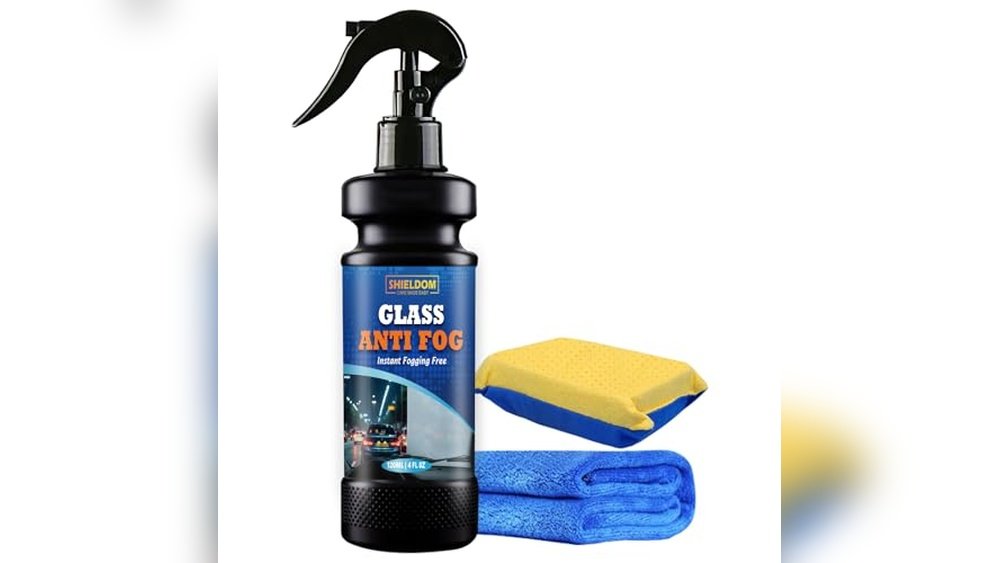
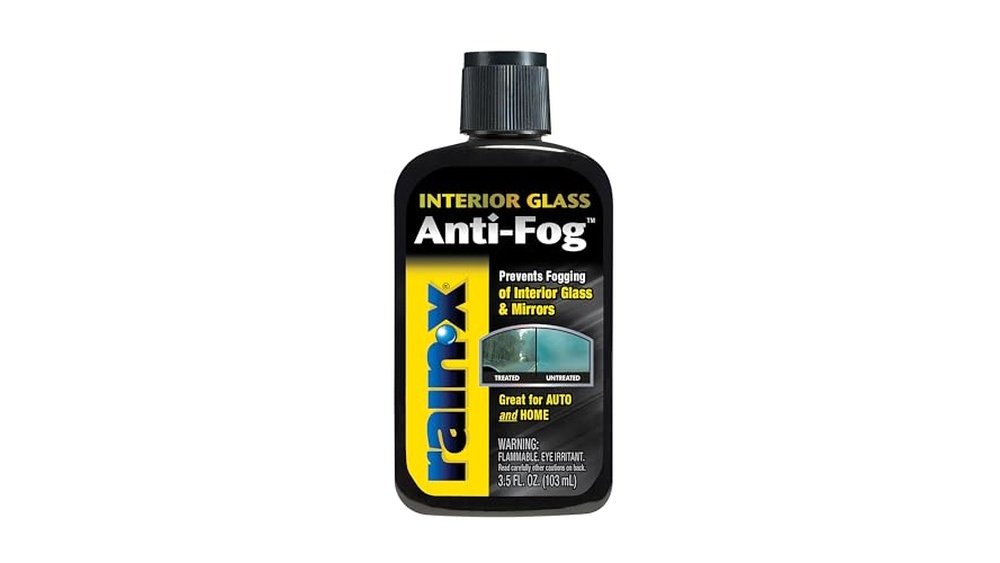
Commercial Anti-fog Sprays
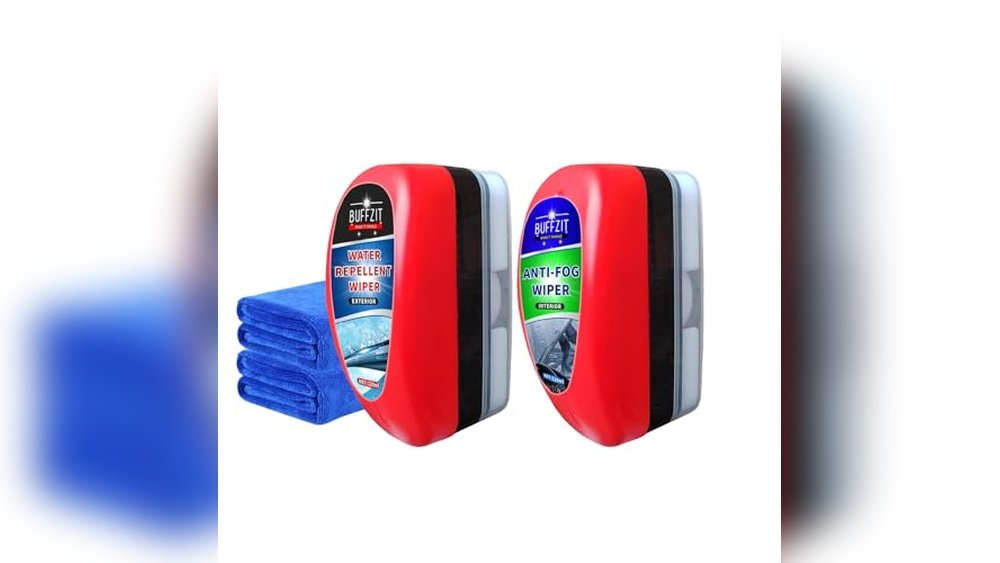
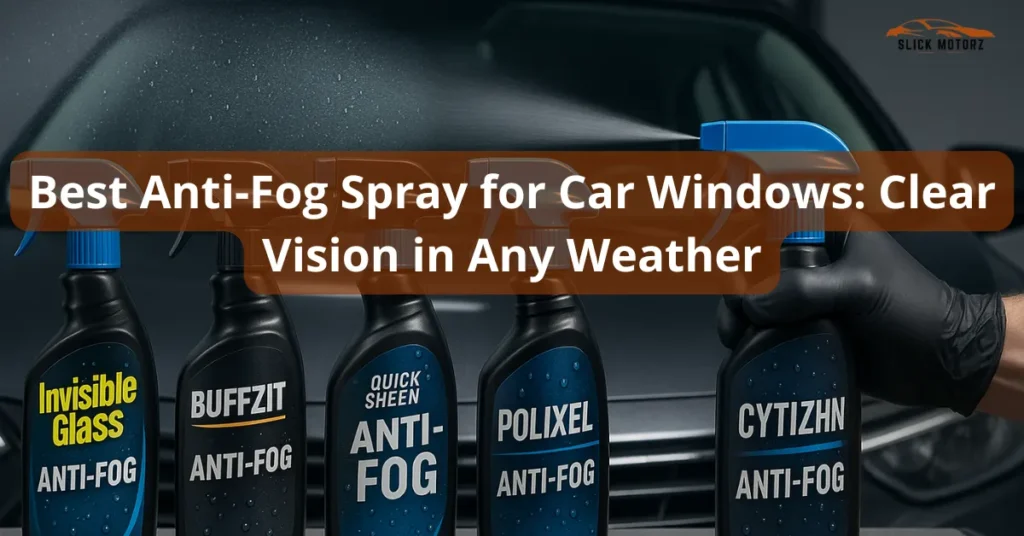
Anti-fog sprays are available at automotive stores. They contain ingredients designed to prevent fog build-up. Follow the instructions on the label carefully. Spray the product onto the inside of the windshield. Wipe it evenly with a microfiber cloth. These sprays offer longer-lasting protection than homemade solutions.
Credit: www.johnleemazda.com
Interior Moisture Control
Controlling moisture inside your car is key to stopping windshield fogging without heat. Moisture builds up from wet items, breath, and outside humidity. Managing this moisture reduces fog on your windows. Simple steps can keep your car’s interior dry and clear.
Remove Damp Items
Wet clothes, umbrellas, and floor mats add moisture inside your car. Take out these damp items quickly. Leaving them inside raises humidity and causes fog. Dry any wet belongings outside the vehicle before storing them.
Use Absorbent Materials
Place towels or microfiber cloths in your car to soak up moisture. These materials trap water vapor and keep the air drier. Change or dry them often to keep absorbing moisture effectively. This method helps keep your windows clear longer.
Apply Silica Gel Packs
Silica gel packs absorb moisture from the air inside your car. Place several packs under seats or in door pockets. Replace the packs after a few weeks to maintain effectiveness. This simple step helps reduce interior humidity and window fogging.
Window Cleaning Tips
Keeping your car windows clean is key to stopping windshield fogging without heat. Dirt and grease trap moisture, causing fog to form. Follow simple window cleaning tips to improve visibility and safety on the road.
Clean Glass Thoroughly
Start by washing your windows inside and out. Use a gentle glass cleaner or a mix of water and vinegar. Remove all dirt, dust, and smudges. Clean glass reduces places where moisture can stick.
Use Microfiber Cloths
Wipe the glass with soft microfiber cloths. These cloths absorb moisture and do not scratch surfaces. Avoid paper towels or rough fabrics. They leave lint and streaks that worsen fogging.
Avoid Residue Build-up
Residue from cleaners or car products can cause fogging. Rinse your windows well after cleaning. Do not use oily or waxy substances on the glass. Keep the glass smooth and residue-free for clear views.
Credit: www.youtube.com
Preventive Measures
Preventing windshield fogging without heat relies heavily on simple, effective steps. These measures reduce moisture buildup and stop fog before it starts. Applying these tips keeps your windshield clear and your driving safe.
Wax Your Windshield
Applying wax creates a smooth, water-repellent surface on the glass. This prevents tiny water droplets from sticking and forming fog. Use car-specific glass wax and follow the instructions carefully. Reapply wax every few months for best results.
Seal Cabin Leaks
Check your car for leaks that let moist air inside. Common spots include door seals and window edges. Use weather stripping or sealant to close gaps. A dry cabin means less chance of fog forming on the windshield.
Park In Dry, Warm Places
Choose parking spots that stay dry and warm. Avoid damp areas like under trees or near bodies of water. Warm places reduce humidity inside the car. Less moisture inside means less fog on your windshield.
Alternative Tools
Alternative tools can help stop windshield fogging without using heat. These tools reduce moisture inside the car and improve air circulation. Using them is simple and effective. They provide good options for drivers who want to keep their windshield clear in cold or humid weather. Below are some useful tools you can try.
Portable Dehumidifiers
Portable dehumidifiers remove moisture from the air inside your car. They work well in small spaces like vehicles. You just plug them in or use rechargeable models. This helps reduce fog by lowering humidity levels quickly. Many models are compact and easy to place on the dashboard or floor. Running a dehumidifier can keep your windshield clear without needing heat.
Exhaust Fans
Exhaust fans help by pulling moist air out of the car. They increase air flow and prevent humidity build-up. You can use small battery-powered fans near windows or vents. These fans push damp air outside, reducing fog formation. They are especially helpful if you park your car in humid areas. Exhaust fans provide a steady way to keep air dry without heating.
Steaming Methods
Steaming uses warm, moist air to clear fog quickly. You can create steam by boiling water and letting the vapor reach the windshield. The steam heats the glass gently and evaporates moisture on the surface. This method does not need car heat or electricity. It is fast and effective for immediate defogging. Take care to avoid burns when using steam near the windshield.
Frequently Asked Questions
How To Keep Fog Off Windshield Without Heat?
Turn on the AC to remove moisture from the air. Disable recirculation to bring in dry outside air. Crack windows briefly for ventilation. Apply anti-fog sprays or vinegar solution for longer protection. Wiping the windshield with a microfiber cloth also helps reduce fog.
Does Vinegar Prevent Fogging?
Vinegar prevents fogging by creating a thin, acidic film on surfaces. Spray a vinegar-water mix, then wipe with a microfiber cloth. This method reduces fog for up to a week, keeping glass clearer in humid conditions.
Are There Any Diy Defogging Solutions?
Yes, mix equal parts vinegar and water, spray on glass, then wipe with a microfiber cloth to prevent fogging.
How To Defog A Car With No Ac?
Turn on the car heater at maximum and direct airflow to the windshield. Use the rear window defogger if available. Crack windows slightly to let moist air escape and allow fresh air in. Wipe windows with a microfiber cloth to remove residual fog quickly.
Conclusion
Stopping windshield fog without heat is simple and effective. Use air circulation by cracking windows slightly. Turn on the AC to reduce moisture inside. Keep the recirculation off to bring in dry air. Wipe the glass with a clean cloth when needed.
Try natural solutions like vinegar spray for longer protection. These easy steps improve visibility and keep you safe while driving. Clear windows mean better focus and fewer distractions. Stay prepared and avoid fog build-up without relying on heat.