Have you ever been stuck behind the wheel with your windshield fogged up, making it hard to see the road clearly? It’s frustrating and can even be dangerous.
Using an anti-fog spray for your car is a simple trick that can keep your windows clear and your drive safe. But how do you use it correctly to get the best results? You’ll discover easy steps to apply anti-fog spray like a pro, so you can enjoy clear visibility no matter the weather.
Keep reading to find out how this small product can make a big difference every time you drive.
Benefits Of Anti-fog Spray
Anti-fog spray offers clear advantages for every car owner. It helps keep your windshield and windows clear in different weather conditions. Using this spray makes driving safer and more comfortable. It creates a protective layer that stops fog from forming.
Below are key benefits that show why anti-fog spray is useful for your car.
Improved Visibility
Anti-fog spray stops moisture from building up on glass surfaces. This means you see the road clearly even in cold or humid weather. Clear windows reduce glare and prevent blurry views. Better visibility helps you react faster to traffic and obstacles.
Enhanced Safety
Foggy windows can cause accidents by blocking your view. Anti-fog spray keeps your windows free from fog, lowering the risk of crashes. It helps you maintain focus and avoid distractions. Safe driving conditions protect you, passengers, and others on the road.
Easy Application
Applying anti-fog spray takes only a few simple steps. Spray on clean windows and wipe gently with a cloth. The spray dries quickly without leaving streaks. Regular use keeps your car windows clear without extra effort or tools.

Credit: www.youtube.com
How Anti-fog Spray Works
Anti-fog spray stops fog from forming on your car’s glass. It works by changing how water droplets behave on the surface. This keeps your view clear and safe while driving. Understanding how it works helps you use it better.
Reducing Surface Tension
Anti-fog spray lowers the surface tension of water on glass. Normally, water forms tiny droplets that block your view. The spray spreads water into a thin, even layer. This layer stays clear and does not block light.
Creating Transparent Film
The spray leaves a thin, invisible film on the glass. This film stops moisture from gathering into droplets. It keeps the surface smooth and clear. The film lasts for hours or days, depending on use and weather.
Types Of Surfaces Compatible
Anti-fog spray works on many surfaces in your car. It is safe for glass, plastic, and mirrors. Avoid using it on painted surfaces or leather. Always check the product label for surface compatibility before use.
Choosing The Right Spray
Choosing the right anti-fog spray for your car is crucial for clear visibility. Not all sprays work the same. Some last longer, while others are easy to apply. Understanding the options helps you pick the best spray for your needs. This section breaks down popular brands, product effectiveness, and DIY alternatives.
Popular Brands
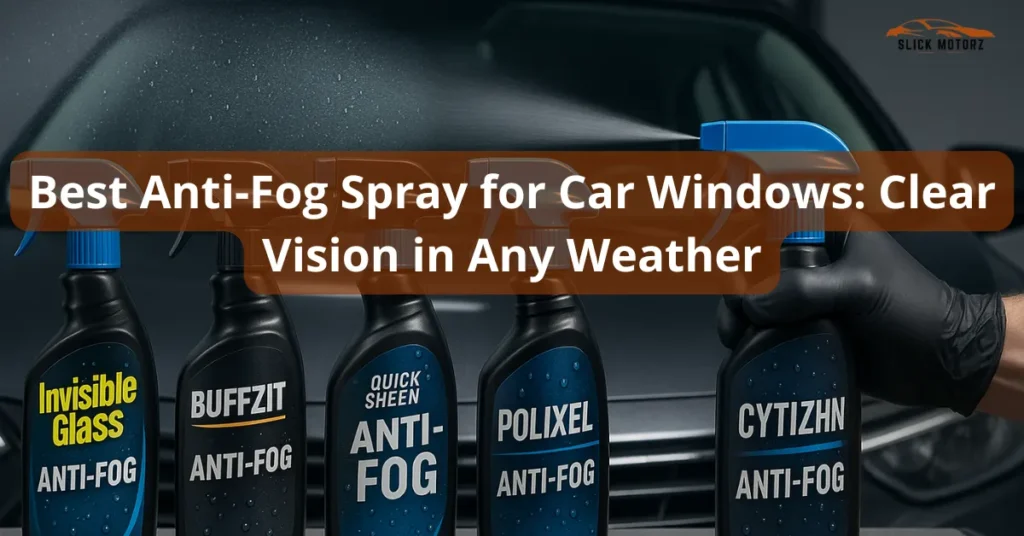
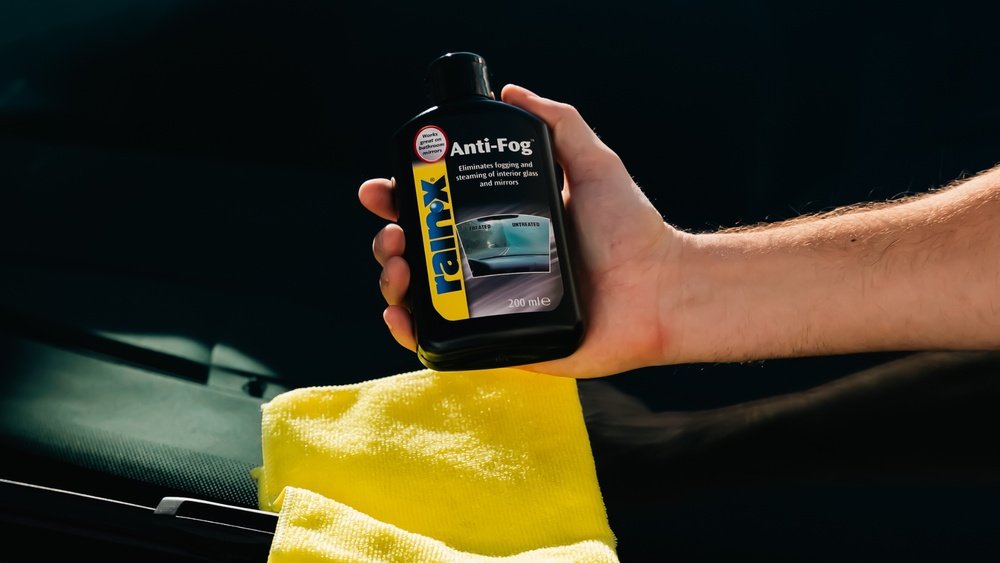
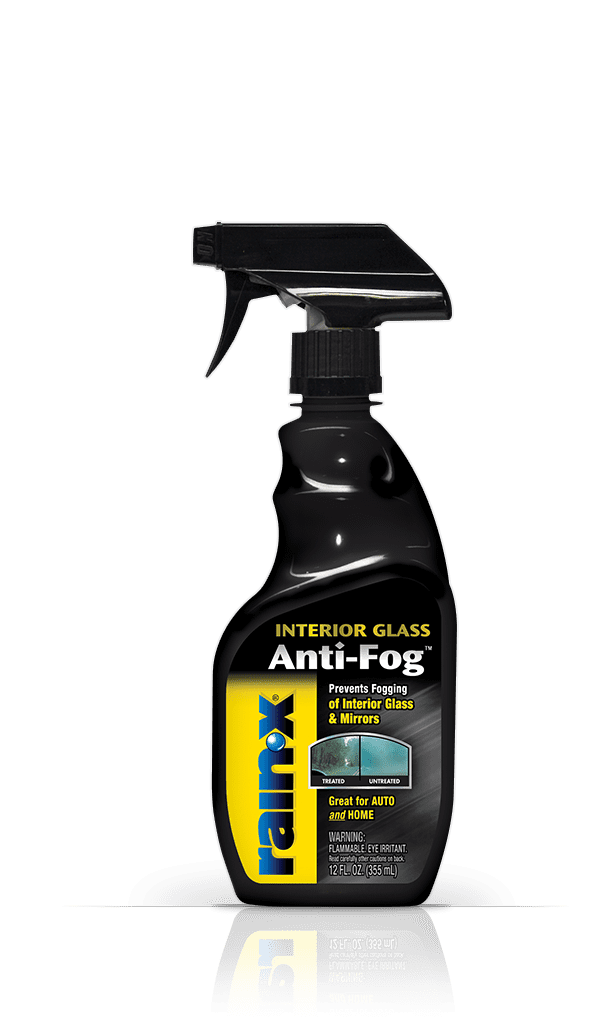
Several brands offer anti-fog sprays designed for cars. Rain-X is a well-known name in this category. It creates a clear, thin layer that stops fog from forming. Another popular brand is Fog-X, praised for its long-lasting effect. Some drivers prefer 3M anti-fog spray for its easy application and quick drying time. Choosing a trusted brand often means better results.
Product Effectiveness
Effectiveness varies widely between sprays. The best sprays reduce fog for days or weeks. They work by creating a smooth surface that stops water droplets from forming. Some sprays need reapplication after rain or cleaning. Others may leave streaks or a greasy feel. Always test a small area first to see how well it works on your car’s glass.
Diy Alternatives
Homemade options are popular for those on a budget. A mix of water and mild dish soap can help reduce fog. Some people use shaving cream, rubbing it on the glass and wiping off the excess. Another option is a solution of vinegar and water. These DIY sprays may not last as long but can work in a pinch.
Credit: www.cinquequarti.com
Preparing Your Car Surface
Preparing your car surface is a key step before applying anti-fog spray. A clean and dry windshield allows the spray to work effectively. Dirt, grease, or moisture can stop the spray from sticking properly. Taking time to prepare the surface ensures clearer, fog-free glass for longer.
Cleaning The Windshield
Start by washing your windshield with water and mild soap. Use a soft cloth or sponge to avoid scratches. Focus on removing dust, bugs, and grime. Clean both inside and outside surfaces for the best results.
Removing Residue And Dirt
After washing, check for sticky spots or oily residue. Use a glass cleaner or rubbing alcohol on a lint-free cloth. Gently wipe the surface to remove all traces of dirt and grease. This step helps the anti-fog spray bond well with the glass.
Drying The Surface
Dry the windshield completely using a clean microfiber cloth. Avoid paper towels as they can leave fibers behind. Ensure no moisture remains, especially in corners and edges. A dry surface improves the spray’s ability to prevent fogging.
Applying Anti-fog Spray
Applying anti-fog spray to your car’s windows is simple but requires care. Proper application ensures clear visibility and safer driving. Follow the steps carefully for the best effect.
Spray Techniques
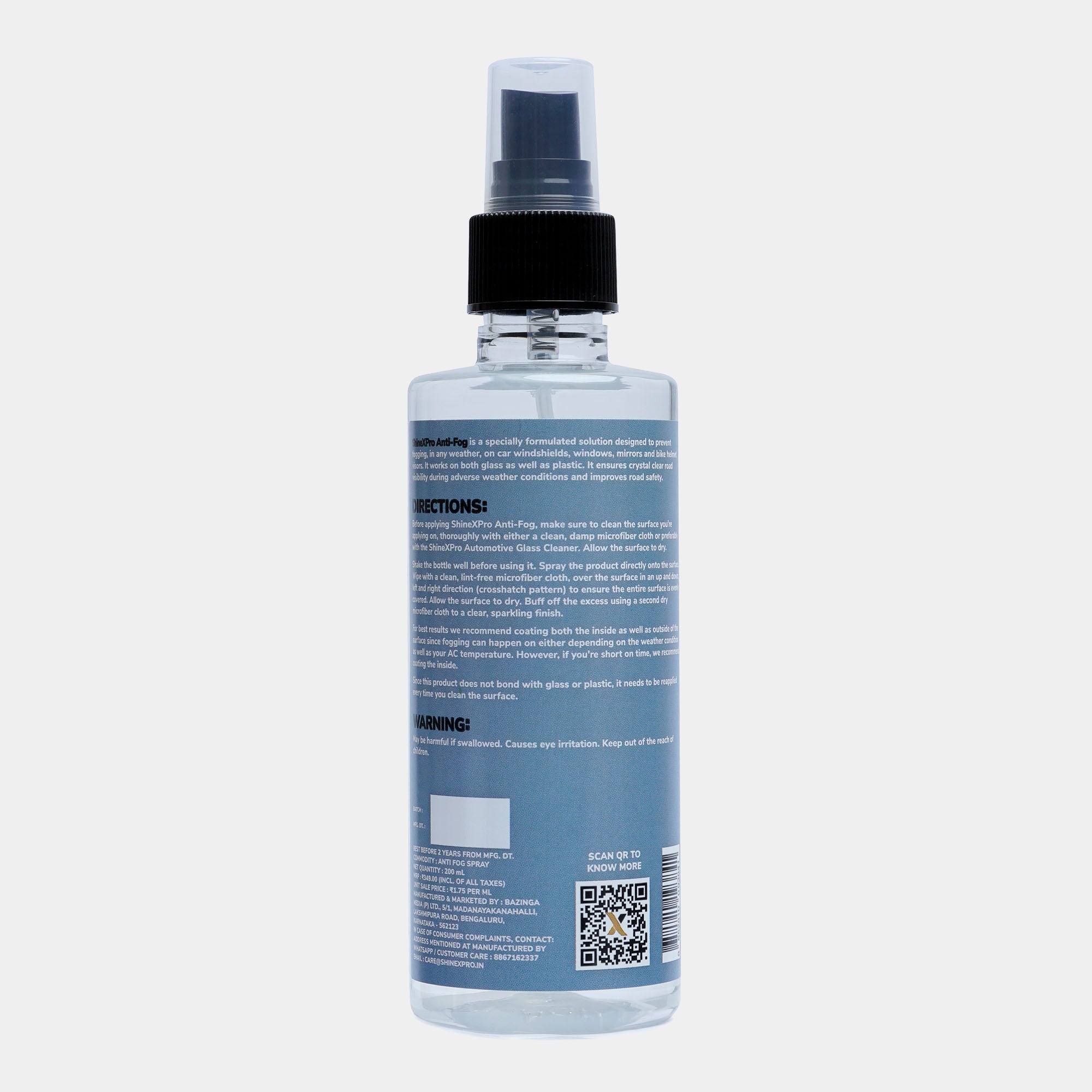
Start with a clean, dry surface. Shake the spray bottle well before use. Hold the bottle about 6 inches from the glass. Spray an even, light mist across the entire window. Avoid heavy spots or drips. Work in small sections for full coverage.
Buffing For Best Results
Use a soft, clean microfiber cloth to buff the sprayed surface. Gently rub the glass in circular motions. This spreads the spray evenly and removes excess product. Buff until the glass looks clear and dry. Proper buffing helps the spray create a lasting anti-fog layer.
Common Mistakes To Avoid
Do not spray on dirty or wet windows. Dirt traps moisture and reduces effectiveness. Avoid using paper towels; they can scratch the glass. Do not skip buffing, or fogging may return quickly. Avoid spraying too much product; it can leave streaks and reduce clarity.
Credit: www.rainx.com
Maintenance And Reapplication
Maintaining your car’s anti-fog spray is crucial for clear visibility. The spray forms a protective layer that stops fog from forming. Over time, this layer wears off. Regular care and timely reapplication keep your windshield fog-free. Follow simple steps to ensure the spray works well and lasts longer.
When To Reapply
Reapply the anti-fog spray every few weeks. Check your windshield for signs of fogging. If fog appears easily, it is time to spray again. Also, clean the glass before each application. Dirt and dust reduce the spray’s effectiveness.
Handling Exposure To Rain And Sweat
Rain and sweat can wash away the anti-fog layer. After heavy rain, wipe your windshield gently. Avoid harsh scrubbing, which can remove the spray. Inside the car, sweat and humidity may cause fog. Use the spray often in humid conditions for best results.
Dealing With Streaks
Streaks may appear if you apply too much spray. Use a clean, soft cloth to spread the spray evenly. Buff the glass lightly to remove excess product. Avoid spraying directly onto the windshield; spray on the cloth first. This prevents streaks and keeps your view clear.
Alternative Defogging Methods
Anti-fog sprays work well, but other methods also help clear your car windows fast. These alternative defogging methods use tools and tricks you likely already have. They can make driving safer by keeping your view clear in wet or cold weather.
Using Car Defrost Settings
Your car’s defrost system is designed to clear fog and frost. Turn on the front defrost to blow warm air on the windshield. This warms the glass and removes moisture quickly. Use the rear defrost button to clear the back window with heat. Adjust the fan speed for faster results. Make sure your air conditioner is on to dry the air inside the car. This method works well without any extra products.
Household Items As Defoggers
Simple household items can help clear fog from your car windows. Rubbing a small amount of shaving cream on the glass creates a thin layer that stops fog. Wipe it off gently with a clean cloth. Dish soap mixed with water also works as a fog barrier. Use a soft cloth to spread a thin layer and let it dry. These items are cheap and easy to find. They provide a quick fix when you don’t have anti-fog spray.
Combining Methods For Best Results
Using more than one method often gives the best results. Apply anti-fog spray for a long-lasting shield. Then use the car defrost settings to remove immediate fog. Add a quick wipe with household items if fog returns. Keep your windows clean and dry before applying sprays or lotions. Combining these steps helps keep your windows clear during any weather. This approach improves visibility and driving safety every time.
Troubleshooting Common Issues
Anti-fog sprays can be very helpful for clear car windows. Sometimes, users face issues that reduce their effectiveness. This section will guide you through common problems and their solutions. Understanding these points will help you get better results from your spray.
Spray Not Working Effectively
Check if the surface is clean before applying the spray. Dirt or grease can stop the spray from working well. Use a mild cleaner and dry the glass fully. Apply the spray evenly in a thin layer. Avoid using too much spray, as it can cause streaks.
Fog Returning Quickly
Reapply the spray regularly, especially after rain or washing. The spray’s effect fades over time and with water exposure. Keep the car’s ventilation system working well to reduce moisture inside. Avoid touching the treated surface, which can remove the protective layer.
Surface Damage Concerns
Choose a spray that is safe for your car’s glass and plastic parts. Test the spray on a small hidden spot first. Avoid using sprays with harsh chemicals that can cause damage. Follow the product instructions carefully to protect your car’s surfaces.
Frequently Asked Questions
How To Use Anti-fog Spray In Car?
Spray a small amount of anti-fog spray on a clean, dry windshield inside. Spread evenly with a soft cloth. Let it dry fully before driving. Reapply as needed to maintain clear visibility and prevent fog buildup.
Do Car Anti-fog Sprays Work?
Car anti-fog sprays work by creating a clear film that prevents fogging. Effectiveness depends on product quality and proper application. Regular reapplication is necessary for best results. Some sprays may leave streaks, so cleaning surfaces before use improves performance.
Do Defogging Sprays Really Work?
Defogging sprays work by creating a thin film that stops fog formation on surfaces. Effectiveness varies by product and proper application. Clean surfaces and regular reapplication improve results. Some sprays outperform homemade alternatives, but none provide a permanent solution.
Does Anti-fog Go On The Inside Or Outside?
Apply anti-fog spray on the inside surface of the glass or lens. This prevents fog from forming where breath or moisture contacts.
Conclusion
Using anti-fog spray keeps your car windows clear and safe. Apply it evenly on clean glass for best results. Reapply regularly, especially after cleaning or heavy rain. Avoid spraying on vents or dashboard to prevent damage. Clear visibility helps you drive confidently in all weather.
Keep a bottle handy for quick touch-ups anytime. Simple steps make a big difference in fog prevention. Stay safe and enjoy a clearer view on every drive.