
Winter driving can quickly turn frustrating when your car windows fog up, blocking your view and making every trip stressful. You might find yourself wiping and scraping the glass repeatedly, but the fog just keeps coming back.
What if you could stop this annoying problem for good? Imagine driving safely with clear windows, no matter how cold or damp it gets outside. You’ll discover simple, effective ways to prevent your car windows from fogging this winter. Keep reading to learn easy tips that save you time, keep you safe, and make your winter drives much more enjoyable.
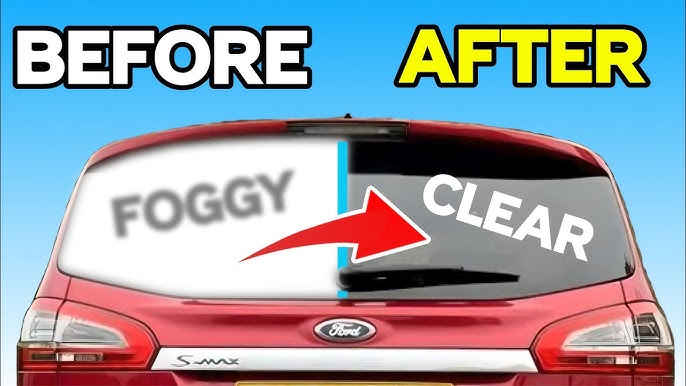
Credit: www.youtube.com
Why Windows Fog In Winter
Car windows fog in winter because of moisture and cold air. This happens when warm, moist air inside the car meets the cold glass of the windows. The moisture in the air turns into tiny water droplets on the glass. These droplets create the foggy effect that blocks your view. Understanding why this happens helps you stop it from happening.
Moisture And Temperature Differences
Inside your car, the air is warmer than outside air in winter. Warm air holds more moisture. When this warm air touches cold windows, it cools down quickly. Cooler air cannot hold as much moisture. The extra moisture changes into water droplets. These droplets stick to the glass, causing fog. The bigger the difference between inside and outside temperatures, the more fog you see.
Effects Of Humidity Inside The Car
Humidity is the amount of water vapor in the air. In winter, humidity inside the car goes up. Breathing, wet clothes, or snow on shoes add moisture inside. Cooking or heating inside the car also raises humidity. High humidity means more water vapor in the air. This vapor condenses on cold windows, making them foggy. Lowering humidity inside your car helps keep windows clear.
Use Defroster And Air Conditioning
Using the defroster and air conditioning helps stop car windows from fogging. These systems work together to clear moisture and improve visibility. Understanding their roles makes winter driving safer and more comfortable.
How Defrosters Clear Fog
Defrosters blow warm air onto the windshield and windows. This heat raises the glass temperature. Warm glass stops moisture from condensing and forming fog. The defroster also directs airflow evenly across the glass. This quick action clears fog and frost effectively.
Role Of Air Conditioning In Moisture Removal
Air conditioning removes moisture from the air inside the car. It acts like a dehumidifier, drying the cabin air. Dry air reduces fog buildup on windows. Using AC with the defroster helps keep glass clear. This combination controls humidity and improves driving safety.
Turn Off Air Recirculation
Turning off the air recirculation in your car is a simple but effective step to stop windows from fogging in winter. The recirculation mode keeps the same air inside the car, which traps moisture and increases humidity. This moisture then condenses on cold windows, causing fog. By switching off recirculation, fresh air enters the vehicle, reducing humidity and clearing the fog faster. This action improves visibility and makes driving safer during cold months.
Benefits Of Fresh Air Intake
Fresh air intake brings outside air into the car’s cabin. This air is usually drier than the inside air. It helps balance the temperature and moisture levels inside your vehicle. When fresh air flows in, it lowers the humidity that causes fogging. The windows stay clearer longer. Also, fresh air improves overall comfort and reduces stale smells inside the car.
Avoiding Humid Air Build-up
Humid air inside the car causes water vapor to stick to cold windows. When air recirculation is on, this humid air keeps cycling inside. The moisture builds up quickly, making windows foggy. Turning off recirculation lets the moist air escape and dry air come in. This keeps moisture levels low. Avoiding humid air build-up means clearer windows and safer driving in winter weather.

Credit: www.folsomlakehonda.com
Keep Windows Clean
Keeping car windows clean plays a key role in stopping fog buildup during winter. Dirt and grime provide surfaces for moisture to cling to. Clean windows reduce fog and improve visibility. Regular cleaning also helps prevent scratches that trap moisture.
Removing Dirt And Grime
Use a gentle glass cleaner and a soft cloth for cleaning. Avoid harsh chemicals that can damage the glass. Clean both inside and outside surfaces thoroughly. Dirt on the inside attracts moisture, increasing fog formation. Wipe the windows dry to remove any leftover residue. Regular cleaning prevents buildup and keeps windows clear.
Preventing Moisture Trapping
Dry the edges and seals around your windows carefully. Moisture often collects in these areas and causes fogging. Check for any leaks that let water inside the car. Fixing leaks stops excess humidity from building up. Use a moisture absorber inside the vehicle to keep air dry. Well-maintained windows block moisture and reduce fog.
Use Moisture Absorbers
Moisture absorbers help reduce humidity inside your car. They trap water vapor before it settles on windows. Using moisture absorbers is a simple and effective way to keep windows clear. These products absorb excess moisture and stop fog from forming. You can buy commercial options or make your own at home.
Diy Absorbers Like Kitty Litter Socks
Fill a clean sock with silica-based kitty litter. Tie the end tightly to keep the litter inside. Place the sock on your dashboard or under the seats. The litter absorbs moisture from the air quickly. Replace the sock every few weeks for best results. This cheap method helps control humidity without chemicals. It is easy to make and works well for small cars.
Commercial Silica Gel Options
Silica gel packets are popular moisture absorbers. You can buy reusable packs designed for cars. Put these packets in door pockets or cup holders. They attract and hold water vapor efficiently. Some brands come with indicators to show when they need recharging. Recharge by drying them in the sun or oven. These packs last longer and require less maintenance than DIY options.

Credit: www.cumberlandkia.com
Apply Anti-fog Treatments
Applying anti-fog treatments helps keep your car windows clear during winter. These treatments create a thin layer on the glass that stops moisture from settling. This makes driving safer by improving visibility. There are easy options available, from store-bought sprays to simple household solutions. Choose what fits your needs and budget.
Commercial Sprays
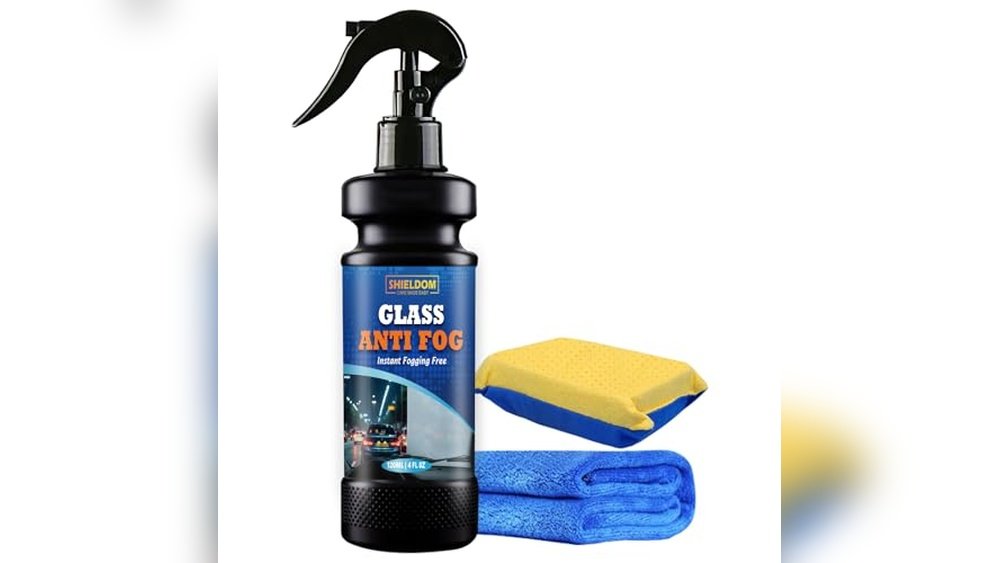
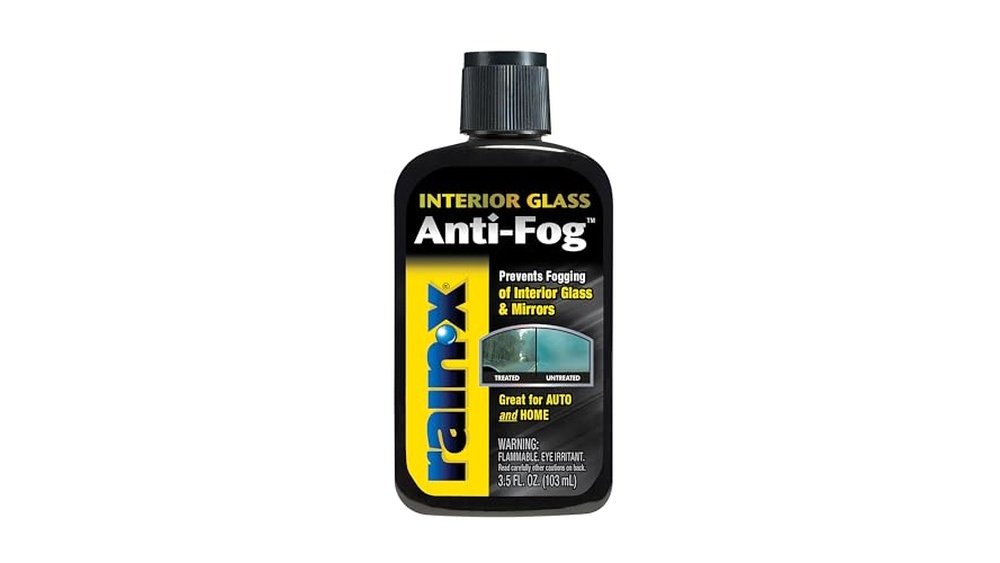
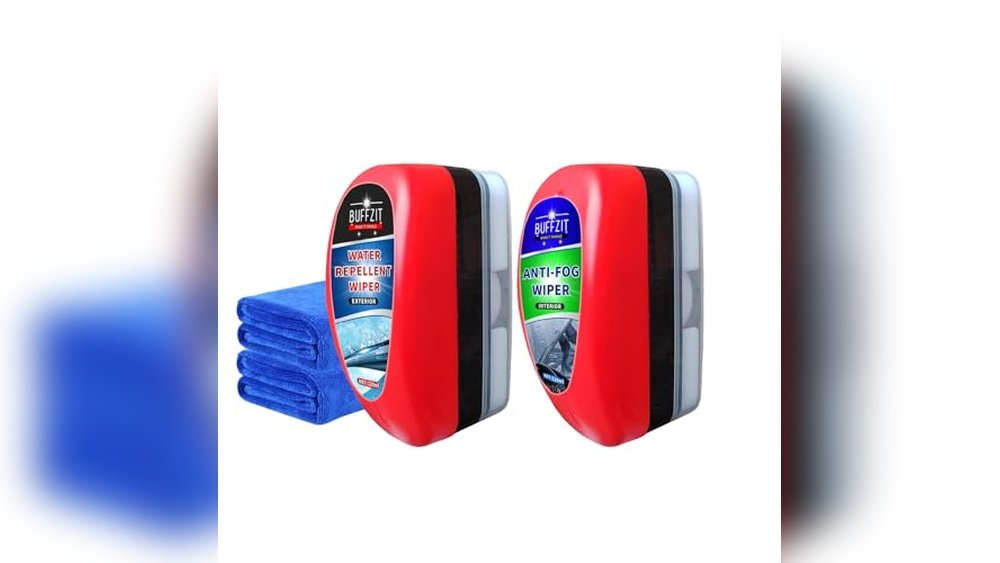
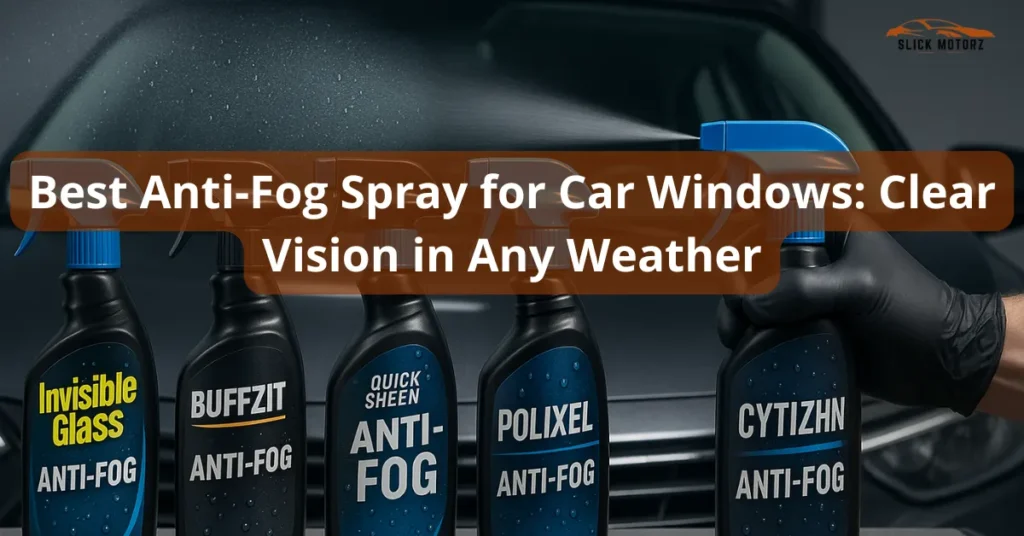
Commercial anti-fog sprays are designed specifically to prevent fog buildup. They are simple to use and last for several weeks. Clean your car windows first. Then spray the product evenly on the inside glass. Let it dry for a few minutes before wiping with a clean cloth. These sprays form a barrier that stops water droplets from sticking.
Look for sprays that are safe for automotive glass. Avoid anything with harsh chemicals that might damage your windows. Many brands offer affordable options at auto stores or online. Using these sprays regularly helps maintain clear windows during cold weather.
Household Hacks: Shaving Cream And Potato
Household items can also work as anti-fog treatments. Shaving cream is a popular choice. Apply a small amount to the inside of your windows. Spread it evenly and then wipe off gently with a clean cloth. The cream leaves a thin film that prevents fog from forming.
Another simple hack uses a raw potato. Cut a potato in half and rub the cut side on the glass. Let the juice dry without wiping it off. The potato starch acts like a natural anti-fog layer. Both these methods are cheap and easy to try at home.
Repeat these treatments weekly during winter for best results. They help keep your windows clear without harsh chemicals.
Crack The Windows Slightly
Cracking the windows slightly helps reduce fogging on car windows during winter. This simple step allows fresh air to enter the car. It balances temperature and moisture inside the vehicle. Less moisture means less fog on the glass. Letting air flow prevents warm, moist air from condensing on cold windows.
Allowing Air Circulation
Cracking the windows opens a small gap for air to move freely. Fresh air enters while humid air exits the car. This exchange lowers moisture levels inside. Without enough air circulation, fog forms quickly. Even a small opening improves the air balance significantly.
Balancing Inside And Outside Air
The goal is to equalize the temperature and humidity inside with outside air. Cracking the windows helps match the air conditions. Warm, moist air inside meets cooler, drier air outside. This balance stops condensation from building on windows. Adjust the window gap depending on outside weather and humidity.
Park In Sunlight When Possible
Parking your car in sunlight during winter helps reduce window fogging naturally. Sunlight warms the car’s interior and lowers moisture on the glass. This simple habit keeps your windows clearer for safer driving. Try to find a sunny spot when parking outdoors on cold days.
Natural Heat To Reduce Moisture
Sunlight heats the car’s inside air and surfaces. Warm air holds less moisture near the glass. This stops water vapor from forming fog. Even a few minutes in the sun can make a big difference. Natural heat works without using the car’s energy or fuel.
Avoiding Cold Surfaces
Cold windows attract moisture, causing fog to form quickly. Parking in the sun warms the glass and prevents it from becoming cold. Avoid shady or covered areas in winter. Warmer glass means less chance of fog and frost buildup. This keeps your view clear and improves safety.
Use A Portable Dehumidifier
Using a portable dehumidifier inside your car helps control moisture. It reduces dampness that causes fog on windows. This tool works quietly and efficiently, making winter drives safer. Small and easy to carry, it fits well in most vehicles. Dehumidifiers keep the air dry and clear the fog faster than just wiping.
Removing Excess Moisture
Excess moisture in the car comes from breath, wet clothes, or snow. The dehumidifier pulls water from the air to stop fog. It collects water in a container or uses absorbent materials. This lowers humidity inside the car and prevents condensation. Using a dehumidifier before driving keeps windows clear for better visibility.
Best Dehumidifier Types For Cars
Electric mini dehumidifiers plug into your car’s power outlet. They run quietly and need little maintenance. Silica gel packs absorb moisture without electricity and last for months. Clay dehumidifiers use natural materials to soak up water and are reusable. Choose a size that fits your car and suits your daily needs.
Seal Air Leaks
Sealing air leaks in your car helps reduce window fogging during winter. Warm air entering the vehicle meets cold glass, causing condensation. Stopping this air exchange keeps your windows clearer and driving safer. Simple fixes can block these leaks effectively.
Weather Stripping Tips
Check your car doors and windows for worn or damaged weather stripping. Replace old strips with new, flexible rubber seals. Clean the area before applying to ensure a tight fit. Press strips firmly into place to block cold air from entering. Weather stripping keeps warm, moist air out of the cabin.
Stopping Warm Air Contact With Cold Glass
Identify gaps where warm air touches your car’s cold glass. Use foam tape or silicone sealant to cover these cracks. Seal around vents and window frames to reduce moisture buildup. This barrier prevents warm air from cooling quickly on the glass surface. Your windows stay dry and clear longer this way.
Frequently Asked Questions
How To Make Car Windows Not Foggy In Winter?
Turn on the defroster and air conditioning to remove moisture. Keep recirculation off to draw fresh air. Clean windows regularly. Use moisture absorbers like silica gel or kitty litter bags inside the car. Slightly open windows to balance inside and outside temperatures.
How To Stop Condensation On Windows In Winter In Car?
Warm your car interior and turn on the defroster with air conditioning. Keep recirculation off to bring in dry outside air. Clean windows regularly and use moisture absorbers like silica gel to reduce condensation effectively.
Are There Any Diy Defogging Solutions?
Yes, DIY defogging solutions include using vinegar-water spray, wiping glass regularly, sealing air leaks, and running exhaust fans or dehumidifiers to reduce moisture.
Does Vinegar Prevent Fogging?
Vinegar can prevent fogging by breaking down moisture on surfaces. Mix equal parts vinegar and water, spray, and wipe clean. This creates a temporary anti-fog layer lasting up to a week.
Conclusion
Stopping car windows from fogging in winter is simple with the right steps. Keep your car ventilated and use the defroster properly. Wiping windows and using anti-fog solutions help too. Avoid recirculating air inside the car to reduce moisture. A little care prevents fog and keeps driving safe.
Try these tips to enjoy clear views every winter day. Stay safe and comfortable on the road.