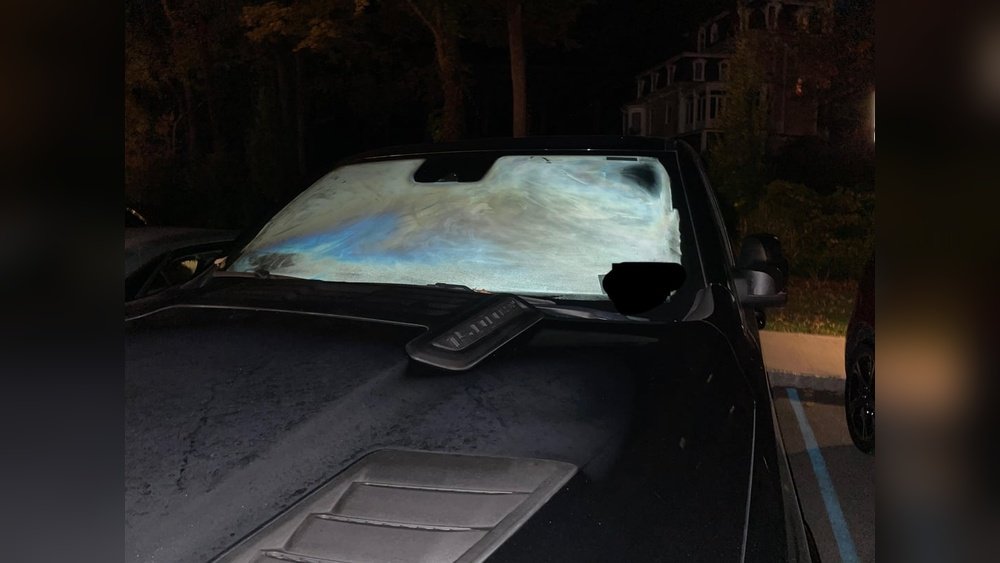
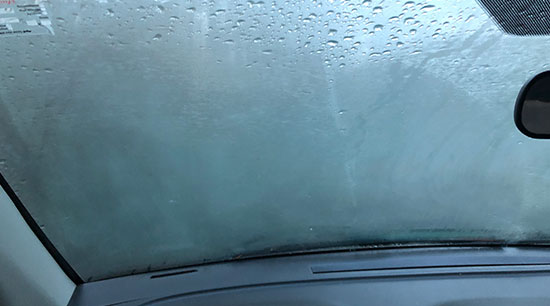
Have you ever woken up to find your windshield covered in a thick fog, making it almost impossible to see through? It’s frustrating, especially when you’re in a hurry and need to get going.
But why does this happen? Why is your windshield fogging overnight, and what can you do to stop it? Understanding the simple science behind this common problem can save you time and stress every morning. Keep reading to discover the easy steps you can take to prevent that annoying fog from ruining your drive before it even starts.
Credit: autobahn-performance.com
Causes Of Overnight Windshield Fogging
Overnight windshield fogging happens due to moisture and temperature changes inside and outside the car. This fog can block visibility and cause frustration in the morning. Several factors create the perfect conditions for fog to form on your windshield while you sleep.
Understanding these causes helps prevent fogging and keeps your windshield clear. Below are the main reasons your windshield fogs up overnight.
Temperature Differences
When the outside air is cold and the inside of your car is warmer, condensation forms. Warm air holds more moisture. As it touches the cold glass, water vapor turns into tiny droplets. This causes the foggy layer on your windshield overnight.
Humidity Levels Inside The Car
High humidity inside the vehicle adds moisture to the air. Breathing, wet clothes, or even damp floor mats increase humidity. The trapped moisture settles on the cold glass, creating fog. Cars sealed tightly with little air circulation trap this humidity.
Wet Or Damp Interior Items
Wet seats, carpets, or umbrellas inside the car raise moisture levels. These damp items release water vapor into the air. The vapor then condenses on the cold windshield surface. Removing or drying these items helps reduce fog buildup.
Blocked Air Vents
Air vents help circulate air inside your car. Blocked or closed vents reduce airflow and trap moisture. Without proper ventilation, humid air stays inside and condenses on cold surfaces like the windshield. Keeping vents clear improves air movement and reduces fog.
Faulty Weatherstripping
Weatherstripping seals the car doors and windows. Damaged or worn weatherstripping lets moisture enter your vehicle. This extra moisture increases humidity inside the cabin. As the moisture meets the cold glass, fog forms overnight. Checking and replacing weatherstripping can fix this issue.
Effects Of Weather On Fogging
Weather plays a major role in why your windshield fogs overnight. Changes in temperature and humidity create conditions where moisture collects on glass. This moisture forms tiny water droplets, causing fog. Different weather types affect fogging in unique ways. Understanding these effects helps you manage and reduce fog buildup effectively.
Cold Weather Impact
Cold weather cools your windshield quickly. The glass temperature drops below the air’s dew point. Moisture in the air then condenses on the glass surface. Inside the car, warmer air meets the cold windshield, creating fog. This fog blocks your view and can be dangerous when driving. Using heat inside the car helps clear the fog faster.
Warm Weather Impact
Warm weather brings higher humidity levels. Moist air inside the car meets the cooler glass, especially overnight. This causes water vapor to turn into tiny droplets on the windshield. The fog can stay longer because the temperature difference is smaller. Running air conditioning or opening windows slightly reduces moisture and clears the fog.
Seasonal Variations
Different seasons bring different fogging challenges. Fall and winter often cause heavy fog due to cold nights and warm, moist air inside cars. Spring and summer have more humidity, increasing fog risk even if temperatures are mild. Rainy seasons add moisture inside vehicles, making fogging worse. Regular ventilation and moisture control help reduce fog all year.
Quick Fixes To Clear Fog
Fogged windshields overnight can be frustrating and unsafe. Clearing the fog quickly helps improve visibility and driving safety. Several easy methods can clear fog without much hassle. These quick fixes keep your windshield clear before you start driving.
Using The Defrost Function
The defrost function uses warm air to clear moisture from the windshield. Turn on your car’s defrost setting as soon as you start the engine. Warm air dries the glass and removes fog fast. Direct the airflow toward the windshield for best results. Running the defrost with the air conditioner helps remove humidity inside the car.
Opening Windows Slightly
Opening your windows a little lets fresh air in and moist air out. This exchange reduces inside humidity, which causes fog. Even a small crack can balance the temperature and moisture. Use this method along with the defrost function for quicker clearing. It prevents fog from forming again by keeping air moving.
Applying Anti-fog Treatments
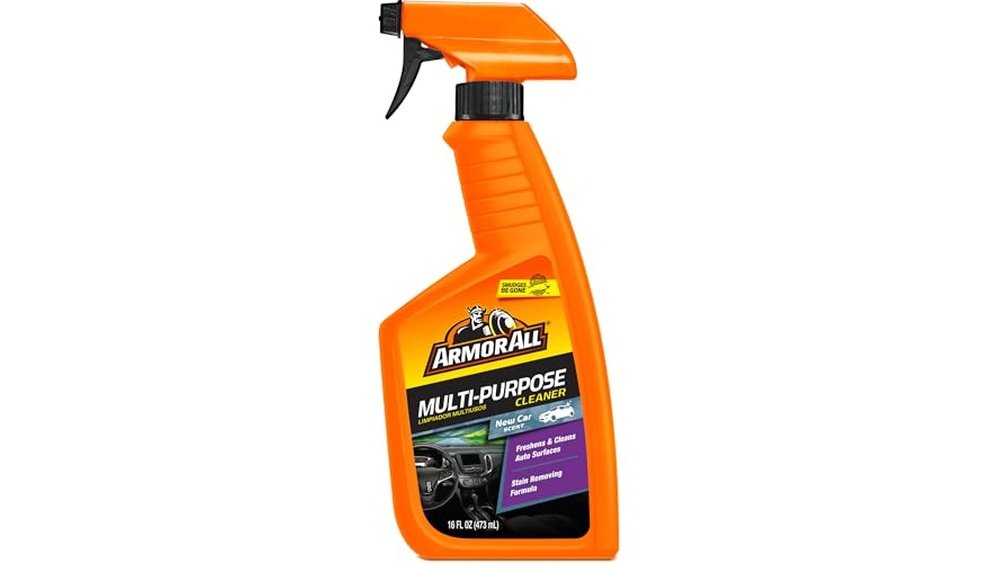
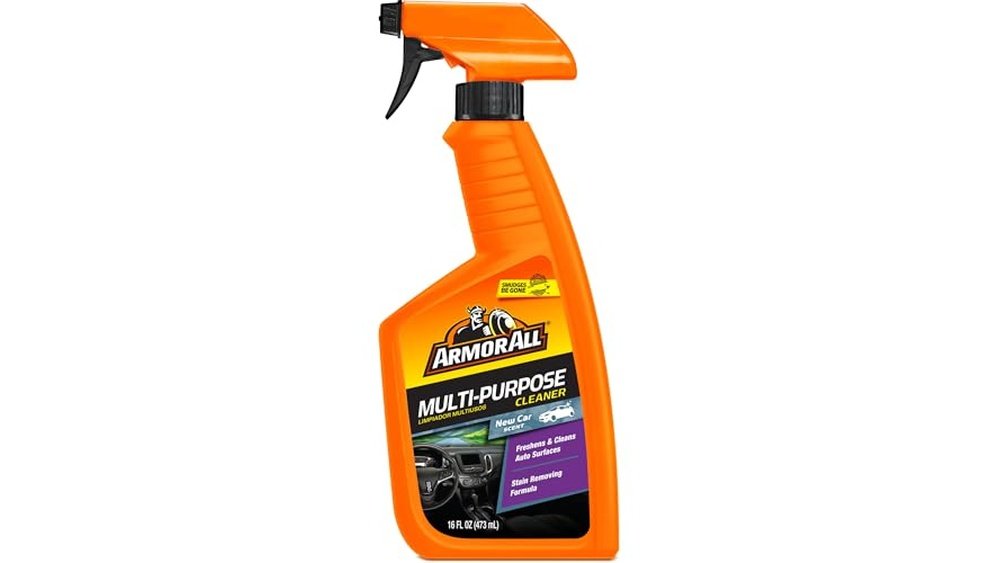
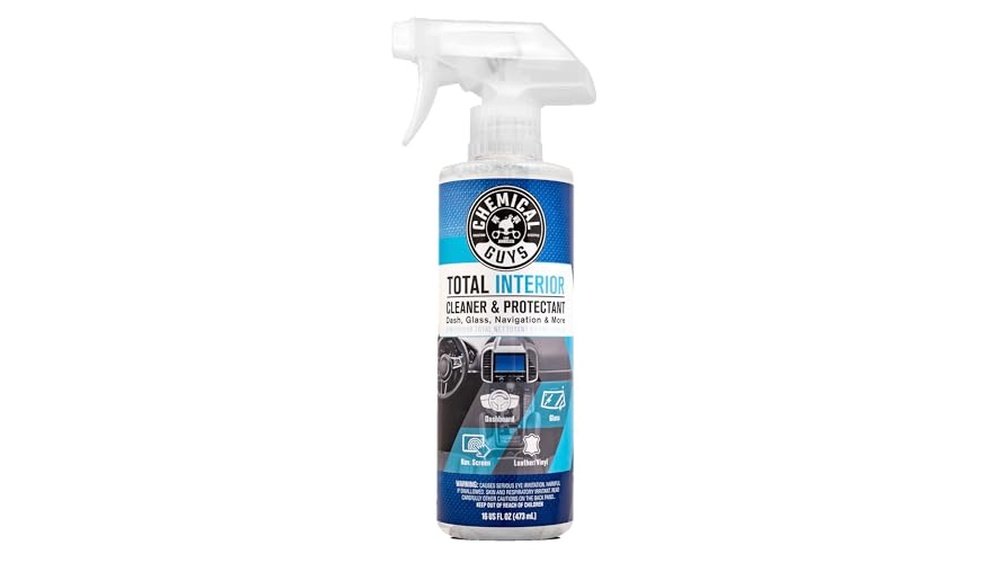
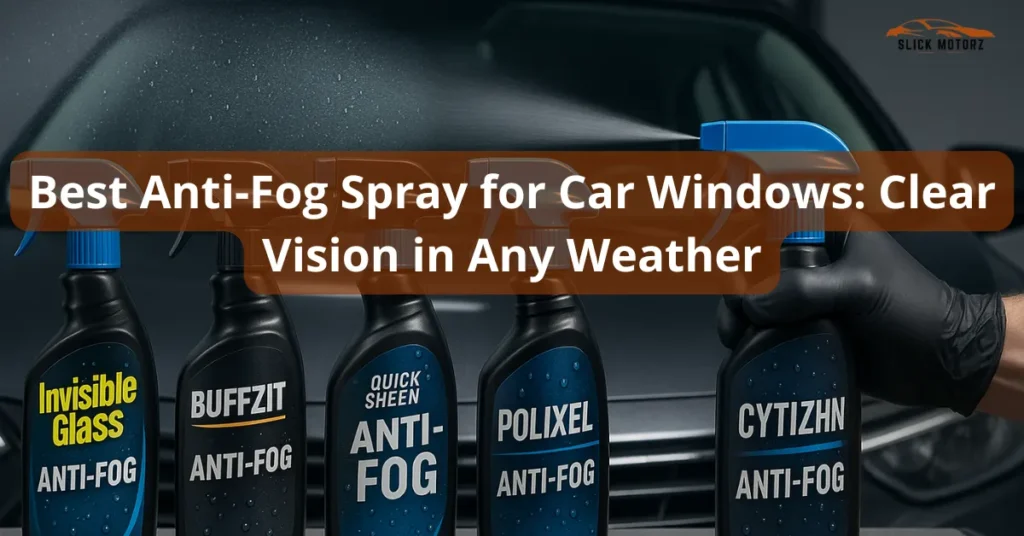
Anti-fog treatments create a thin layer on the glass that stops moisture buildup. These products are easy to apply and last for weeks. Use a clean cloth to spread the treatment evenly on the inside of the windshield. It reduces fogging, especially in cold or humid weather. Keep some anti-fog spray in your car for regular use.
Using Moisture Absorbers
Moisture absorbers soak up extra humidity inside the vehicle. Place silica gel packs or special moisture-absorbing pouches on the dashboard or under seats. These products keep the air dry and stop fog from forming. Replace or recharge them regularly for the best effect. Moisture absorbers work well in damp climates or after rainy days.

Credit: knowhow.napaonline.com
Long-term Prevention Tips
Preventing your windshield from fogging overnight improves safety and comfort. Long-term care reduces moisture buildup inside your car. Follow these simple steps to keep your windshield clear and fog-free every day.
Keeping Windows Clean
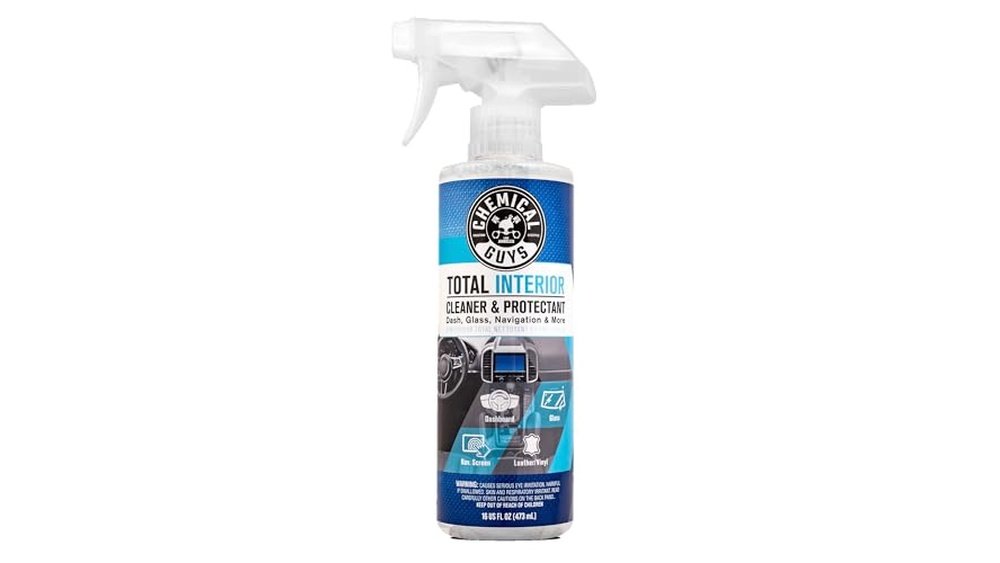
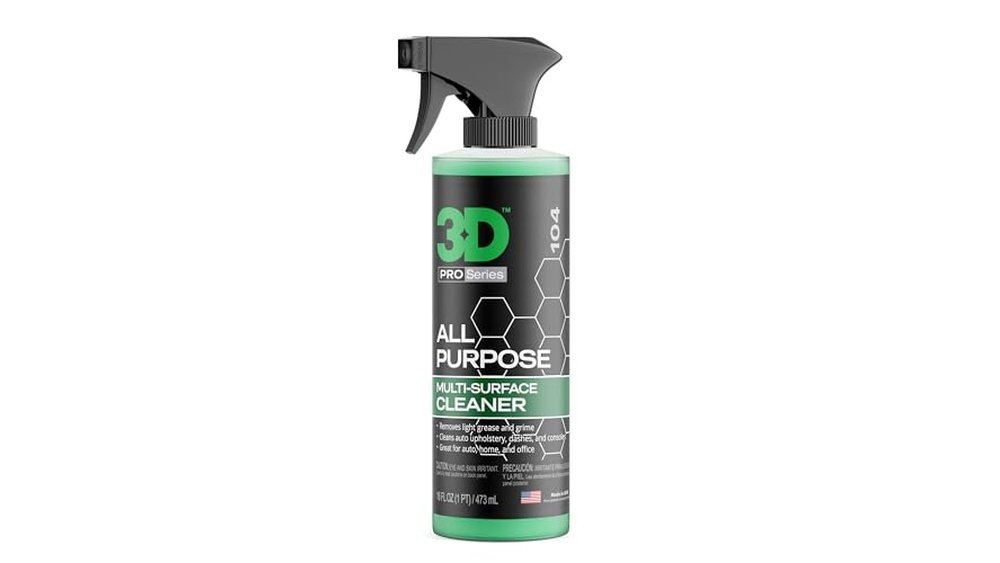
Clean windows help stop fog from sticking to glass. Dirt and oil create a film that traps moisture. Use a glass cleaner regularly on both inside and outside. A clean surface dries faster and stays clear longer.
Use a microfiber cloth to avoid scratches. Avoid harsh chemicals that can leave residue. For best results, clean windows at least once a week.
Removing Damp Items
Damp clothes, mats, or seats increase humidity inside your car. Moisture from these items causes fog on the windshield. Remove wet items after use or let them dry outside the vehicle.
Store umbrellas and rain gear away from the car interior. Use moisture-absorbing products to keep the air dry. This simple step lowers the chance of fogging overnight.
Regular Ventilation
Ventilate your car daily to reduce trapped moisture. Open windows for a few minutes to let fresh air in. Air circulation helps dry out the interior and prevents fog buildup.
Use your vehicle’s ventilation system to keep air moving. Running the air conditioner on dry mode can also help. Proper airflow keeps the windshield clear and dry.
Checking Seals And Weatherstripping
Damaged seals let moisture enter your car. Check door and window seals for cracks or gaps. Replace worn weatherstripping to stop leaks and humidity inside.
Proper sealing keeps water out and air dry inside. Inspect seals regularly, especially after heavy rain or car washes. Good seals reduce fog problems and protect your interior.
Diy Cleaning Solutions
DIY cleaning solutions can help stop your windshield from fogging overnight. Dirt and grease build-up on glass can trap moisture. This creates a foggy film that is hard to see through. Simple home ingredients can clean your windshield effectively. These methods are affordable and easy to follow. Regular cleaning reduces fog and improves safety while driving.
Using gentle cleaning products and proper tools ensures your windshield stays clear. Below are easy steps anyone can try at home.
Dawn Dish Soap Method
Mix a small amount of Dawn dish soap with warm water. Use a soft cloth or sponge to clean the inside of your windshield. This soap cuts through oily films that cause fog. Rinse the cloth often and wipe the glass until clean. Finish by drying with a clean microfiber towel. Avoid using too much soap to prevent streaks.
Vinegar And Water Spray
Combine equal parts white vinegar and water in a spray bottle. Spray the mixture lightly on the glass surface. Wipe with a microfiber cloth in circular motions. Vinegar helps remove grime and prevents moisture buildup. This natural cleaner also fights fog without harsh chemicals.
Using Microfiber Cloths
Microfiber cloths are gentle and absorbent. Use them to clean and dry your windshield thoroughly. They trap dirt and moisture better than regular cloths. Always use a clean cloth to avoid spreading dust. Replace cloths regularly for best results.
Avoiding Harsh Chemicals
Strong chemicals can damage your windshield’s surface. Avoid ammonia-based cleaners as they can cause streaks and harm tint film. Choose mild, natural products instead. Gentle solutions keep your glass clear and safe for long-term use.

Credit: www.reddit.com
When To Seek Professional Help
Knowing when to seek professional help for your fogging windshield can save you time and money. Some fogging problems need expert attention. Ignoring these issues might lead to bigger, costly repairs. Watch for signs that show your car needs a mechanic’s care.
Persistent Fogging Issues
If your windshield fogs every night despite cleaning and drying efforts, a deeper problem exists. Persistent fogging may point to trapped moisture inside the car. Simple home fixes will not solve this. A professional can locate hidden leaks or mold causing moisture buildup. Early diagnosis prevents damage to your car’s interior.
Possible Hvac System Problems
Your car’s heating, ventilation, and air conditioning (HVAC) system controls air moisture. Faulty HVAC parts can cause fogging. For instance, a broken blower motor or clogged air filter reduces airflow. A professional can test the system for proper humidity control. Fixing HVAC problems restores clear visibility and comfort.
Windshield Damage Concerns
Cracks or chips in the windshield can let moisture inside your car. Even tiny damage can cause fogging overnight. Professionals can inspect your windshield for hidden cracks. Repairing or replacing the glass stops moisture leaks. Driving with a damaged windshield also risks safety and legal issues.
Frequently Asked Questions
How Do You Stop Your Windshield From Fogging Up At Night?
To stop your windshield from fogging up at night, keep windows clean and dry. Remove moisture, use defogger or AC on low, and apply anti-fog treatments. Ventilate your car to balance interior humidity and temperature, preventing condensation buildup effectively.
Can I Use Dawn Dish Soap To Clean My Windshield?
Yes, dilute Dawn dish soap with water to clean your windshield’s inside. Avoid using it on paint or in washer fluid. Follow with a glass cleaner to prevent streaks.
Why Did My Windshield Suddenly Fog Up?
Your windshield fogs up due to condensation forming from temperature and humidity differences near the glass. Warm, moist air inside meets cold glass, causing moisture to accumulate and create fog.
Does Vinegar Prevent Fogging?
Vinegar can reduce fogging by cleaning and removing residues on glass. It creates a thin film that slows condensation but may not fully prevent fog. Regular application helps maintain clearer surfaces and minimizes fog buildup.
Conclusion
Windshield fogging overnight happens because of moisture inside your car. Warm, damp air meets the cold glass and creates fog. Keeping your car dry helps a lot. Remove wet items and use moisture absorbers inside. Clean windows with a gentle cleaner regularly.
Ventilate your car to let fresh air in. Small steps can stop fog from building up. Clear windows mean safer driving every morning. Stay ahead and keep your windshield fog-free.