
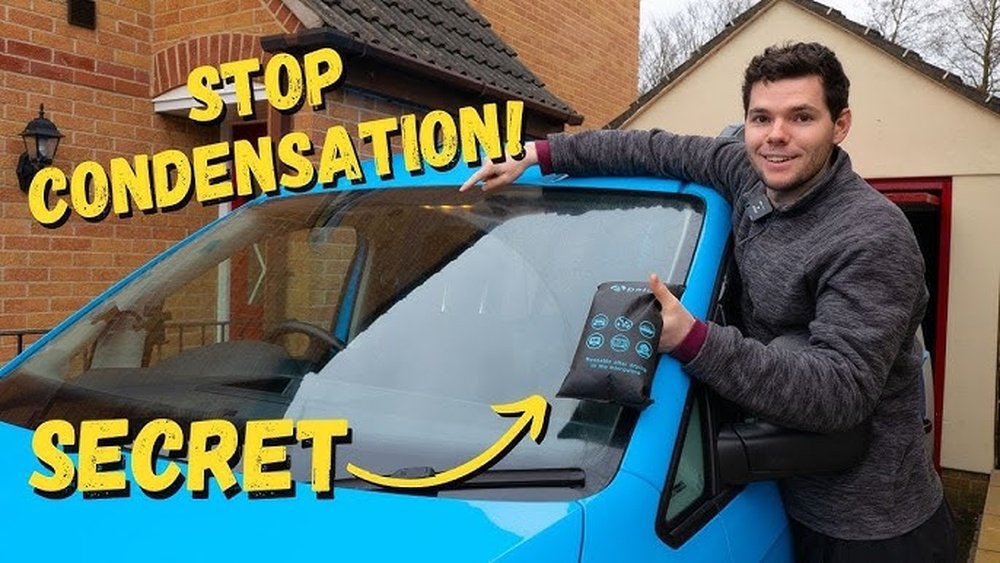
Have you ever woken up inside your car only to find the windows completely fogged up? It’s frustrating and can even be dangerous, blocking your view and making it hard to get going.
If you’re sleeping inside your vehicle, especially during cold or humid nights, fogged windows are a common problem. But what if you could stop the fog from forming in the first place? Imagine waking up with clear windows every time—no more scrubbing or waiting for the defogger to catch up.
You’ll discover simple, effective ways to keep your car windows clear while you sleep inside. Keep reading, because these tips could change your overnight car experience for good.
Causes Of Foggy Car Windows
Foggy car windows often cause frustration, especially when sleeping inside the vehicle. Understanding the causes helps prevent this annoying problem. Fog forms when moisture meets cooler glass surfaces. The inside of a car traps moisture from air, breath, and wet items. Temperature changes then turn this moisture into visible fog on windows.
How Moisture Builds Up Inside
Moisture comes from many sources inside the car. Human breath releases water vapor constantly. Sweat and damp clothes add more moisture to the air. Wet shoes or umbrellas also raise humidity inside the vehicle. Without airflow, this moisture stays trapped, increasing fog risk. Cars are sealed tight to keep heat in, which also keeps moisture in.
Temperature Differences And Condensation
Condensation happens when warm, moist air touches cold glass surfaces. Inside temperature rises from body heat and breathing. Outside temperature often stays much lower, especially at night. Cold glass cools the moist air near it, causing water vapor to turn into tiny droplets. These droplets form fog on windows, blocking visibility and light.
Effects Of Sleeping Inside The Car
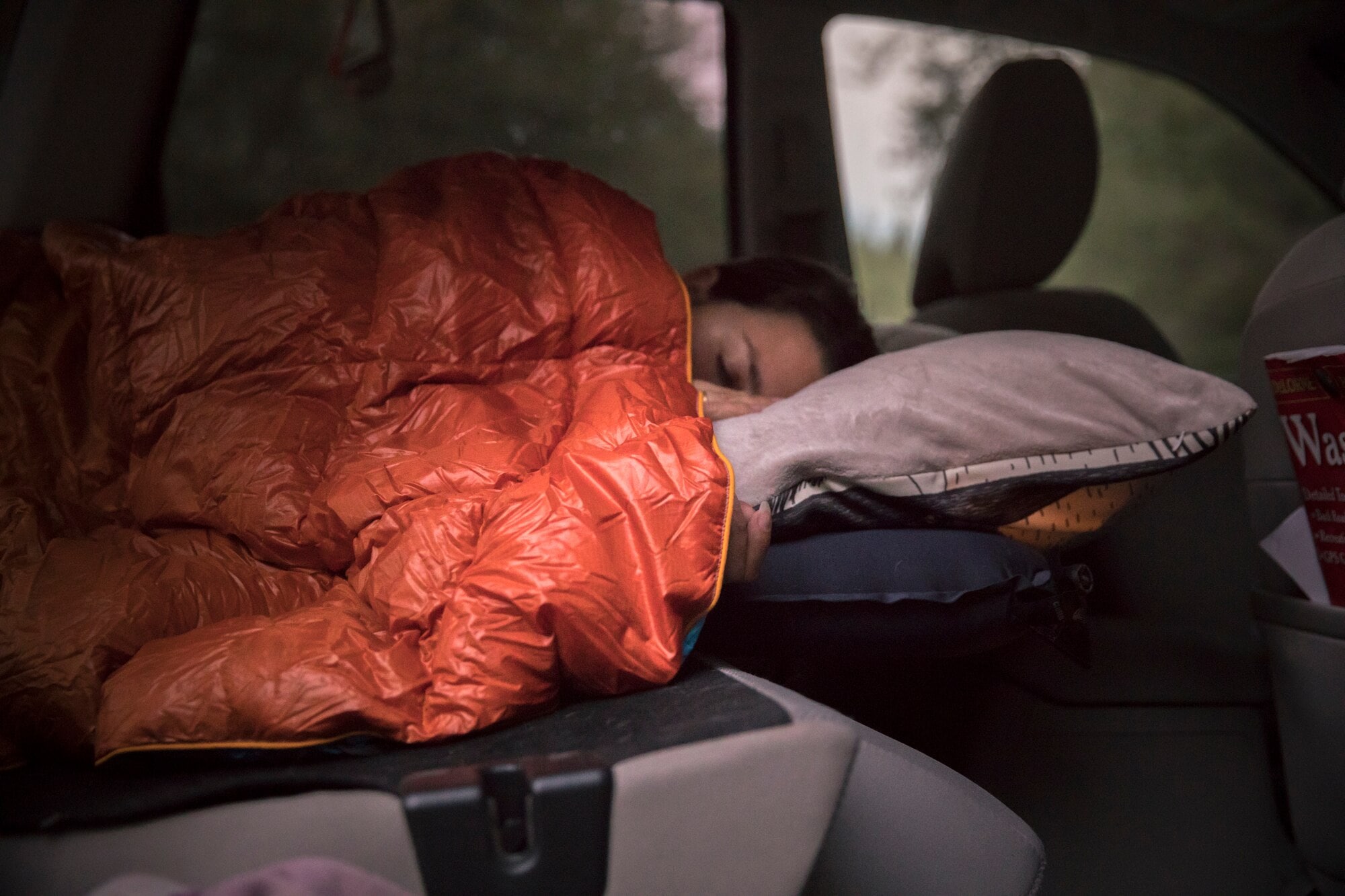
Sleeping inside a car raises moisture levels even more. Breathing produces constant humidity in a small space. Body heat warms the air, increasing temperature differences. Closed windows trap this warm, moist air inside. The lack of ventilation stops moisture from escaping. These conditions create perfect fogging scenarios on car windows.

Credit: www.rei.com
Simple Habits To Reduce Fogging
Simple habits can greatly reduce car window fogging while sleeping inside. Moisture from your breath and body creates condensation on cold glass. Small actions help control humidity and improve air flow. These habits keep windows clearer and your view safe.
Keep Windows Slightly Open
Leaving windows slightly open allows fresh air to circulate. This prevents moisture buildup inside the car. Even a small gap helps balance indoor and outdoor humidity. Proper ventilation reduces fogging by lowering trapped moisture levels.
Avoid Excess Moisture Inside
Limit activities that add moisture, like cooking or drying clothes. Store wet items outside or in sealed bags. Remove snow or rain from shoes and clothes before entering. Keeping the car dry lowers humidity and stops fog from forming quickly.
Use Absorbent Materials
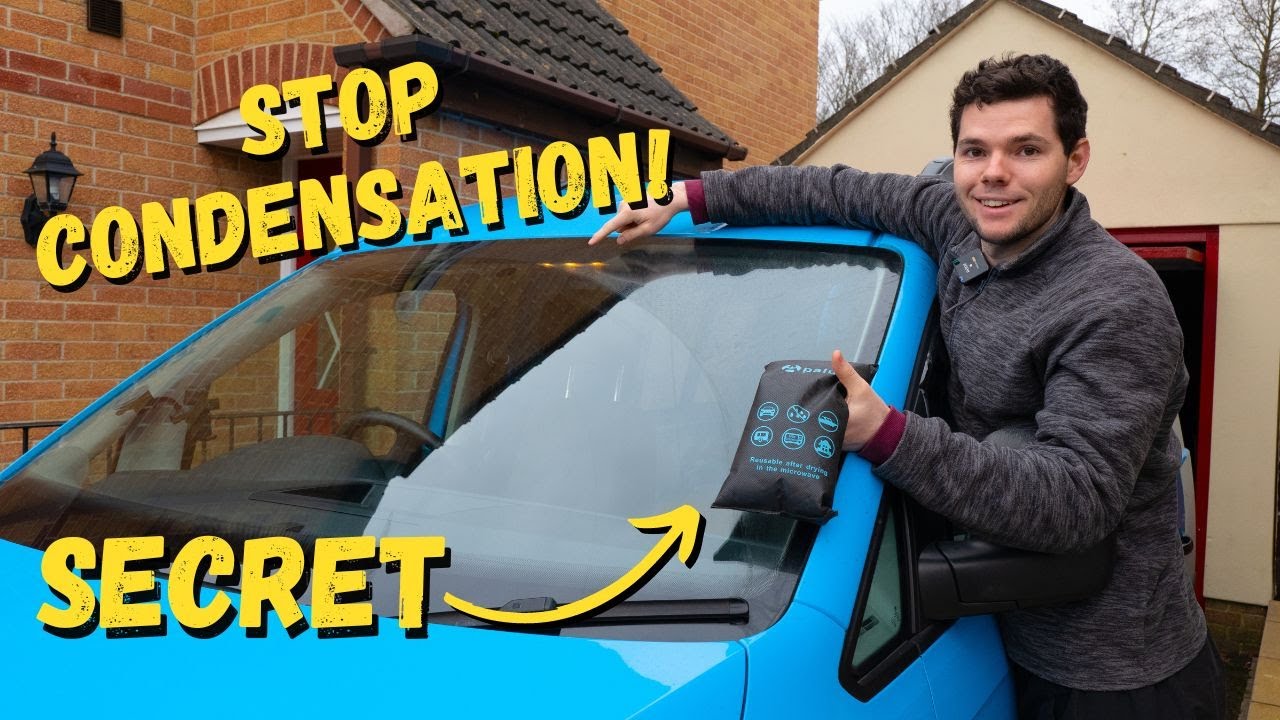
Place absorbent cloths or towels inside the car to soak up moisture. Silica gel packs or moisture absorbers also work well. These materials pull excess water from the air. Using them regularly helps keep windows clear during sleep.
Ventilation And Air Circulation
Proper ventilation and air circulation play a key role in stopping car windows from fogging while sleeping inside. Moist air inside the car condenses on cold windows, causing fog. Circulating fresh air helps reduce moisture and keeps the glass clear. Small adjustments to your car’s ventilation system can make a big difference overnight.
Switch Off Recirculate Mode
Recirculate mode traps humid air inside the vehicle. This increases moisture and causes windows to fog faster. Turn off recirculate to allow fresh air to enter. Fresh air lowers humidity and prevents fog buildup. Keep the system set to draw outside air for better airflow.
Use Air Conditioning And Heater Together
Running the air conditioning and heater at the same time may seem odd. The air conditioner removes moisture from the air. The heater warms the inside, reducing window condensation. This combo controls humidity and temperature well. It stops fog from forming on cold glass surfaces.
Utilize Car Vents Efficiently
Direct airflow toward windows using car vents. This helps dry moisture on the glass. Open dashboard and floor vents to improve circulation. Avoid blocking vents with objects or blankets. Proper vent use spreads air evenly, reducing fog in all areas.
Credit: www.rei.com
Cleaning Tips For Clear Windows
Keeping car windows clear is key to preventing fog while sleeping inside. Dirt and grime trap moisture, which makes fog worse. Clean windows improve visibility and reduce condensation. Follow simple cleaning steps to keep your glass spotless and fog-free.
Remove Dirt And Grime
Start by washing the windows with soap and water. Use a soft cloth or sponge to avoid scratches. Dirt and dust hold moisture, causing fog to form quickly. Clean both inside and outside surfaces thoroughly. Dry the windows completely with a microfiber towel to prevent streaks.
Apply Anti-fog Treatments
Use an anti-fog spray or gel designed for car windows. These products create a thin, invisible layer that stops fog from forming. Apply evenly on the inside of the glass. Let it dry before touching the surface. Reapply regularly for the best results, especially before long nights inside the car.
Regular Maintenance Routine
Make window cleaning part of your car care routine. Check for smudges or spots every few days. Clean and treat windows before sleeping in the car. Keep cleaning supplies handy for quick touch-ups. Regular care keeps windows clear and fog-free longer.
Diy Remedies And Products
Car windows fog up due to moisture inside the vehicle. This happens often when sleeping inside. Using simple remedies and products can help keep your windows clear. Many DIY options use easy-to-find items. Others involve ready-made sprays and moisture absorbers. These solutions reduce fog and improve visibility.
Homemade Anti-fog Solutions
Mixing household items can create effective anti-fog solutions. A common recipe uses water and dish soap. Apply a thin layer to the inside of windows, then wipe gently. This forms a barrier that stops fog. Another option is a mixture of vinegar and water. Spray it on windows and let it dry. Both methods are inexpensive and easy to repeat.
Commercial Anti-fog Sprays
Many stores sell sprays made specifically to prevent fog. These sprays are quick to use and last longer than homemade solutions. They work by creating a thin film that repels moisture. Apply the spray according to instructions, usually on clean windows. These products are safe for most glass types. Choose a spray designed for automotive use for best results.
Using Silica Gel Packs
Silica gel packs absorb moisture inside your car. Place several packs around the cabin, especially near windows. These packs reduce humidity levels and stop condensation. They are reusable; just dry them out in the sun when saturated. Silica gel packs are small and easy to store. They provide a natural way to keep your car dry while sleeping.
Best Practices When Sleeping Inside
Sleeping inside your car can be comfortable if you follow smart steps to avoid foggy windows. Moisture builds up overnight, causing windows to fog and block visibility. This can feel unsafe and frustrating. Use these best practices to keep windows clear and enjoy a better night’s rest.
Choose The Right Parking Spot
Pick a flat, open area with good airflow. Avoid low spots where cold air and moisture collect. Parking near trees or bushes can increase humidity around your car. A sunny spot helps warm the car and reduce fogging by morning.
Keep Doors Slightly Ajar
Leave a small gap in one door for fresh air to circulate. This reduces humidity inside the car. Use a rain guard or towel to prevent rain or bugs from entering. Airflow helps balance temperature and moisture, stopping fog from forming.
Monitor Weather Conditions
Check the weather forecast before sleeping in your car. High humidity and low temperatures increase fog risk. Plan to sleep indoors or use extra ventilation on damp or cold nights. Knowing weather helps you prepare and avoid foggy windows.
Safety Considerations
Sleeping inside a car can cause windows to fog up due to moisture from breath and body heat. Taking safety seriously helps prevent accidents and legal troubles. Understanding key safety points keeps you secure and comfortable while inside your vehicle.
Below are important safety considerations to know before you sleep in your car and deal with window fogging.
Legal Restrictions On Sleeping In Cars
Many places have laws about sleeping in cars. Some areas allow it, like rest stops and truck stops. Others, like city streets and parks, often ban it. Always check local signs and rules before parking for the night. Ignoring laws can lead to fines or being asked to move. Knowing where you can legally sleep helps avoid problems.
Avoiding Carbon Monoxide Risks
Running your car engine while sleeping is dangerous. Carbon monoxide gas can build up inside and cause poisoning. Keep the engine off and windows slightly cracked for fresh air. Avoid using heaters that rely on the engine running. A small crack helps air flow without letting in too much cold air. Stay alert to symptoms like headache or dizziness.
Emergency Preparedness Tips
Prepare for emergencies before sleeping in your car. Keep a charged phone nearby. Have a flashlight and a first aid kit ready. Let someone know your location. Carry water and warm blankets. Know escape routes if you need to leave quickly. Staying prepared reduces risks and helps you respond fast in case of trouble.
Credit: www.youtube.com
Frequently Asked Questions
How To Prevent Car Windows From Fogging Up While Sleeping Inside?
Keep car windows slightly cracked for ventilation. Use moisture absorbers or anti-fog sprays. Avoid blocking air vents. Clean windows regularly. Run the heater or defroster to reduce humidity inside.
Can You Legally Sleep In Your Car In The Us?
Sleeping in your car is legal in some US areas like rest stops and national forests. Local laws vary widely. Many cities ban overnight car sleeping on public property. Always check signs and get permission on private land to avoid fines or legal issues.
Does Rubbing A Potato On The Windshield Prevent Ice?
Rubbing a potato on the windshield does not prevent ice formation. It offers no real protection against frost or freezing temperatures. Use proper de-icers or covers for effective ice prevention on car windshields.
How To Stop Condensation Inside Car Windows Overnight?
Keep car windows slightly open for ventilation to reduce moisture build-up overnight. Use moisture absorbers inside the car. Clean windows regularly to prevent dirt trapping moisture. Avoid leaving wet items inside. Run the air conditioner briefly before sleeping to dry the air.
Conclusion
Stopping car windows from fogging while you sleep inside takes simple steps. Keep windows clean and dry before sleeping. Use ventilation or crack a window slightly for airflow. Avoid using the recirculate setting on your car’s AC. A small portable dehumidifier can help reduce moisture.
Wiping windows occasionally keeps fog from building up. These easy tips improve comfort and safety during overnight stays. Try different methods to find what works best for you. Clear windows mean better visibility and a more restful sleep inside your car.














