Have you ever been caught off guard by a foggy windshield just when you needed clear vision the most? It’s frustrating and can even be dangerous while driving.
That’s where anti-fog spray comes in—designed to keep your car glass clear and your view unobstructed. But how exactly does this spray work on your car’s glass? Understanding the science behind it can help you choose the right product and use it effectively.
You’ll discover the simple yet clever way anti-fog sprays prevent fog buildup, why some sprays work better than others, and tips to keep your windshield crystal clear every time you hit the road. Keep reading to learn how you can say goodbye to foggy drives for good.

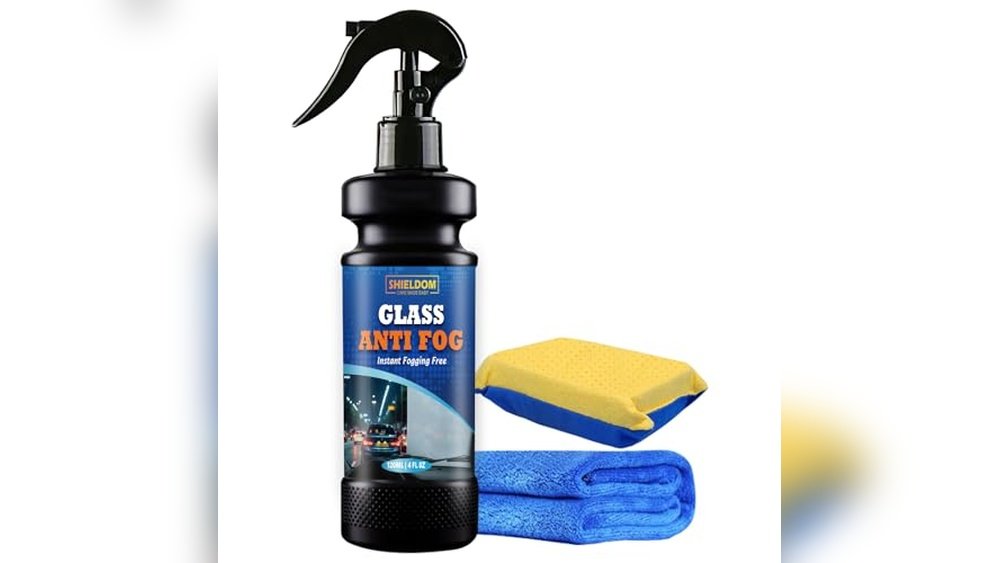
Credit: www.aliexpress.com
Fog Formation On Car Glass
Fog forms on car glass when moisture in the air meets a cooler surface. The glass temperature drops, causing water vapor to turn into tiny droplets. These droplets stick to the glass and blur the view. This fogging often happens during cold or humid weather. It makes the glass look misty and reduces visibility.
Understanding how fog forms helps explain why anti-fog sprays work. These sprays stop water droplets from clustering. Instead, moisture spreads evenly, keeping the glass clear. Let’s explore the causes of fogging and how it affects driving safety.
Causes Of Fogging
Fogging happens due to temperature differences inside and outside the car. Warm air inside meets cold glass. This causes condensation on the glass surface. High humidity inside the car adds to the problem. Breathing, wet clothes, or a heater can increase moisture. Poor ventilation makes fog worse by trapping moisture inside.
Impact On Driving Safety
Fog on car glass blocks the driver’s view. This reduces reaction time and increases accident risk. It is harder to see road signs, other vehicles, and pedestrians. Drivers may feel stressed or distracted trying to clear the fog. Clear glass is essential for safe driving, especially in bad weather.
How Anti-fog Spray Works
Anti-fog spray prevents fog from forming on car glass. It works by changing how water behaves on the glass surface. Fog appears when tiny water droplets stick to the glass. These droplets block light and blur vision.
The spray stops droplets from forming separately. Instead, water spreads evenly, making the glass clear. Understanding the science behind this helps explain why anti-fog sprays are effective.
Role Of Surface Tension
Surface tension is the force that holds water droplets together. It causes droplets to form beads on glass. Anti-fog sprays contain special chemicals called surfactants. These surfactants reduce surface tension.
Lower surface tension means water spreads out in a thin layer. This stops droplets from forming. When water spreads evenly, the glass stays clear and fog-free.
Formation Of A Transparent Film
Anti-fog spray creates a thin, invisible film on the glass. This film stops water vapor from sticking as droplets. Instead, water spreads as a smooth, transparent sheet.
The film is clear and does not block light. It keeps the glass surface free from fog. This allows drivers to see clearly even in cold or humid conditions.
Key Ingredients In Anti-fog Sprays
Anti-fog sprays help keep car glass clear by stopping fog from forming. They do this by using special ingredients that change how water behaves on the glass surface. Understanding these key ingredients helps explain how the spray works and why it is effective.
Surfactants And Their Function
Surfactants are the main ingredient in most anti-fog sprays. They reduce the surface tension of water droplets. This stops water from forming small beads that block vision. Instead, water spreads as a thin, clear layer on the glass. This clear layer prevents fog and keeps the glass visible. Surfactants create a smooth, invisible film that stays on the surface for hours.
Other Common Components
Besides surfactants, anti-fog sprays contain solvents and stabilizers. Solvents help the spray spread evenly and dry quickly. Stabilizers keep the film strong and long-lasting. Some sprays include anti-bacterial agents to keep the glass clean. These extra components work together to improve the spray’s effectiveness and durability on car glass.

Credit: www.youtube.com
Application Techniques
Applying anti-fog spray correctly on car glass ensures maximum effectiveness. The right technique helps create a clear, fog-free surface. Skipping steps can reduce the spray’s performance. Follow simple steps to prepare and apply the spray for best results.
Preparing The Surface
Clean the glass thoroughly before application. Use a glass cleaner to remove dirt, dust, and grease. Wipe the surface with a dry, lint-free cloth. Avoid touching the glass after cleaning. A clean, dry surface helps the spray bond well. This step prevents streaks and uneven coating.
Proper Spray And Buff Method
Shake the spray bottle well before use. Hold the bottle 6 to 8 inches from the glass. Spray a light, even layer across the surface. Avoid over-spraying to prevent dripping. Use a soft microfiber cloth to buff the glass gently. Buff in circular motions until the surface looks clear. This spreads the spray evenly and removes excess liquid. Let the glass dry completely before using the car. Proper buffing ensures a smooth, invisible layer that stops fog.
Effectiveness Factors
Anti-fog sprays help keep car glass clear by stopping fog from forming. Their effectiveness changes based on several key factors. Knowing these factors helps choose and use the spray better. Below, we explore the main elements that affect how well anti-fog sprays work on car glass.
Product Quality And Brand Differences
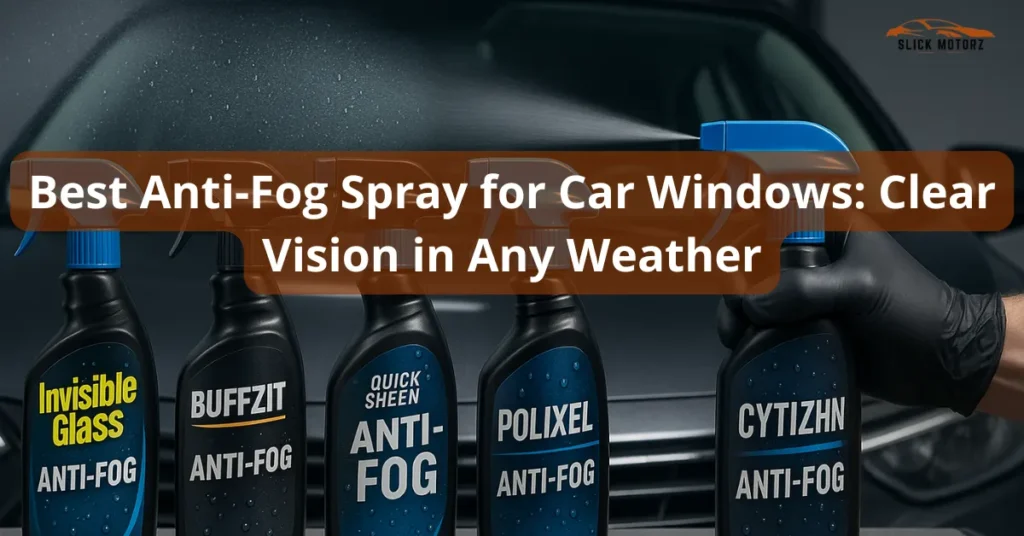
Not all anti-fog sprays are the same. Quality varies between brands and products. Some sprays use better chemicals that last longer. Others may wear off quickly or leave streaks. Trusted brands usually offer more reliable results. Cheap sprays might save money but fail to prevent fog well. Always check reviews and choose sprays made for car glass.
Environmental Conditions
Weather and surroundings impact spray performance. High humidity or sudden temperature changes cause more fog. Dust or dirt on glass reduce spray effectiveness. Cleaning the glass before applying spray improves results. Sprays work better in dry, clean conditions. Cold mornings and rainy days can challenge anti-fog protection. Adjust expectations based on the environment.
Duration And Reapplication Needs
Anti-fog sprays do not last forever. Most need reapplication after some time or exposure to rain. Some sprays last a few hours, others a few days. Wiping or washing the glass can remove the spray layer. Regular use keeps the glass fog-free longer. Follow product instructions for the best schedule. Reapplying at the right time ensures clear vision while driving.
Common Issues And Limitations
Anti-fog sprays help keep car glass clear by stopping fog build-up. They create a thin layer that stops tiny water droplets from forming. This layer spreads moisture evenly, making the glass look clear. Despite their benefits, anti-fog sprays have common issues and limits. Knowing these helps set the right expectations for their use.
Streaking And Residue
Some anti-fog sprays can leave streaks on the glass. These streaks reduce visibility and can be annoying while driving. Residue may build up if the spray is not applied correctly. Cleaning the glass before use is important to avoid this problem. Using too much spray also causes streaking and spots.
Reduced Performance Over Time
The effect of anti-fog sprays does not last forever. Rain, wind, and cleaning can wear off the protective layer. This means the spray needs frequent reapplication to work well. Over time, the spray may lose its strength and stop preventing fog. Regular maintenance keeps the glass clear and safe for driving.
Alternatives To Anti-fog Sprays
Anti-fog sprays help keep car glass clear by preventing moisture buildup. Some drivers want other ways to stop fog without using sprays. Several alternatives work well and are easy to try. These options can fit different budgets and preferences. Here are some common alternatives to anti-fog sprays.
Diy Solutions
Many simple home remedies can reduce fog on car glass. Rubbing a small amount of shaving cream on the glass and wiping it off leaves a thin film. This film stops fog from forming. Another option is using a mix of water and vinegar. Spray it lightly on the glass and dry with a cloth. These methods are cost-effective and quick to apply.
Commercial Products
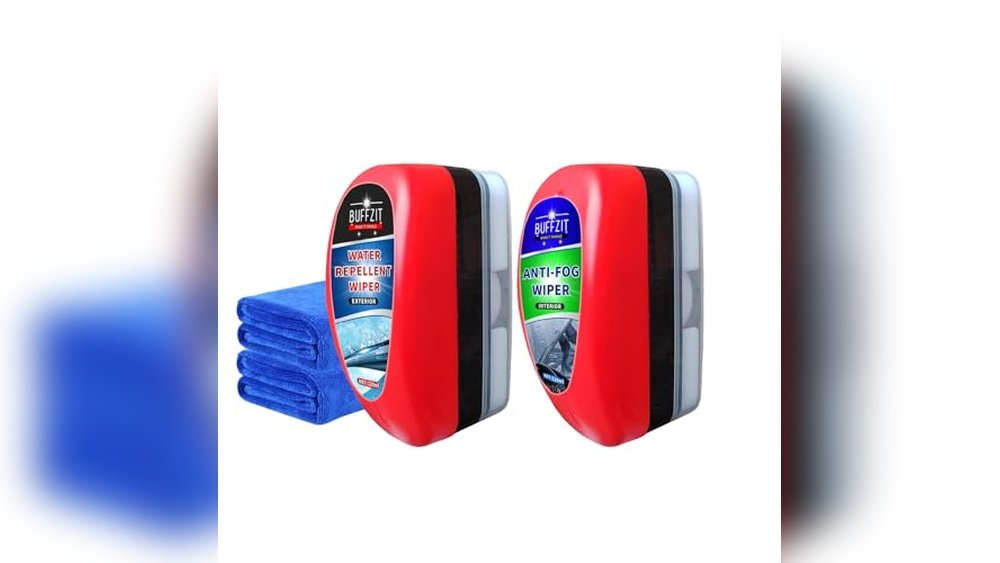
Besides sprays, other commercial products help with fogging. Anti-fog wipes are pre-treated cloths that clean and protect glass. They offer easy and mess-free application. Some glass cleaners also have anti-fog ingredients. These products keep the windshield clear longer than plain water or soap. Buying from trusted brands ensures better results and safety for your car glass.
Using Car Defrost Systems
Car defrost systems use heat to remove fog and ice from windows. Turning on the defrost blows warm air onto the windshield. This air dries moisture quickly and clears the glass. Using air conditioning with defrost helps reduce humidity inside the car. It is a built-in solution that works without extra products. Regular use can prevent fog buildup during cold or rainy days.

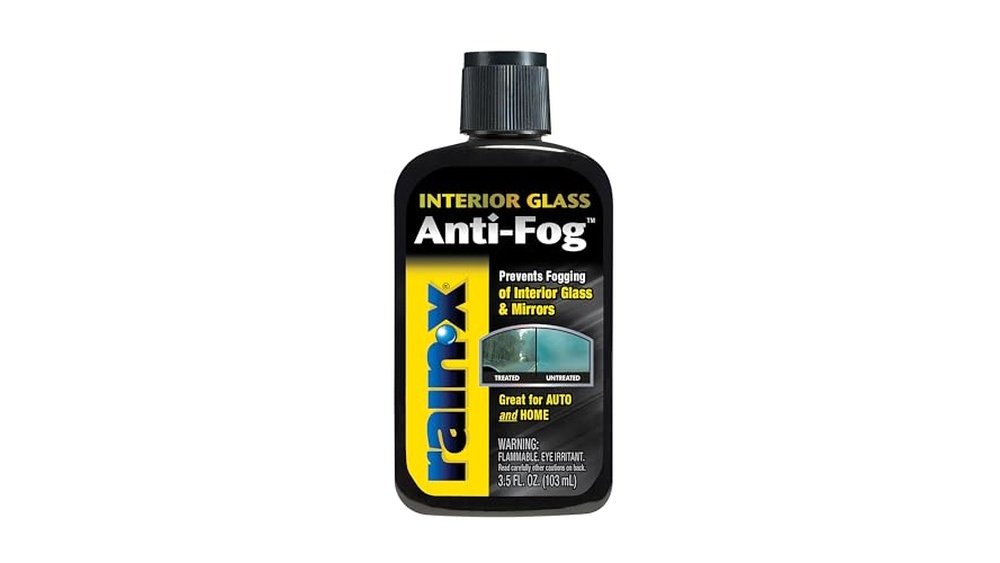
Credit: www.amazon.com
Tips For Clear Vision In All Conditions
Clear vision is essential for safe driving in all weather conditions. Fog on car glass can block your view and cause dangerous situations. Using anti-fog spray helps, but some simple tips improve its effect. These tips keep your windshield clear and your drive safer.
Regular Maintenance
Clean your car glass regularly to remove dirt and grease. Dirt can reduce the spray’s ability to work well. Use a mild cleaner and a soft cloth for best results. Reapply the anti-fog spray as the product instructions say. Check your glass before driving in cold or humid weather. Keep your car’s ventilation system working to reduce inside moisture. These small actions stop fog from building up quickly.
Combining Methods For Best Results
Use the anti-fog spray together with other fog-prevention tricks. Crack a window slightly to improve air flow inside the car. Turn on the air conditioner to remove moisture from the air. Keep your windshield wipers clean for better visibility. Avoid breathing directly on the glass, which causes fog. Combining these steps with anti-fog spray gives clearer glass in all conditions.
Frequently Asked Questions
Does Anti-fog Spray Work On Car Windshield?
Yes, anti-fog spray works on car windshields by creating a thin, transparent film that prevents fog from forming. Effectiveness varies by product and requires clean application. Regular reapplication is necessary, especially after rain or cleaning, to maintain clear visibility and reduce condensation buildup.
Do Defogging Sprays Really Work?
Yes, defogging sprays work by creating a thin film that prevents fog formation. Effectiveness varies by product and surface cleanliness. They reduce water droplet formation, spreading moisture evenly for clearer vision. Reapply regularly, especially after exposure to water, for best results.
How Long Does Anti-fog Spray Last?
Anti-fog spray typically lasts from a few days up to two weeks. Reapply after cleaning or exposure to water. Duration depends on the product and surface conditions.
Do Anti-fogging Sprays Work?
Yes, anti-fog sprays work by creating a thin film that prevents fog formation. Effectiveness varies by product and requires clean surfaces and reapplication. Some sprays last longer, while others may leave streaks or need frequent use for best results.
Conclusion
Anti-fog spray stops fog by spreading water evenly on glass. It forms a thin, clear layer that blocks fog droplets. Clean glass before applying for the best results. Effects last hours or days, so reapply as needed. Using the spray helps keep your windshield clear and safe.
Simple and easy, it improves your driving visibility in wet conditions. Try it to reduce fog without constant wiping or scrubbing. Clear glass means safer roads and better driving comfort.